In the digital age, authenticity is no longer a marketing buzzword; it is the currency of commerce. According to Sprout Social’s Q3 2026 Pulse Survey, authenticity stands as the single most critical brand characteristic on social media. However, as audiences become increasingly sophisticated and skeptical of the content flooding their feeds, the barrier to earning that trust has never been higher.
We are currently witnessing a "trust recession." With 35% of social media users reporting that they trust social platforms less today than they did a year ago, brands are finding themselves in a high-stakes environment where every post, comment, and partnership is scrutinized for legitimacy. As AI-generated content continues to blur the line between real-world experiences and manufactured simulations, brands must work harder than ever to prove they are human, transparent, and accountable.
The Evolution of Consumer Skepticism: A Chronology
The shift in digital trust did not happen overnight; it is the result of years of evolving consumer behavior and technological saturation.
- The Discovery Phase: Historically, consumers relied on official websites for information. By 2024, the path to purchase shifted definitively toward social discovery. Consumers began using social platforms as search engines to find real-time product recommendations and peer-to-peer validation.
- The AI Disruption: The widespread integration of generative AI in 2025 and 2026 created a watershed moment. As "perfect" but synthetic content became ubiquitous, users developed a heightened sensitivity to "fakeness," leading to a backlash against over-produced, corporate-led narratives.
- The Current Landscape: Today, the "trust recession" has reached a tipping point. As noted in Sprout’s Be So FR (For Real) 2026 webinar, users are actively discounting polished advertising in favor of raw, unfiltered, and demonstrably human interactions. The mandate for brands is clear: stop broadcasting and start connecting.
The Pillars of Credibility: Supporting Data
The data underpinning this shift provides a roadmap for brands struggling to maintain relevance. The 2026 Pulse Surveys highlight that social media is now the primary theater for brand reputation management.

Social Media as the Primary Source
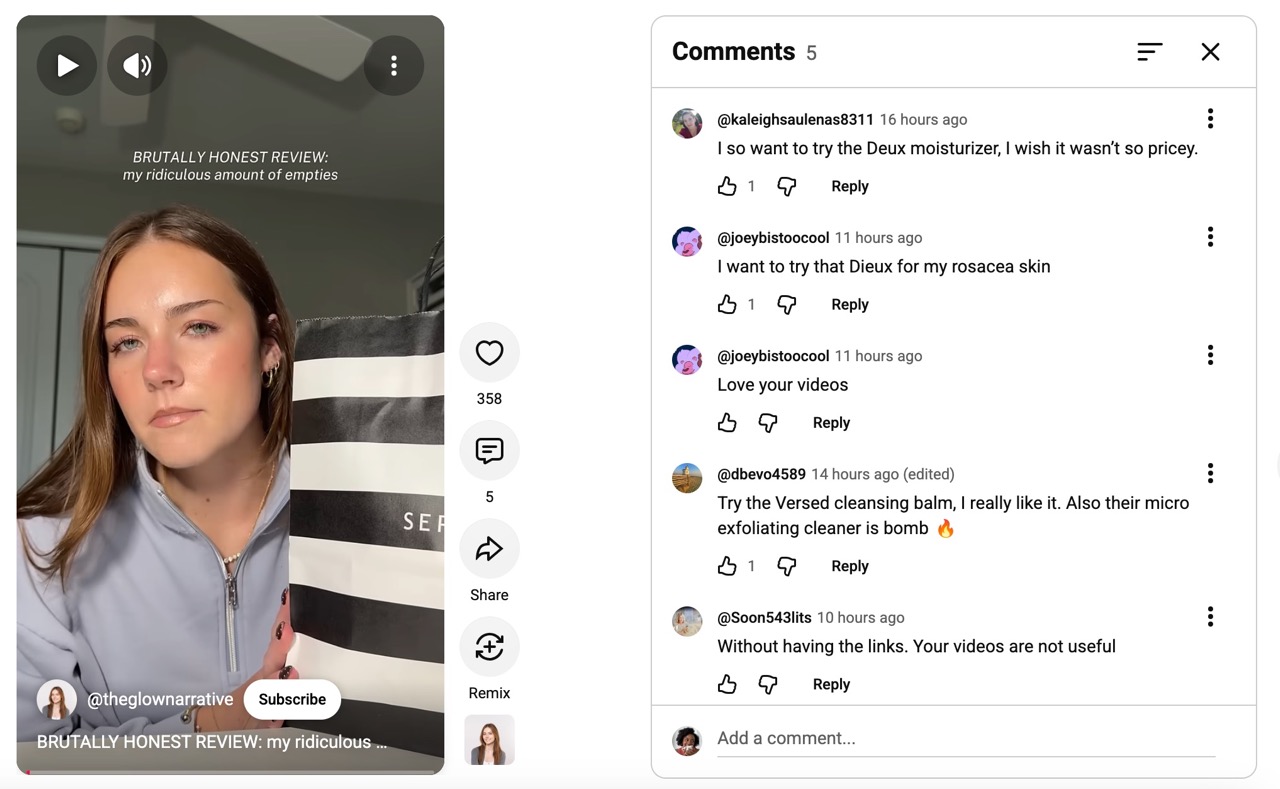
Consumers no longer look for a brand’s website first; they look for the brand’s social footprint. When a customer has a query, they head to the comments section. When they want to verify a claim, they look for independent reviews on platforms like YouTube or TikTok.
For instance, the reception of creators like @theglownarrative serves as a case study in modern influence. Her skincare reviews are not just advertisements; they are hubs for community discourse. Viewers discuss price points, debate product efficacy, and swap alternatives. Brands that align with such creators—those who share honest, firsthand experiences—gain immediate access to that reservoir of trust.
The Cost of Silence
The stakes are equally high when things go wrong. Sprout’s Q2 2026 Pulse Survey reveals that social media is the "ground zero" for brand crises. When a controversy strikes, 64% of consumers demand a public response on the social channel where the issue originated. A press release or a static page on a corporate website is no longer sufficient; silence is increasingly interpreted as guilt or indifference.
The Four Trust Builders: A Framework for Engagement
Building trust is not an abstract goal; it is a mechanical process involving consistency, responsiveness, transparency, and proof.
1. Consistency: The Foundation of Identity
Consistency is the bedrock of reliability. Brands that chase fleeting trends that clash with their core identity risk appearing desperate or unprincipled. A consistent brand voice ensures that a customer knows exactly what to expect from a brand, whether they are reading a promotional campaign or a direct message response.
2. Responsiveness: The Speed of Care
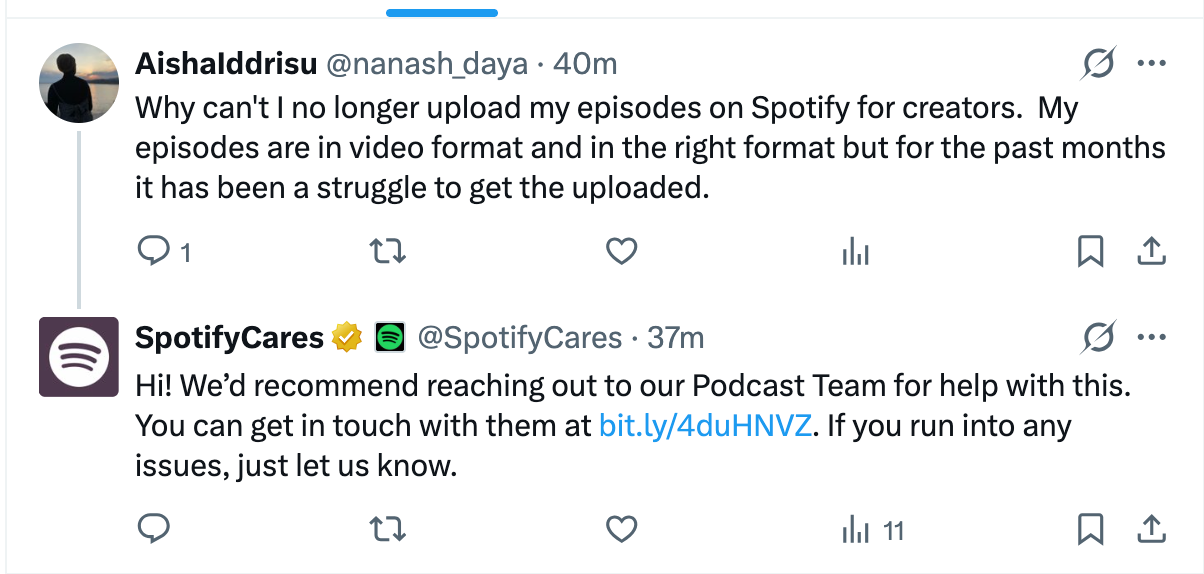
In the current climate, speed is synonymous with respect. The Q3 2026 Pulse Survey found that 38% of consumers expect a customer care response within two hours, with 14% demanding a response in mere minutes. High-performing brands, such as SpotifyCares, exemplify this by acting as a concierge service—acknowledging issues in real-time, directing users to specialized teams, and closing the loop.
3. Transparency: The Antidote to AI Skepticism
The "black box" approach to content creation is failing. With 28% of consumers explicitly calling for brands to stop posting AI-generated content without clear labeling, transparency is a requirement. Brands must disclose AI involvement and, crucially, subject all AI-assisted content to human review to prevent the dissemination of misinformation.
4. Proof: The Power of Firsthand Experience
Data shows that 57% of consumers trust everyday users more than mega-influencers or brand employees. This is because the "everyday user" represents the promise of an unbiased, lived experience. By amplifying user-generated content (UGC), brands provide social proof that is impossible to manufacture.
Strategic Implications: How to Build Trust Today
To translate these insights into growth, brands must move beyond traditional marketing tactics and adopt a community-first approach.
Adopt a "Human-First" Voice
Corporate jargon is a barrier to entry. To connect with a skeptical audience, brands must strip away the sales-heavy language. The goal is to sound like a participant in a conversation, not a billboard in a public square. If a caption or a comment feels like it could have been written by a bot for a competitor, it needs to be rewritten.
Utilize Social Listening as a Growth Lever
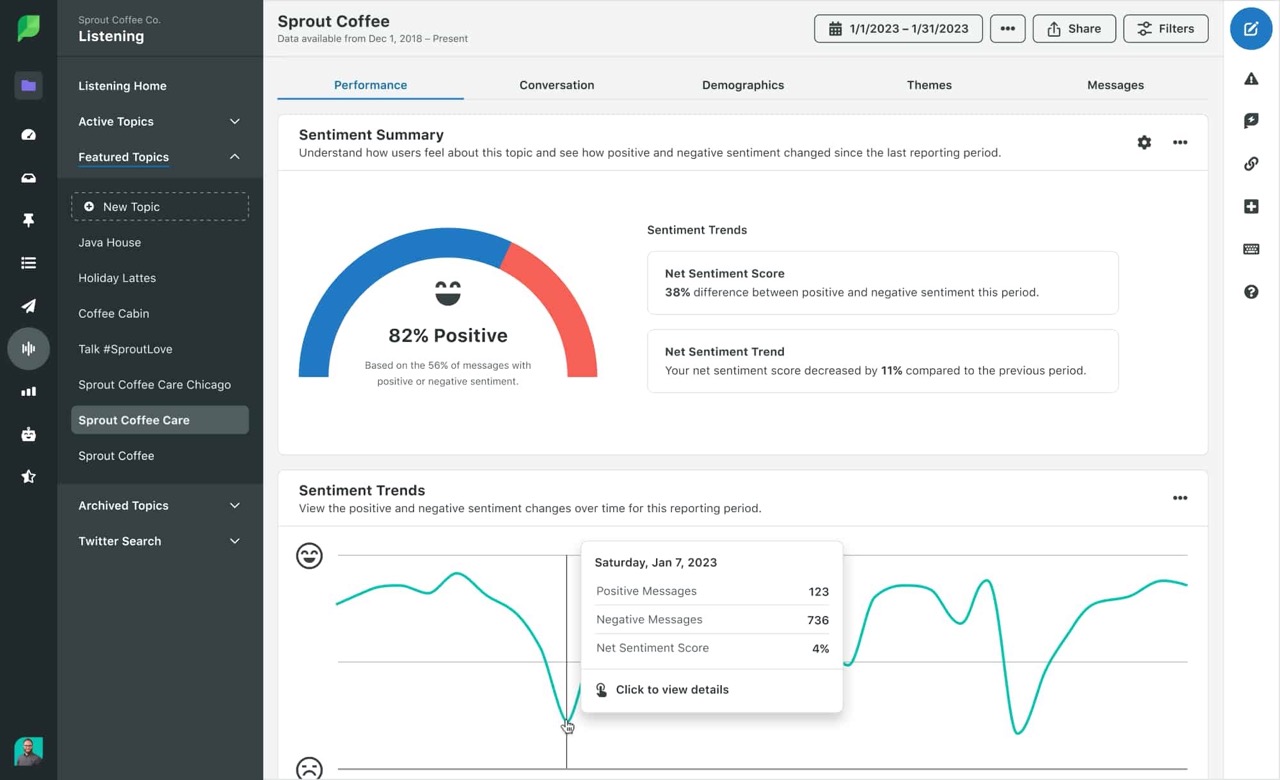
Social listening is the practice of monitoring conversations about your brand, industry, and competitors. It allows brands to identify the "unmet needs" of their audience. If customers are consistently asking about product setup, don’t just answer the question in the comments—create a video tutorial, host a live Q&A, and then report back to the community that their feedback drove the creation of that content. This "close-the-loop" strategy is one of the most effective ways to foster brand loyalty.
Rethink Influencer Strategy
Follower count is a vanity metric that is quickly losing its luster. In 2026, the focus has shifted to relevance. According to the 2026 Influencer Marketing Report, 47% of consumers prioritize a creator’s topic expertise over their reach. Brands should seek partners who have a demonstrated history of honest, accurate product demonstrations.
Empower the Internal Workforce
Employees are a brand’s most untapped asset. 46% of consumers want to hear from frontline workers, and 61% agree that these employees should be compensated for their advocacy. By giving employees the platform to showcase their expertise, brands humanize their operations and provide authentic, behind-the-scenes proof of their commitment to quality.
Cultivate Community, Not Just a Following
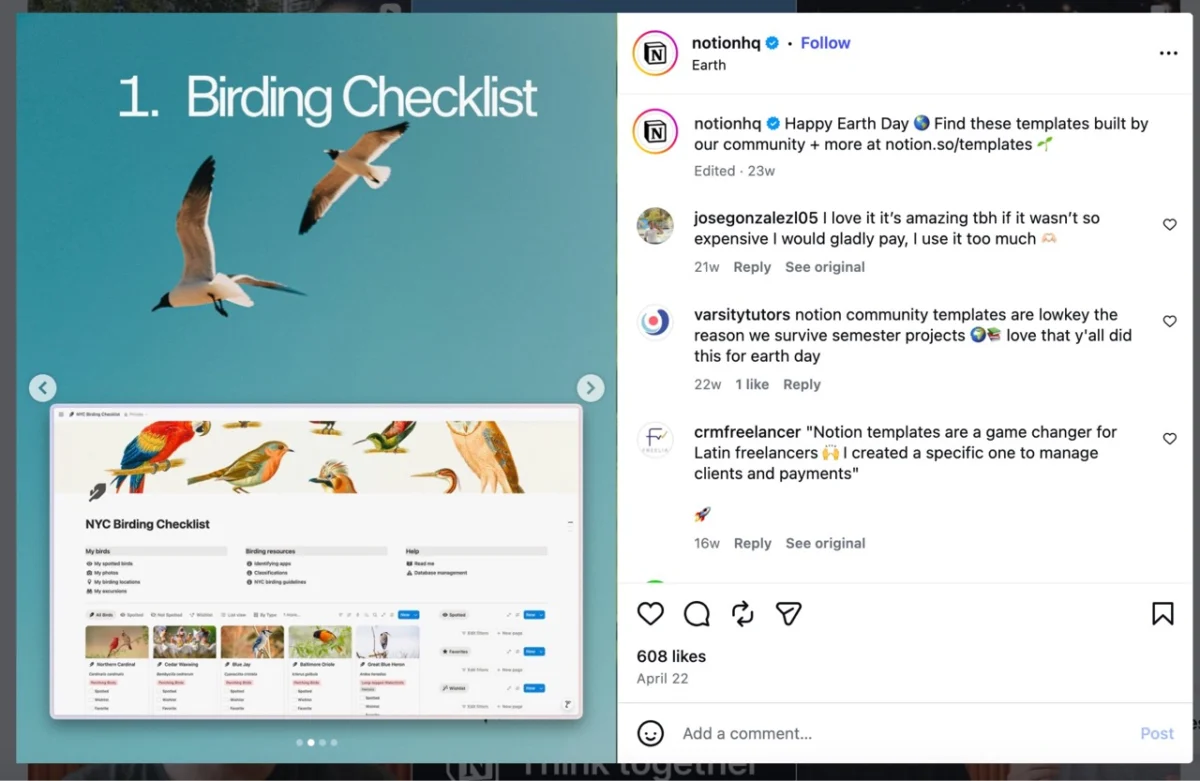
True trust is found in community. Brands that provide spaces for their users to interact—not just with the brand, but with each other—create a self-sustaining ecosystem of advocacy. When a brand like Notion highlights community-built templates, they are signaling that they value their users’ contributions. This turns a customer into a partner, and a transaction into a relationship.
Conclusion: The Long Game
The "trust recession" is a wake-up call for marketers. In a world where AI can mimic anything, the only thing that cannot be faked is a genuine, long-term commitment to the customer. By focusing on these four pillars—consistency, responsiveness, transparency, and proof—brands can navigate the skepticism of the modern digital landscape.
When you review your social strategy, ask yourself: Does this interaction help the user make a better decision? Does it resolve a pain point? Does it demonstrate that we are listening? If the answer is yes, you are building the only thing that truly matters in the age of digital noise: trust.