Main Facts
The consumer electronics industry is currently witnessing a high-stakes supply chain crisis centered around one of its most dominant players. Samsung Electronics, despite enjoying robust consumer demand and strong commercial interest for its flagship foldable device, the Galaxy Z Fold8, is facing unprecedented manufacturing hurdles. Beyond the macroeconomic headwinds of steadily rising global prices for critical components such as storage and RAM, the South Korean tech giant has hit a severe operational bottleneck: a critical shortage of Display Driver Integrated Circuits (DDIs).
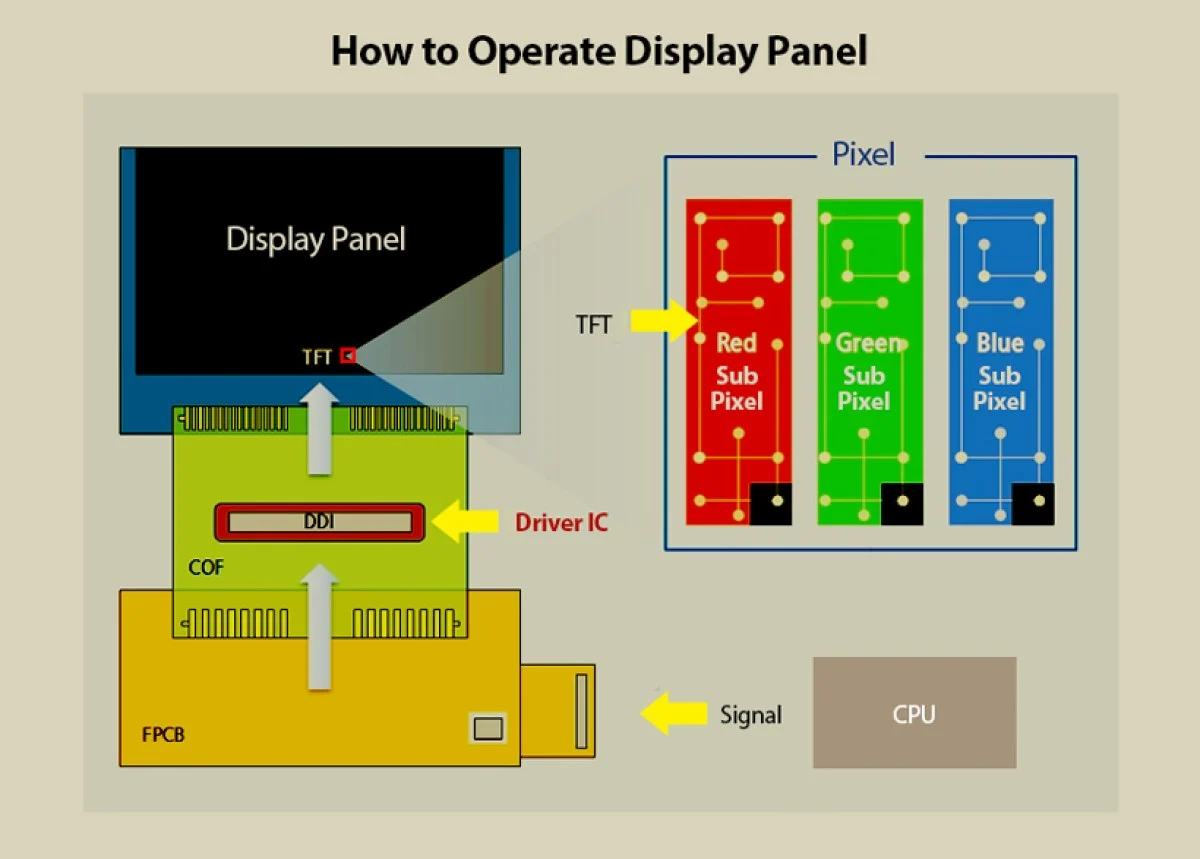
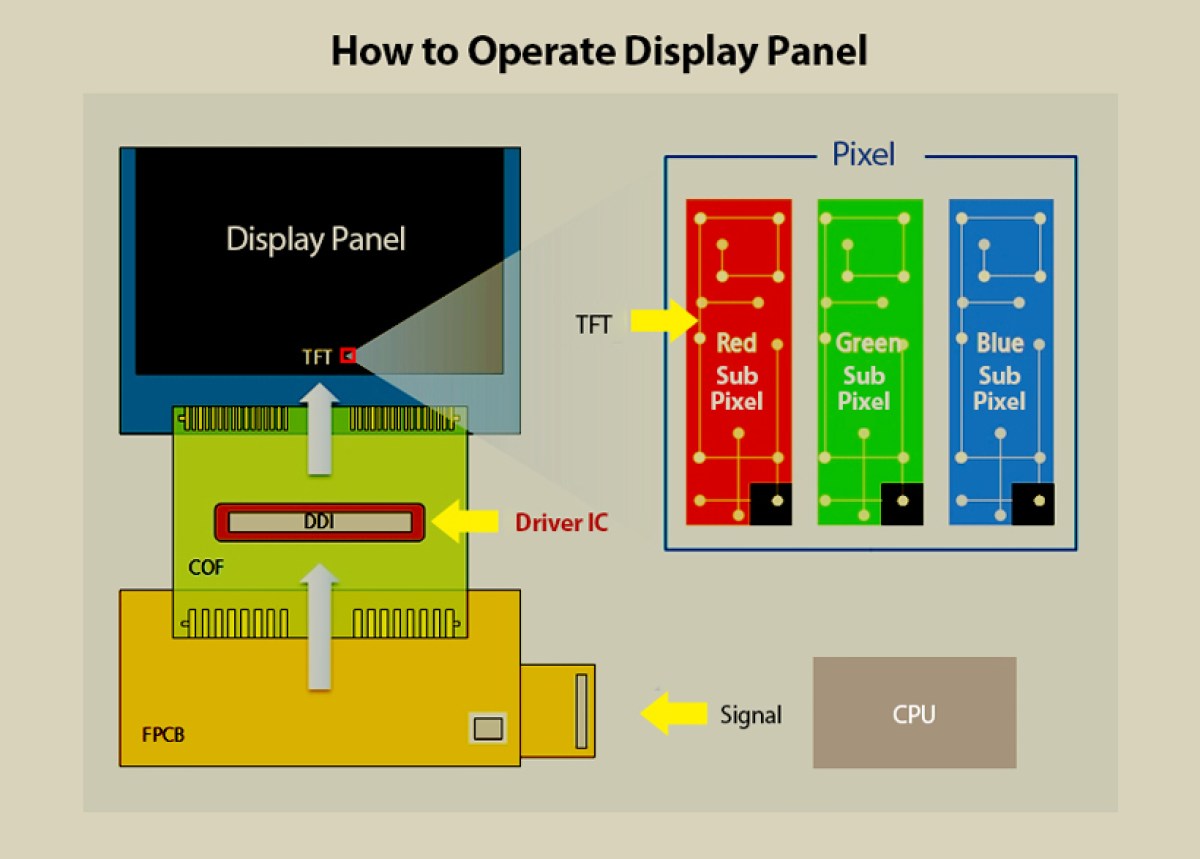
DDIs are specialized semiconductor chips that act as the vital communication bridge between a smartphone’s central processing unit (CPU) and its display panel. Operating via thin-film transistors, these sophisticated microchips govern pixel-level operations, controlling sub-pixels, regulating color fidelity, and managing variable brightness levels across the screen. For advanced, high-refresh-rate foldable displays like the one featured on the Galaxy Z Fold8, the reliability and availability of these chips are non-negotiable.
However, recent investigative reports from ZDNet Korea have laid bare a fundamental structural vulnerability in Samsung’s supply chain: the company has relied almost exclusively on a single manufacturer, United Microelectronics Corporation (UMC), for these critical components. When surging consumer demand forced Samsung to request an expanded allocation of DDI chips last month, UMC declined the request, citing that its fabrication plants were already operating at absolute maximum capacity.
This single-source dependency has triggered a domino effect. Unable to secure the necessary volume of display driver chips, Samsung was forced to slash its production targets for the Galaxy Z Fold8 heading into the autumn months. The manufacturing cutbacks have directly impacted revenue generation and left eager consumers facing persistent stock shortages in major global markets. Recognizing the existential risk posed by this bottleneck, Samsung is now aggressively moving to diversify its supplier base. Industry insiders indicate that the tech giant is in advanced talks to onboard GlobalFoundries (GF) as a secondary supplier, leveraging GF’s mature 22nm and 28nm fabrication nodes—initially targeting implementation for entry-level Galaxy A-series devices by late 2027 while evaluating broader long-term supply stabilization strategies.

Chronology of the Crisis
To fully understand how Samsung found itself struggling to fulfill orders for its premier foldable device, it is necessary to examine the timeline of events leading up to the current manufacturing impasse.
Q1–Q2 2026: Component Cost Pressures and Launch Preparations
As Samsung prepared for the mass production and global launch of the Galaxy Z Fold8, the semiconductor and memory markets were already showing signs of strain. Global supply chains were grappling with upward pricing pressures on essential raw materials, NAND flash storage, and dynamic random-access memory (DRAM). Despite these escalating overhead costs, initial consumer reception for the Galaxy Z Fold8 proved overwhelmingly positive, outperforming internal forecasts in several key regions, including South Korea and North America.
Late Summer 2026: The Demand Surge and the UMC Wall
By late summer, sales momentum for the foldable flagship accelerated further, bolstered by aggressive promotional campaigns and a competitive response to rival smartphone lineups. To capitalize on this unexpected sales velocity, Samsung’s supply chain managers assessed inventory levels and realized that existing shipments of Display Driver Integrated Circuits were insufficient to meet projected build targets for the upcoming quarter.
Samsung approached its sole DDI manufacturer, United Microelectronics Corporation (UMC), with urgent requests to scale up production allocations. However, UMC’s foundry lines were already committed to various global clients and operating at peak capacity, leaving no room for a sudden surge in output. UMC’s refusal to ramp up production exposed the high-risk nature of Samsung’s single-source procurement strategy.
September 2026: Production Cuts and Financial Impacts
Facing a hard ceiling on DDI availability, Samsung had little choice but to adjust its operational output. In September, the corporation officially scaled back its monthly production volume for the Galaxy Z Fold8. This sudden contraction on the assembly lines immediately manifested as delayed shipments, backordered retail channels, and missed revenue opportunities during a crucial sales quarter. The shortfall highlighted a critical vulnerability: advanced device engineering is only as strong as its simplest, most indispensable semiconductor components.
October 2026 Onward: The Pivot to GlobalFoundries and Long-Term Strategy
In the wake of the September production crisis, Samsung’s executive leadership initiated a comprehensive overhaul of its semiconductor sourcing strategies. Media reports revealed that Samsung Display and its parent procurement divisions began outreach to alternative fabrication partners.
Primary among these potential partners is GlobalFoundries (GF). Industry analysts report that Samsung has targeted GF’s specialized 22nm and 28nm manufacturing nodes. While the immediate focus is on securing long-term stability and mitigating future flagship bottlenecks, current projections suggest that chips sourced through these new partnerships will first be integrated into high-volume, entry-level devices—such as the Galaxy A-series—by late 2027, before potentially expanding to higher-tier products once production lines are fully validated and optimized.
Supporting Data and Market Analysis
The intricacies of the current semiconductor squeeze can be better understood through an examination of component pricing, hardware specifications, and market availability. The table below outlines the prevailing retail landscape and configuration options for the Galaxy Z Fold8 across major retail partners, reflecting a market grappling with tight inventory and fluctuating supply-demand dynamics.
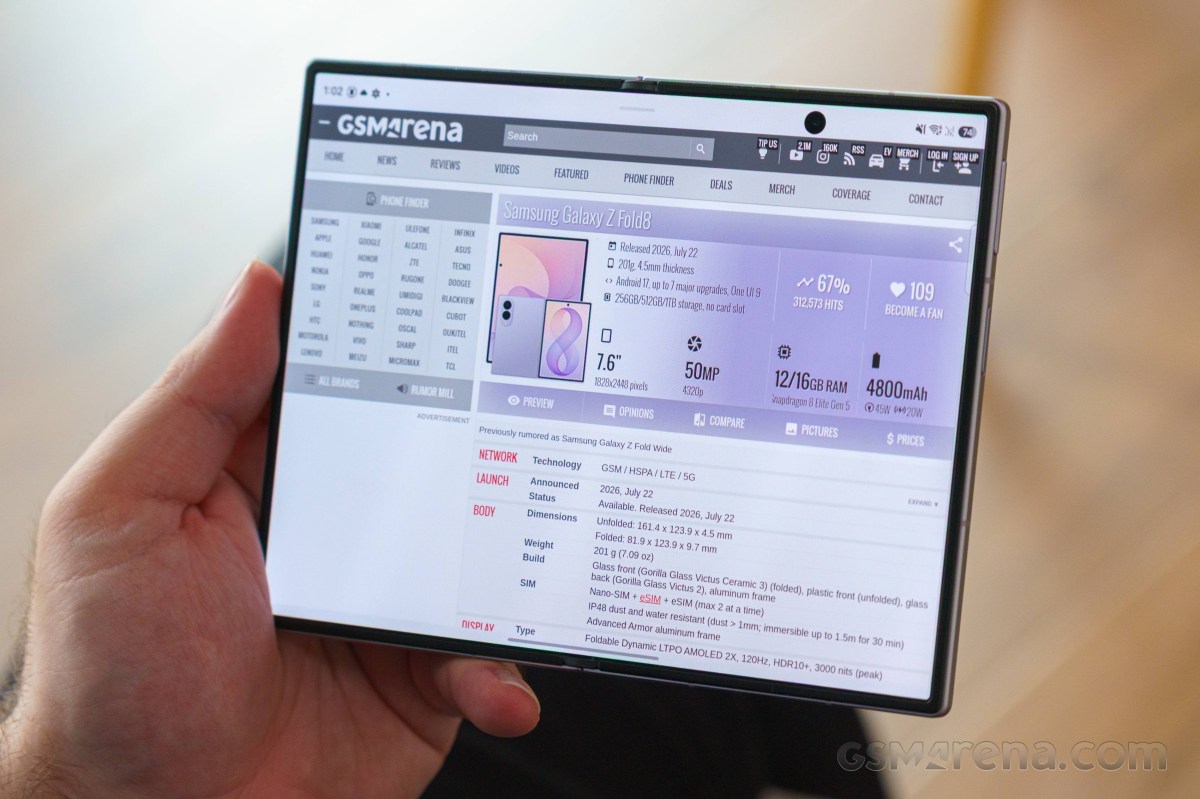
Samsung Galaxy Z Fold8: Market Pricing and Configurations
| Storage & RAM Configuration | Retailer / Partner | Price Offer | Availability Status |
|---|---|---|---|
| 256GB / 12GB RAM | Walmart | $1,650.00 | Limited Stock / Affiliate Offer |
| 256GB / 12GB RAM | Amazon (US) | $1,699.99 | In Stock / Subject to Backorder |
| 512GB / 12GB RAM | Amazon (US) | $1,899.99 | High Demand / Variable Inventory |
| 512GB / 12GB RAM | Amazon (UK) | £1,499.00 | Regulated Stock Allocation |
Note: Pricing and availability are subject to change based on regional distribution bottlenecks and ongoing adjustments to manufacturing output.
The Economic Weight of DDIs
While high-profile processors like application processors (APs) command the lion’s share of media attention, Display Driver Integrated Circuits represent a fascinating niche of semiconductor economics. Historically viewed as commodity chips built on mature manufacturing nodes (such as 28nm, 22nm, and older), DDIs have faced intermittent capacity crunches over the past half-decade.
Fabless design houses and foundries often prioritize high-margin, leading-edge nodes (like 3nm and 5nm used for flagship APs) over mature nodes. Consequently, when demand for consumer displays spikes unexpectedly—especially for complex, dual-screen foldable panels that require specialized drivers to handle variable refresh rates and high peak brightness—mature node foundries like UMC quickly hit saturation. UMC’s inability to dynamically reallocate capacity for Samsung illustrates the structural inflexibility that occurs when an original equipment manufacturer (OEM) relies on a single vendor for critical sub-components.
Official Responses and Industry Stakeholder Perspectives
As details of the supply chain disruption have leaked through industry channels and trade publications, official responses from the involved parties have shed light on the broader corporate strategies at play.

Samsung’s Internal Re-evaluation
While Samsung Electronics has not issued a sweeping public press release detailing every operational setback regarding the Galaxy Z Fold8, leaks from procurement executives cited by ZDNet Korea confirm an aggressive internal pivot. Management has characterized the reliance on a single DDI supplier as an unacceptable risk moving forward.
Samsung’s supply chain committees have been tasked with auditing all secondary and tertiary component providers across the board. The goal is to establish redundant sourcing for every tier of hardware—from premium foldable displays down to budget-tier components. By engaging with GlobalFoundries, Samsung aims to signal to the market that it is taking proactive measures to insulate its manufacturing pipelines from geopolitical and capacity-driven disruptions.
The Foundries: UMC and GlobalFoundries
United Microelectronics Corporation (UMC) has maintained a standard corporate stance regarding foundry capacity, emphasizing that operations remain fully committed to existing contractual obligations across its global client base. Industry analysts note that foundries operating at 100% utilization are hesitant to break established long-term agreements or disrupt fab schedules for sudden spot-order surges, even when requested by industry titans like Samsung.
Meanwhile, representatives for GlobalFoundries have not officially commented on specific client negotiations due to non-disclosure agreements. However, financial analysts tracking GF’s 22nm and 28nm specialty nodes view a potential partnership with Samsung as a significant revenue opportunity. Diversifying toward GF provides Samsung with geographically diverse manufacturing options, which is increasingly valued in modern semiconductor logistics.

Implications of the Supply Chain Bottleneck
The ongoing struggles to maintain stable production of the Galaxy Z Fold8 carry profound implications for Samsung, its competitors, and the broader consumer electronics market.
1. Strategic Shifts in Supplier Diversification
The most immediate takeaway for Samsung is the absolute necessity of a multi-vendor sourcing strategy. Relying on a single supplier for critical components—regardless of how reliable that partner has been historically—leaves a manufacturer vulnerable to capacity caps, regional disruptions, and macroeconomic shocks. Moving forward, Samsung is expected to split its DDI orders across multiple foundries, potentially incorporating domestic South Korean suppliers alongside international heavyweights like GlobalFoundries.
2. Consumer Impact and Market Share Dynamics
For consumers, supply chain bottlenecks translate directly into delayed product availability, reduced promotional discounting, and potential frustration when attempting to purchase high-demand devices. In the hyper-competitive foldable smartphone market, where rivals from mainland China and other global tech titans are rapidly iterating on hardware designs and aggressive pricing, any window of constrained supply can be exploited by competitors to capture valuable market share. If a consumer eager to purchase a foldable device cannot find a Galaxy Z Fold8 in stock, they may be swayed by alternative ecosystem offerings.
3. Long-Term Resilience in the Semiconductor Ecosystem
Finally, this episode serves as a case study for the entire consumer electronics sector regarding the importance of mature-node semiconductor planning. While the tech industry frequently focuses its attention on cutting-edge sub-nanometer nodes, the global economy relies heavily on mature nodes (28nm and above) for power management ICs, microcontrollers, and display drivers. Ensuring adequate, flexible capacity for these foundational chips will remain one of the defining operational challenges for hardware manufacturers throughout the remainder of the decade. As Samsung navigates its transition toward secondary suppliers like GlobalFoundries, the industry will be watching closely to see how effectively the tech giant can future-proof its supply chain against the next wave of consumer demand.