SANTA CLARA, Calif. — The personal computer is undergoing its most profound metamorphosis in decades. Beginning tomorrow, the technological landscape shifts irrevocably with the global launch of NVIDIA RTX Spark, a unified hardware and software platform designed from the ground up to cater to a new triumvirate of users: digital creators, hardcore gamers, and, crucially, autonomous AI agents.
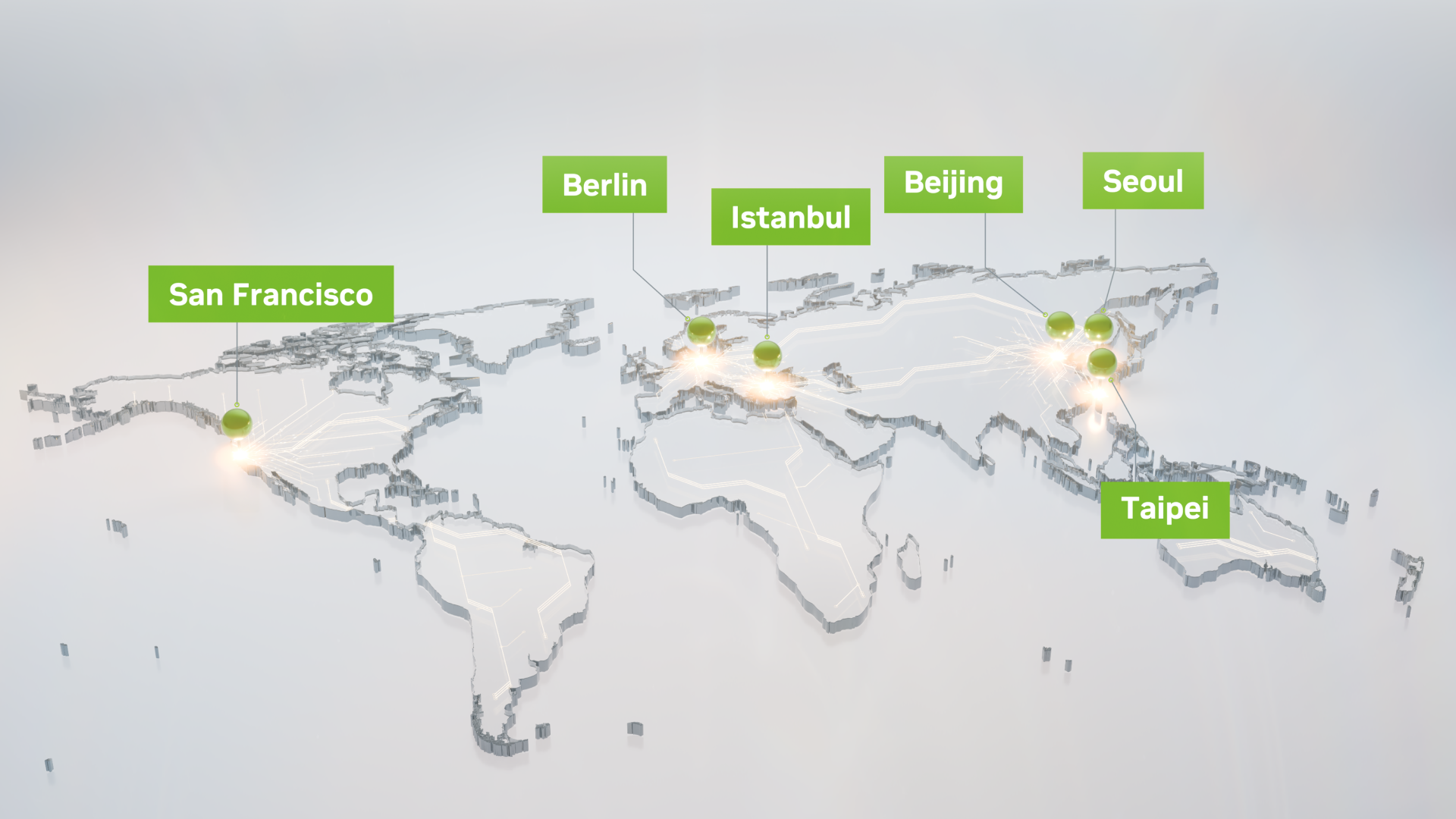
Promising a radical departure from traditional computing paradigms, NVIDIA—in close collaboration with Microsoft and a broad coalition of hardware partners—is rolling out a device category that aims to bridge the gap between heavy-duty cloud infrastructure and local, everyday hardware. To mark the occasion, global launch events are kicking off worldwide, inviting enthusiasts, developers, and industry professionals to get hands-on experience with what many are already calling a watershed moment for the Windows ecosystem.
1. Main Facts: What is NVIDIA RTX Spark?
At its core, NVIDIA RTX Spark is not merely a new graphics card or a mobile processor; it is an entirely reimagined PC platform engineered to handle the intense, asymmetric demands of modern software. Built to seamlessly integrate heavy creative workloads, high-end gaming, and local artificial intelligence, the platform represents a massive leap forward in hardware-software co-design.
Key aspects of the RTX Spark launch include:
- The All-in-One Machine: A single PC architecture optimized simultaneously for heavy rendering, immersive gaming, and running local, low-latency AI agents.
- Global Launch Events: Hands-on community and industry events taking place around the world, offering live demonstrations of creative applications, developer environments, and next-generation local AI capabilities.
- The "Share Your Spark" Campaign: An interactive global community event where users can share the stories of their very first Windows PCs for a chance to win exclusive hardware.
- Unprecedented Industry Alignment: Early hardware configurations—such as implementations in devices like the Microsoft Surface Laptop Ultra powered by the RTX Spark superchip—demonstrate deep cooperation between major industry pillars, proving that Windows-on-ARM and high-performance local AI can coexist brilliantly.
2. Chronology: The Road to the RTX Spark Launch
The arrival of the RTX Spark is the culmination of years of intensive research, strategic partnerships, and a quiet revolution in how consumer hardware interacts with artificial intelligence.
- The Generative AI Explosion (2022–2023): As large language models (LLMs) and generative creative tools exploded into the mainstream, the industry relied heavily on cloud-based servers. NVIDIA recognized early on that truly ubiquitous AI would eventually demand powerful, privacy-preserving local compute power capable of running CUDA-accelerated models directly on the user’s desk or in their backpack.
- Architectural Co-Design (2024–2025): NVIDIA deepened its engineering partnerships with Microsoft and various original equipment manufacturers (OEMs). The goal was to solve the historic friction points of Windows-on-ARM platforms—specifically application compatibility and performance bottlenecks—while supercharging local graphics and neural processing.
- The Pre-Launch Reviewer Window (Early October 2026): Select technology outlets, hardware reviewers, and benchmark organizations received early access to RTX Spark-enabled systems. Their findings, published in the days leading up to the launch, sent ripples through the tech community by confirming that NVIDIA’s bold claims were backed by tangible performance metrics.
- Global Launch Day (October 16, 2026): The official commercial rollout begins. Consumers and professionals around the globe gain access to retail units, and experiential launch events open their doors, allowing the public to test the platform firsthand.
3. Supporting Data and Independent Benchmarks
While marketing claims often lean toward hyperbole, independent analysis of the RTX Spark platform reveals a hardware ecosystem that fundamentally changes what is possible on a mobile form factor.
Independent Validation from Artificial Analysis
Early benchmark data released by Artificial Analysis offers an objective window into the local AI performance delivered by RTX Spark systems. When tested against various state-of-the-art open-source language models, RTX Spark-equipped laptops demonstrated remarkably low completion times, outstripping legacy mobile architectures by substantial margins.
The data illustrates that local inference—historically a notorious battery-drainer and performance bottleneck on consumer laptops—can now be executed smoothly and swiftly without relying on constant cloud connectivity. This is largely attributed to the deep integration of NVIDIA’s CUDA acceleration stack within a highly optimized client-side architecture.
Application Optimization at Scale
One of the most persistent hurdles for new computing platforms is software adoption. Historically, transitioning to a new architecture (such as the shift to ARM-based Windows systems) meant dealing with a desert of native applications.
According to analyses from tech publications like Creative Bloq, NVIDIA bypassed this traditional stumbling block by working proactively with leading software developers long before launch day. Creative suites, 3D rendering pipelines, video editing software, and development environments have been explicitly optimized to leverage Spark technology from day one, ensuring a friction-free experience for creative professionals.
4. Official Responses and Critical Reception
The tech media and reviewer community have responded to the RTX Spark with a mixture of awe, fascination, and analytical praise. Rather than viewing it as a conventional incremental upgrade, critics are highlighting its unique identity.
- Tom’s Hardware lauded the platform’s polish right out of the gate:
“The fact that NVIDIA, Microsoft and their partners have delivered such a capable, compatible and polished platform even in its first at-bat should put the rest of the PC industry on notice.”
- TrustedReviews (UK) focused on practical user experiences, noting:
“I tested NVIDIA’s RTX Spark for gaming and local AI — the performance absolutely stunned me.”
- Microcenter echoed these sentiments regarding everyday utility, reporting:
“I’m very happy to report that performance is actually looking really good when it comes to AI, gaming and creative workflows.”
- Perhaps capturing the esoteric nature of the release, Tom’s Guide described the device not merely as a competitor to existing laptops, but as a paradigm shift:
“[RTX Spark] is a different species of computer that has arrived early. It is a statement of intent from NVIDIA about where computing is going — trading raw benchmarking crowns for the ability to carry a self-rewriting, fully autonomous, CUDA-accelerated digital brain in your backpack.”
The "Share Your Spark" Community Initiative
In tandem with the commercial rollout, NVIDIA is leaning heavily into consumer nostalgia and community engagement. The #ShareYourSpark social media campaign invites users worldwide to look backward in order to look forward. Participants are encouraged to share the story of their very first Windows PC and describe what technological spark it ignited within them.
Entries submitted with the hashtag #ShareYourSpark enter participants into a sweepstakes for a rare collector’s item: an ASUS ProArt P14 RTX Spark laptop personally signed by NVIDIA founder and CEO Jensen Huang. (Details and official rules are available via NVIDIA’s official sweepstakes portal).
5. Implications for the Future of Personal Computing
The launch of NVIDIA RTX Spark marks a critical inflection point for the technology sector, carrying profound implications for software developers, enterprise security, casual consumers, and the hardware market at large.
1. The Normalization of Local AI Agents
For the past several years, artificial intelligence has largely been an external service—something accessed through a browser window or an API call running on remote server farms. RTX Spark brings the cloud to the client. By packing a CUDA-accelerated digital brain into a portable form factor, users can run autonomous, self-improving agents locally. This has massive implications for data privacy; sensitive corporate documents, personal creative projects, and proprietary codebases can now be analyzed and processed by advanced AI models entirely offline, minimizing data leakage risks.
2. A New Standard for Windows-on-ARM and Hybrid Architectures
Microsoft’s ongoing push into ARM-based Windows devices has found a formidable ally in NVIDIA. By proving that high-end creative workloads, local neural network processing, and competent gaming can be packed into a sleek, efficient package without sacrificing compatibility, the RTX Spark lays down a gauntlet for competitors like Apple and AMD. It signals that the future of computing belongs to heterogeneous architectures that do not compromise on specialized acceleration.
3. Redefining Creative and Gaming Workflows
Creators no longer need to choose between the mobility of a lightweight ultrabook and the raw computational might of a desktop workstation tethered to a wall outlet. Similarly, gamers and developers gain a versatile Swiss Army knife of a machine. As more developers tap into the Spark optimization framework, the barrier between creation, execution, and entertainment will continue to dissolve.
Join the Celebration
As local launch events open their doors around the globe on Friday, October 16, attendees will have the rare opportunity to go hands-on with RTX Spark hardware. From live developer workshops and creative app showcases to immersive gaming sessions, these events offer a first-hand look at the machinery powering the next era of personal computing.
Space at the physical launch events is strictly limited. Enthusiasts are encouraged to check local event times and follow regional entry instructions closely to secure their place at the starting line of the AI PC revolution.