Main Facts: Hardware Integration and Optical Capabilities
The convergence of professional-grade optics and modern mobile computational photography has reached a fascinating new milestone with the introduction of the Oppo Find X10 Pro Max and its dedicated Hasselblad Teleconverter Kit. As high-end flagship smartphones increasingly pivot toward modular optical accessories, Oppo’s latest hardware ecosystem addresses the persistent physical limitations of thin chassis designs by offering an external glass-and-metal lens attachment.
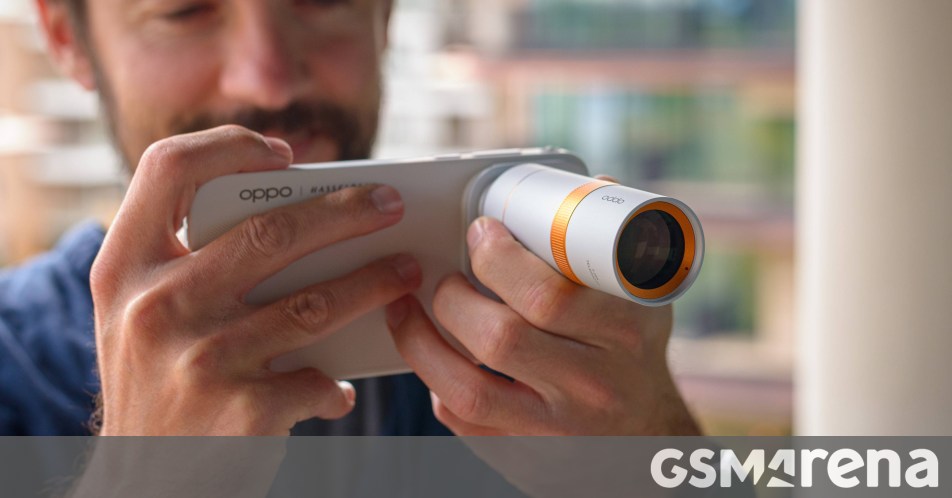
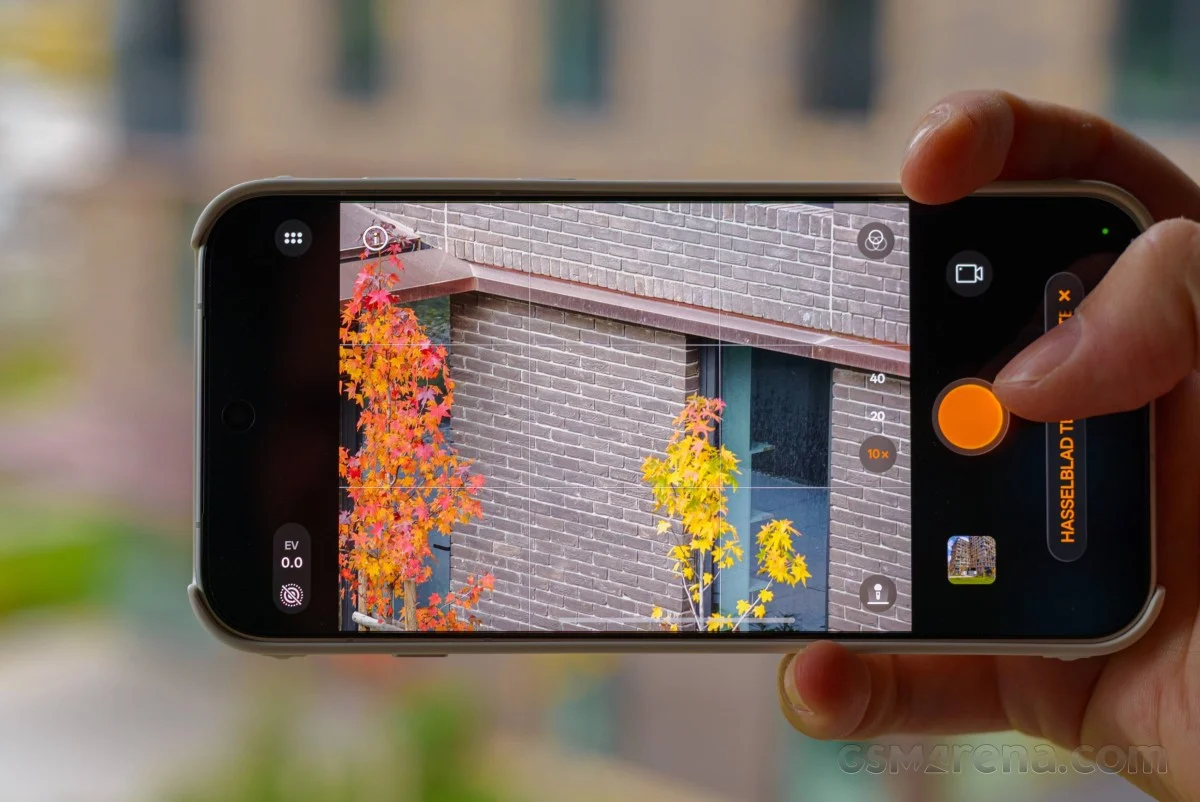
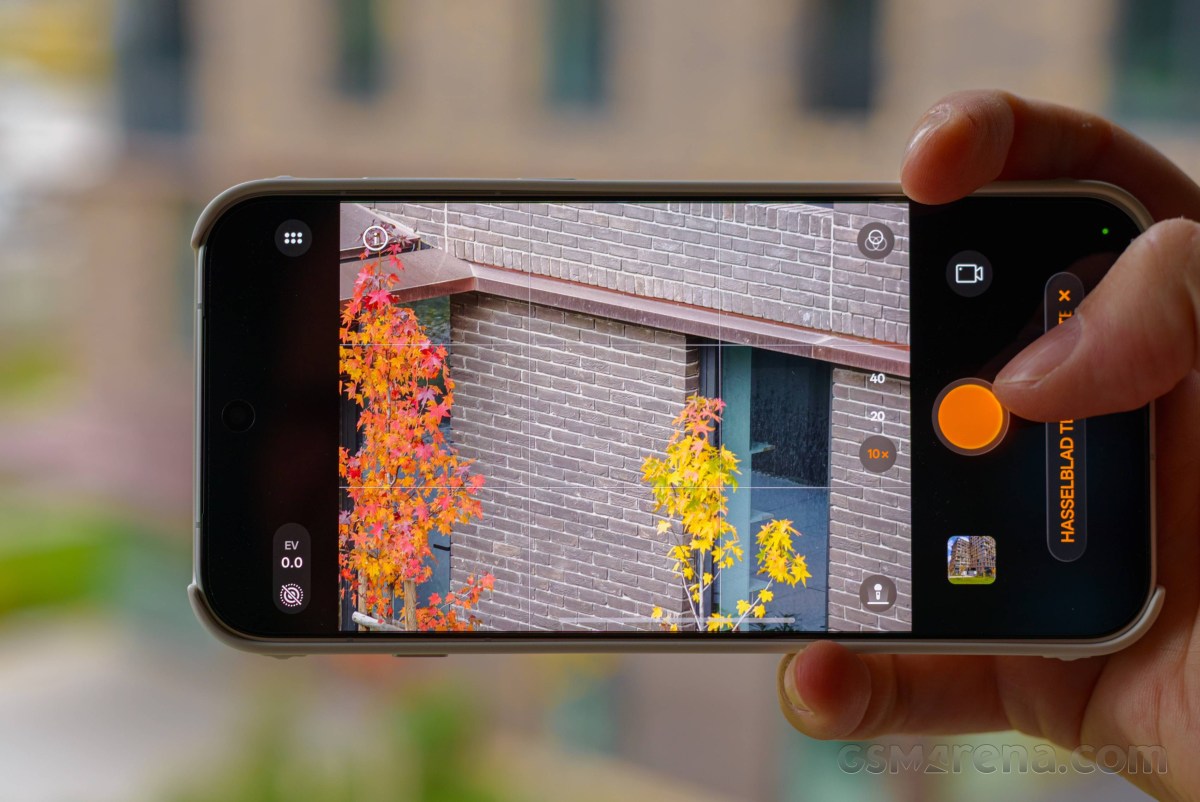
At its core, the Hasselblad Teleconverter Kit is designed to drastically extend the optical reach of the Find X10 Pro Max’s native telephoto system. The assembly utilizes a robust metal mounting plate that bayonets onto a specialized, thick protective case. Once locked into position, the teleconverter applies a 3.28x magnification multiplier over the smartphone’s native 70mm equivalent telephoto lens. This integration yields an impressive 230mm equivalent focal length, translating to roughly a 10x zoom factor when compared against the primary 24mm wide-angle camera.
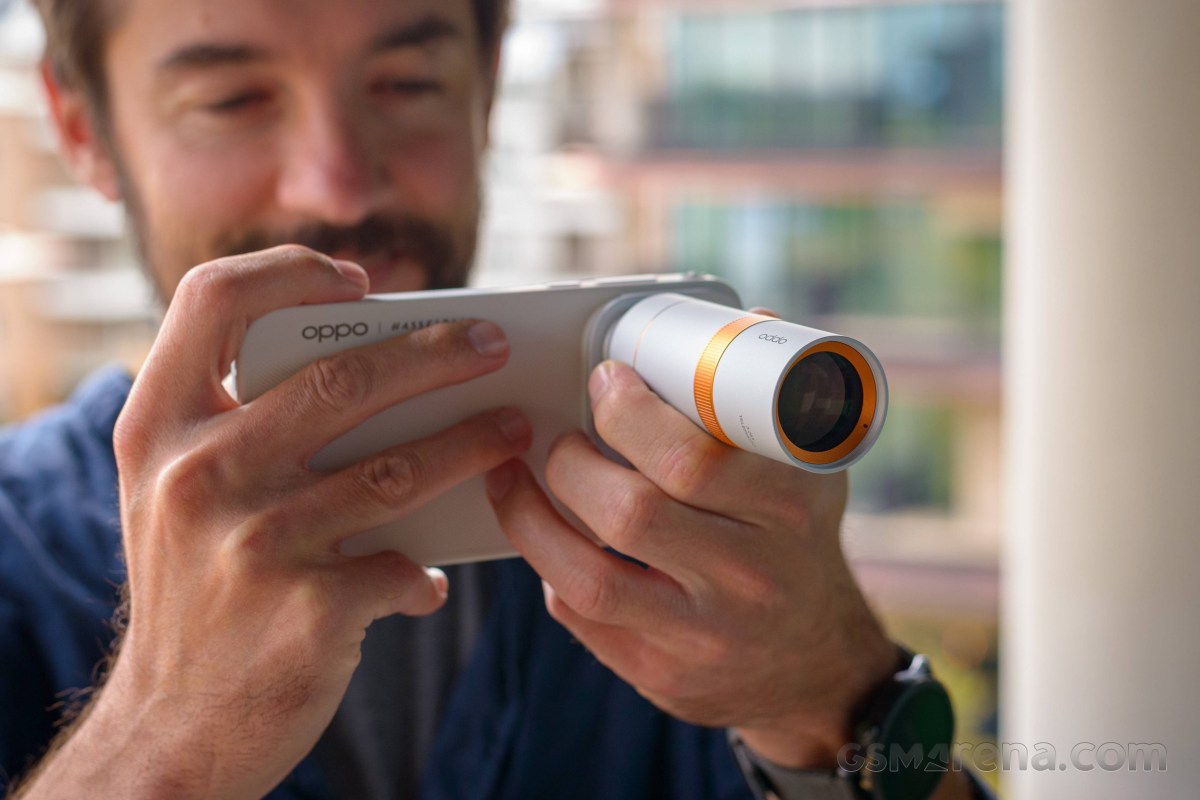
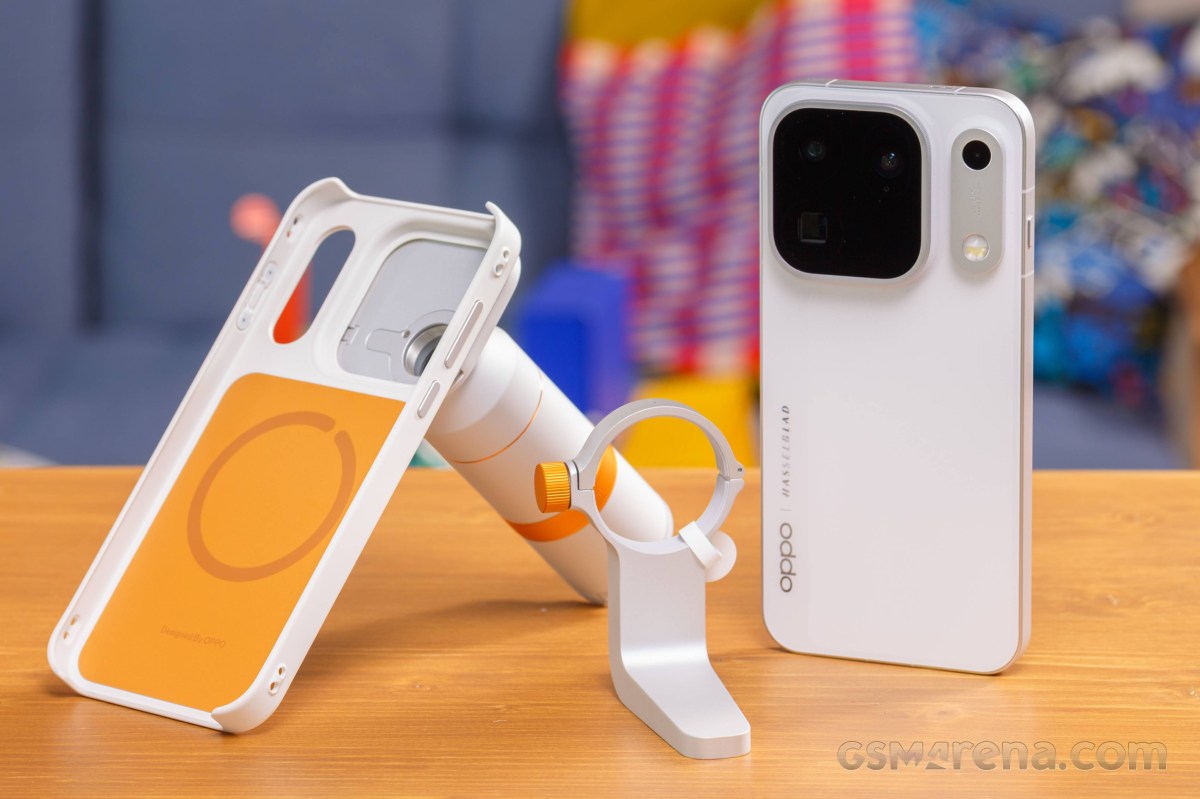
Despite carrying over much of its conceptual DNA from the preceding Find X9 Pro generation, the hardware has undergone subtle structural refinements. Weighing in roughly 6 grams lighter than its predecessor for the lens element alone, the entire aggregated assembly—including the protective case, metal mounting plate, teleconverter lens, and front lens cap—tips the scales at 216 grams. This represents a minor 3-gram increase over the X9 Pro counterpart, largely attributable to the thicker, more robust build of the protective case shell.
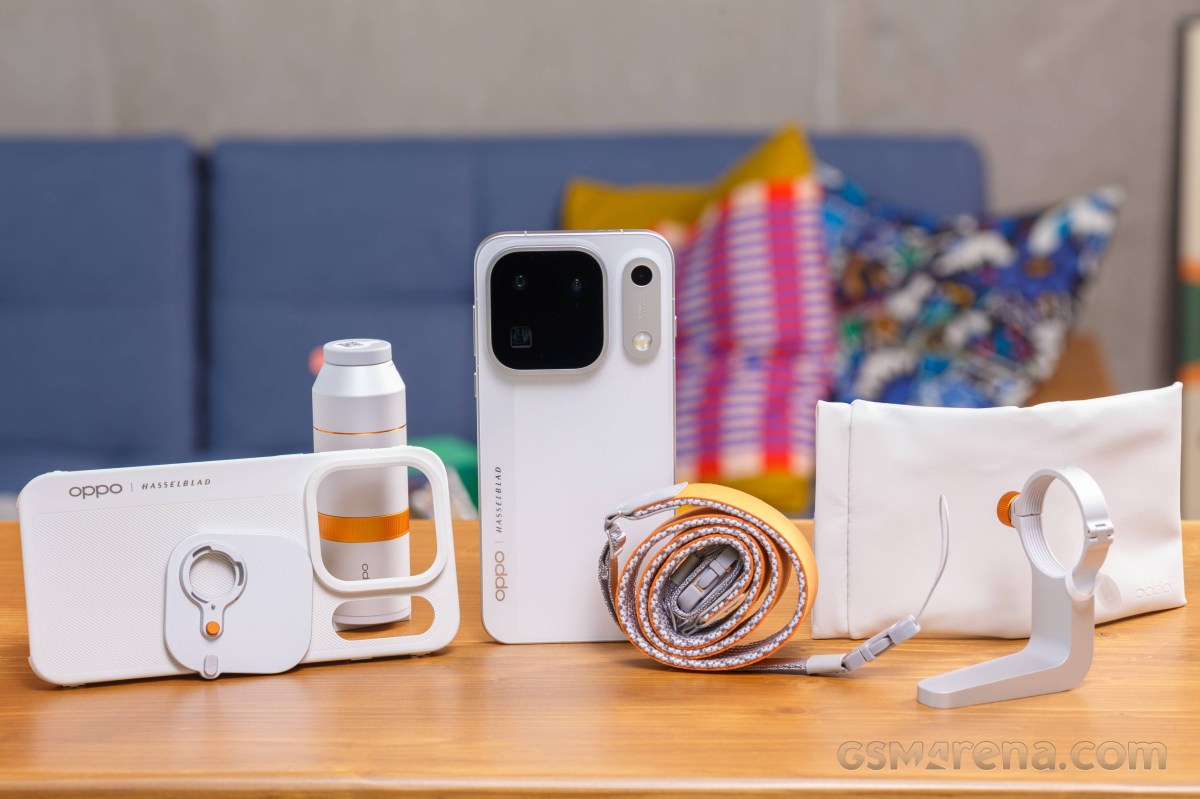
However, the hardware implementation is not entirely without ergonomic friction. The sliding metal plate requires considerable physical force to mount, rendering the secondary security latch functionally redundant, though it may break in over time with extended use. Furthermore, the bayonet mount exhibits a negligible degree of play. Because the metal mounting plate spans the width of the camera island, it completely obstructs the ultra-wide and primary wide-angle sensors. Consequently, users cannot simply pop off the lens element to snap a quick wide-angle shot; the entire plate must be detached.
Software integration also mirrors the previous generation’s limitations. The system operates strictly as an independent camera mode rather than a toggleable feature accessible within standard shooting interfaces. While this mode accommodates both high-resolution still photography and video recording, it precludes the use of the device’s comprehensive Pro mode unless users are willing to contend with an inverted viewfinder.
Chronology: Evolution of the Mobile Teleconverter Concept
The journey toward modular telephoto attachments in consumer smartphones has accelerated rapidly over recent product cycles, defined by intense competition between major industry rivals.

The Foundation (Previous Generation)
The groundwork for modular telephoto accessories was laid by the introduction of the Find X9 Pro ecosystem. During this initial phase, manufacturers established the framework of using bayonet-mounted lens extenders coupled with dedicated protective casings. While groundbreaking in its delivery of true optical magnification, the X9 Pro iteration suffered from noticeable mechanical stability issues, heavier specialized tripod collars (72g), and rigid software restrictions that treated external optics as closed-loop systems.

Refinement and Release (Current Generation)
Weeks prior to releasing comprehensive image samples, Oppo officially debuted the unboxing and hardware architecture of the Find X10 Pro Max Hasselblad Teleconverter Kit. Engineers optimized several physical pain points identified in the previous generation:

- Tripod Collar Optimization: Streamlined and reduced in weight from 72g down to 64g, minimizing overall rig heft while maintaining robust stabilization support.
- Chassis Stability: The internal tolerances of the bayonet and rail mechanism were tightened, producing a noticeably more rigid overall assembly despite the persistence of slight mechanical play.
- Software Continuity: The firmware maintained the dedicated mode architecture, ensuring stable image processing pipelines specifically calibrated for the 230mm optical profile.
Supporting Data: Quantitative Performance and Image Quality Analysis
To evaluate whether the physical compromises of the Hasselblad Teleconverter Kit are justified, performance metrics across daylight, macro, portrait, and low-light scenarios provide vital empirical insights.

Daylight and Resolution Metrics
When operating within the dedicated teleconverted mode, the Find X10 Pro Max captures images at a fixed 12.6-megapixel resolution (4096 x 3072 pixels).

- 10x Zoom (230mm Equivalent): Images captured at this baseline present exceptional corner-to-corner sharpness and high fidelity in fine detail.
- 20x Zoom (460mm Equivalent): Pushing the sensor further yields solid results, particularly on architectural subjects featuring geometric, straight lines where structural contrast aids phase-detection and multi-frame synthesis. Random organic details, such as distant foliage, show a mild dip into moderate territory.
- 40x Zoom (920mm Equivalent): Operating at an extreme 920mm focal length introduces predictable softness, yet the resulting files remain surprisingly usable for field scouting and emergency reconnaissance shots.
Close-Ups and Macro Performance
The minimum focusing distance stands at approximately 116 centimeters from the physical body of the smartphone, or roughly 105 centimeters measured from the front element of the teleconverter lens. While this restricts true ultra-macro capabilities, it affords photographers the ability to isolate subjects with a shallow depth of field and pronounced subject separation, wrapped in a pleasing natural roll-off.

Portrait Limitations
Despite favorable background compression, the 230mm equivalent focal length presents distinct challenges for traditional portraiture. While subjects remain sharply defined, complex, busy backgrounds retain their distracting elements. Furthermore, out-of-focus specular highlights fail to render in ideal geometric circles, suggesting that the teleconverter is optically optimized for architecture, wildlife, and landscape details rather than intimate portraiture.

Low-Light and Night Performance
In challenging illumination, the teleconverter kit demonstrates robust performance. The optical configuration maintains high light-gathering efficiency ($f/2.1$ aperture), allowing the sensor to resolve distant architectural facades—down to individual bricks and mortar lines—and distant signage in dim environments with restrained noise reduction artifacts.

Official Responses and Industry Perspectives
The competitive landscape for modular mobile optics is currently dominated by a high-stakes race between Oppo and Vivo. Industry analysts note distinct philosophies shaping the two ecosystems:

- Vivo’s Ecosystem Approach: Competitor solutions have trended toward broader cross-device compatibility, featuring lenses that seamlessly pair across multiple smartphone models within a brand’s portfolio. Vivo’s attachment mechanisms also lean toward lower mechanical resistance and more intuitive software toggles.
- Oppo’s Optical Fidelity Stance: While conceding ground on universal hardware compatibility and attachment fluidity, Oppo representatives and independent reviewers emphasize that the raw optical performance delivered by the Hasselblad-branded glass remains top-tier. The collaborative tuning between Oppo’s computational imaging engine and Hasselblad’s color science ensures that chromatic aberration is minimized and contrast reproduction mimics traditional photographic standards.
Implications: Market Viability and the Future of Modular Mobile Optics
The commercial and functional realities of the Oppo Find X10 Pro Max Hasselblad Teleconverter Kit point to a shifting paradigm in how high-end mobile consumers view photography accessories.

The Practicality Dilemma
Carrying a dedicated secondary optical system fundamentally alters the user experience. The necessity of managing a bulky protective case, a stubbornly fitted mounting plate, and a finicky pinch-style front lens cap means the accessory is rarely carried for spontaneous street photography. Operating a 230mm or 460mm rig in public spaces—such as scanning a venue or framing a distant subject—draws undeniable attention, challenging the discrete nature traditionally associated with smartphone usage.

Value Proposition and Pricing Strategy
At full retail price, dedicated teleconverter kits occupy a niche luxury space that appeals strictly to mobile photography purists and enthusiasts demanding DSLR-like reach in a pocketable ecosystem. However, industry trends indicate that bundling these accessories with flagship device purchases at discounted rates significantly shifts the consumer value equation.

Ultimately, the Oppo Find X10 Pro Max Hasselblad Teleconverter Kit successfully delivers on its primary technical promise: providing unprecedented optical reach and stunning clarity without relying solely on aggressive digital upscaling. While mechanical quirks and software isolation remain areas ripe for future engineering iteration, the kit stands as a testament to the ongoing blurring of lines between traditional dedicated camera systems and advanced mobile computational hardware.