








B2B SaaS businesses achieve an average ROI of 702% from SEO, a staggering statistic that keeps search engine optimization at the top of the priority list for marketing leaders. However, a significant disconnect remains: while the financial potential is clear, most teams are still relying on a SaaS SEO tool stack built for a bygone era of search.
For marketing teams that haven’t revisited their tech stack in the last three years, the time for an audit is now. The tools that powered growth during the pandemic may no longer suffice in an environment where visibility in AI-generated answers is becoming just as critical as a first-page ranking on Google.

The Evolution of Search: Why Yesterday’s Tools Are Failing
The primary mission of SEO for SaaS has always been complex. Unlike e-commerce, where the path to purchase is relatively linear, a SaaS company must simultaneously educate buyers at every stage of the funnel while competing for visibility against authoritative software aggregators like G2 and Capterra.
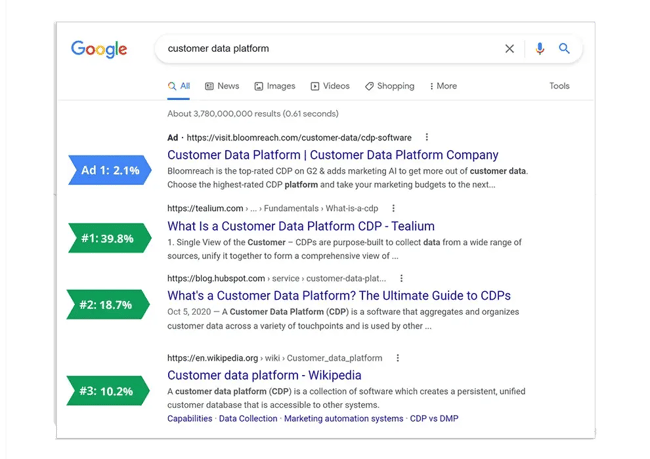
The "search reality" has shifted. Data indicates that after the top three results on the first page of Google’s SERP, click-through rates (CTR) drop into the single digits. In most SaaS categories, ranking outside the top three is effectively the same as being invisible. Furthermore, the rise of Answer Engine Optimization (AEO)—where AI tools like ChatGPT, Perplexity, and Google’s AI Overviews provide answers without a traditional click—has fundamentally altered the value of organic traffic.
The Shift Toward Data-Driven Workflows
Modern SEO tools are no longer just for keyword tracking; they are sophisticated platforms designed to replace gut-instinct marketing with automated, data-backed workflows. Without dedicated tooling, teams often struggle to connect organic traffic to actual revenue. High-growth companies are now shifting toward integrated platforms that bridge the gap between "rankings" and "realized pipeline."
Essential Features for a Modern SaaS SEO Stack
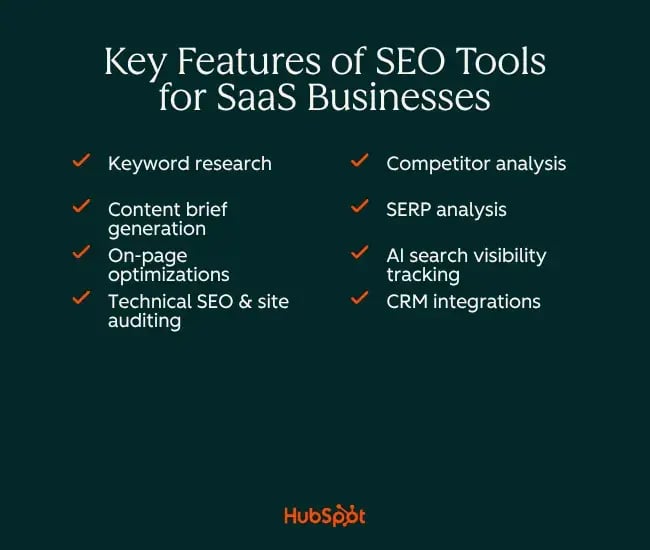
Before a SaaS team invests in a new suite of tools, they must identify which features are necessary to survive in an AI-dominated landscape. We have categorized the 13 essential tools based on five core pillars:
1. Keyword Research and Competitive Intelligence
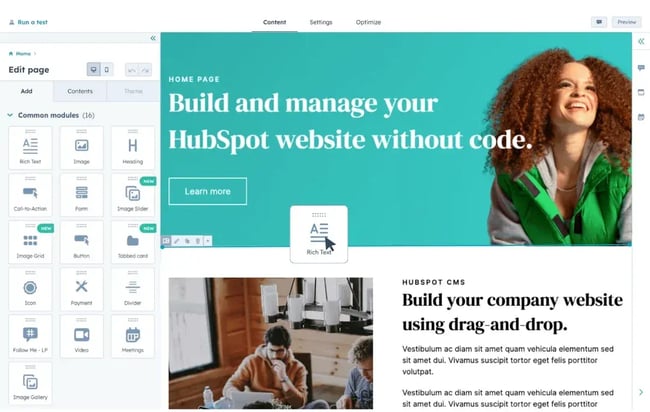
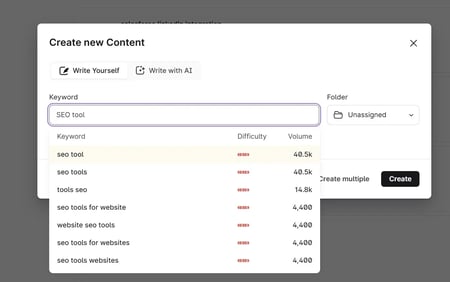
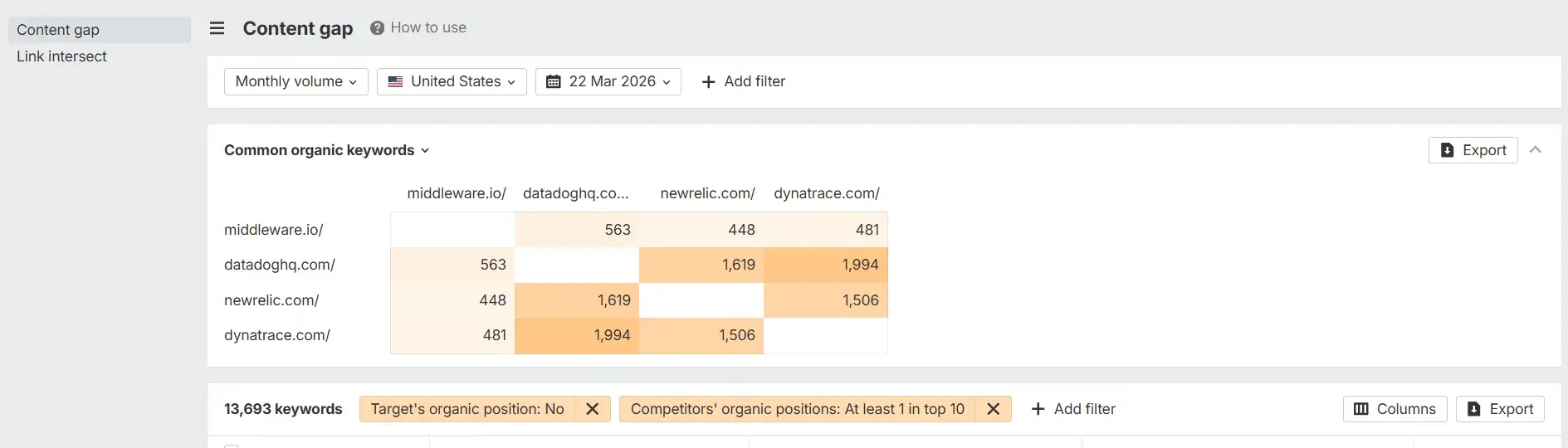
For SaaS, keywords are not just about search volume; they are about intent. Tools must help teams map search behavior across the entire buyer journey. This requires identifying market gaps and understanding why competitors rank where they do.
2. Technical SEO Auditing
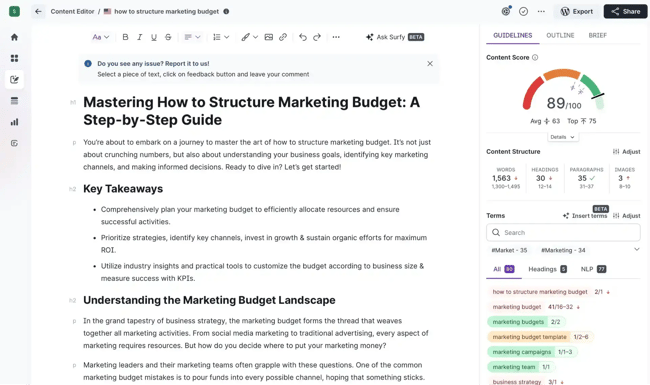
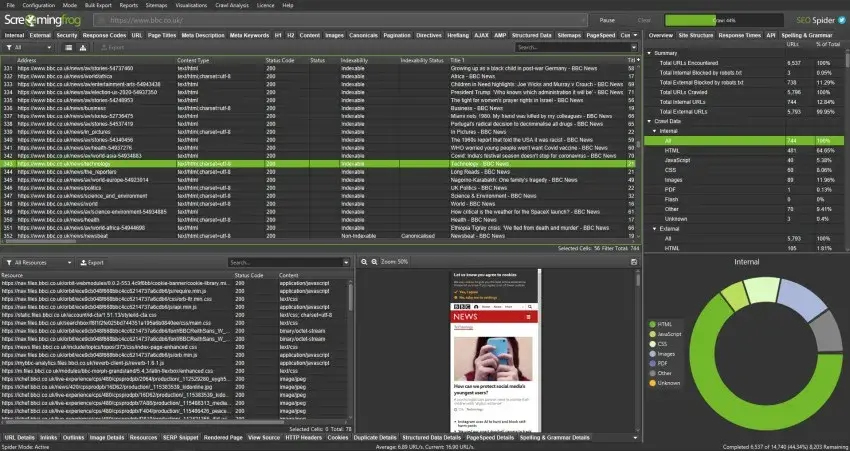
SaaS websites are notorious for "technical sprawl." As product pages multiply and subdomains expand, sites often suffer from indexation issues or slow page speeds. An effective tool must offer automated crawling that prioritizes fixes based on potential impact.
3. On-Page Content Optimization
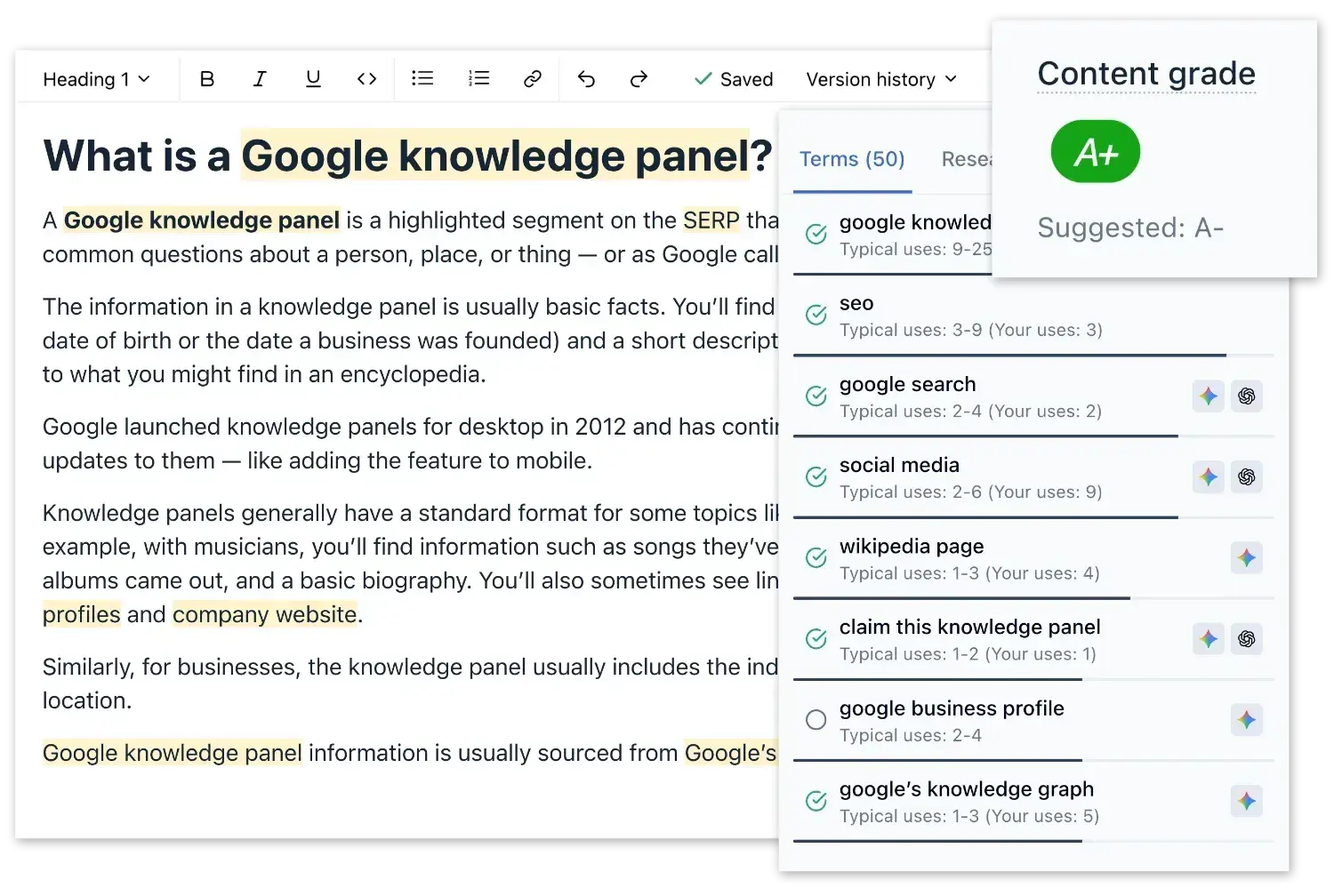
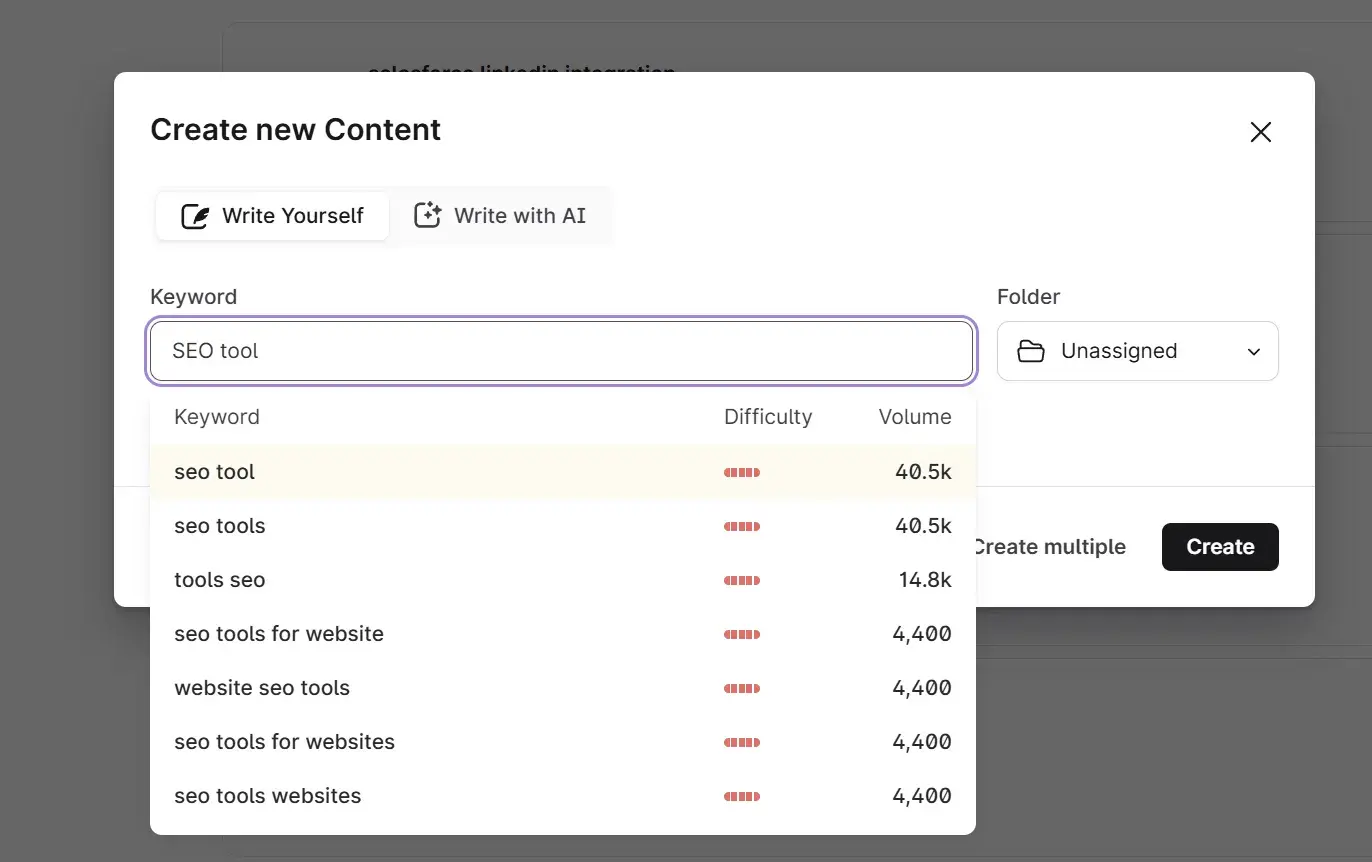
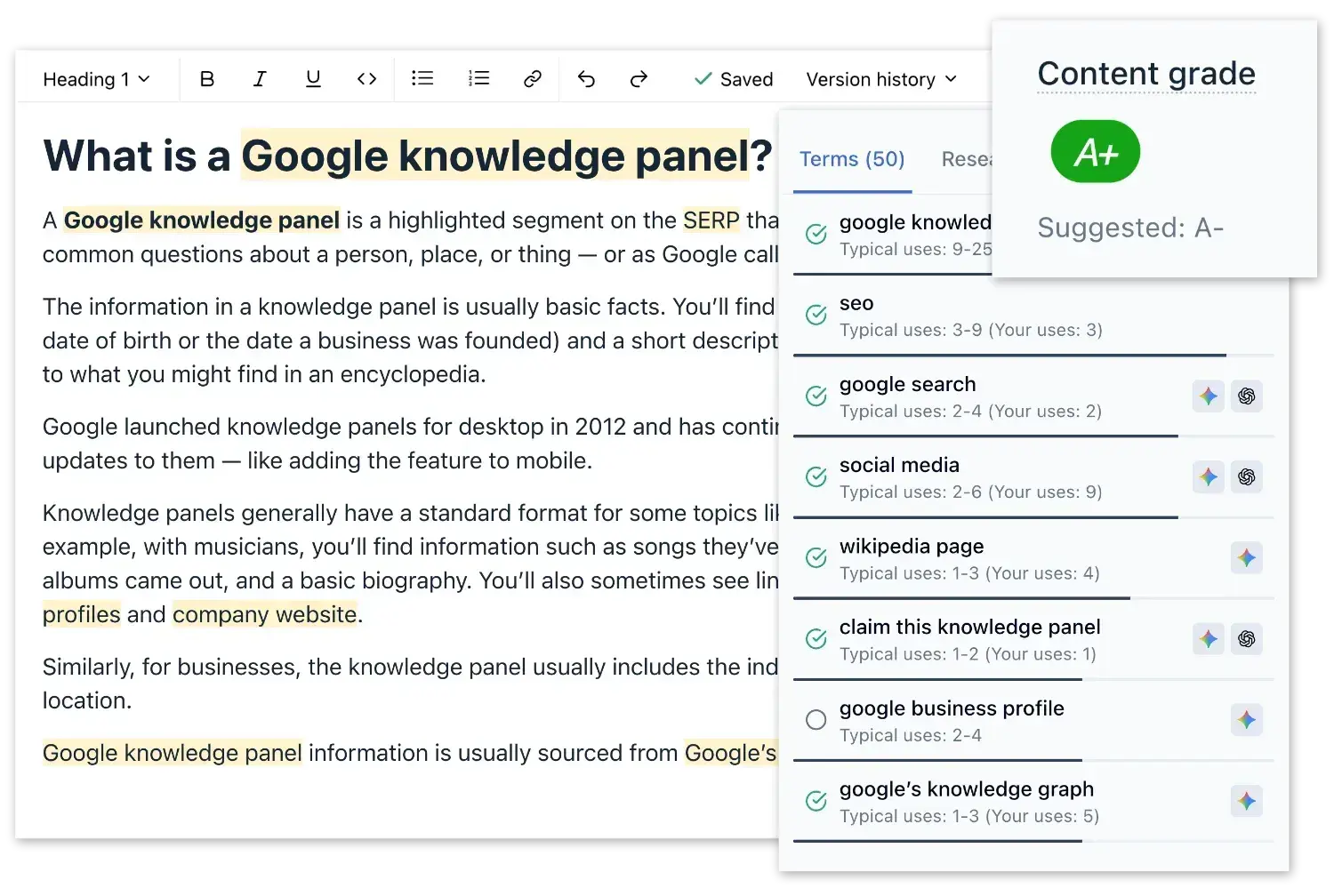
Scaling content production requires consistency. Tools that offer real-time scoring, semantic term suggestions, and automated briefing ensure that every piece of content is optimized for both human readability and machine parsing.
4. AI Search and AEO Visibility
Answer Engine Optimization (AEO) is the new frontier. SaaS brands that do not optimize their content for AI models to surface as definitive answers risk losing their position as the "source of truth" in their category.
5. Reporting and CRM Integration
The ultimate test of SEO is revenue attribution. Tools must integrate directly with CRMs (like HubSpot or Salesforce) to prove that organic traffic is converting into trials and closed revenue.
13 Tools for the Modern SaaS Stack
| Tool | Primary Category | Best For |
|---|---|---|
| HubSpot AEO Grader | AI Search Visibility | Benchmarking AI visibility vs. competitors |
| Marketing Hub | SEO & CRM Platform | Unifying SEO, attribution, and CRM |
| Content Hub | Content SEO | Embedding SEO into writing workflows |
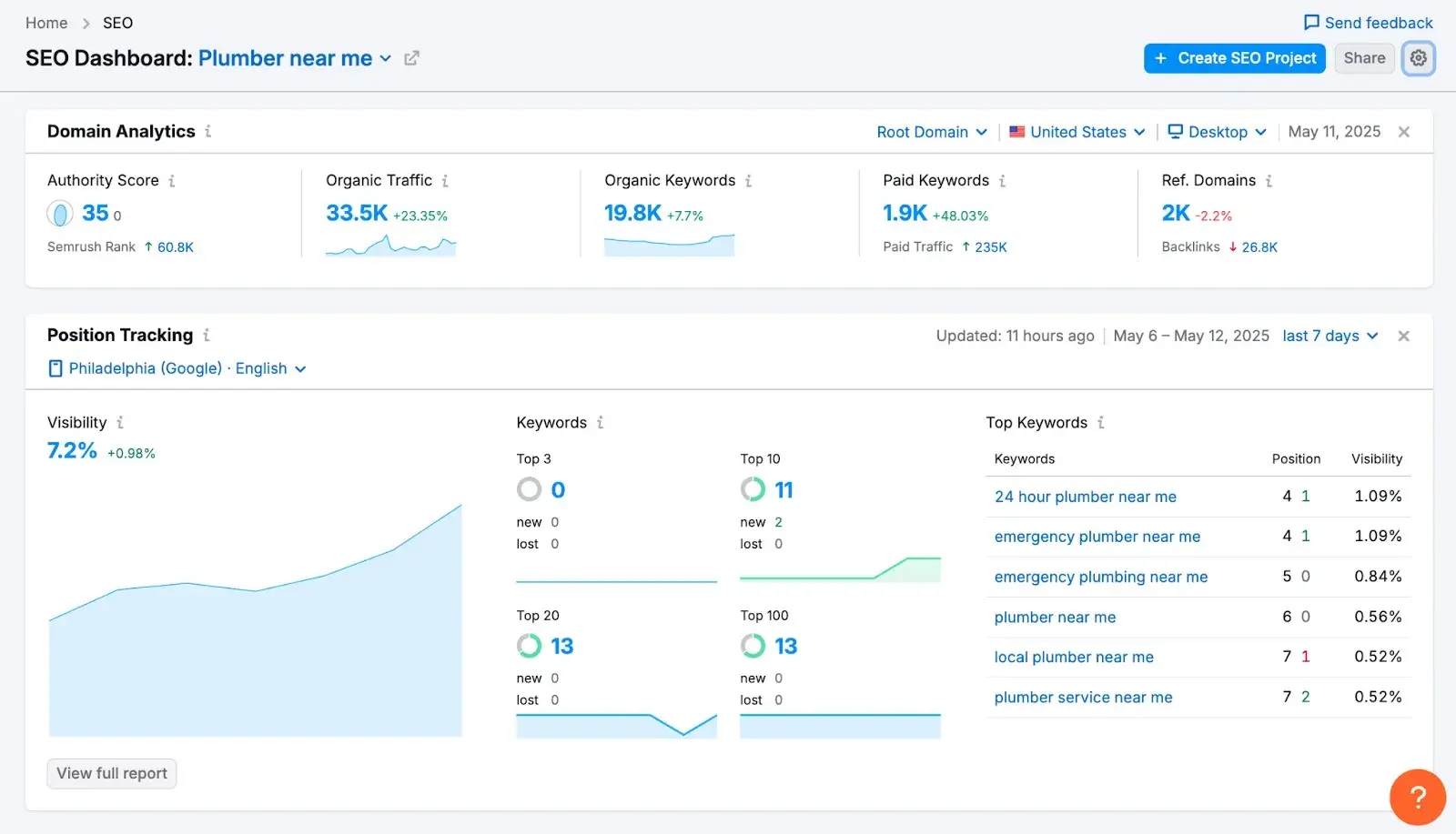
| Semrush | Research & Auditing | All-in-one competitive intelligence |
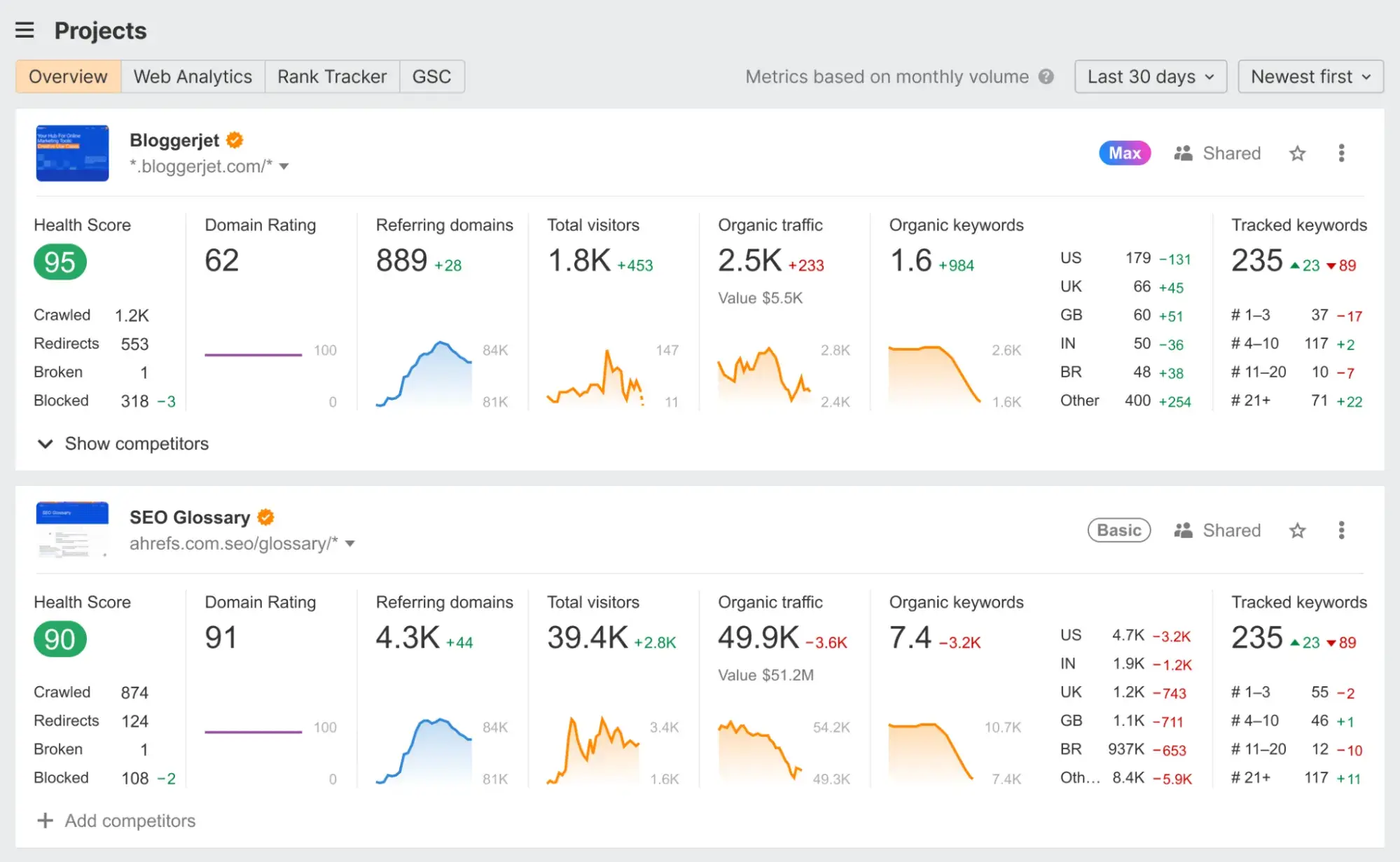
| Ahrefs | Backlink Analysis | Deep backlink and traffic estimation |
| Screaming Frog | Technical SEO | Granular site crawling |
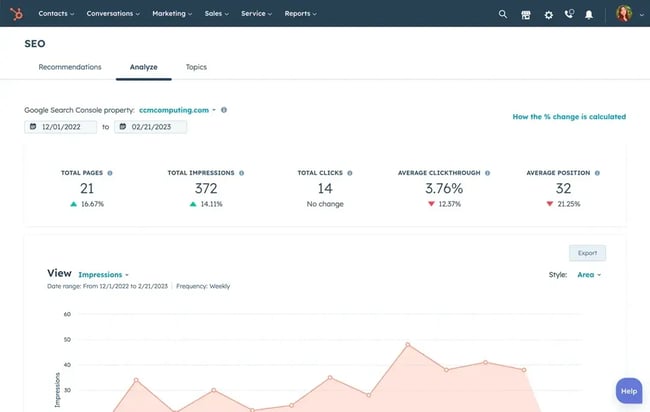
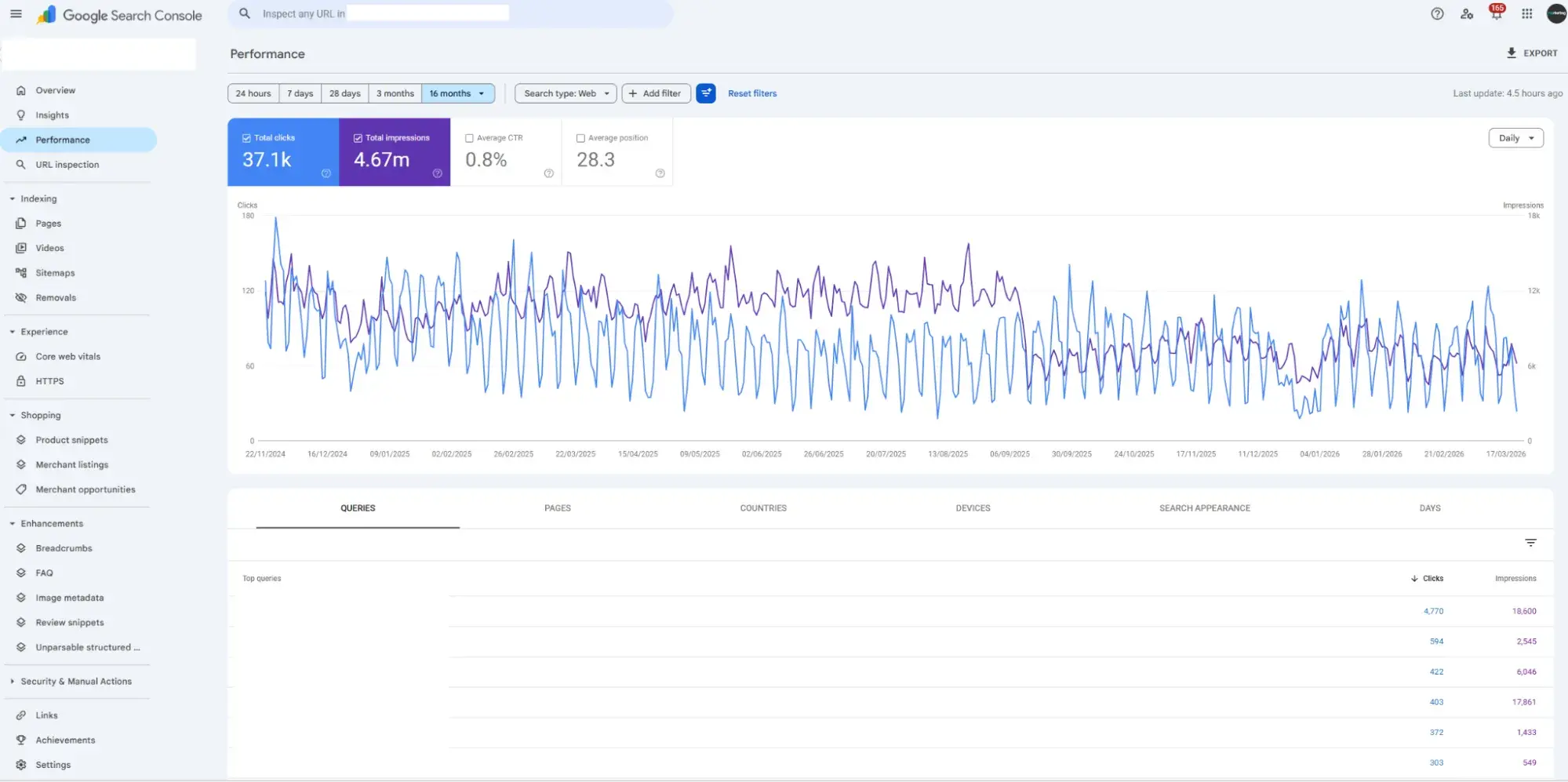
| Google Search Console | Search Performance | Essential first-party data |
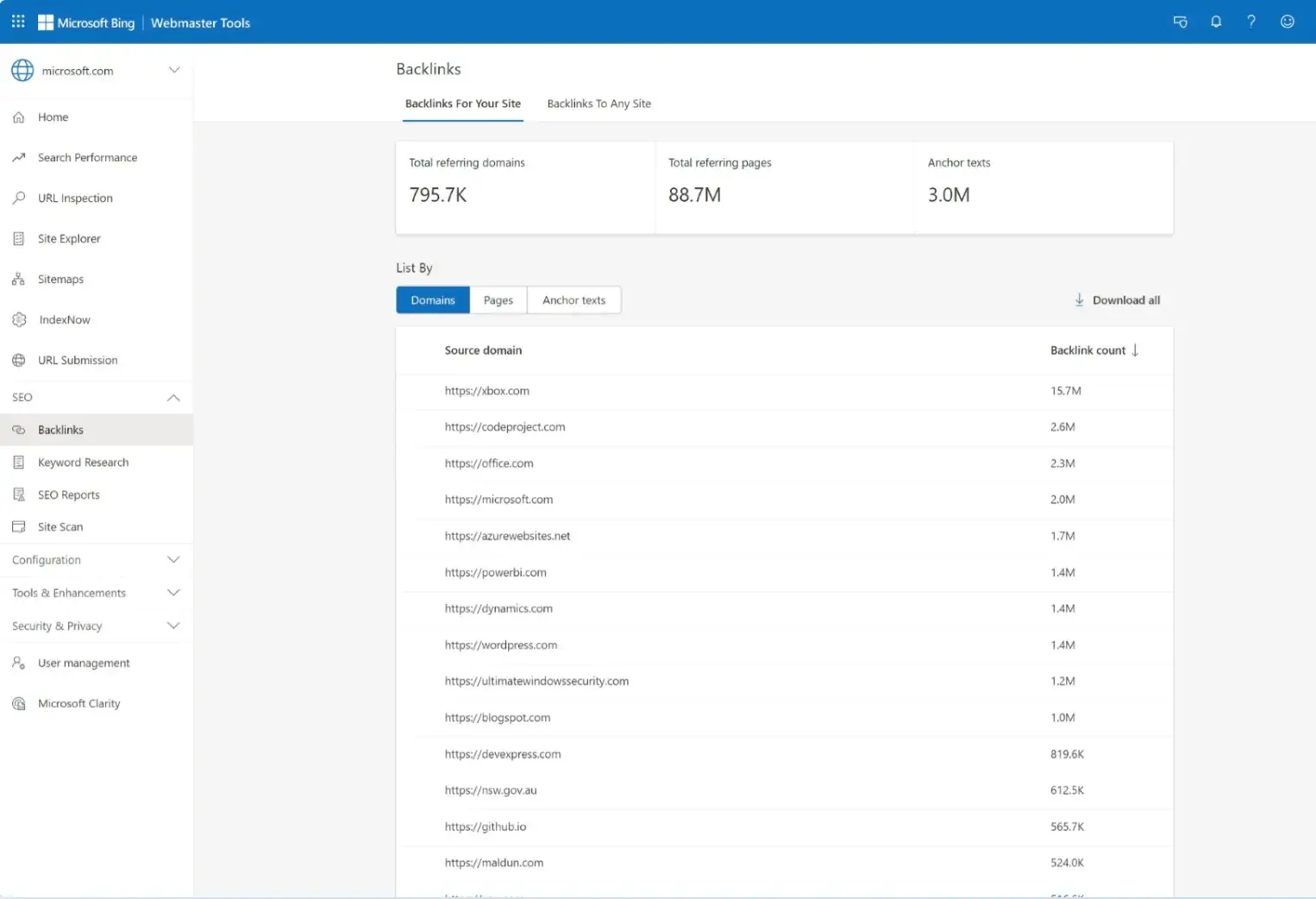
| Bing Webmaster Tools | AI Monitoring | AI citation data |
| Surfer SEO | On-Page Optimization | Data-backed content briefs |
| Clearscope | Content Grading | Large library term coverage |
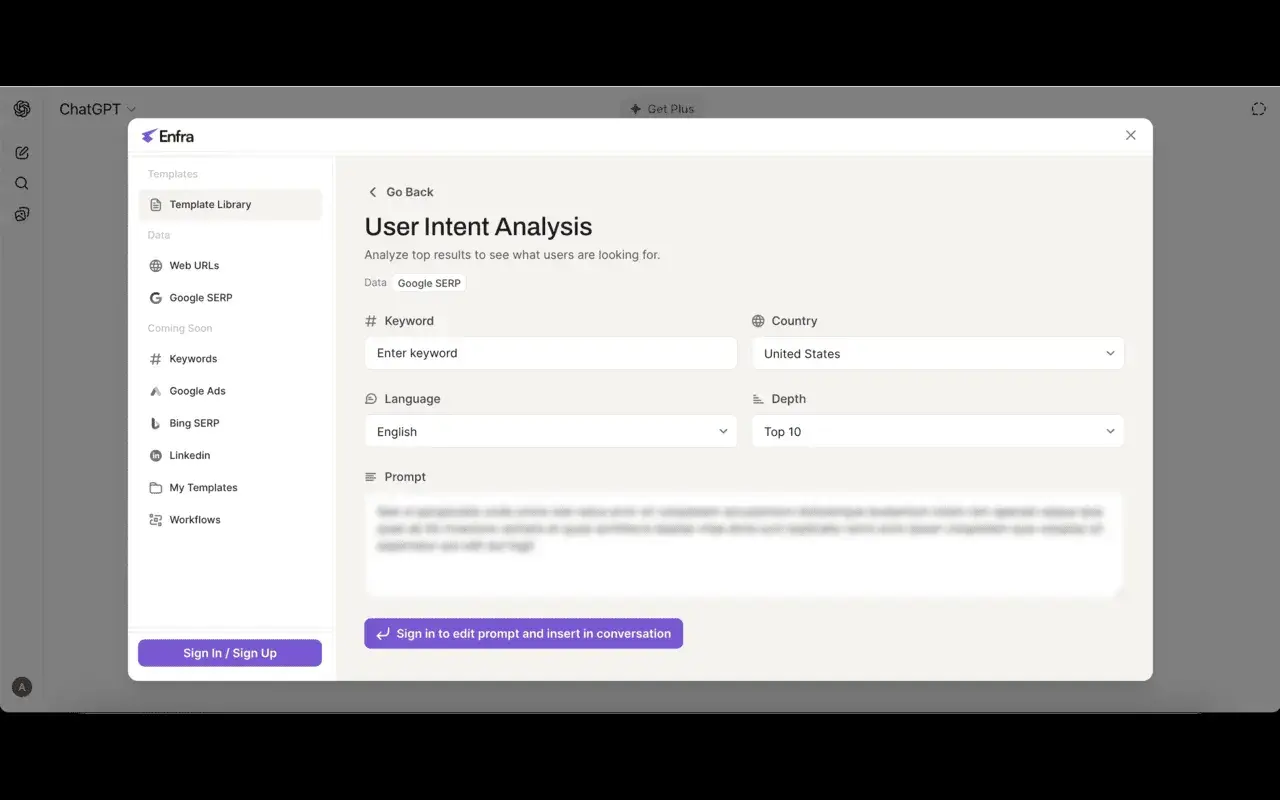
| Enfra Extension | AI Workflow | Grounding AI in live SERP data |
| Link Whisper | Internal Linking | Automated WordPress linking |
| Yoast SEO | On-Page Fundamentals | Lightweight WordPress SEO |
Implications for Growth and Revenue
The most successful SaaS marketing teams are those that can present SEO performance in business terms. When an SEO specialist can demonstrate how a specific keyword strategy directly contributed to a "closed-won" deal, their budget becomes protected from cuts.
The Rise of AI-First Strategy
As AI search continues to reshape the SERP, the role of the SEO professional is evolving. The focus is shifting from "getting clicks" to "being cited." Brands that utilize the HubSpot AEO Grader to monitor how they appear in ChatGPT or Perplexity are gaining a significant first-mover advantage. By identifying how these models characterize their brand, they can adjust their messaging and structured data to ensure they remain the preferred answer.
Managing Technical Debt
Large SaaS companies often neglect technical SEO in favor of content production. However, as noted in recent technical audits, even the most brilliant content strategy will fail if the site architecture prevents crawlers from indexing the pages. Tools like Screaming Frog allow technical leads to diagnose these issues, ensuring that the "foundation" of the house remains stable while the content "renovations" continue.
Expert Insight: Building Your Stack
Not every team needs the most expensive suite on the market. A solo marketer or a two-person team should focus on "stack consolidation." By using platforms like Marketing Hub, teams can keep their CRM, content, and SEO data in one place, which prevents the "data silos" that often hinder smaller organizations.
Conversely, teams of 10 or more require specialized tools. At this scale, Ahrefs for competitive backlink research and Clearscope for enterprise-level content grading become invaluable. The goal is to create a seamless hand-off between researchers, writers, and technical developers.
Conclusion: From Guesswork to Growth
The transition from an era of "gut-feeling" SEO to "data-validated" SEO is non-negotiable for SaaS companies aiming for sustainable growth. By integrating technical audits, AI visibility tools, and direct CRM attribution into a unified workflow, marketing teams can stop treating SEO as a cost center and start treating it as a revenue-generating engine.
The right stack does not just provide data; it provides a roadmap. As search engines continue to prioritize AI-driven answers and intent-based discovery, the teams that adapt their tooling today will be the ones that dominate their categories tomorrow. Start by auditing your current stack—if you are still relying on tools that don’t account for AI search, your competitors are already ahead.