







The JavaScript ecosystem is currently experiencing a period of profound introspection and rapid innovation. As the lines between runtime environments blur and the integration of AI-driven development tools becomes the industry standard, developers are forced to reconsider the fundamental trade-offs between innovation and compatibility. This shift is underscored by recent debates surrounding Deno’s strategic pivot, the rise of specialized agentic coding harnesses, and the maturation of cross-platform UI frameworks.
1. Main Facts: The "Gravity Well" of Compatibility
The central narrative defining the current state of JavaScript is the tension between original architectural vision and the pragmatic necessity of ecosystem compatibility. Ryan Dahl, the creator of Node.js and Deno, recently sparked a vigorous discussion on Hacker News by observing that Deno has been increasingly "sucked into the gravity well of Node compatibility."
This observation highlights a recurring theme in software engineering: the "compatibility trap." While Deno was initially conceptualized as a clean-slate alternative to Node.js—addressing its predecessor’s security and module resolution shortcomings—the reality of the modern web is that the vast majority of existing infrastructure relies on the Node.js API surface. Dahl’s rhetorical question, "Why reimplement Node? It works," acknowledges that for Deno to reach mass adoption, it must meet developers where they are, even if that means abandoning some of its original, purist design goals.
Simultaneously, the legal landscape remains a wildcard. As the community discusses these technical shifts, the ongoing JavaScript trademark case looms in the background, serving as a reminder that even the most technical ecosystems are subject to the complexities of intellectual property and corporate stewardship.

2. Chronology of Recent Developments
The past few weeks have been particularly active for the JavaScript community, characterized by significant releases and strategic shifts:
- Early October 2026: Remix v3 is officially released, marking a major milestone for the framework as it navigates a post-React architectural landscape.
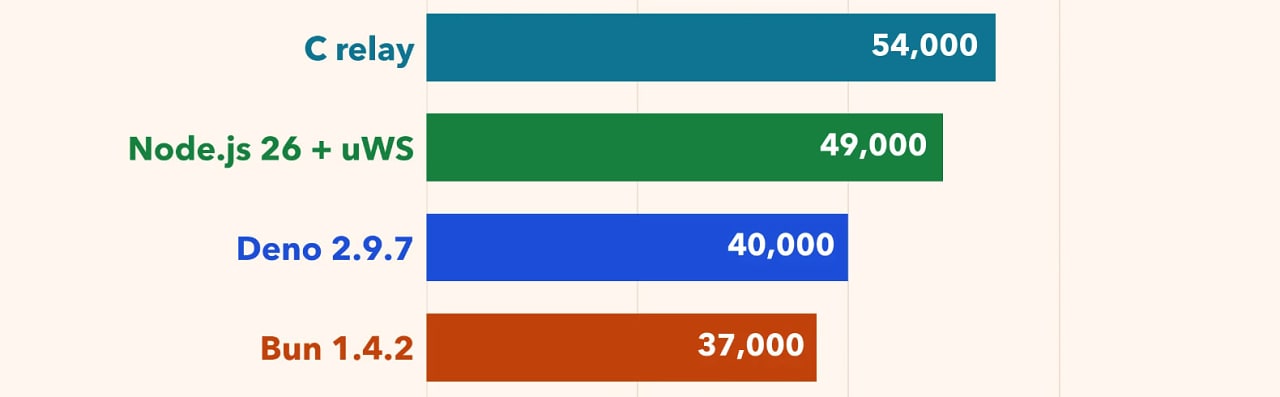
- October 10, 2026: Daniel Lemire publishes a comprehensive analysis of WebSocket server performance across Node.js, Bun, and Deno, providing a benchmark for the current state of runtime efficiency.
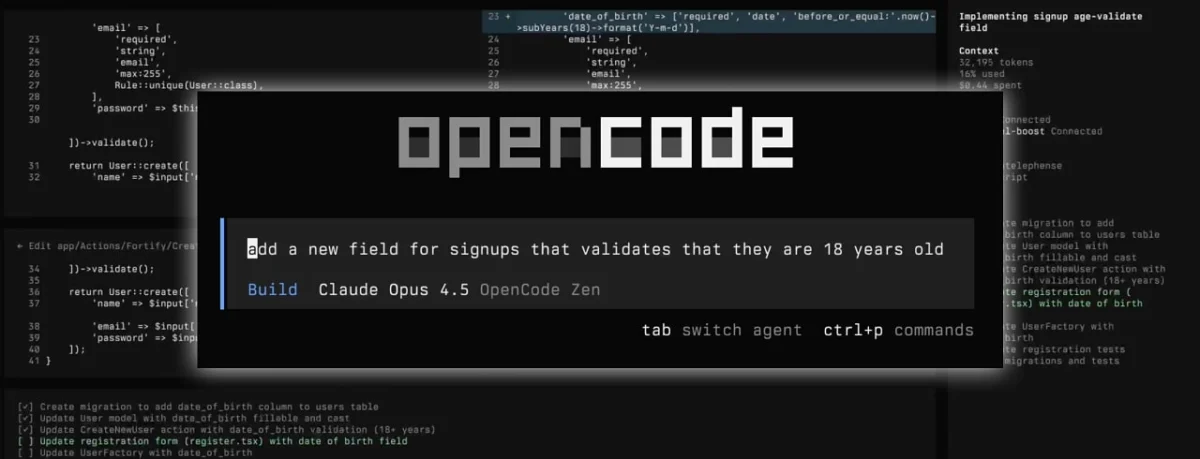
- Mid-October 2026: OpenCode 2.0 launches, representing a significant leap forward for agentic coding tools. The update introduces background subagents and a "code mode" that allows LLMs to script MCP (Model Context Protocol) tool calls.
- Mid-October 2026: Tamagui 3 hits the market, bringing Tailwind-style props and React Strict DOM support to its cross-platform UI toolkit.
- Ongoing: The rise of specialized coding harnesses—such as CodeAF—continues to gain momentum, with benchmarks showing significant cost-efficiency gains in solving real-world GitHub issues compared to established players like Claude Code.
3. Supporting Data: The Rise of Agentic Coding
The shift toward AI-assisted development is no longer just a trend; it is now a measurable phenomenon. New benchmarks for coding harnesses have emerged, comparing how different systems manage real-world GitHub issues.
According to data from AgentField AI, the "CodeAF" harness has set a new standard for efficiency. In a study involving 113 real-world GitHub issues, CodeAF outperformed competitors by a significant margin. Specifically, it was found to be 3.4x more cost-effective than Claude Code and 4.8x more efficient than OpenCode.
This data is crucial for engineering managers and CTOs who are looking to integrate AI into their CI/CD pipelines. The cost-per-issue-solved is becoming a primary KPI for teams deploying agentic workflows. As these tools mature—exemplified by the release of OpenCode 2.0—the industry is moving away from simple "chat with code" interfaces toward full-featured agents capable of complex, multi-step problem solving.

4. Official Responses and Community Sentiment
The community response to these changes has been divided but largely constructive.
The Runtime Debate
Ryan Dahl’s comments on Hacker News resonated with a large segment of the developer community who have grown weary of the fragmentation caused by competing runtimes. While Deno’s pivot toward Node.js compatibility is viewed by some as a compromise, others view it as a pragmatic evolution. The consensus appears to be that a "perfect" runtime is less valuable than one that allows developers to run their existing codebases without modification.
The UI and Framework Ecosystem
In the UI space, the reception of Tamagui 3 has been overwhelmingly positive. Nate Wienert’s focus on bridging the gap between web and native React development addresses one of the biggest "pain points" for modern startups: the need for a unified design system that doesn’t sacrifice performance. By incorporating React Strict DOM and Tailwind-style props, Tamagui 3 demonstrates a commitment to developer ergonomics that aligns with current industry preferences for high-performance, maintainable styling solutions.
5. Implications for the Future
The current landscape suggests three major implications for the future of JavaScript:
A. The Commodity of Runtimes
We are entering an era where the underlying runtime (Node, Bun, or Deno) is becoming a commodity. As these environments converge on common APIs, the differentiator will no longer be "how it runs," but rather the developer tooling, security features, and ecosystem integration provided by the environment. The focus is shifting from "how to build" to "how to ship" with AI assistance.
B. The AI Agent Maturity Curve
The jump from OpenCode 1.0 to 2.0 signals that coding agents are entering their second generation. The inclusion of background subagents and the ability to script tool calls suggest that we are moving toward "autonomous engineering." These agents are becoming less like autocomplete tools and more like junior developers capable of navigating complex dependency graphs and executing tasks across multiple repositories.
C. The Visual and Interactive Web
The open-sourcing of components like those found in the Shaders library (190+ WebGPU effect components) indicates a renewed interest in high-performance visual storytelling on the web. As browsers become more capable of handling complex computations, we should expect a surge in sophisticated, interactive web experiences that were previously only possible in native applications.
Conclusion
The JavaScript ecosystem is not dying; it is maturing. While the debate regarding the "gravity well" of Node.js compatibility reflects the natural growing pains of a massive, distributed software community, the sheer pace of innovation—particularly in AI agents and cross-platform UI—is unprecedented.
Developers are currently in a "golden age" of tooling, where the ability to solve complex problems is limited less by syntax or environment constraints and more by the ability to orchestrate the right tools. Whether it is through the adoption of new, efficient coding harnesses like CodeAF, or by leveraging the latest UI frameworks like Tamagui 3, the path forward is clear: success in the modern JavaScript ecosystem requires a willingness to embrace these new, agent-driven paradigms while maintaining a pragmatic grip on the infrastructure that keeps the web running.
As we look toward the next year, the industry will likely see a continued consolidation of runtimes, a massive uptick in the deployment of autonomous coding agents, and a push toward even more seamless integration between web and native environments. For the developers building on these platforms, the message is simple: stay adaptable, focus on efficiency, and prepare for a future where the code is written as much by agents as it is by humans.