MUMBAI — When the final whistle echoes across social media in a furious blizzard of WhatsApp messages, viral memes, and real-time hot-takes, modern football transcends the physical boundaries of the pitch. The beautiful game is no longer merely a 90-minute athletic contest watched in hushed, reverential silence; it is an ongoing, multi-platform digital dialogue.
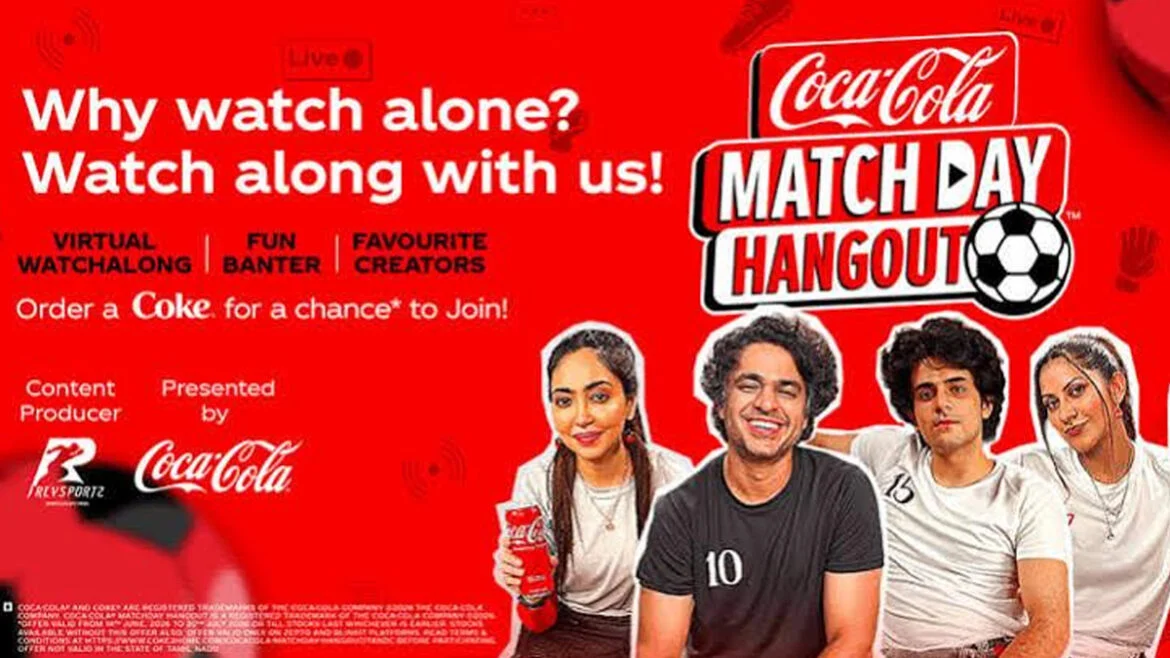
Recognizing this seismic shift in consumer behavior, beverage giant Coca-Cola is aggressively leaning into the intersection of elite sport, digital content creation, and hyper-connected online communities. The brand has pulled back the curtain on Matchday Hangout—an ambitious, creator-driven watch-along experience designed to fundamentally reshape how Indian audiences consume, engage with, and interact around live FIFA World Cup fixtures.
Moving far beyond traditional linear television broadcasts and static billboard sponsorships, the initiative represents a masterclass in modern experiential marketing. By blending high-profile digital influencers, quick-commerce accessibility, interactive live-streaming formats, and high-energy community building, Coca-Cola is positioning itself at the pulsing heart of India’s rapidly expanding football culture.
1. Main Facts: The Anatomy of ‘Matchday Hangout’
At its core, Matchday Hangout is a direct response to the democratization and digitization of sports viewing. Today’s sports consumers—particularly Gen Z and Millennials—do not watch games in isolation. They react instantly to referee decisions, passionately debate tactical formations, swap memes about missed sitters, celebrate every goal as a collective, and build vibrant sub-cultures around every single matchday.
Matchday Hangout deliberately embraces this chaotic, communal energy. It transforms standard football broadcasts into interactive, highly entertaining digital gatherings powered by top-tier creators, real-time audience participation, and unscripted humor.
Key Pillars of the Initiative:
- The Talent Roster: The initiative unfolds across 12 exclusive, nationwide live streams anchored by popular digital creators Rohan Joshi, Sakshi Shivdasani, and Kaashvi Hiranandani.
- Special Guest Appearances: Selected high-stakes matchdays will feature drop-ins from prominent cultural personalities including Zervaan Bunshah, Varun Thakur, and star Indian footballer Dalima Chhibber, injecting professional athletic insight and fresh comedic perspectives into the mix.
- Strategic Partnerships: Developed in close collaboration with premier sports media platform RevSportz, the program bridges rigorous sports journalism with uninhibited creator-led entertainment.
- The Access Mechanism: Abandoning traditional free-to-air models, entry is tied to a seamless quick-commerce loop. Fans who purchase Coca-Cola products via ultra-fast delivery apps like Blinkit or Zepto during designated windows unlock exclusive digital passes to the live sessions.
- The "Sportainment" Convergence: By capping participant numbers for each stream, Coca-Cola is intentionally engineering an intimate, high-engagement environment that mimics a packed living room rather than a sterile public broadcast.
2. Chronology: The Evolution of the Campaign
The journey toward Matchday Hangout did not happen overnight. It is the culmination of years of shifting consumer habits, accelerated by the pandemic-era boom in digital streaming and the explosive growth of quick-commerce infrastructure in metropolitan India.
Phase 1: Identifying the Shift in Fan Behavior (2020–2022)
As traditional television viewership plateaued among younger demographics, sports marketers noticed a profound fragmentation in how matches were consumed. Fans increasingly watched games with one eye on the pitch and the other on Twitter (now X), Instagram Reels, and Discord servers. Live sports were no longer a passive viewing experience; they were an interactive social currency.
Phase 2: The Rise of Quick-Commerce Infrastructure (2023–2024)
Simultaneously, India witnessed a retail revolution led by quick-commerce giants like Blinkit, Zepto, and Instamart. Delivering groceries and beverages within 10 minutes became the urban standard. Coca-Cola recognized an opportunity to tether impulse purchasing directly to live entertainment events, turning the act of buying a beverage into an immediate digital passport.
Phase 3: Conceptualization and RevSportz Collaboration (Mid-2024)
Coca-Cola partnered with digital sports powerhouse RevSportz to design a format that could bridge mainstream football fandom with the irreverent, fast-paced world of internet content creators. The concept of "Matchday Hangout" was finalized—moving away from a top-down broadcast model to a peer-to-peer, creator-hosted watch party.
Phase 4: The Rollout and Live-Stream Schedule (Current Phase)
With the initiative now live, the 12-part streaming series has rolled out alongside high-profile matches. Featuring a rotating cast of comedians, lifestyle creators, and sporting heroes like Dalima Chhibber, the campaign is actively capturing real-time reactions and driving unprecedented levels of digital engagement across India’s urban centers.
3. Supporting Data: The Numbers Behind the Movement
To understand why a global titan like Coca-Cola is investing heavily in creator-led sports streaming, one must examine the hard data governing India’s digital and sporting landscape.
- The Creator Economy Boom: India is currently home to over 80 million active content creators, with the creator economy projected to reach billions in value over the next five years. Brand sponsorships in influencer-led campaigns have seen a year-on-year surge of over 30%.
- Quick-Commerce Penetration: Platforms like Blinkit and Zepto have fundamentally altered urban purchasing patterns. Over 65% of metropolitan consumers now utilize quick-commerce for beverage and snack purchases during major live sporting events like the IPL and the FIFA World Cup.
- The Rise of "Sportainment": According to recent sports marketing research, over 70% of fans aged 14–35 consume supplementary content (highlights, reaction videos, meme pages) alongside or instead of full 90-minute live broadcasts.
- Engagement Metrics: Intimate digital watch parties featuring mid-tier and macro-creators routinely achieve engagement rates (comments, shares, interactive polls) that are 3x to 5x higher than traditional pre-match television studio panels.
4. Official Perspectives and Industry Insights
While Coca-Cola’s overarching vision is clear, the success of Matchday Hangout relies heavily on the synergy between brand marketers, media collaborators, and the creators on the ground.
Industry analysts have praised the campaign for moving beyond tokenistic influencer marketing. Rather than simply asking creators to hold up a bottle of soda on Instagram, Coca-Cola has integrated them as the hosts of the entire viewing ecosystem.
"We are no longer just selling a refreshing beverage; we are curating the environment in which memories are made. Football is inherently social, and Matchday Hangout provides the digital infrastructure for fans to gather, debate, and celebrate just as they would in a packed neighborhood stadium."
— *Insights from Brand Marketing Strategists close to the campaign*
Collaborating partners echo this sentiment. RevSportz noted that blending professional sports commentary with unscripted comedic relief breaks down the intimidating barriers that often alienate casual sports fans. By introducing figures like Indian international footballer Dalima Chhibber alongside lifestyle creators like Rohan Joshi and Zervaan Bunshah, the streams manage to satisfy both hardcore tactical purists and casual entertainment seekers alike.
Furthermore, the integration of gamified rewards—ranging from branded mini-refrigerators and exclusive apparel to collectible merchandise—turns passive viewers into active stakeholders in the broadcast.
5. Strategic Implications for the Future of Sports Marketing
Matchday Hangout is far more than a clever promotional gimmick for a single tournament; it serves as a case study for the future of sports marketing in emerging markets like India.
1. The Death of Passive Advertising
Traditional 30-second television commercials during live sports broadcasts are facing diminishing returns, particularly among younger audiences equipped with ad-blockers, second screens, and streaming controls. Brands can no longer simply rent space around a game; they must embed themselves within the community experience. Coca-Cola’s strategy proves that ownership of the watch party environment yields deeper brand affinity than traditional ad placements.
2. The Fusion of Content and Commerce
By tying digital access directly to quick-commerce transactions (Blinkit and Zepto), Coca-Cola has closed the loop between desire and fulfillment. A fan watching a creator crack open a cold Coca-Cola on stream can order one themselves and have it delivered before halftime. This frictionless path to purchase is likely to become the gold standard for FMCG brands operating in live digital spaces.
3. Redefining Fandom for Diverse Audiences
In a country as culturally diverse as India, football competes with a myriad of domestic and international sports. Programs like Matchday Hangout lower the barrier to entry for the sport. By infusing broadcasts with humor, localized cultural references, and interactive trivia, the initiative broadens the tent, converting casual onlookers into lifelong football enthusiasts.
Conclusion
As the lines between entertainment, technology, and commerce continue to blur, Coca-Cola’s Matchday Hangout offers a vivid glimpse into the future of fandom. By harnessing the authenticity of creators, the speed of quick-commerce, and the universal passion for football, the brand has successfully recreated the electric atmosphere of a crowded living room in the digital ether. In this new era of sportainment, the conversations, reactions, and shared human moments surrounding the match are just as compelling as the ball hitting the back of the net.