The software development landscape experienced an intense wave of innovation over the past month, marked by a decisive shift toward agentic workflows, self-hosted infrastructure, and high-performance native tooling. July’s ecosystem updates span across an eclectic mix of disciplines: from specialized AI agent evaluations and zero-setup codebase visualization tools to a native PHP compiler that outputs assembly without a Zend Engine, and versatile terminal-based file transfer explorers.
Whether you are architecting large-scale enterprise applications, deploying self-hosted microservices, or simply optimizing your local development machine, this month’s cohort of tools offers robust solutions tailored to modern engineering bottlenecks.
Chronology of Releases: A Month in Review
July’s product launches and open-source updates arrived in rapid succession, reflecting a maturing toolchain designed specifically to support AI-assisted development and decentralized, local-first architectures.
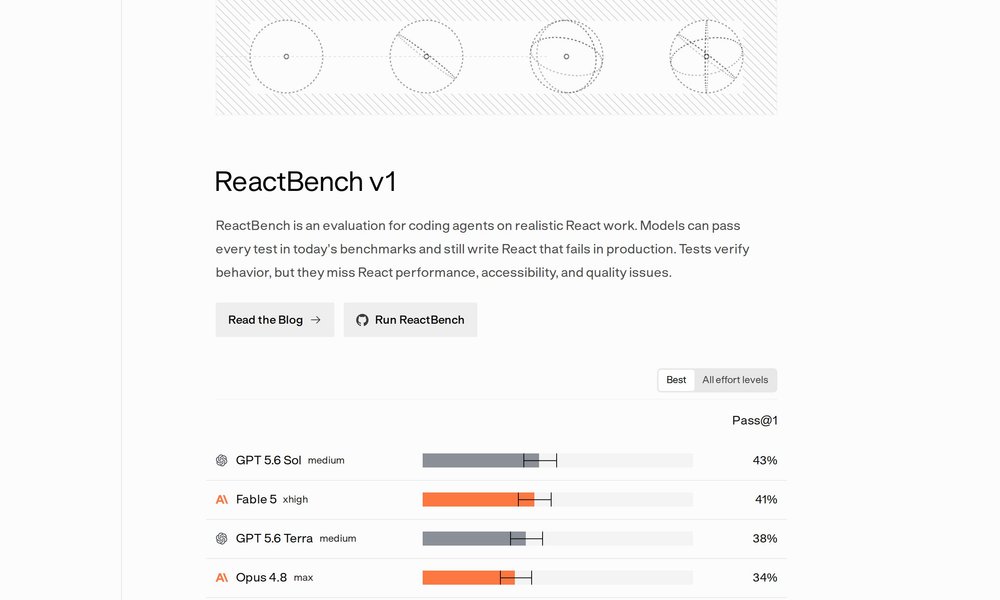
- Early July — The AI Agent & Evaluation Focus: The month kicked off with deep dives into agentic behavior. Launches like ReactBench and Open Design addressed the critical need to test and deploy AI coding agents against real-world production metrics rather than isolated unit tests. Concurrently, configuration frameworks like ponytail emerged to curb AI code verbosity.
- Mid-July — Infrastructure, Security, and Local Environments: Mid-month brought a heavy emphasis on self-hosted alternatives and local environment management. Tools such as Shoutrrr (social scheduling), Agentic Inbox (Cloudflare-powered email management), and VoidAuth (OIDC and LDAP single sign-on) provided enterprise-grade security and organization without reliance on third-party SaaS monopolies. Local stack tools like Yerd for PHP and TablePro for database administration cemented the trend toward native desktop performance.
- Late July — Low-Level Systems and Compilers: The final stretch of the month introduced radical performance plays, highlighted by elephc—a compiler that translates static PHP subsets directly into native assembly—alongside SwiftUI-driven Apple container management GUIs like Contained.
Supporting Data: Categorizing July’s Top Developer Tools
To better understand the scope of July’s releases, the tools can be categorized into four primary verticals: AI & Agentic Workflows, Infrastructure & Self-Hosting, Developer Experience & Utilities, and Low-Level Compilers.
1. AI & Agentic Workflows
- ReactBench (
www.reactbench.com): Evaluates coding agents on real React work, testing performance, accessibility, and visual quality rather than basic unit test passing rates. Built by the team behind React Doctor, it provides a transparent leaderboard for selecting frontend-optimized AI models. - Foglamp Scan (
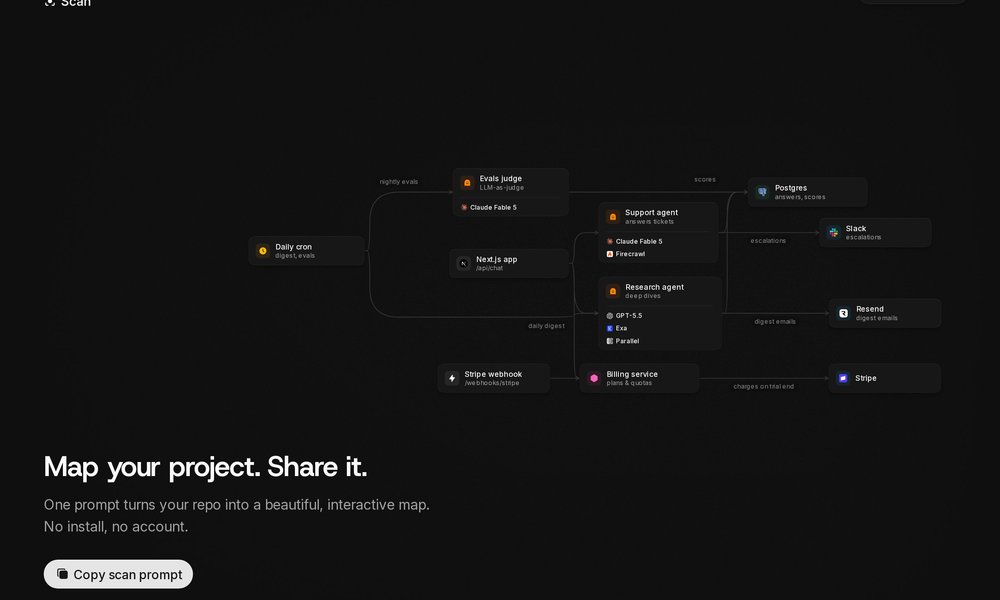
foglamp.dev/scan): Generates a shareable, zero-setup architectural map of unfamiliar repositories instantly via coding agent prompts, streamlining codebase onboarding. - OpenChamber (
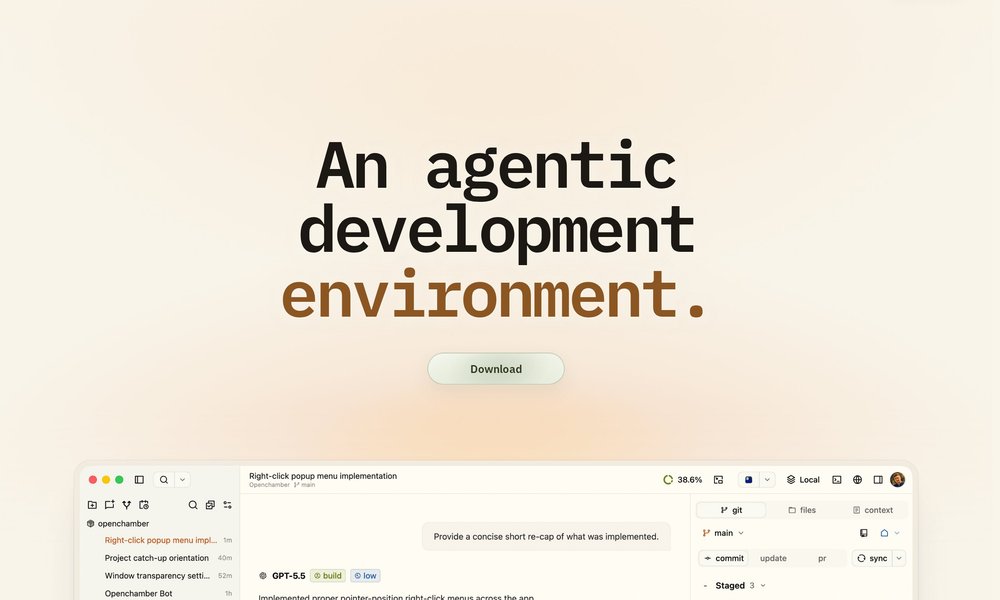
openchamber.dev): An open-source agentic dev environment for macOS, Windows, and browsers. It supports parallel multi-model runs via an Agent Manager, remote password-gated tunnels, and multi-window workflows. - Open Design (
open-design.ai): An open-source Apache-2.0-licensed alternative to Claude Design. It transforms local coding agents into design engines supporting 21 agents, 151 design systems, and versatile exports (HTML, PDF, PPTX, MP4). - ponytail (
ponytail.dev): A ruleset config for AI agents (compatible with Claude Code, Codex, and Copilot) proven in benchmarks to reduce AI code verbosity by 54% without compromising code safety or functionality.
2. Infrastructure, Security, and Self-Hosting
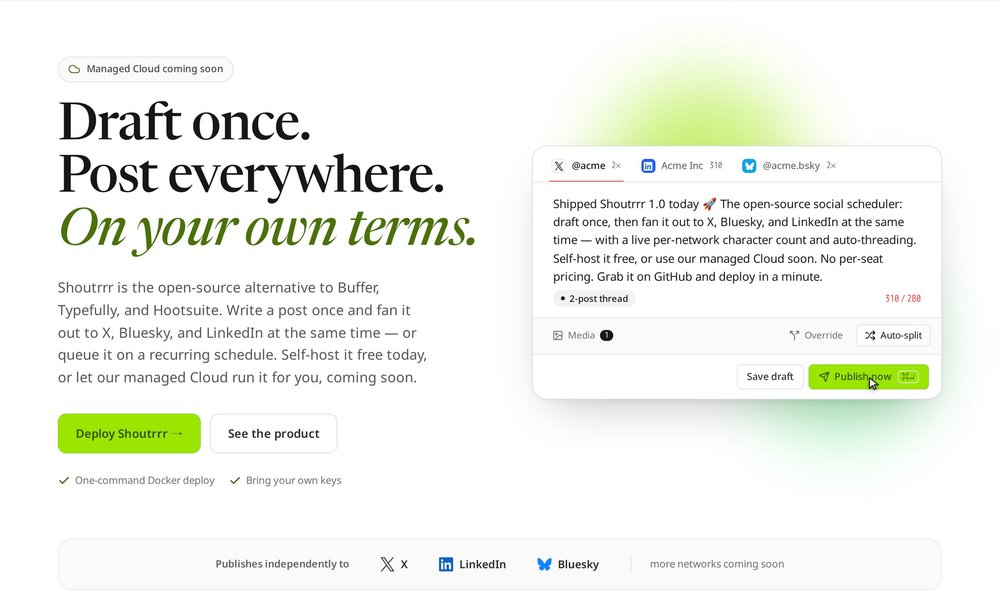
- Shoutrrr (
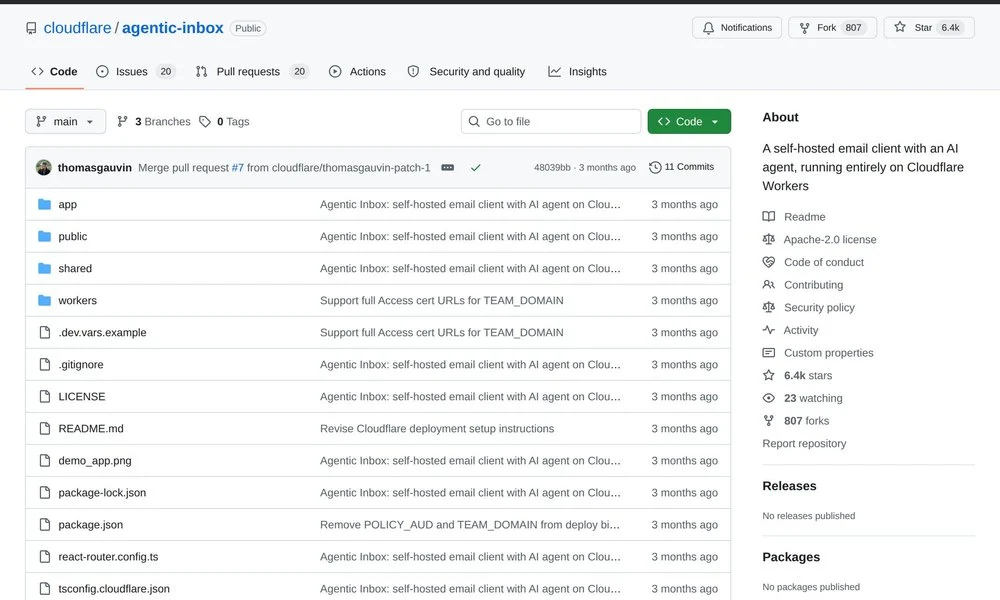
shoutrrr.com): An open-source Buffer and Hootsuite alternative. Draft once and publish simultaneously to X, Bluesky, and LinkedIn with encrypted credential handling, team workspaces, and scheduled queues. - Cloudflare Agentic Inbox (
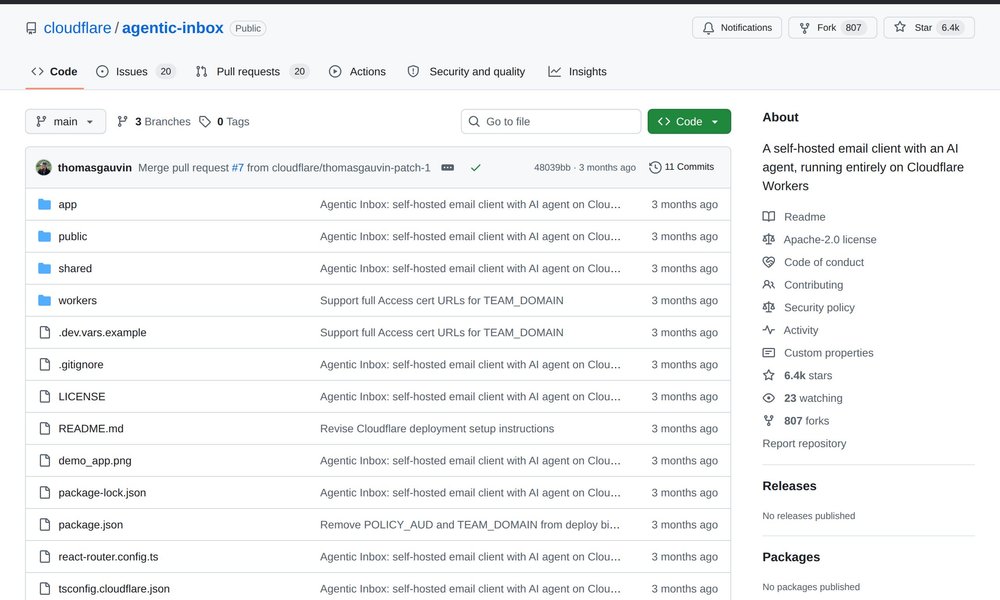
github.com/cloudflare/agentic-inbox): A self-hosted email client running entirely on Cloudflare Workers, utilizing Durable Objects with SQLite for mailboxes and R2 for attachments, backed by an autonomous AI inbox manager. - VoidAuth (
voidauth.app): An open-source SSO solution supporting OpenID Connect, LDAP, passkeys, and MFA, built on Postgres or SQLite with robust encryption at rest.
3. Developer Experience & Local Utilities
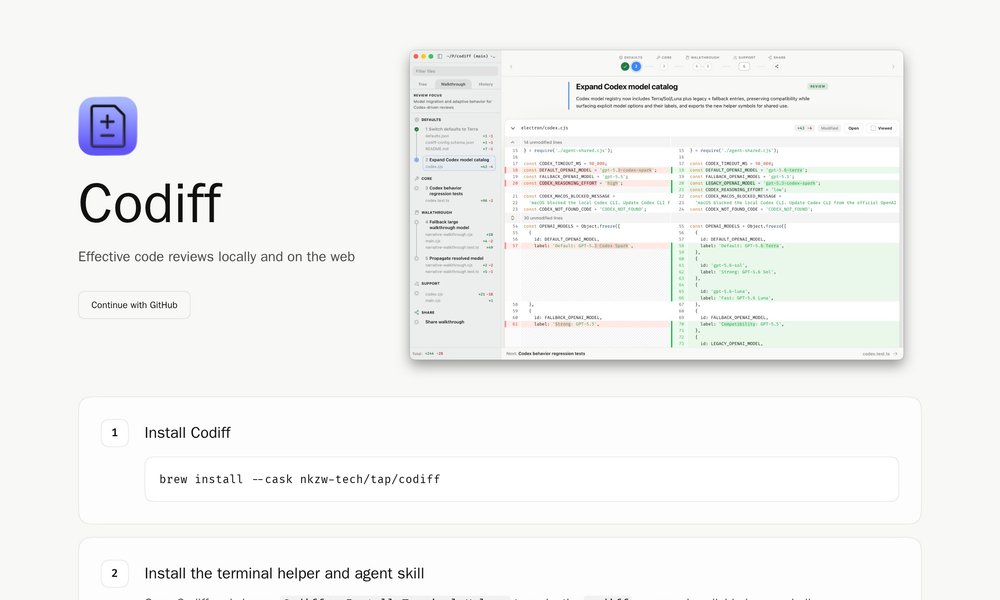
- Codiff (
codiff.dev): A fast, minimal local diff viewer that generates LLM walkthroughs of Git diffs, supports inline comments for GitHub/GitLab, and exports reviews into Markdown. - Yerd (
yerd.app): An 8 MB macOS and Linux desktop daemon managing local PHP stacks. It features multiple PHP versions, automated.testdomains with HTTPS, and native database support (MySQL, MariaDB, PostgreSQL, Redis) without Docker or Electron. - TablePro (
tablepro.app): A native database client for Mac and iPhone supporting 21+ databases (MySQL, PostgreSQL, MongoDB, Redis, SQLite), featuring a Vim-mode SQL editor, AI assistant, and iCloud sync. - TermSCP (
termscp.rs): A cross-platform terminal file transfer client supporting SCP, SFTP, FTP/S, S3, Kubernetes, SMB, and WebDAV with keyring-backed credential storage. - Contained (
github.com/tdeverx/contained-app): A native SwiftUI GUI for Apple’s Container CLI on Apple Silicon (macOS 26+), managing images, volumes, and networks with a polished Liquid Glass interface. - Hidden Bar: A utility for macOS Ventura and later that declutters menu bar icons via custom collapsible sections and keyboard shortcuts.
- prompt-mac (
github.com/dunglas/prompt-mac): A one-shot, idempotent macOS setup script triggered via a single curl command, engineered to instantly configure an agent-first development environment. - Docker Go SDK (
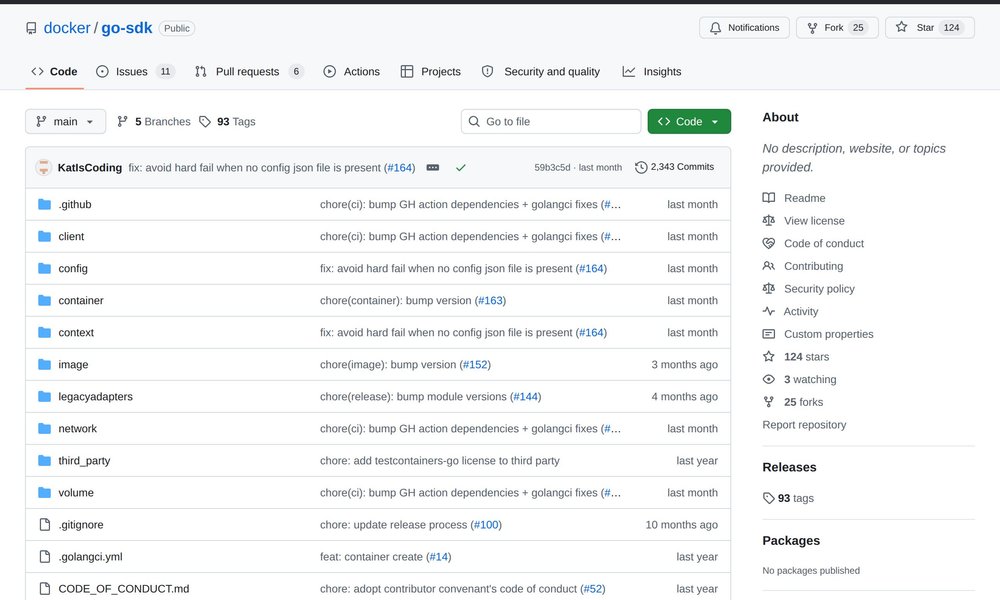
github.com/docker/go-sdk): An official, higher-level Go client simplifying container lifecycles, authentication, wait strategies, and random port allocation while retaining access to the low-level Moby client. - Vue Lynx (
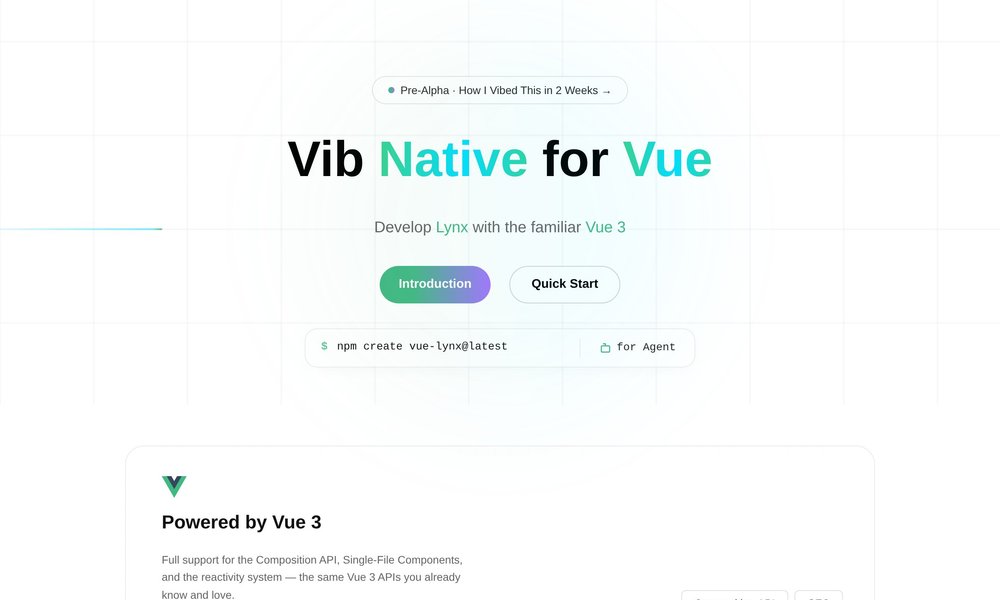
vue.lynxjs.org): Brings Vue 3 to ByteDance’s Lynx runtime, enabling dual-threaded native mobile app development using the Composition API and Single-File Components. - FingerprintJS (
github.com/fingerprintjs/fingerprintjs): Generates robust visitor identifiers derived from browser attributes that persist through incognito mode and storage purges. - Cortext (
github.com/Automattic/cortext): An Automattic-built WordPress plugin providing structured nested pages and typed collections to build self-hosted knowledge bases using standard WordPress storage.
4. Low-Level Compilers & Runtimes
- elephc (
elephc.dev): A static PHP subset compiler that outputs native assembly and standalone binaries with a built-off prefork HTTP server, completely bypassing the Zend Engine and traditional interpreters.
Official Responses and Engineering Perspectives
The engineering community’s response to July’s toolset has centered heavily on performance gains and the decentralization of data control.
Maintainers of tools like elephc note that compiling PHP down to native assembly addresses a long-standing desire for lightweight, serverless, and container-friendly PHP deployments that do not carry the overhead of a traditional runtime interpreter. Early benchmarks show remarkably small binary sizes, allowing developers to execute scripts with sub-millisecond cold starts.
Similarly, projects focusing on local data autonomy—such as Cloudflare Agentic Inbox and VoidAuth—have received widespread praise on platforms like GitHub and Hacker News. Developers are increasingly vocal about avoiding subscription fatigue and vendor lock-in associated with third-party SaaS management tools. By leveraging serverless primitives (Cloudflare Workers, Durable Objects) and lightweight self-hosted databases (SQLite/Postgres), engineering teams are successfully reclaiming control over their security postures and communication channels.
Implications for the Future of Software Engineering
The collective trajectory of July’s software releases highlights three major shifts that will define enterprise and indie development over the coming quarters:
- Maturation of AI Agent Verification: As platforms like ReactBench demonstrate, the industry is moving past simple prompt-and-pray development metrics. Testing AI coding agents against holistic production standards—accessibility, architecture, and real-world execution quality—ensures that automated code generation becomes reliable enough for mission-critical systems.
- The Rise of "Zero-Infrastructure" Local Development: Tools like Yerd, Foglamp Scan, and prompt-mac signify a concerted push to strip away the bloat of heavy virtualization layers (such as resource-intensive Docker setups or Electron-based desktop clients). Developers demand instant, low-overhead environments that respect system battery life and memory constraints.
- Blurring Lines Between Interpreted Languages and Native Binaries: With projects like elephc pushing the boundaries of ahead-of-time (AOT) compilation for languages traditionally reliant on runtimes, the performance ceiling for web-native languages is rising. This allows legacy codebases to be packaged and deployed with the speed and safety of systems programming languages like Rust or Go.
As we look toward the remainder of the year, the intersection of autonomous AI agents and ultra-lean, self-hosted infrastructure will undoubtedly continue to accelerate developer productivity, lowering the barrier to entry for building resilient, high-performance software systems.