

By: Global Tech & Open Source Reporting Desk
Main Facts: What You Need to Know About WordPress 7.2 Beta 1
The WordPress core development team has officially announced the availability of WordPress 7.2 Beta 1 for public download and testing. Marking a significant milestone in the platform’s continuous evolution, this early pre-release introduces a sweeping array of features aimed at streamlining the content creation process, modernizing the administration dashboard, enhancing media handling efficiency, and expanding developer toolsets.
Key highlights of the WordPress 7.2 Beta 1 release include:
- Advanced Design & Editing Tools: Expanded responsive design viewport controls, new text shadow support, streamlined site-wide styling filters, and a more intuitive DataForm-powered block settings inspector.
- Enhanced Collaboration & Media: Upgraded Notes feature with emoji reactions, direct canvas placement, and a minimized mode; plus, client-side browser media compression and resizing.
- Performance Overhauls: Faster asset loading mechanisms utilizing individual file delivery and proactive administrative page prefetching.
- Developer-Centric APIs: A brand-new Secrets API for secure credential management, expanded Abilities API for automation and AI integration, and core enhancements to the Interactivity and HTML APIs.
- Official Release Target: The finalized, stable version of WordPress 7.2 is scheduled for launch on December 8, 2026.
Crucial Warning: As this is a beta release intended strictly for development and testing environments, users are strongly advised against installing or running this software on production or mission-critical websites.

Chronology and Development Roadmap
The journey toward WordPress 7.2 follows an aggressive, structured development lifecycle drawing heavily on continuous feature integration from recent iterations of the Gutenberg plugin (versions 23.7 through 24.3).
The roadmap leading up to the final deployment is mapped out as follows:
- Late Summer – Early Fall 2026: Continuous prototyping and integration of Gutenberg features focusing on global style architecture, DataForm components, and responsive grid layouts.
- October 2026: Feature freeze periods leading to the assembly of core components and initial staging of the Beta milestone.
- October 20, 2026: Official community call for testing launched via the Make Core and Make Test blogs.
- Current Phase (Late October 2026 onward): WordPress 7.2 Beta 1 release, initiating weeks of intensive public bug hunting, community feedback collection, and minor patch integrations.
- November – Early December 2026: Subsequent Release Candidates (RC) and stabilization phases.
- December 8, 2026: Official Global Release Party and deployment of WordPress 7.2 stable.
Supporting Data: Deep Dive into New Features and Improvements
WordPress 7.2 Beta 1 is a massive release packed with substantive upgrades categorized across the editing experience, site administration, and backend architecture.
1. The Editing Experience and Global Styles
Building on the foundational responsive design controls rolled out in version 7.1, WordPress 7.2 pushes viewport-specific styling further into core design blocks. Content creators can now exercise hyper-granular control over how galleries, column spacing, image aspect ratios, and custom cropping behave across varying screen resolutions.

- Customized Block Filters: A brand-new Customized filter helps site builders quickly identify blocks featuring overridden properties, while block inspector controls now explicitly display inherited Global Styles values.
- Text Shadows: Typography receives a major aesthetic upgrade with native text shadow support. Creators can dynamically apply, modify, and style text shadows directly within block configurations or define them globally as reusable presets inside
theme.json. - Simplified Navigation Management: Managing site menus no longer requires navigating away from the main editing canvas. Creators can add, organize, and restructure links directly from the sidebar.
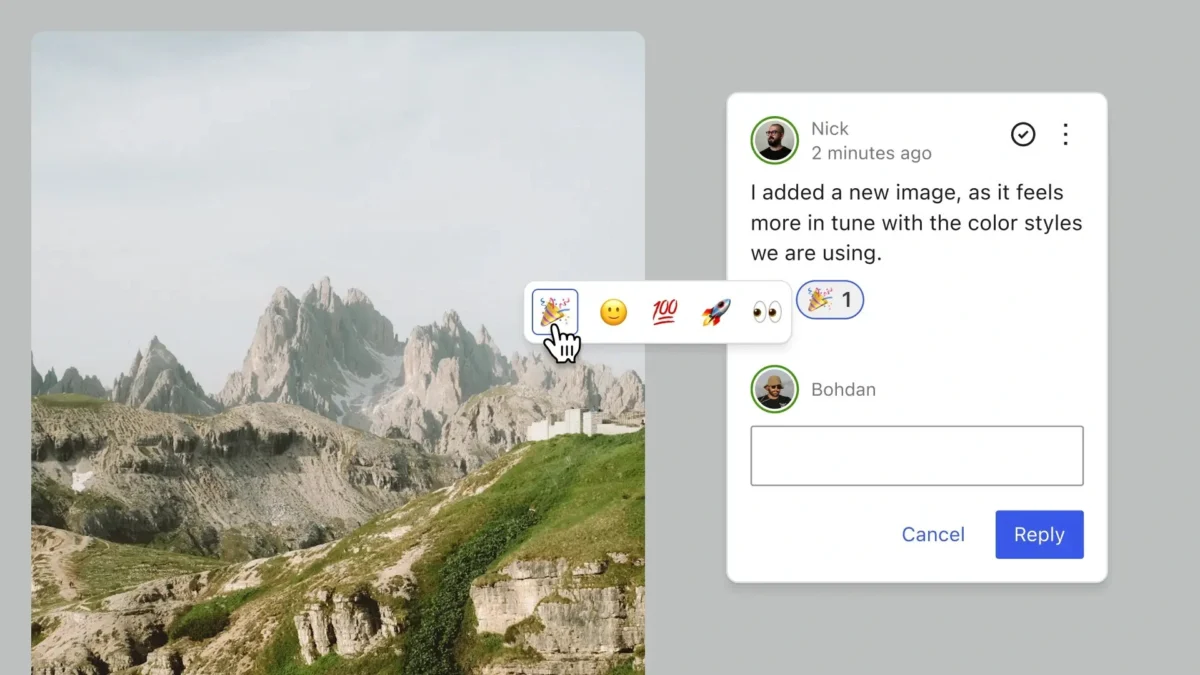
- Collaborative Notes on Canvas: Notes have transitioned into the margin directly alongside the editor canvas. Users can now keep both the block settings sidebar and the Notes panel open simultaneously, review comments in real time, react using emojis, and utilize a minimized mode to cut down on visual clutter.
2. Media Optimization and Dashboard Enhancements
- Client-Side Media Processing: To reduce strain on web hosting infrastructure and accelerate upload speeds, WordPress 7.2 introduces in-browser image processing. Images can now be resized, compressed, and converted into modern formats right inside the browser before hitting the Media Library server.
- "On This Day" Dashboard Widget: Helping creators rediscover archival content, this new widget surfaces posts published on the exact calendar date in previous years, opening up streamlined opportunities for content refreshes and social resharing.
- Unified Admin Aesthetics: Outdated Dashicons throughout the admin bar and sidebars are being systematically replaced with modern icons from the core WordPress icon library, unifying the visual bridge between legacy settings pages and modern block-based interfaces.
3. Administrative Performance
Performance improvements in 7.2 fundamentally change how the WordPress dashboard loads assets. Rather than bundling scripts and stylesheets into massive, monolithic files, WordPress now loads assets individually, optimizing browser caching behavior. Furthermore, an intelligent prefetching mechanism anticipates user navigation patterns—preloading resources for the next likely administrative screen before the user even clicks.
Developer Ecosystem: APIs, Routing, and Security
For developers, plugin authors, and enterprise architects, WordPress 7.2 represents a massive leap forward in modularity, security, and extensibility.
The New Secrets API
Security is a cornerstone of the 7.2 release cycle. The introduction of a dedicated Secrets API supplies developers with a standardized framework to store sensitive credentials securely—such as third-party API keys, confidential configuration parameters, and authentication tokens. Featuring support for encryption at rest, credential rotation protocols, and swappable storage providers, this API drastically improves how plugins handle sensitive data.
Random Content Discovery and Expanded APIs
- Random Content Redirects: A new routing capability enables websites to serve a randomly selected post via a dedicated URL endpoint, encouraging organic content exploration and user engagement.
- Abilities API Upgrades: Expanding upon core querying structures, the Abilities API offers robust data retrieval methods optimized for automation tools, third-party integrations, and emergent AI-powered plugins.
- Interactivity & HTML APIs: Dynamic block developers benefit from advanced Interactivity API mechanics for handling reactive navigation and safe HTML rendering, alongside HTML API refinements that guarantee pristine, reliable markup processing.
Official Responses and Community Engagement
The WordPress core team has repeatedly emphasized that community testing is the single most vital component in ensuring a smooth and resilient release cycle.

"Testing for issues is a critical part of developing any software, and it’s a meaningful way for anyone to contribute—whether or not you have experience," noted project contributors in the official release documentation. "Your help testing Beta and RC versions is vital to making this release as stable and powerful as possible."
Contributors wishing to get involved have multiple pathways to test the software safely:
- WordPress Beta Tester Plugin: Install the plugin, switch the update stream to the "Bleeding edge" channel and "Beta/RC Only" setting.
- Direct ZIP Download: Acquire the standalone archive directly from the WordPress repository.
- Command Line (WP-CLI): Run the deployment command
wp core update --version=7.2-beta1. - WordPress Playground: Test the browser-native, zero-setup WebAssembly instance instantly without configuring local servers or databases.
Bugs, unexpected behaviors, and reproducible glitches can be logged directly within the Alpha/Beta support forums or submitted as official tickets via WordPress Trac. Real-time coordination and testing discussions continue actively within the #core-test channel on Making WordPress Slack.
Implications for the WordPress Ecosystem
The arrival of WordPress 7.2 Beta 1 signals several crucial trends for the broader web publishing ecosystem:

- Bridging the Gap Between Code and No-Code: With the integration of advanced DataForm components, richer global styling tools, and granular responsive controls, WordPress continues to cement its status as a robust enterprise-grade content management system capable of competing with closed proprietary site builders.
- Lowering Hosting Overheads: By offloading media compression to the client browser and optimizing script delivery through targeted caching, WordPress 7.2 directly reduces server resource consumption—benefiting high-traffic publishers and budget hosting environments alike.
- AI and Automation Readiness: The strengthening of the Abilities API and Secrets API provides a secure, predictable programmatic foundation for the next generation of AI agents, automated headless architectures, and sophisticated plugin ecosystems.
As the development cycle moves swiftly through subsequent beta releases and Release Candidates, the open-source community remains laser-focused on refining these features ahead of the global stable launch on December 8, 2026.