"You are what you eat, but you are also defined by where you live." This sentiment, once relegated to the realm of sociology, has become the foundational blueprint for a new wave of digital media entrepreneurs. In an era dominated by global news cycles and algorithmic noise, there is a burgeoning demand for the intimate, the immediate, and the hyper-local. Starting a community-based newsletter is more than a publishing venture; it is a commitment to the "neighborhood-first" economy.
For aspiring publishers, the opportunity lies in filling the information vacuum left by the contraction of traditional legacy media. By positioning yourself as the central node of your community’s information network, you can build a sustainable, profitable, and deeply rewarding publishing business.
Main Facts: The Power of Proximity
The core premise of the hyper-local model is simple: community members have a high appetite for information that directly impacts their daily lives. Whether it is the opening of a new café, a change in local zoning laws, or the scheduling of a weekend block party, these stories rarely make it into national headlines.
Local newsletters thrive because they bridge the gap between "official" announcements and "street-level" discourse. Unlike social media platforms, which are often polarized or prone to misinformation, a newsletter provides a curated, verified, and consistent stream of information delivered directly to the inbox of a highly engaged reader base. This trust is the most valuable currency in modern media.

Chronology: The Evolution of Local Media
To understand the rise of the modern local newsletter, we must look at the shift in the media landscape over the past two decades:
- The Print Era (Pre-2000s): Local newspapers were the lifeblood of communities, acting as the primary record for births, deaths, government proceedings, and classified ads.
- The Digital Disruption (2000–2015): The rise of Craigslist and social media decimated the advertising revenue of local print papers, leading to widespread closures and "news deserts."
- The Platform Shift (2015–2020): Content creators began experimenting with Substack and other newsletter-first platforms, realizing that direct ownership of the audience was more sustainable than chasing algorithmic reach on Facebook or Twitter.
- The Current Era (2020–Present): A renewed emphasis on community-centric models. Publishers are now using sophisticated tools—like Ghost—to manage memberships, event calendars, and ad sponsorships, proving that small-scale publishing can indeed be a full-time profession.
Supporting Data: Why Hyper-Local Wins
Data consistently suggests that "local" is the next frontier for digital growth. According to industry reports from groups like The Local News Initiative, readers are 40% more likely to pay for content if it directly relates to their immediate geographic surroundings.

Furthermore, the "events-based" newsletter model shows some of the highest open rates in the industry. When a publication provides a "utility"—such as a weekly guide to the best local events—the reader views the email not as marketing, but as a vital tool for planning their social and family life. By consistently delivering high-utility content, publishers create a habit-forming product that is difficult to cancel.
Getting Involved: The "Neighbor-First" Philosophy
You cannot write effectively about a community if you are not an active participant within it. Carolyne Cole, a prominent voice from the Jackson Association of Neighborhoods, emphasizes that authenticity is the bedrock of local media. If you are merely reporting from the sidelines to extract data for your newsletter, your readers will sense it.
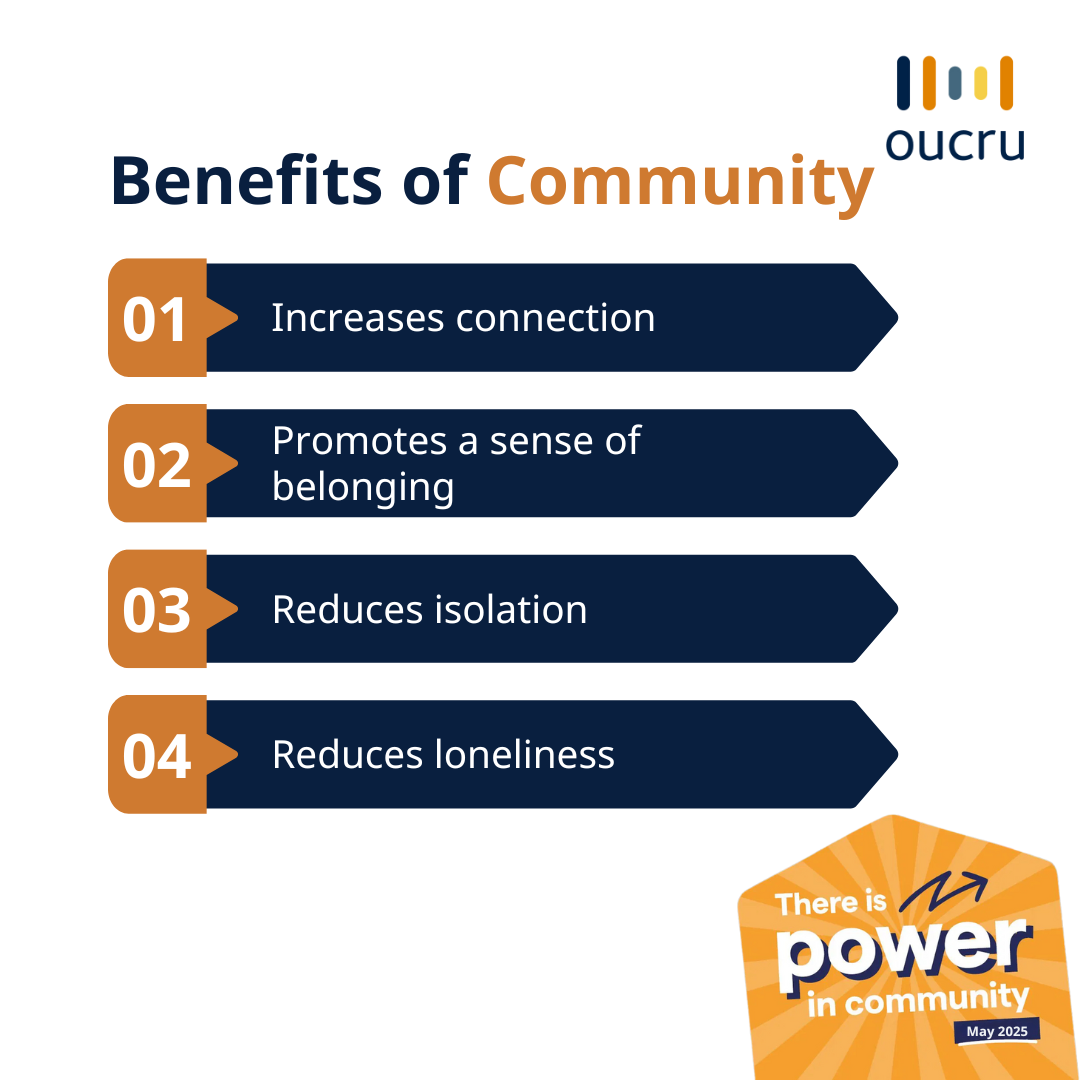
Six Pillars of Community Engagement
If you want your newsletter to resonate, you must integrate yourself into the fabric of the town:
- Volunteerism: Engage with food banks, animal shelters, or literacy programs. These environments provide you with a front-row seat to the issues that actually matter to your neighbors.
- Public Maintenance: Participate in community cleanups. Beyond the civic benefit, these events are prime networking opportunities to meet local influencers and community leaders.
- Local Governance: Attend town hall and school board meetings. These are the "wellsprings" of local news. Most of the time, the public at large has no idea what is being discussed in these rooms; you become the vital link that informs them.
- Strategic Philanthropy: If you cannot donate your time, donate your platform. Feature local fundraisers and arts endowments to show that your publication is invested in the health of the community.
- Event Hosting: Organize your own community gatherings. A "Newsletter Reader Meetup" at a local brewery is a low-cost, high-impact way to build brand loyalty.
- Board Membership: Aim to serve on local committees. Not only does this provide you with insider knowledge, but it also establishes your credibility as a serious stakeholder in the town’s future.
Implications: Building a Sustainable Business Model
The shift to hyper-local publishing is not just a cultural trend; it is a shift toward a more resilient business model.
Monetization Strategies
The "Newsletter-as-a-Business" model relies on three primary pillars:
- Paid Memberships: By offering "VIP" access—such as exclusive interviews, early access to event calendars, or discounts on local partner tickets—you create a recurring revenue stream.
- Local Sponsorships: Local businesses, from real estate agents to independent coffee shops, are often desperate for targeted advertising that reaches their specific geographic demographic. Your newsletter is the perfect vehicle for this.
- Event Partnerships: Act as a partner for local venues. When you highlight an event, offer to provide a dedicated "sponsored slot" for the organizer.
Operational Best Practices
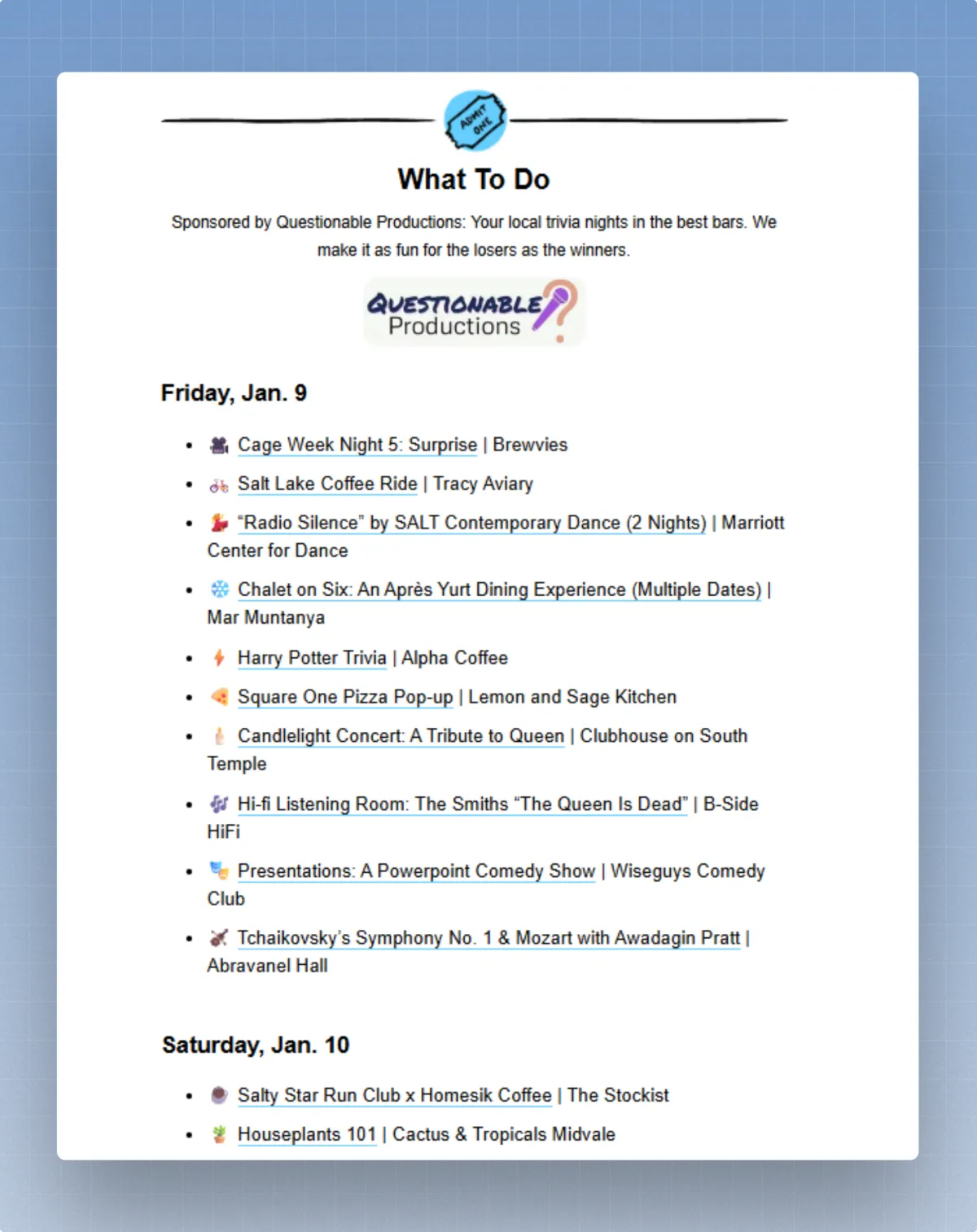
To ensure long-term viability, maintain a clean and consistent production schedule. Claire Zulkey of Inbox Collective notes that the most successful events-based newsletters succeed because they provide a sense of order to the reader’s chaotic social calendar.

Structure your content logically—perhaps by neighborhood, event type, or day of the week—and be relentless in your pursuit of reader feedback. If your readers tell you they want more content on school sports, listen. If they ignore your theater reviews, cut them. The beauty of the newsletter format is its agility.
Conclusion: The Path Forward
Starting a local newsletter is an act of civic service as much as it is an act of entrepreneurship. You are stepping into the role of the modern town crier, the community archivist, and the local connector.
The barrier to entry has never been lower, but the barrier to success remains the same as it has always been: trust. By caring for your community, documenting its triumphs and challenges, and providing genuine value to your subscribers every week, you can build a business that is not only profitable but deeply ingrained in the place you call home.
Whether you are in a bustling metropolis or a quiet suburban enclave, your neighbors are waiting for someone to start the conversation. Let this be your invitation to pick up the digital pen and begin. The next issue of your local newsletter is not just a collection of events; it is the heartbeat of your neighborhood.