




For years, social media managers, creators, and brands have whispered about the "Instagram algorithm" as if it were a singular, mystical gatekeeper controlling their digital destiny. However, Instagram has pulled back the curtain to reveal a much more complex reality: the platform does not run on a single algorithm. Instead, it utilizes an entire ecosystem of distinct, highly specialized ranking systems tailored to how users interact with different parts of the app.
Understanding how these mechanisms work is no longer just a technical exercise; it is a fundamental requirement for anyone looking to build a sustainable audience, foster genuine community engagement, and scale their reach in a crowded digital landscape.

The Main Facts: Dissecting Instagram’s Multi-Faceted Ranking Engine
The foundational truth of modern Instagram is that feeds and discovery surfaces are not chronological by default. According to Instagram Head Adam Mosseri, ranking systems serve two primary purposes: organizing the vast influx of content to make it manageable, and ensuring users don’t miss posts from the accounts they care about most. Without algorithmic ranking, feeds would quickly become saturated by accounts that post with the highest frequency—typically commercial brands and heavy aggregators—severely shrinking the organic reach of individual creators.
To manage this, Instagram deploys separate ranking systems across its four primary surfaces: Feed, Stories, Explore, and Reels.

While each surface serves a unique purpose, they share a unified underlying mechanical architecture. Every system operates by making predictive calculations regarding how likely a user is to interact with a piece of content—specifically evaluating the probability of a like, comment, share (send), or extended watch time. These predictions are converted into a relevancy score, which then dictates the exact order of appearance.
For creators, the overarching ecosystem splits neatly into two functional categories:

- Retention Surfaces (Feed and Stories): Designed primarily to keep existing followers engaged and maintain deep relationships. Likes carry slightly more weight here.
- Discovery Surfaces (Reels and Explore): Built specifically to introduce content to non-followers. Shares (sends) are the heavy hitters here, acting as the primary catalyst for explosive organic growth.
Chronology of Transparency: How Instagram Opened the Algorithm’s Black Box
The path to algorithmic transparency has been a gradual, deliberate evolution driven by pressure from creators, regulators, and shifting consumer habits.
- The Pre-2016 Era: Instagram operated strictly on a chronological feed. As the user base expanded globally, this model buckled under the weight of volume; users missed roughly 70 percent of all posts from their connections.
- The 2018 Shift: Instagram officially introduced algorithmic ranking to the main feed, triggering initial panic among users accustomed to real-time timelines.
- The 2024–2026 Shift Toward Originality: Facing an explosion of content aggregators and repost accounts, Instagram implemented aggressive structural changes. By April 2026, the platform began explicitly penalizing non-original aggregator accounts by suppressing their reach to non-followers. Concurrently, Instagram shortened its indexing window, elevating the importance of "recency" and pushing a higher share of daily impressions toward content published within the last 24 hours.
- The Introduction of "Your Algorithm" (Late 2025–2026): Marking a massive leap in user control, Instagram rolled out "Your Algorithm," an AI-powered summary tool allowing users to explicitly manage, filter, and adjust the interest topics governing their feeds, reels, and explore pages.
Supporting Data: What the Numbers Tell Us About Performance
Platform-wide studies and data analyses provide clear, actionable insights into how these algorithms reward specific formats, consistency, and engagement mechanics.

Post Format Performance
An exhaustive analysis of over 4 million posts conducted by Buffer revealed stark differences in how distinct formats perform across reach and engagement metrics:
- Carousels emerge as an engagement powerhouse, earning roughly 109 percent more engagement per person reached than Reels. Furthermore, because Instagram treats unswiped slides in multi-image carousels as "new content" when a user revisits the post, carousels enjoy multiple algorithmic second chances.
- Single Images outperform Reels in per-user engagement by approximately 34 percent.
- Reels, conversely, dominate pure top-of-funnel reach, frequently pulling in roughly 36 percent more reach than carousels, making them the undisputed heavyweight champion for capturing non-follower attention.
The Power of Consistency
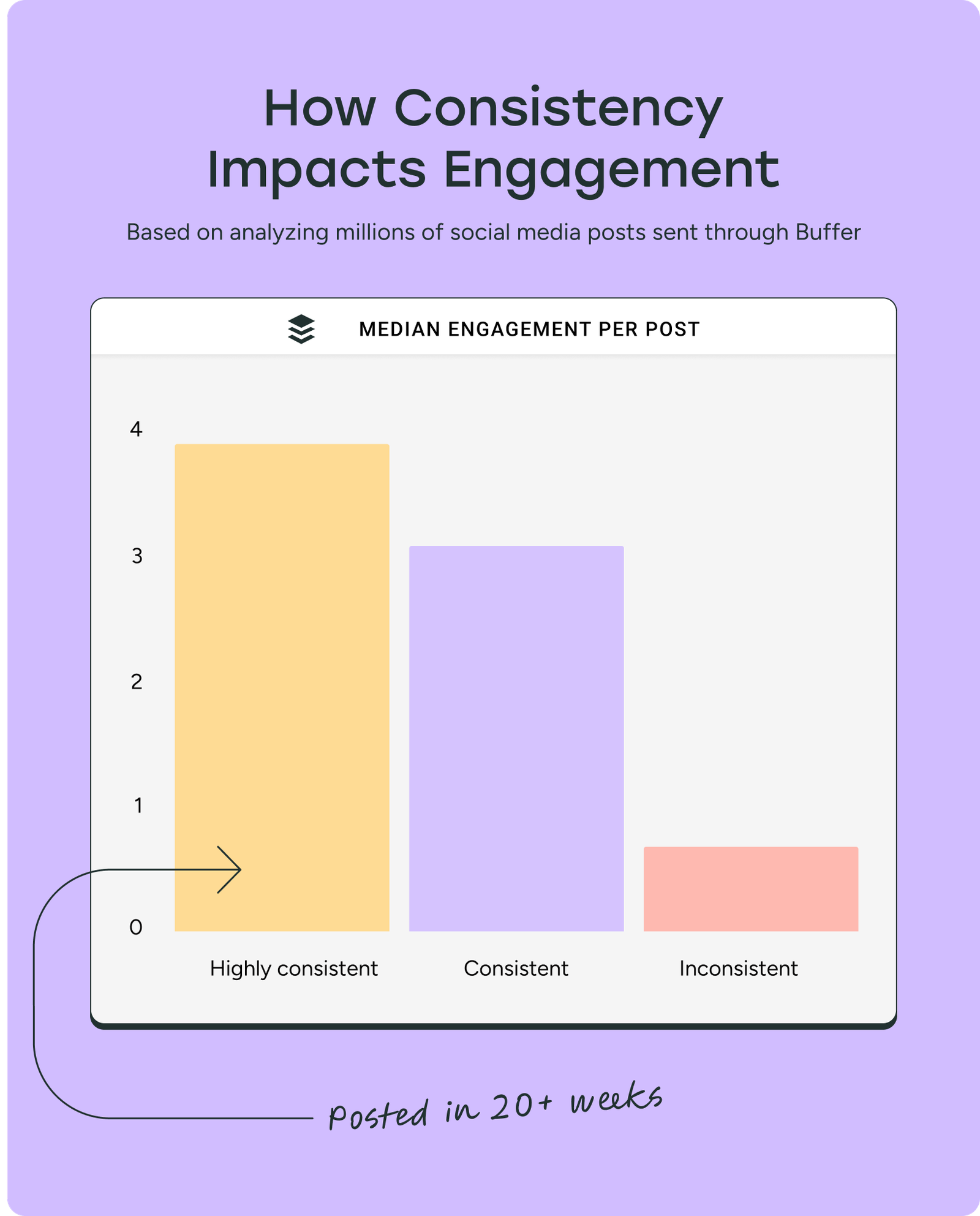
Data tracking over 100,000 social media users demonstrated a direct correlation between publishing cadence and algorithmic favorability. Accounts that maintained a consistent posting schedule across 20 or more weeks received nearly five times more engagement per post than those publishing sporadically.
Official Responses: Guidance Straight from Head of Adam Mosseri
Throughout his ongoing educational video series on Instagram, Adam Mosseri has consistently demystified the ranking criteria, emphasizing four core content principles and three critical engagement signals:
The 4 Core Content Principles
- Originality: Instagram actively favors original creators over reposters. Accounts that rely on recycled content downloaded from other profiles are systematically barred from recommendation feeds.
- Recency: The algorithm prioritizes timely material. A much higher percentage of daily impressions are now funneled toward posts under 24 hours old.
- Breaking Content ("Auditioning"): Smaller public accounts are given a fair shake through an "auditioning" phase. Instagram shows a post to a small batch of non-followers; if it triggers high engagement, the platform broadens distribution exponentially.
- Model Size: Instagram continuously scales up its underlying AI models to refine ranking accuracy, reinforcing the message that creators should ignore unverified "hacks" and focus on substance.
The 3 Master Engagement Signals
While thousands of telemetry points are tracked, Mosseri highlights Watch Time, Likes, and Sends (Shares) as the absolute holy trinity of ranking signals:

- Watch Time rules all video content, particularly Reels.
- Likes weigh slightly heavier when determining visibility among existing followers.
- Sends act as the ultimate currency for breaking out into non-follower feeds via Explore and Reels. When a user sends a post to a friend via Direct Message, Instagram registers a high-confidence endorsement of value.
Implications for Content Creators, Marketers, and Brands
The shift from black-box mystery to transparent algorithmic criteria carries profound implications for digital marketing strategies. Navigating this ecosystem successfully requires moving away from vanity metrics and adopting a structural approach to content creation.
1. Shift from Reach to Engagement Rates
As Mosseri frequently underscores, creators must stop obsessing over raw view counts and instead track engagement rates per reach. A viral video with 100,000 views and a 0.5% share rate is vastly inferior—from an algorithmic standpoint—to a targeted post reaching 5,000 people with a 10% share and save rate.

2. Diversification Across the Surface Map
Because the app is divided into retention and discovery zones, a singular content type will rarely suffice. A robust strategy must incorporate:
- Reels to capture top-of-funnel non-followers through strong visual hooks and high watch times.
- Carousels to maximize deep engagement with existing followers.
- Stories utilizing interactive stickers (polls, Q&As, sliders) to drive immediate DMs and cement community loyalty.
3. Keyword Optimization Over Hashtag Spamming
With Instagram formally capping functional hashtags at five per post and confirming that generic tags like #explore or #reels hold zero discovery value, creators must pivot to SEO and keyword optimization. Captions and on-screen text must explicitly name the topic, matching the natural language queries users input into Instagram’s search bar or manage via the "Your Algorithm" preference panels.

4. Steering Clear of Recommendation Restrictions
Publishing content that violates Instagram’s Recommendation Guidelines—such as engagement bait, low-quality clickbait, or unverified medical claims—results in "shadow-suppression" from Explore and Reels tabs, effectively walling off organic growth avenues even if the post technically complies with basic community standards.
Conclusion: Mastering the Algorithm by Serving the Audience
The Instagram algorithm is not an adversary to be tricked; it is a mirror reflecting user behavior. By aligning content strategies with the platform’s core principles—prioritizing originality, respecting recency, designing for shareability, and fostering authentic dialogue—creators and brands can bypass the anxiety of constant algorithm updates. Focus on crafting content that people genuinely want to watch to the end, save for later, and send to a friend, and the algorithms will naturally do the rest.