







If the early months of 2026 have left you feeling more like a content machine than a creative force, you are far from alone. The digital landscape has evolved at a dizzying pace, and for many professional writers, the act of publishing has morphed from a passion project into a high-pressure business endeavor. When the "publishing sauce"—the metrics, the algorithms, and the monetization strategies—begins to overshadow the craft, the result is an inevitable, creeping burnout.
However, it is vital to remember that the foundation of your career is not the platform you use, but the words you choose. To sustain a long-term career in digital media, writers must periodically return to their roots. This article explores the necessity of the creative reset, offering a roadmap for navigating the psychological roadblocks of modern publishing and reigniting the spark that first drew you to the page.
The Anatomy of Creative Burnout
Burnout in the digital age is rarely the result of a single factor. It is the cumulative effect of constant output requirements, the pressure to maintain an "authentic" online persona, and the looming presence of generative AI, which has fundamentally altered how audiences perceive written content.
The Shift in Human Value
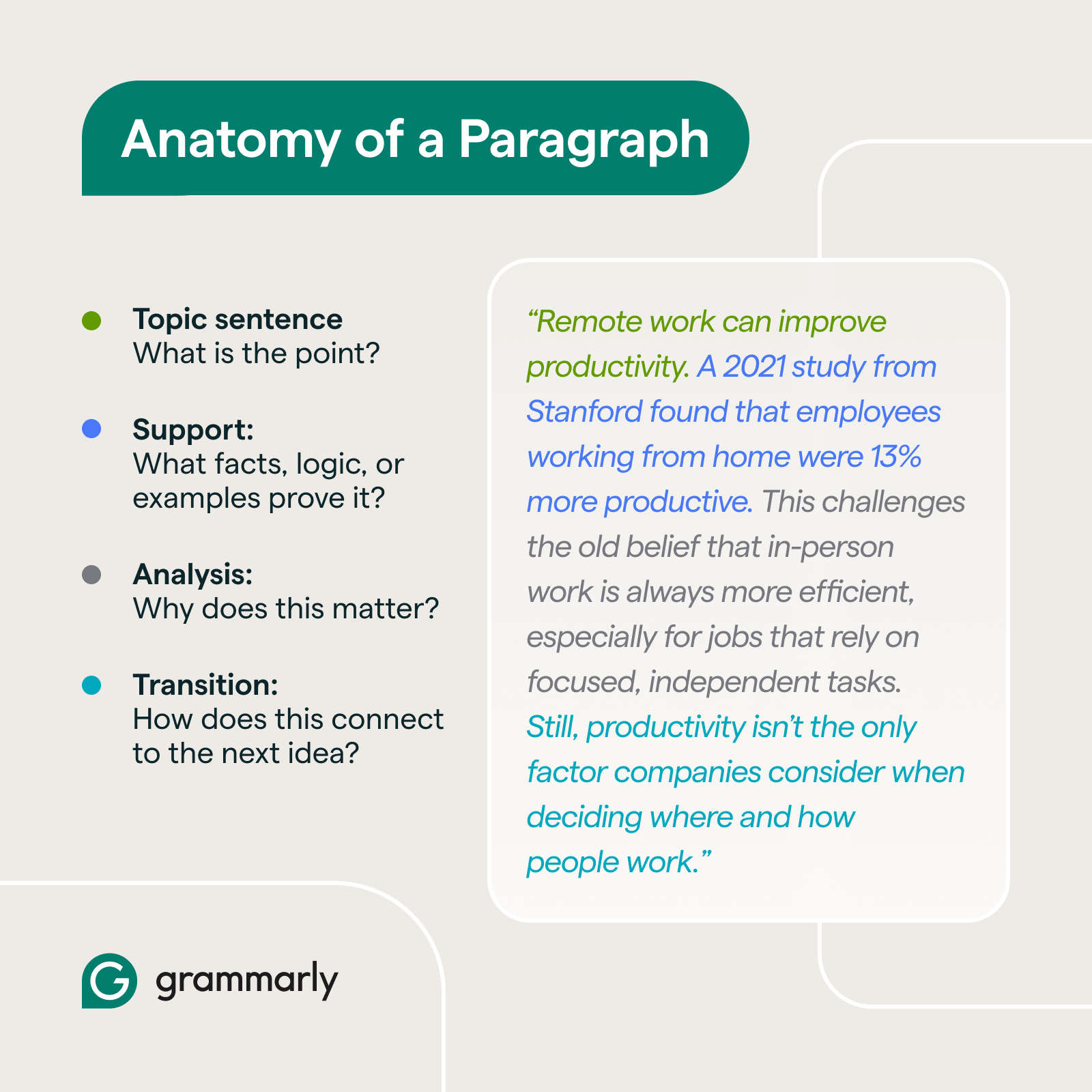
Interestingly, the rise of AI has provided an unexpected gift to human writers: the premium on imperfection. In a world saturated with synthesized, polished, and algorithmically optimized text, the "human touch"—the flaws, the unique syntax, and the lived experience of a writer—has become a form of currency. When you feel overwhelmed by a blank screen, remember that your reader is not looking for a sterile, perfect document. They are looking for a connection.
Professional organizations, including the team at Grammarly, emphasize that the "rough draft" is the ultimate antidote to perfectionism. By stripping away the need for immediate, polished output, writers can bypass the anxiety-driven centers of the brain and allow their genuine creative voice to emerge. A rough draft is not a failure; it is a laboratory for ideas.
The Chronology of Reclaiming Your Voice
Falling out of love with writing is a process, and falling back in love with it requires a deliberate, chronological approach to rebuilding your relationship with the craft.

Phase 1: De-coupling Writing from Metrics
The first step toward recovery is decoupling the act of writing from the pursuit of growth. Many writers begin their careers in a "honeymoon phase" where words flow effortlessly. As they scale, they begin to view writing as a chore. To reverse this, you must treat writing as a relationship rather than a test. This means scheduling time to write without goals, without word counts, and without the intention of ever hitting "publish."
Phase 2: Embracing the "Messy" Middle
Mid-career writers often feel trapped by their established niches. If you have spent years building an audience in one specific field, the thought of writing about something else can feel like professional suicide. However, the most successful creators often pivot by allowing themselves to be "messy and curious." Writing outside your niche is not a distraction; it is a necessary form of mental cross-training that keeps the brain agile and the creative muscles engaged.
Phase 3: Redefining Success
As you navigate the middle of your journey, you must redefine what success looks like. If your primary metrics are subscriber counts or revenue, you will always be at the mercy of factors outside your control. By shifting the focus to the quality of the connection and the joy of the process, you protect your mental health from the volatility of the digital market.
Supporting Data: Strategies for Sustainable Creation
The challenge of maintaining a long-form publishing career is well-documented. Based on insights from industry leaders like Famous Writing Routines, we have compiled a data-backed set of strategies to keep your creative engine running:
- Write Without Goals: Remove the pressure of KPIs (Key Performance Indicators) for at least one session per week.
- Environmental Shifting: Physical context impacts cognitive output. Changing your writing environment—even moving from a desk to a park bench—can trigger a fresh stream of ideas.
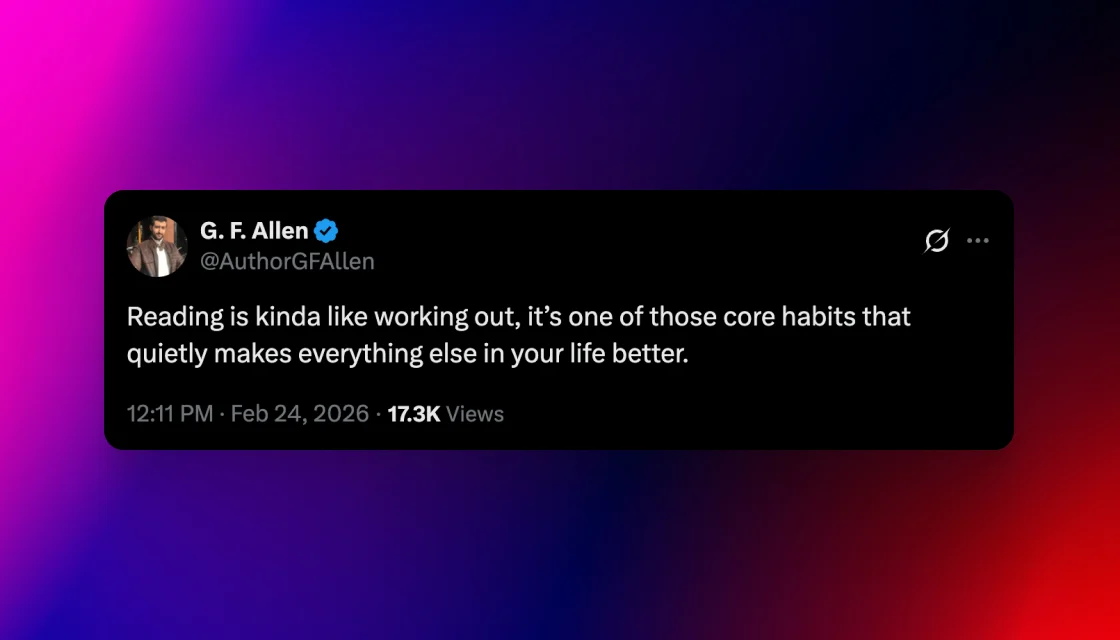
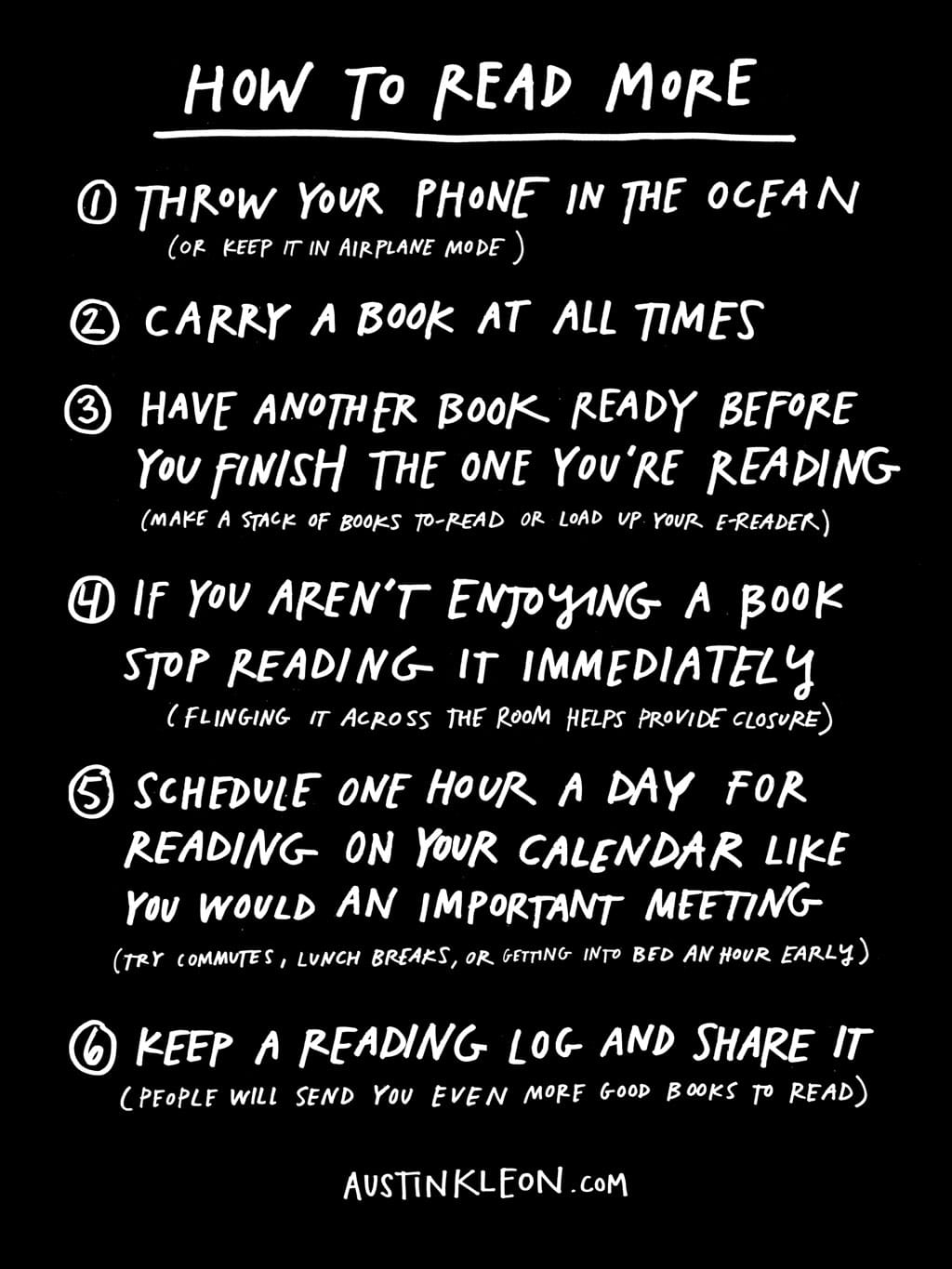
- The Input/Output Loop: You cannot output high-quality ideas if you aren’t consuming them. Increase your reading time. Engaging with work that moves you is the most effective way to stir the desire to create.
- Simplify the Scale: You are not obligated to produce long-form content every time. Short-form, experimental pieces can be just as impactful and far less taxing to produce.
- Authenticity as a Strategy: Stop searching for a "voice." You already have one. The "voice" is simply you, unfiltered. Authenticity builds the kind of long-term trust that algorithms cannot replicate.
Official Perspectives: Overcoming the Fear of Being Seen
One of the most persistent hurdles in professional writing is the "fear of being seen." Even when the writing is finished, the act of publishing can induce anxiety. Simon K. Jones, in his analysis for Write More, notes that this fear often stems from a fundamental misunderstanding of the audience’s role.
Addressing the Imposter Syndrome
Many writers struggle to claim the title of "writer" until they reach a certain level of financial or commercial success. This is a fallacy. If you are writing, you are a writer. This identity is not granted by an audience or a platform; it is an internal commitment. The sooner you internalize this, the more confidence you will project in your work.

Managing Negative Feedback
A common concern for creators is the fear of negative criticism. The reality is that all impactful work generates a spectrum of responses. If you are producing work that matters, you will inevitably encounter those who dislike it. The goal is not to eliminate criticism but to filter it. Constructive feedback is a tool for growth; negative, non-constructive criticism is noise. Learn to distinguish the two, and you will find the freedom to publish without the paralyzing fear of public reception.
The Implications for Future Publishing
The professional writing industry is currently at an inflection point. As we move deeper into 2026, the implication is clear: the era of "content for content’s sake" is waning. The writers who will thrive in the coming years are those who prioritize human resonance over volume.
The Rise of the "Human-Centric" Creator
The future belongs to the creator who understands that their work is a relationship, not a commodity. When you publish from a place of joy, your audience senses it. When you publish from a place of obligation, they sense that, too.
By implementing these strategies—prioritizing the rough draft, embracing curiosity, and protecting your identity as a writer—you are not just "fixing" a temporary burnout. You are building a sustainable infrastructure for your career. The goal is to move from a cycle of "hustle and burn" to a cycle of "create and sustain."
Final Reflections: The Path Forward
If you find yourself struggling today, take a breath. The "publishing sauce" will always be there, but it doesn’t have to dictate your life. Your voice is a unique asset, and it deserves to be nurtured, not exhausted.
Take this week to return to your roots. Write something that doesn’t need to be edited, shared, or monetized. Reconnect with the reason you first sat down to write. If you can protect that spark, everything else—the audience, the growth, and the success—will follow in due time. You have already done the hardest part: you have found your voice. Now, all you have to do is let it speak.
Was this article helpful? If you’re looking for more ways to navigate the professional publishing landscape, consider joining our creator community to connect with peers who are facing the same challenges. Remember: you are a writer. Keep going.