





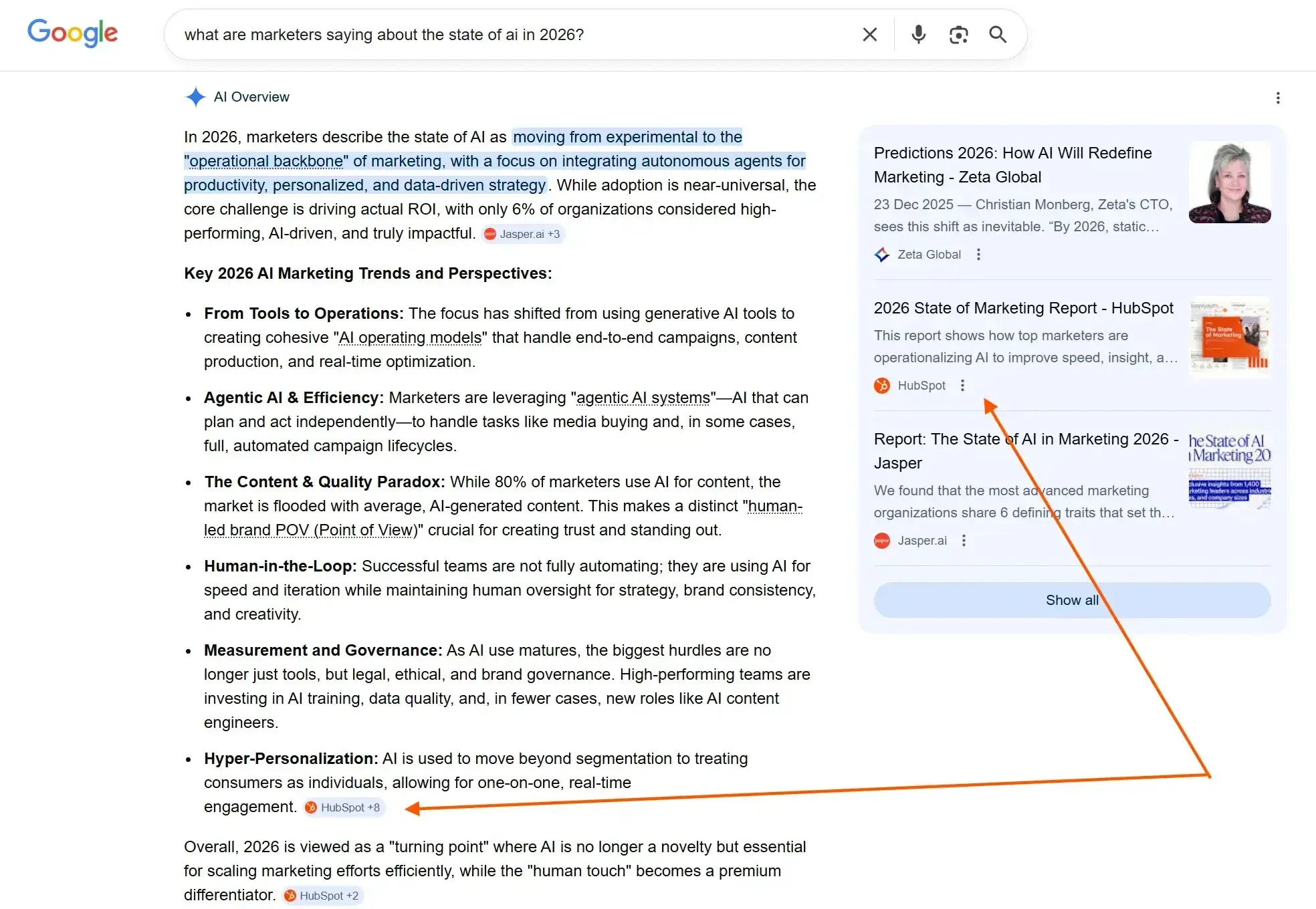
NEW YORK — As generative artificial intelligence reshapes how consumers discover information, products, and services, traditional digital marketing playbooks are undergoing a radical transformation. With an estimated 80% of users relying on zero-click results at least 40% of the time—obtaining answers directly from search engine result pages (SERPs) or AI-generated overviews—brand marketers face a profound measurement crisis. Traditional on-site analytics like clicks, scroll depth, and bounce rates are no longer enough to capture a brand’s true digital footprint.

To bridge this data gap, the technology and marketing sectors have introduced a new category of enterprise software: Large Language Model (LLM) visibility tools. Designed to track brand mentions, citations, and share of voice across answer engines, these platforms are establishing Answer Engine Optimization (AEO) as the natural evolution of traditional search engine optimization (SEO).

Main Facts: Measuring the Unseen in AI Search
The core challenge facing modern marketers is simple: when a consumer asks OpenAI’s ChatGPT, Google Gemini, or Perplexity for product recommendations, the resulting dialogue often features the brand without providing a clickable link. Alternatively, it might cite a third-party review site, completely bypassing the brand’s primary domain.

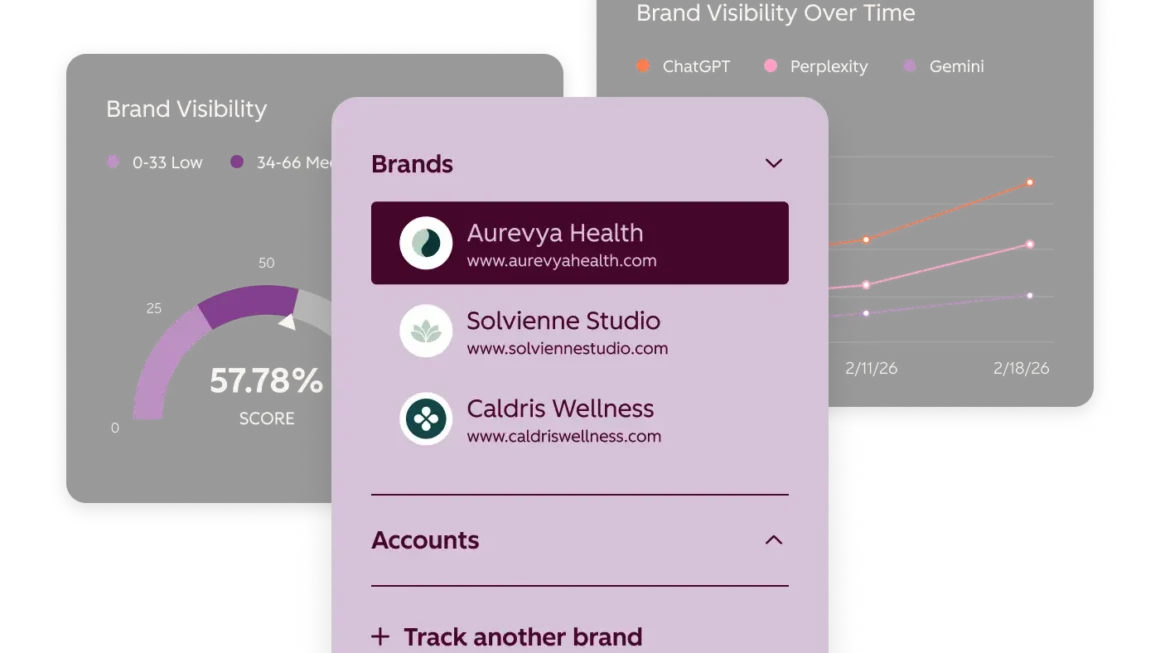
LLM visibility tools resolve this visibility black box by treating AI-generated responses not as single-point-in-time rankings, but as fluid, probabilistic patterns. Unlike traditional SEO tools that monitor fixed keyword positions, AEO platforms run repeatable prompt sets across multiple large language models on an automated schedule. They track several vital metrics:

- Brand Mentions & Sentiment: Whether a brand is referenced favorably, neutrally, or unfavorably.
- Share of Voice: How often a brand appears compared to competitors for the same buyer queries.
- Citations & Sources: Which domains, URLs, and content types are leveraged by AI engines to construct their answers.
Consequently, marketing teams are increasingly deploying specialized diagnostic utilities—such as HubSpot’s AI Search Grader or enterprise-grade software like Profound, Semrush One, and ZipTie—to audit and manage their presence in the generative AI ecosystem.

Chronology: From Keyword Ranking to Conversational Discovery
The shift from classic search queries to conversational AI has accelerated dramatically over the past 24 months, fundamentally altering the chronology of how marketing technology addresses search visibility.

- Early 2023: The explosive public adoption of ChatGPT and generative search tools initiated a widespread panic among digital marketers. As traditional organic click-through rates began to plateau, industry analysts realized that standard rank-tracking software could no longer account for conversational queries.
- Late 2023 to Mid-2024: Early pioneers in software development recognized the need for automated prompt testing. Standalone startups began building systems to run manual-style queries programmatically across multiple models to check for brand presence.
- Late 2024 to 2025: Major marketing platforms formalized the trend. Industry giants like HubSpot integrated dedicated Answer Engine Optimization features into core suites (such as Marketing Hub), while dedicated AI-analytics startups expanded their offerings to support up to nine distinct LLMs, multi-region tracking, and prompt-volume analytics.
- Present Day: The market now features a mature continuum of solutions—ranging from free, one-time diagnostic snapshot tools to multi-thousand-dollar enterprise suites—allowing organizations to systematically audit their brand health within AI models.
Supporting Data and Comparative Analysis
Navigating the landscape of LLM visibility software requires balancing engine coverage, analytical depth, and workflow integration. Industry benchmarks suggest that successful AEO strategies rely heavily on robust data sets that connect AI visibility directly to business pipelines.

To help organizations select the right approach, the market currently divides into eight primary platforms, each targeting different segments of the digital marketing ecosystem:

| Platform | Primary Focus | Key Capabilities | Target Audience |
|---|---|---|---|
| HubSpot AEO | Ongoing monitoring & CRM integration | Daily prompt tracking across ChatGPT, Gemini, and Perplexity; sentiment and citation insights. | Existing HubSpot users and mid-market teams. |
| Semrush One | Unified SEO and AI visibility | Combines traditional keyword analysis with AI visibility monitoring in one workspace. | Traditional SEO teams expanding into AEO. |
| Profound | Enterprise prompt demand data | Scalable engine coverage (up to nine models) paired with prompt-volume analytics. | Large enterprises with multi-region requirements. |
| Peec AI | Standalone AI search analytics | Dedicated brand tracking, sentiment analysis, and prioritized "Actions" workflow. | Teams seeking dedicated AI analytics without broader suites. |
| Tracksuit | Always-on consumer brand health | Measures consumer awareness, preference, and associations to complement AI data. | Brand marketing leaders and enterprise organizations. |
| Rankshift AI | Broad engine coverage and flexibility | Comprehensive prompt tracking with flexible frequencies and generous project limits. | Growing businesses needing versatile tracking. |
| ZipTie | Usage-based AI search intelligence | Highly configurable engine selection, tracking cadence, and full-response monitoring. | Organizations wanting customized, pay-as-you-go parameters. |
| Gumshoe | Persona-based visibility audits | Evaluates AI search performance filtered by distinct buyer personas and target topics. | Marketers focused on segmented audience journeys. |
Official Responses and Industry Perspectives
Marketing technologists and industry veterans emphasize that AEO is designed to complement, rather than cannibalize, traditional search engine optimization.

"While analytics tools can show traffic arriving from AI platforms through referral links, they fundamentally cannot measure the vast majority of users who see your brand in an AI-generated answer and choose to investigate further without clicking," notes product strategy literature from leading analytics platforms.

Furthermore, experts advise against treating AI outputs as static rankings. Because large language models use probabilistic sampling, answers naturally fluctuate between runs. Official guidance from platform developers stresses that marketing teams must evaluate visibility trends over multi-week or multi-month periods rather than reacting to isolated daily variations. By pairing AI search sensors—which monitor broader industry volatility—with brand-specific prompt tracking, organizations can isolate genuine strategic shifts from routine algorithmic noise.

Implications: Building a 30-Day AEO Roadmap
The operational implications for digital marketing departments are clear: passive observation is no longer viable. Organizations looking to operationalize AI visibility tracking are increasingly adopting a disciplined, four-week rollout strategy:

- Week 1 (Build the Prompt Set): Gather real-world audience language from sales transcripts, customer support tickets, and social listening platforms to construct a targeted list of buyer questions across the discovery funnel.
- Week 2 (Establish the Baseline): Utilize diagnostic snapshots—such as free AI search graders—to capture initial brand sentiment, recognition, and competitive positioning before implementing strategic changes.
- Week 3 (Review Citations and Prioritize Fixes): Analyze the specific domains and URLs referenced by LLMs. Categorize them into owned properties, third-party publications, and missed opportunities, then update content to address structural gaps.
- Week 4 (Move into Ongoing Tracking): Implement automated daily or weekly monitoring across targeted answer engines, integrating AI visibility metrics with existing CRM data and sales KPIs to measure true pipeline influence.
Ultimately, as conversational search continues to capture a greater share of the consumer discovery journey, the integration of LLM visibility tools into daily marketing workflows will transition from an innovative edge to an essential operational standard.