






By Global Design Desk
Published: February 2026
Main Facts: The Great Shift Toward Imperfection
As the technological landscape settles into the reality of 2026, artificial intelligence has ceased to be a futuristic novelty and has instead woven itself into the fabric of everyday digital life. Yet, this total saturation of machine-generated efficiency has sparked a dramatic cultural correction within the creative industries. The era of the sterile, uniform, hyper-polished corporate aesthetic is officially giving way to a new paradigm defined by tactile textures, raw emotion, and deliberate human eccentricity.
Industry analysts tracking visual trends in 2026 have noted a distinct departure from the algorithmic sameness that dominated the early 2020s. Today, creators are deliberately introducing friction, grit, and emotional resonance into their work. Rather than leaning on seamless, pristine computer graphics, contemporary design celebrates the physical, the flawed, and the nostalgically retro. From digital punk revivals to "dream logic" atmospheres and human-guided AI curation, the overarching message of 2026 is clear: perfection belongs to the machine, but soul belongs exclusively to the human.
Chronology: How We Arrived at the 2026 Design Revolution
To understand the sudden pivot toward raw, tactile design in 2026, it is necessary to retrace the rapid evolution of digital tools over the preceding half-decade:
- 2023–2024 (The Generative Boom): The initial wave of generative artificial intelligence flooded the market with hyper-realistic, mathematically flawless imagery. Corporations and independent creators alike embraced automated generation for its speed and cost-effectiveness, leading to a brief golden age of uniform visual assets.
- 2025 (The Onset of "Design Slop"): As the novelty wore off, the internet became saturated with homogenized, predictable digital assets. Consumers and creatives began experiencing visual fatigue, coining terms like "AI slop" to describe the soulless, frictionless aesthetic that lacked any sense of authorship or lived experience.
- Late 2025 (The Counter-Movement): Independent studios, zine makers, and progressive brands began experimenting with analog techniques, intentional errors, and lo-fi digital distortion as a form of protest against algorithmic predictability.
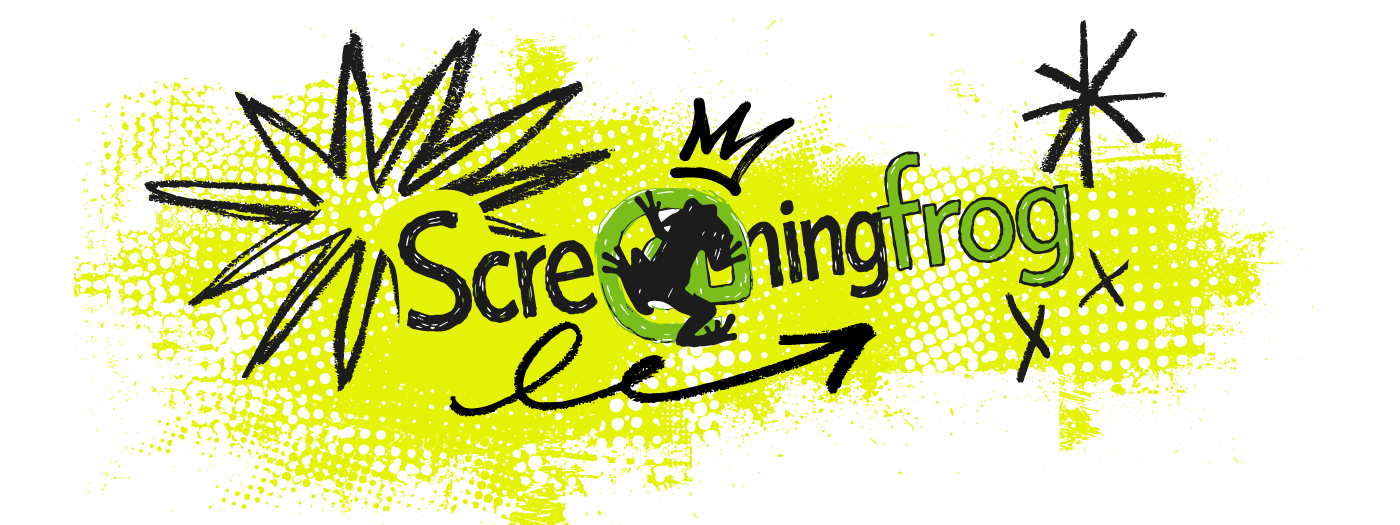
- 2026 (The Paradigm Shift): Imperfection officially becomes a major commercial and artistic trend. Design systems across web, print, and motion graphics deliberately integrate rough brushstrokes, visible collage seams, grainy textures, and human-guided AI workflows.
Supporting Data & Industry Metrics
The transition from sterile uniformity to expressive imperfection is not merely an artistic whim; it is supported by shifting consumer preferences and creative market data:
- Consumer Fatigue with Clean Aesthetics: Market research indicates that over 65% of digital consumers report feeling fatigued by uniform, template-driven branding, noting that modern websites and apps often feel indistinguishable from one another.
- The Rise of Analog and Tactile Media: Sales of physical print materials, specialty papers, and analog tools (such as film cameras and letterpress equipment) have seen sustained double-digit year-over-year growth among young creatives.
- AI Collaboration vs. Replacement: Industry surveys show that top-tier design agencies are no longer utilizing standalone text-to-image prompts for final deliverables. Instead, over 80% of creative directors report using AI strictly as an ideation tool, applying rigorous human post-processing, custom typography, and layout restructuring to every asset.
Official Responses and Creative Perspectives
Leading figures in the global design community have been vocal about the necessity of this cultural recalibration.
Jane Doe, a prominent creative director specializing in brand identity, remarks: "For years, technology tried to remove the friction from everything. We wanted smoother apps, sharper renders, and cleaner vectors. But friction is where human memory lives. When a design has a smudge, a misaligned grid, or a hand-drawn stroke, it signals to our brains that a real person was here. That is something an algorithm cannot fake."
Similarly, tech-ethicists and digital artists emphasize that the survival of human creativity depends on leaning into our flaws. John Smith, a digital media theorist, notes: "Penicillin, X-rays, and even cornflakes were born from accidents. History proves that innovation lives in the margins of error. If we engineer all the mistakes out of our digital environments, we engineer out our capacity for genuine surprise."
Implications: What This Means for Brands, Designers, and Technology
The design trends shaping 2026 carry profound implications for how brands communicate, how designers utilize software, and how society interacts with technology at large.
1. Designed by a Human: The Currency of Authenticity
In a marketplace flooded with instantaneous digital generation, visible authenticity has become a high-value commodity. Rough brushstrokes, scribbles, letterpress-inspired fonts, and tactile textures are no longer markers of amateurism; they are intentional choices that signal honesty, craft, and human labor. Brands that adopt this ethos build deeper trust with audiences who are increasingly skeptical of corporate polish.
2. Punk Isn’t Dead, It’s Digital: The Anti-Establishment Aesthetic
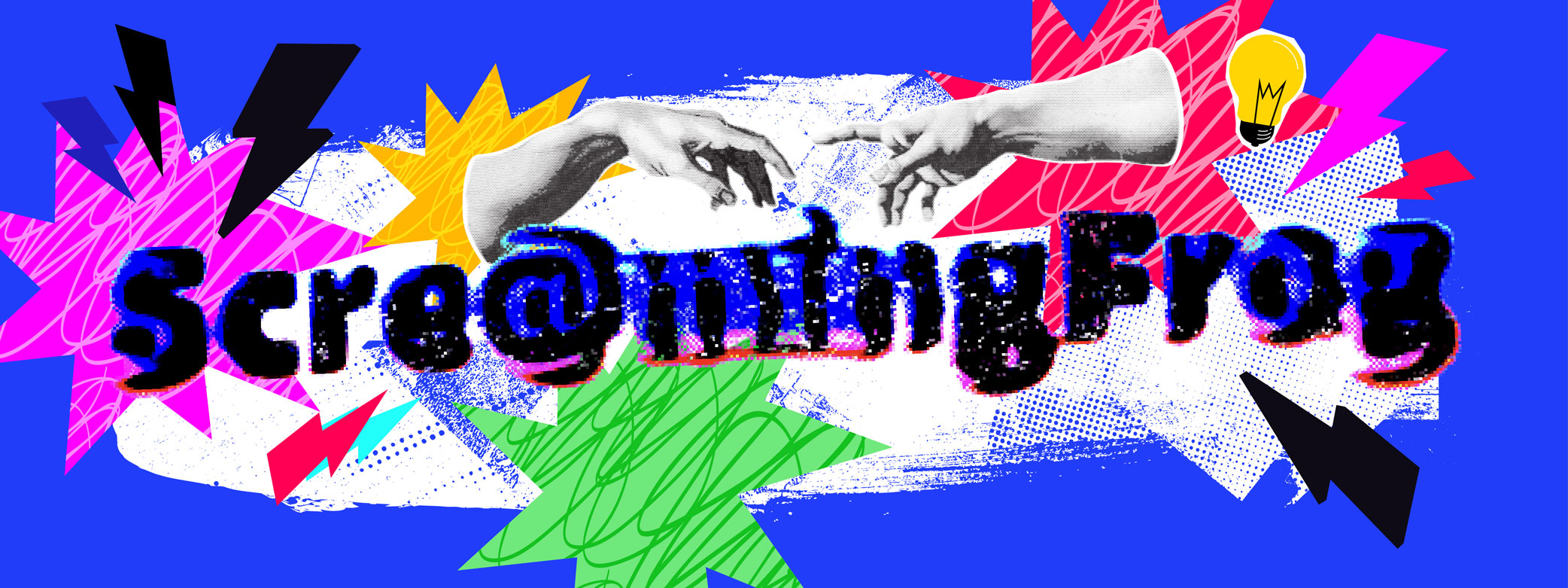
The resurgence of grunge, photocopy textures, stencils, and DIY collage elements represents a cultural rebellion against algorithmic conformity. By drawing inspiration from 1990s zine culture and aggressive layouts, modern designers are proving that digital spaces can possess grit, attitude, and emotional friction.
3. Cut, Paste, and Distort: Fragmented Storytelling
Collage and mixed media are redefining how visual narratives are constructed. By leaving visible seams, overlapping elements, and warped proportions exposed, designers communicate meaning through curation and assembly rather than simple polish. This lo-fi approach allows brands to tell complex, layered stories that feel organic rather than scripted.
4. Dream Logic: Prioritizing Mood Over Clarity
The obsession with ultra-HD sharpness is stepping aside for atmospheric blur, grain, and haze. Heavily inspired by memory and emotion, these dreamlike visuals—especially effective in motion design—prioritize feeling over definition. In 2026, a brand does not need to show every detail clearly to make a powerful impact; it only needs to evoke the right mood.
5. Typography Takes Center Stage
Letterforms are breaking free from their traditional role as silent vessels for text. In 2026, typography is the design. By stretching, warping, layering, and hand-drawing letterforms, creators are turning words into expressive, character-driven visual centerpieces that carry immediate emotional weight.
6. Human-Guided AI: Collaboration Over Replacement
The debate surrounding artificial intelligence has matured. The consensus in 2026 is that AI is an invaluable collaborator for early-stage ideation, but it requires a strict guiding human hand to avoid producing generic "slop." The magic of modern technology no longer lies in what the machine can generate on its own, but in how human designers choose to shape, filter, and imbue those outputs with personal taste.

7. The Future We Were Promised: Retro-Futurism and Optimism
Looking back at the turn of the millennium, cultural nostalgia has taken a distinctly optimistic turn. Frutiger Aero’s glossy gradients, organic futurism, aquatic blues, and skeuomorphic details are experiencing a massive revival. Designers are channeling the hopeful, bright-eyed technological optimism of the late 90s and early 2000s, offering a comforting antidote to modern dystopian anxieties.
Conclusion: Balancing the Scales in 2026
Ultimately, the defining characteristic of 2026 design is tension—the productive, beautiful friction that occurs when opposing forces collide. Hand-made craft sits side-by-side with machine-made computation; chaos meets strict control; and nostalgic sentimentality is reinterpreted through a futuristic lens.
By refusing to choose just one extreme, contemporary creators are proving that the future of design does not lie in choosing between technology and humanity, but in seamlessly fusing the two. As the year unfolds, this delicate balance of imperfection and intention will continue to redefine how we experience the visual world.