




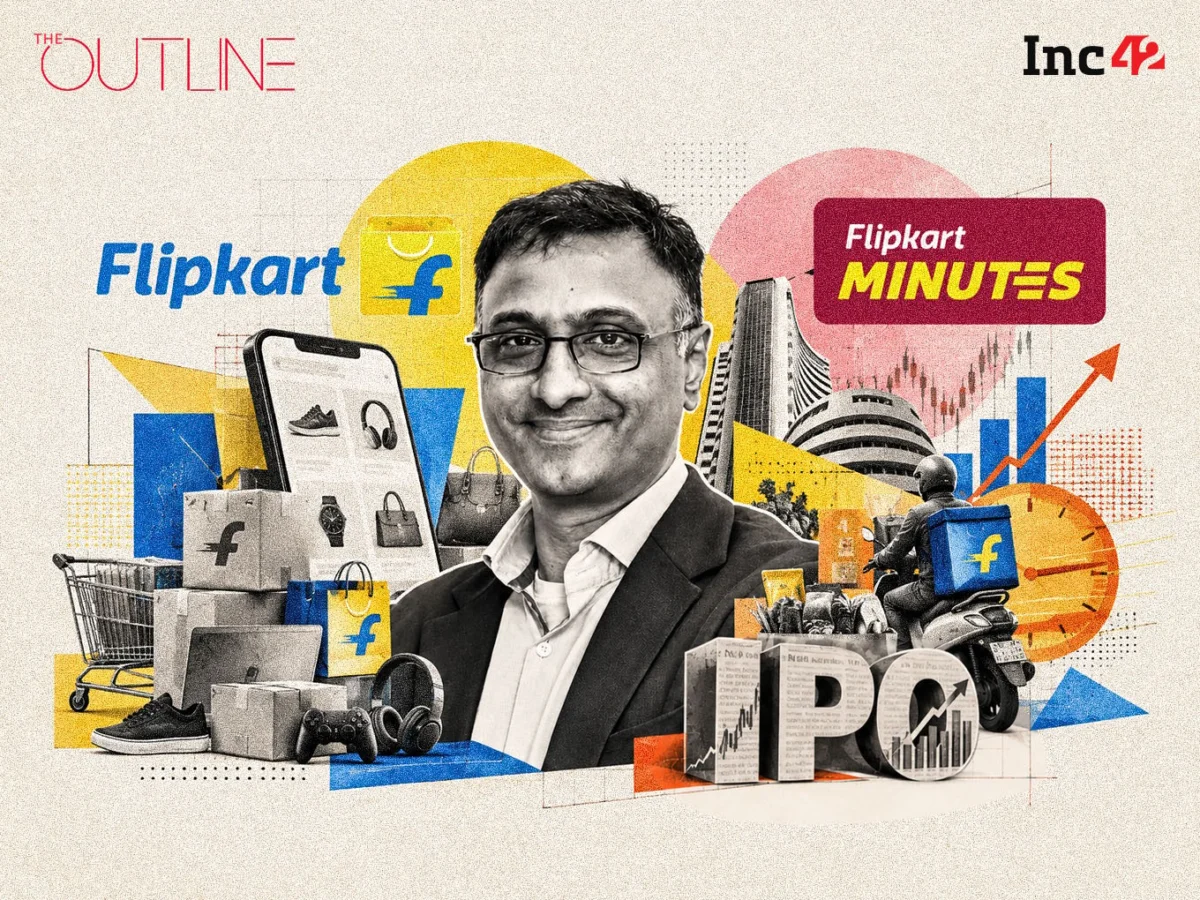
For the past year, the corridors of Flipkart’s Bengaluru headquarters have been humming with a mixture of ambition and anxiety. As the e-commerce titan juggles an aggressive expansion into quick commerce, a looming mandate for profitability from parent company Walmart, and the persistent, unanswered question of an Initial Public Offering (IPO), the company finds itself at a defining inflection point.
The pressures are not merely abstract; they are manifesting in a significant churn of senior leadership. With 14 senior-level exits in just over a year—the latest being three Vice Presidents—the company is navigating a "summer of discontent" that threatens to dampen the morale of its internal workforce, particularly those holding Employee Stock Ownership Plans (ESOPs).
The Anatomy of Executive Churn
The departure of three additional VPs has drawn intense industry scrutiny. Kanchan Mishra (VP, Smartphones), Amit Sachan (VP, Product and Tech), and Kamal Chopra (VP, Corporate) have collectively contributed over 20 years of service to the company. Their exits are not the typical "churn" seen in early-stage startups; these are tenured leaders who navigated the firm through the complex post-pandemic restructuring.
Industry observers note that while a company of Flipkart’s scale—boasting over 30 VP-level executives and more than a dozen Senior Vice Presidents—can absorb the loss of individual contributors, the cumulative effect of 14 high-level departures suggests a deeper malaise. Sources indicate that for many of these executives, the primary friction point is the lack of a clear exit strategy for their ESOPs. In an ecosystem where equity is a core component of executive compensation, the indefinite postponement of the IPO has effectively trapped their "paper wealth," prompting many to seek new ventures or roles elsewhere.
The ESOP Liquidity Dispute
The frustration surrounding stock options has transcended internal water-cooler conversations, escalating into a formal grievance directed at the highest levels of the parent organization. In a move that highlights the growing disconnect between management and its former leadership, a group of high-profile alumni—including former Myntra CEO Mukesh Bansal, former Chief Business Officer Ankit Nagori, and former CFO Sanjay Baweja—recently penned a letter to Walmart’s board.
The letter explicitly requests a fair opportunity for former employees to cash out their vested ESOPs. The petitioners argue that their contributions helped build the foundation of the current entity, and the absence of an IPO timeline denies them the liquidity they were led to expect.
However, the perspective from the broader startup ecosystem is nuanced. One unicorn founder, speaking on the condition of anonymity, noted that while the company has a moral obligation to its employees, rushing an IPO to appease liquidity demands could be a strategic blunder. "If they have already conducted a $50 Mn buyback, they have provided some recourse. If you list in a rush without achieving the right market value, you destroy value for everyone," the founder noted.
The Walmart Mandate: Profit Over Hype
The primary architect of this cautious approach is Walmart. Since CEO John Furner’s visit to Bengaluru, the directive has been clear: achieve EBITDA breakeven by the end of FY27 before entertaining the prospect of a public listing.
This mandate has forced Flipkart to pivot from its traditional "growth-at-all-costs" philosophy to a more disciplined, bottom-line-focused strategy. The company is currently sitting on a valuation of roughly $35 Bn–$36 Bn, a figure it hopes to preserve or grow, despite market volatility. Analysts like Rahul Sharma of Equity99 suggest that a "valuation haircut" might be inevitable if the company continues to project a tech-startup narrative rather than a mature, omnichannel-retail reality.
"Flipkart must position itself as a disciplined, mature ecosystem," Sharma explains. "A concrete, proven roadmap to profitability is the only way to defend a $35 Bn valuation in the current climate, where public markets are increasingly skeptical of cash-burning entities."
The Quick Commerce Conundrum: Flipkart Minutes
While the directive is to pursue profitability, Flipkart is simultaneously engaged in a capital-intensive battle for the quick commerce market. Its service, Flipkart Minutes, has expanded rapidly, reaching 1,000 micro-fulfillment centers across 130+ cities in under two years.

This expansion is, by definition, a drain on short-term profitability. Building out dark stores, optimizing inventory, and maintaining a lightning-fast delivery fleet requires heavy upfront investment. The company is now poised to further complicate its financial picture by launching "eat-in by Minutes," a food delivery service.
While food delivery offers a high-frequency use case that could boost app engagement, it is a notoriously thin-margin business. In a market dominated by incumbents like Zomato and Swiggy, which spend heavily on customer acquisition and promotions, Flipkart’s entry will necessitate significant operational expenditure. This creates a "profitability paradox": the company is being asked to cut losses for an IPO, while simultaneously being required to spend heavily to remain relevant in the high-growth quick commerce space.
Financial Performance: A Mixed Bag
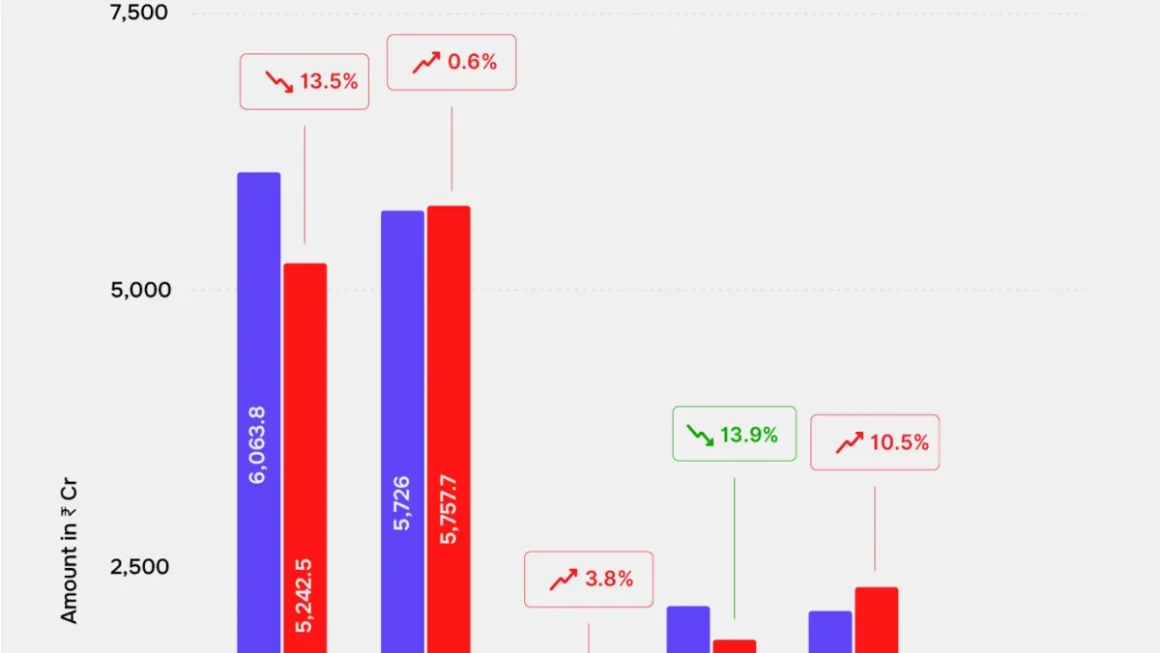
The financial data for FY26 paints a complex picture. The Flipkart Group reported a consolidated revenue of ₹1.45 Lakh Cr, an 18.2% increase year-on-year. While net losses narrowed by 2.1% to ₹8,468 Cr, the reduction is arguably marginal given the scale of operations.
Adjusted EBITDA improved by approximately ₹1,500 Cr, signaling that the core business is becoming more efficient. However, higher finance costs and the complex tax implications of the company’s "reverse flip"—the strategic move of its legal domicile from Singapore back to India—have weighed heavily on the bottom line.
For the marketplace entity, Flipkart Internet, the numbers are even more stark. A 19.3% decline in operational revenue, coupled with a sharp rise in net losses to ₹5,498 Cr, highlights the costs associated with restructuring and legal relocation.
Implications and Outlook
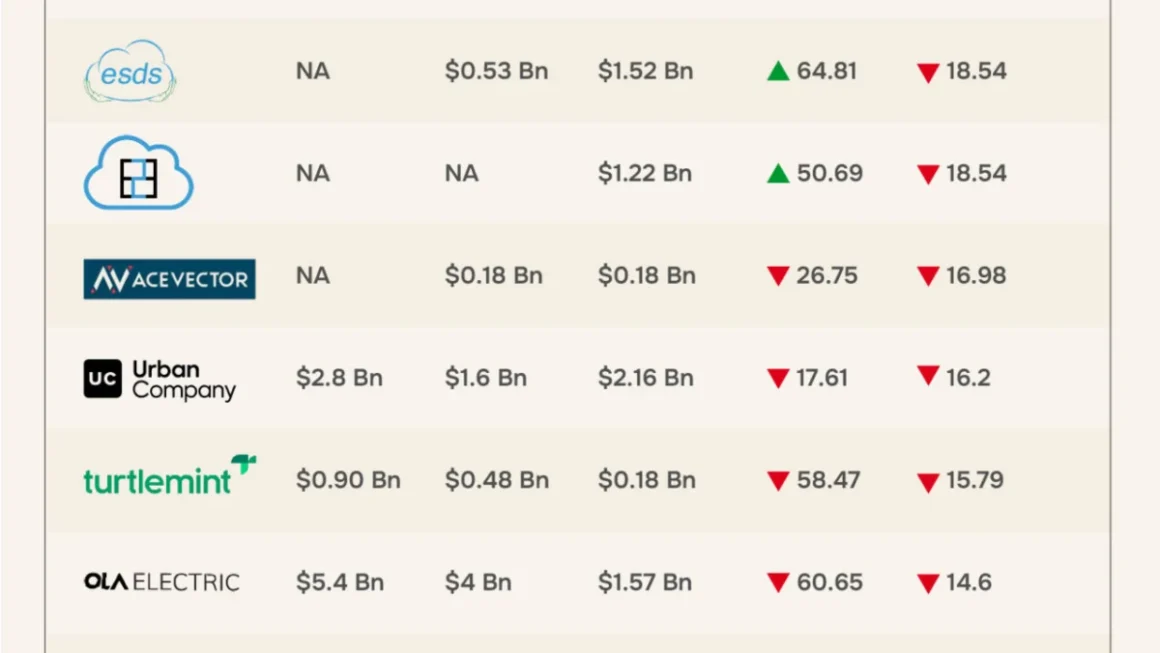
The road ahead for Flipkart is fraught with structural challenges. The comparison to other Indian e-commerce players, such as Meesho and AceVector (Snapdeal), provides a sobering reality check. These firms have successfully reached the public markets, but their performance post-listing has been mixed. AceVector’s shares, for instance, have struggled to maintain their issue price, serving as a cautionary tale for any firm entering the current market.
For Flipkart, the immediate challenge is to balance the competing interests of its stakeholders:
- The Parent: Walmart demands fiscal discipline and EBITDA breakeven to ensure a successful, high-value IPO.
- The Employees: Current and former staff demand liquidity, viewing the IPO as the culmination of their professional investment in the company.
- The Market: Investors and analysts demand a coherent strategy that reconciles the heavy spending required for quick commerce with the necessity of showing profit.
As the company moves toward the end of the fiscal year, the narrative is shifting from "when will they go public?" to "can they go public without compromising their future?" The leadership churn, while not destabilizing in the immediate term, is a symptom of the tension inherent in this transition.
Ultimately, Flipkart’s success will depend on its ability to prove that its move into quick commerce and food delivery is not just another burn-heavy expansion, but a sustainable extension of a mature retail ecosystem. If they can demonstrate that these new ventures can achieve operational efficiency, they may satisfy Walmart’s profitability mandate. If they fail, the pressure from employees and the market will only mount, potentially forcing a choice between a valuation haircut or a further delay in their public market debut.
In this high-stakes game, Flipkart is not just managing a company; it is managing a legacy. Whether it emerges as a lean, profitable retail giant or remains a cautionary tale of "too big to pivot" will be determined by the decisions made in the coming eighteen months. The eyes of the Indian startup ecosystem remain fixed on Bengaluru, waiting to see if the pioneer of Indian e-commerce can navigate the most difficult transition of its existence.