


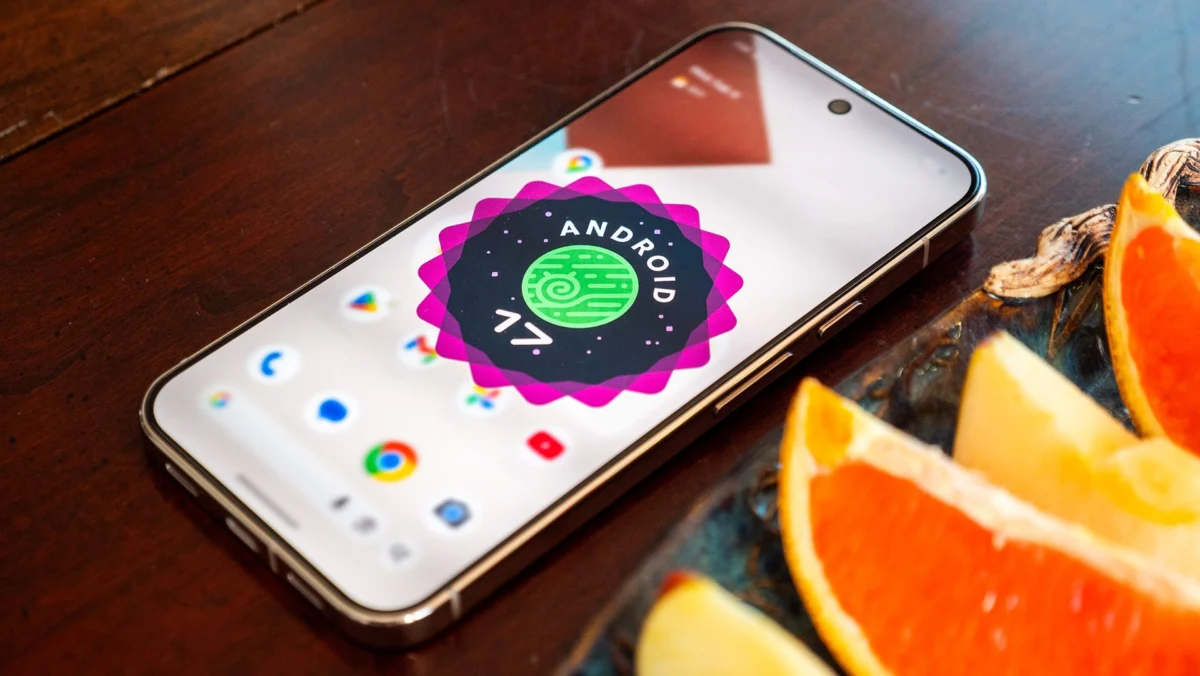
MOUNTAIN VIEW, California — In an era where smartphone theft has evolved from simple pickpocketing into a sophisticated enterprise of digital circumvention, Google is rolling out a long-awaited line of defense. With the rollout of Android 17 QPR3 Beta 2, the tech giant is introducing a targeted security measure designed to thwart one of the most common tactics employed by modern phone thieves: instantly severing a device’s connection to the outside world right from the lock screen.
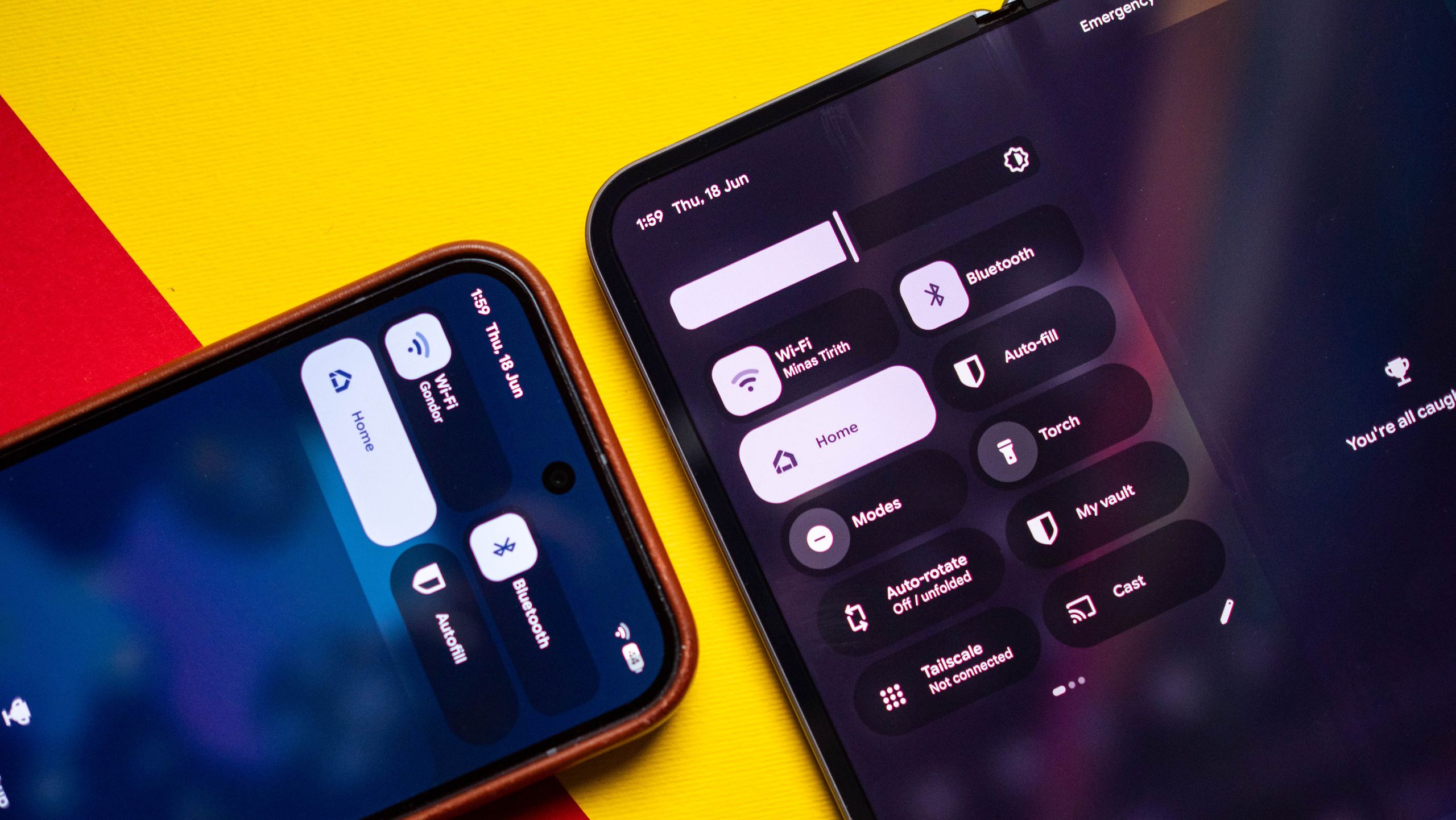
The update, designated under build number DP11.261002.005, targets a glaring loophole that has long frustrated victims of device theft. Historically, unauthorized users who managed to acquire a locked phone could effortlessly swipe down the Quick Settings shade and disable Wi-Fi, Bluetooth, mobile data, or activate airplane mode. By cutting off internet access and remote tracking channels before the owner could utilize services like Google’s "Find My Device," thieves effectively rendered the handset a ghost—untethered, unlocatable, and much harder to recover.
Android 17 QPR3 Beta 2 seeks to permanently close this back door by requiring biometric or passcode authentication before any core connectivity features can be altered on the lock screen.
Main Facts: What the New Android 17 Beta Feature Does
The core of the new update revolves around a specific toggle titled "Lock Quick Settings connectivity."
When enabled, the feature places strict authentication barriers around four crucial network toggles:
- Wi-Fi
- Bluetooth
- Mobile Data
- Airplane Mode
Rather than locking down the entire Quick Settings panel—which would force users to unlock their phones simply to turn on a flashlight or check battery status—Google has opted for a granular approach. Non-sensitive utilities like the flashlight, auto-rotate, and Battery Saver remain fully accessible from the lock screen. This ensures that day-to-day usability and convenience are preserved without sacrificing the high-level security needed to prevent tracking obstruction.
How to Enable the Feature
For users currently enrolled in the Android Beta Program and running the latest QPR3 Beta 2 build on eligible Pixel devices, enabling the setting is straightforward:
- Open the device Settings.
- Navigate to Security & privacy > Device unlock (or alternatively, Display & touch > Lock screen).
- Locate and toggle on Lock Quick Settings connectivity.
Once activated, any attempt to toggle network connections while the phone is locked will prompt the user for their PIN, password, or biometric verification (such as a fingerprint or face unlock).
Chronology: The Evolution of Mobile Anti-Theft Measures
The introduction of lock-screen connectivity restrictions did not happen overnight; it represents the latest step in a multi-year industry crusade against device theft.
- The Early Days of Remote Wiping (2010–2015): In the early years of smartphones, manufacturers focused primarily on cloud-based tracking and remote data wiping. However, these tools proved useless if a thief immediately powered down the device or removed the SIM card.
- Activation Lock Eras (2013–2018): Both Apple and Google introduced hardware-level "Activation Locks" and Factory Reset Protection (FRP). These measures tied a wiped phone to the original owner’s Google or iCloud account, rendering stolen devices largely useless for resale—often referred to as digital "brick" technology.
- The Offline Blind Spot (2019–2023): Despite advancements in anti-theft software, a physical loophole remained. Cybersecurity researchers and consumer advocates repeatedly pointed out that thieves could bypass cloud tracking simply by pulling down the notification shade on a locked phone and toggling off cellular data and Wi-Fi.
- The Shift to Proactive Interception (2024–Present): Recognizing that network isolation is the primary enabler of modern phone theft, operating system developers began engineering proactive restrictions. Apple introduced similar lock-screen control limitations in recent iOS iterations, and Google is now matching this capability with its Android 17 ecosystem updates.
- October 20, 2025: Google officially releases Android 17 QPR3 Beta 2 (build DP11.261002.005) to registered Pixel beta testers, quietly introducing the lock-screen connectivity toggle alongside a suite of stability patches and bug fixes.
Supporting Data: Beyond Security—A Comprehensive Bug Fix List
While the anti-theft connectivity feature has dominated headlines among technology enthusiasts, Android 17 QPR3 Beta 2 is also a major maintenance release. Pixel owners who have reported system instability over previous beta cycles will find a substantial list of quality-of-life improvements included in this build.
According to release notes published by the Android Beta team on Reddit, the October 20 deployment resolves several persistent hardware and software anomalies:
- System Stability: Eradicated intermittent device crashes and unexpected random reboots that plagued select Pixel models.
- Bluetooth Reliability: Fixed underlying bugs responsible for frequent Bluetooth pairing failures and audio dropouts with connected peripherals.
- Power Management: Mitigated issues causing excessive idle battery drain, ensuring standby efficiency returns to expected baseline levels.
- Interface Polish: Resolved bugs affecting the responsiveness and visual consistency of the Internet Quick Settings tile.
Despite these fixes, beta software inherently carries risks. Google’s Android Beta team continues to issue standard warnings advising users against installing QPR3 Beta 2 on primary, daily-driver devices where system instability or application incompatibilities could disrupt mission-critical tasks.
Official Responses and Developer Insights
The discovery of the hidden connectivity lock was first flagged by eagle-eyed testers parsing through the code and community forums of the r/android_beta subreddit. Users exploring the nuances of build DP11.261002.005 quickly realized that the update addressed a long-standing community request.
While Google’s product managers did not issue a dedicated standalone press conference for the feature—opting instead to detail it within the comprehensive beta release notes—developers and privacy advocates have lauded the move as a pragmatic victory.

Security analysts note that while no software update can completely eliminate physical theft, removing the "quick-disconnect" option drastically reduces the window of opportunity a thief has to hide a stolen device. By forcing a criminal to interact with an authenticated screen to drop a network connection, the operating system buys valuable time for automated background location beacons to transmit coordinates to cloud servers.
Furthermore, the decision to leave benign shortcuts—like the flashlight and Battery Saver—unrestricted highlights a deliberate balancing act by Google’s UI/UX designers. Locking down every tile would have drawn heavy criticism from users who rely on rapid lock-screen utilities. By isolating network settings specifically, Google has targeted the vector most dangerous to device recovery without degrading daily user experience.
Implications: What This Means for Pixel Users and the Mobile Industry
The rollout of lock-screen connectivity restrictions in Android 17 carries far-reaching implications for smartphone security, consumer behavior, and competitive parity within the mobile operating system market.
1. Raising the Cost of Stolen Hardware
For criminal syndicates specializing in phone trafficking and parts harvesting, devices that remain connected to cellular and Wi-Fi networks present a continuous security risk. When a phone cannot be instantly isolated from the network, remote lockout commands, siren triggers, and GPS tracking remain active. Over time, features like these diminish the secondary market value of stolen Android devices, theoretically reducing the overall economic incentive for street-level theft.
2. Setting a New OS Standard
With both major mobile ecosystems—iOS and Android—now implementing authentication walls for lock-screen network toggles, this capability is poised to transition from a novel "beta feature" to an industry-standard baseline. Future iterations of competing Android forks (such as Samsung’s One UI or Xiaomi’s HyperOS) will likely face consumer pressure to adopt comparable security measures.
3. The Ongoing Tug-of-War Between Convenience and Control
Smartphone design has always been defined by the tension between frictionless convenience and ironclad security. In the early days of mobile computing, lock screens offered virtually no utility without a full unlock. Over the last decade, user demand forced a compromise, opening up quick-access tools like flashlights, cameras, and connectivity toggles. Google’s latest implementation in Android 17 proves that security architectures can adapt and retract privileges when convenience is weaponized by bad actors.
Availability and Next Steps
Android 17 QPR3 Beta 2 is currently rolling out over-the-air (OTA) to all supported Pixel hardware—ranging from the Pixel 10 Pro Fold to the Pixel 10 Pro XL—currently enrolled in the Android Beta program. Users wishing to test the feature ahead of its public stable release can opt into the program via the official Android Beta website, though caution is strongly advised given the pre-release nature of the software. A stable, public rollout incorporating these security parameters is anticipated in the coming months as the Android 17 development cycle reaches its final maturity phase.