






In a strategic move to redefine the boundaries of mid-range mobility, vivo has officially unveiled the vivo Y600 in the Chinese market. Known internationally as the vivo S2 FE—which debuted in India earlier this month—the Y600 represents a departure from the traditional sleek-and-fragile aesthetic of modern smartphones. Instead, vivo has opted to prioritize sheer endurance, positioning this device as the ultimate companion for outdoor laborers, frequent travelers, students, and seniors who demand reliability above all else.
By integrating a massive 10,000mAh battery and a chassis engineered for extreme environmental durability, the Y600 is poised to disrupt the sector. This is not merely a smartphone; it is a tool designed to survive where others fail, marking a significant evolution in vivo’s Y-series portfolio.
Main Facts: Redefining Durability and Power
The core identity of the vivo Y600 is built upon two pillars: unprecedented battery longevity and industrial-grade physical protection. While the modern smartphone market is often obsessed with shaving millimeters off device thickness, the Y600 embraces a more functional design philosophy.
The 10,000mAh Powerhouse
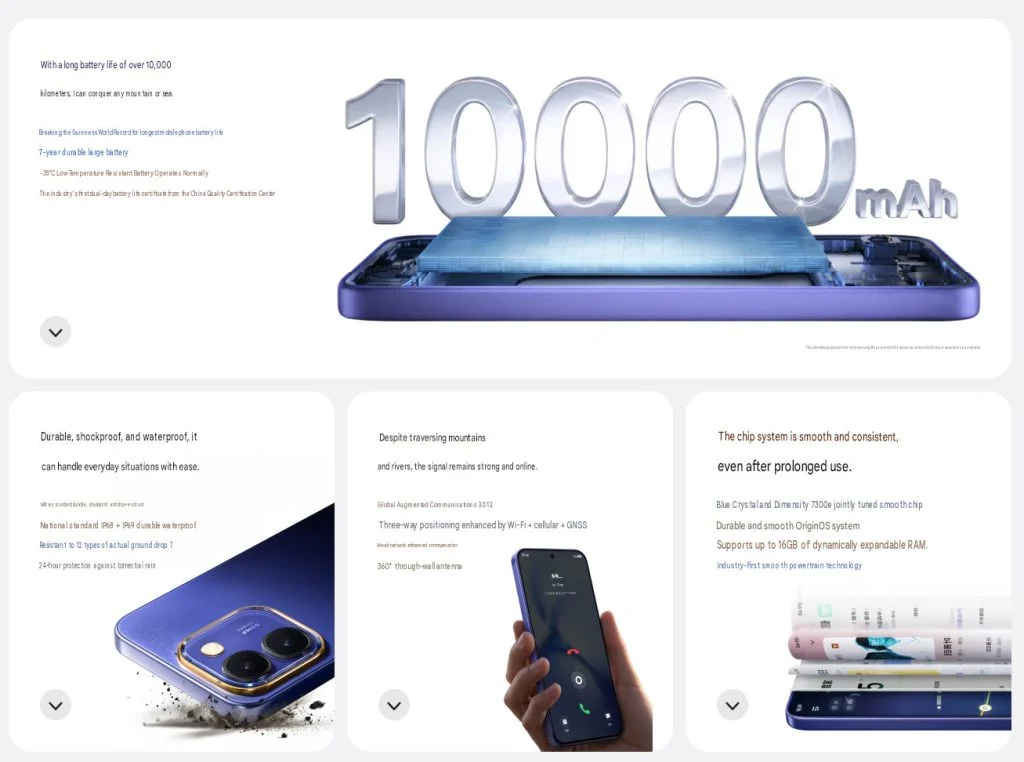
At the heart of the Y600 lies a colossal 10,000mAh battery. Unlike standard lithium-ion cells, this battery is marketed with a "7-year durable ultra-low temperature" rating. vivo has engineered the chemistry to ensure the device remains operational in temperatures ranging from -35°C to 50°C. This makes the Y600 a viable tool for users in high-altitude environments, industrial cold-storage facilities, or regions prone to extreme heat waves, where conventional smartphones often suffer from rapid capacity degradation or sudden thermal shutdowns.
Military-Grade Fortification
The Y600 is designed to withstand the rigors of real-world accidents. Meeting seven distinct military-standard environmental benchmarks, the device undergoes rigorous stress testing. This includes a series of 12 drop-resistance simulations, ranging from standard 1-meter impacts to high-velocity 1.2-meter drops at speeds of 25 km/h. Furthermore, the phone features a "three-layer waterproof dam" architecture, ensuring that liquid ingress is a concern of the past, whether in torrential rain or accidental spills.
Chronology: From India to China
The journey of this device began earlier this month in India, where it was introduced to the market under the moniker "vivo S2 FE." The reception in India highlighted a growing consumer appetite for "workhorse" devices that bridge the gap between high-end performance and budget-friendly accessibility.
- Early October: Initial rumors and leaks surfaced regarding a new high-endurance device in the Y-series.
- Mid-October: The device was officially introduced in the Indian market as the vivo S2 FE, garnering positive attention for its battery specs.
- Late October: vivo officially launched the device in China as the vivo Y600, tailoring the software and marketing to the domestic Chinese demographic.
- October 30th: Official retail sales commence, marking the global expansion of the device’s availability.
Supporting Data: Technical Specifications
The Y600 does not sacrifice performance for its rugged exterior. It balances power and efficiency through a well-curated hardware selection.
Display and Visuals
The front of the device is dominated by a 6.83-inch 1.5K display. With a 120Hz refresh rate, the device ensures fluid navigation, whether the user is multitasking between work applications or consuming media. Notably, the screen is SGS-certified for low blue light emissions, a vital feature for students and professionals who spend extended hours looking at their screens.
Processing and Connectivity
Powering the Y600 is the MediaTek Dimensity 7300e processor, a chip that balances power efficiency with sufficient muscle for modern applications. Perhaps more impressive is the "Space-Time Signal Enhancement 3.0" technology. By employing a 360-degree wall-penetrating antenna layout, vivo claims to have boosted signal performance by up to 90% in low-coverage areas. This is a critical selling point for outdoor workers operating in rural or signal-congested environments.
Storage Configurations
The vivo Y600 is available in four storage tiers to cater to different user needs:
- 8GB RAM + 128GB Storage
- 8GB RAM + 256GB Storage
- 12GB RAM + 256GB Storage
- 12GB RAM + 512GB Storage
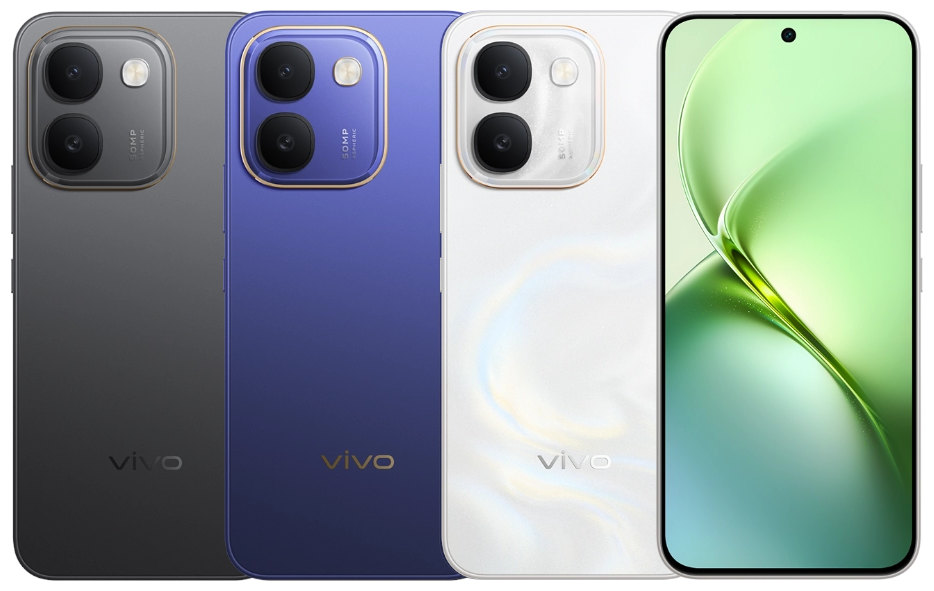
The device is available in three distinct colorways: Diamond Gold, Titanium Gold, and Starry Blue, blending durability with a premium aesthetic finish.
Official Responses and Strategic Vision
In statements surrounding the launch, vivo representatives have emphasized that the Y600 is a response to the "fragilization" of the smartphone market. "Users want tools that work, not just accessories that look good," noted a spokesperson during the unveiling.
The software layer of the Y600 has been specifically tuned for target demographics:
- For Outdoor Workers: Enhanced GPS, offline map optimization, and high-visibility brightness modes for direct sunlight.
- For Students: Focused "Do Not Disturb" modes, integrated digital wellbeing tools, and long-lasting battery life to support full-day study sessions without a power bank.
- For Seniors: A dedicated simplified UI mode with high-contrast text, simplified navigation menus, and emergency contact integration.
This tiered software approach suggests that vivo is looking to capture a broader market share by addressing the specific pain points of users who have historically been overlooked by flagship-focused marketing campaigns.
Implications: The Future of the Mid-Range Segment
The release of the vivo Y600 has significant implications for the smartphone industry.
1. The "Ruggedized" Trend
For years, "rugged" phones were synonymous with bulky, unattractive designs intended solely for construction sites. The Y600 challenges this by providing a slim, aesthetically pleasing device that packs industrial-grade protection. If successful, this could spark a trend where mainstream manufacturers begin incorporating higher levels of ingress protection and battery density into standard consumer devices.
2. Battery as a Competitive Differentiator
As processor speeds have hit a plateau in terms of perceivable gains for the average user, battery life has become the primary battleground. By jumping to a 10,000mAh capacity, vivo is setting a new "gold standard." Competitors will likely be forced to respond, potentially pushing for innovations in solid-state battery technology or faster, more efficient charging protocols to keep pace.
3. Market Democratization
By pricing the Y600 at a mid-range level, vivo is making high-end reliability accessible to the masses. This is particularly important in emerging markets where the smartphone is the primary—and often only—device used for both professional and personal life. When a phone is a person’s sole tool for banking, communication, and work, reliability is not a luxury; it is a necessity.
4. Software Specialization
The inclusion of user-specific profiles (Workers, Students, Seniors) signals a shift in how smartphone manufacturers view their OS. Instead of a one-size-fits-all approach, we may see more "feature-rich" software layers that adapt to the user’s lifestyle. This adds significant value to the hardware, creating a stickier ecosystem for vivo’s user base.
Conclusion
The vivo Y600 is a testament to the fact that innovation does not always mean adding more pixels or faster AI processing. Sometimes, innovation means solving the most fundamental problems of the modern user: the fear of a dead battery and the fear of a broken screen.
By combining the MediaTek Dimensity 7300e with a massive 10,000mAh battery and a robust, weather-resistant chassis, vivo has created a device that is as dependable as it is functional. As it hits the shelves on October 30th, the Y600 is not just competing against other mid-range phones; it is setting a new expectation for what a smartphone can and should be in the modern era. Whether you are navigating a construction site or spending a long day at the university, the Y600 stands ready to keep you connected, regardless of the environment.