










Main Facts
In a massive expansion of its smart home strategy, Apple has unveiled the Apple Home Collection, a curated and deeply integrated lineup of smart home accessories co-developed alongside industry giants LG Electronics and Schneider Electric. Announced during a landmark hardware event that also debuted the new HomeView smart display, a next-generation Apple TV 4K powered by the A19 chipset, and the HomePod mini 2, the Apple Home Collection aims to redefine consumer expectations of what a smart home ecosystem can be.
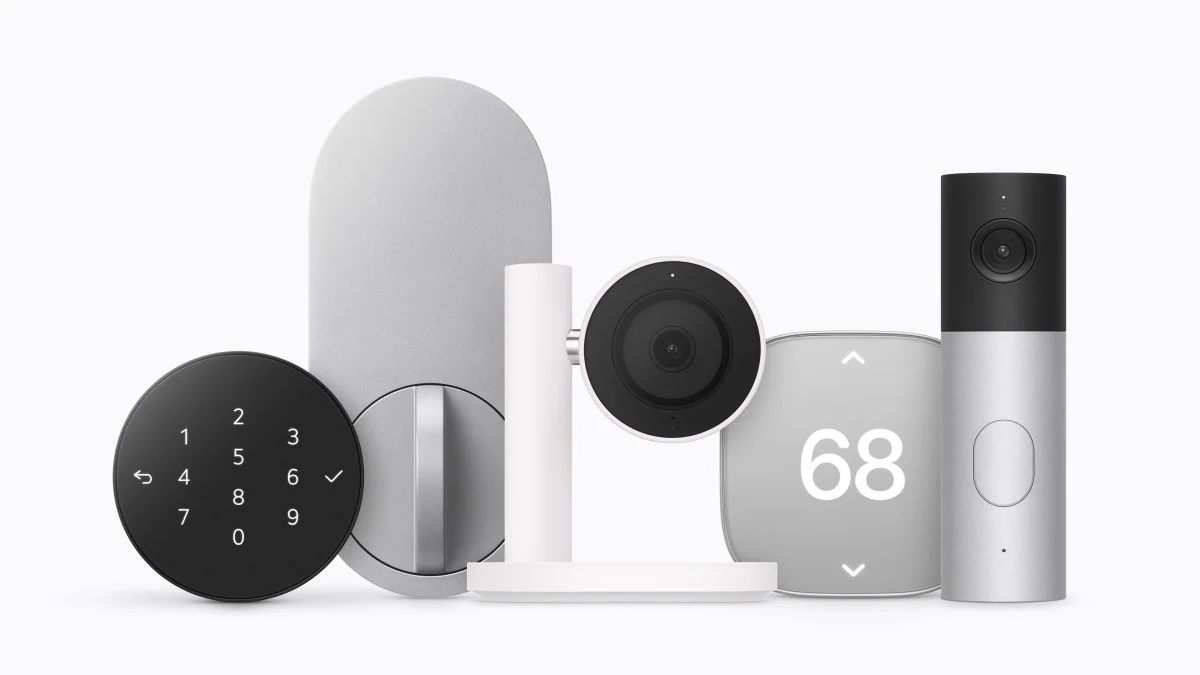
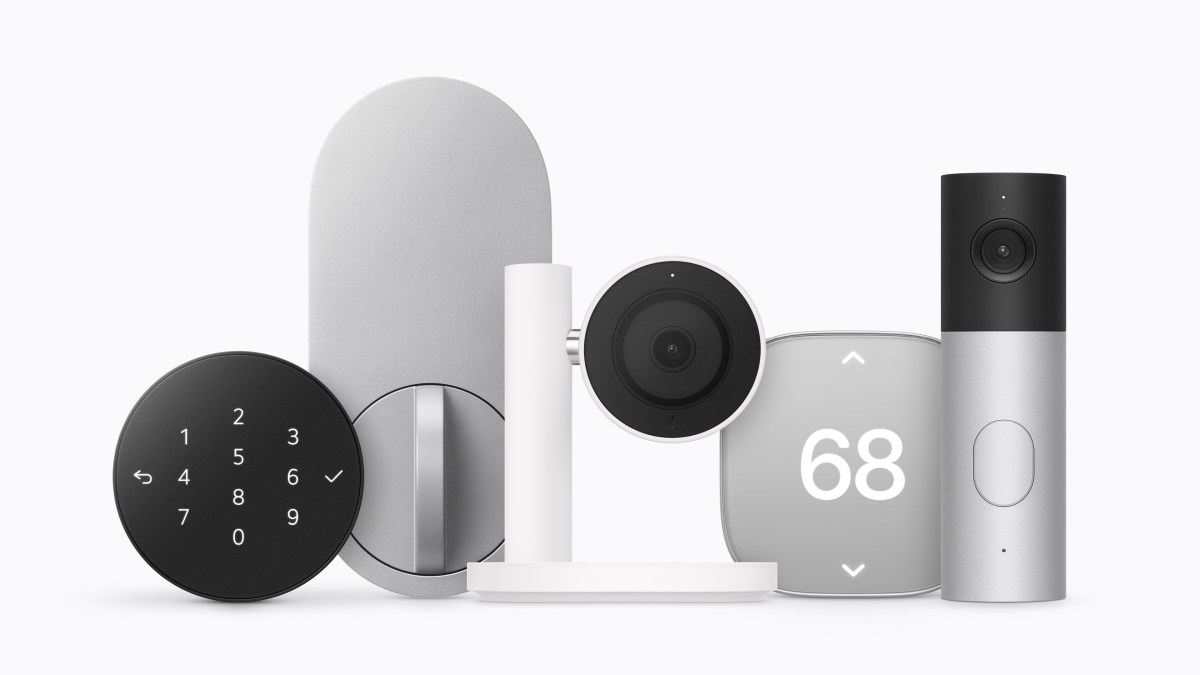
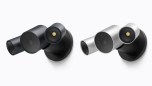
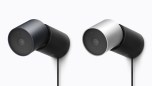
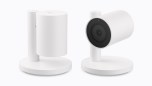
The initial lineup consists of eight distinct devices: four advanced security cameras from LG, a high-tech smart deadbolt lock from LG, two smart thermostats (one each from LG and Schneider Electric), and dedicated remote temperature sensors from both manufacturing partners.
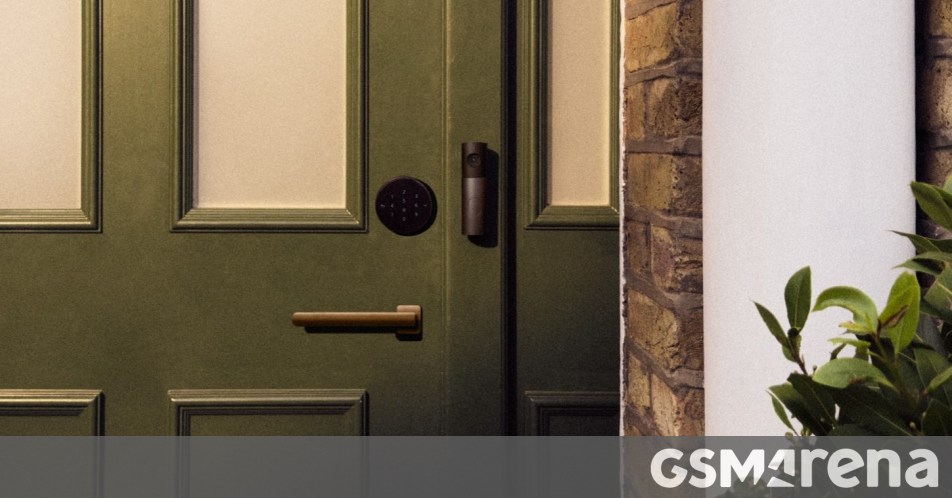
Far from standard third-party hardware slapped with an "Works with Apple Home" badge, these accessories have been engineered from the ground up to take full advantage of Apple’s ecosystem. Setup is streamlined to a single tap of an iPhone, eliminating the cumbersome creation of separate third-party user accounts and the download of bloated, single-purpose companion apps. Everything is controlled natively from the built-in Home app or via conversational interactions with Siri.
The entire lineup incorporates Thread networking technology for ultra-reliable, low-latency connectivity, coupled with an automatic credential-updating feature that seamlessly migrates network settings if a user changes their home Wi-Fi password. Furthermore, privacy remains a cornerstone of the launch. All data, including high-resolution video streams, is protected by end-to-end encryption. Footage is processed locally on a home hub or via Apple’s secure Private Cloud Compute infrastructure, utilizing iCloud+ storage plans without demanding an extra monthly subscription fee per camera.
Chronology
The announcement of the Apple Home Collection marks the culmination of years of quiet development and standard-setting within the smart home space, unfolding across a structured rollout timeline:
- Pre-2024 (Foundational Era): Apple lays the groundwork for seamless interoperability by heavily championing the Matter smart home standard and Thread mesh networking protocol, positioning its Home ecosystem to be universally compatible, highly secure, and locally operable.
- Early Development Phase: Apple joins forces with hardware heavyweights LG Electronics and Schneider Electric to conceptualize a cohesive hardware family that bridges the gap between premium consumer electronics, climate control systems, and Apple’s software-first vision.
- October 2026 (The Official Unveiling): Apple hosts a major product showcase. Alongside the new HomeView 7-inch touchscreen, the A19-powered Apple TV 4K, and the HomePod mini 2 (all equipped with Siri AI), Apple officially takes the wraps off the Apple Home Collection.
- December 2026 (Initial Market Release): The first wave of products from the Apple Home Collection hits retail shelves in select regions, bringing native security, climate control, and access solutions to consumers.
- Early 2027 (Extended Rollout): The remaining accessories in the collection complete their global market introduction, expanding availability for specialized SKUs.
Supporting Data: Lineup, Pricing, and Regional Availability
The Apple Home Collection spans security, access, and climate control, offering a wide array of premium options tailored for Apple users. Below is the breakdown of the individual products, pricing, and regional launch parameters.
Security Cameras
All four security cameras record crisp 2.5K video, offer sophisticated AI-driven object detection (recognizing people, familiar faces, pets, vehicles, and packages), and integrate directly with iCloud+ storage for 10 days of video history without separate subscription fees.
- LG Video Doorbell Wired ($249.95): Features a dual-camera setup (a 2.5K front-facing camera paired with a dedicated Full HD downward-facing camera to monitor package deliveries), an integrated spotlight, two-way talk, and audio chimes that route directly through HomeView, HomePod, or HomePod mini. (Available in US, Canada, UK)
- LG Floodlight Cam ($399.95): Equipped with dual adaptive floodlights that illuminate automatically upon motion detection, alongside low-light color night vision. (Available in US, Canada, UK)
- LG Outdoor Cam Plug-In ($299.95): Designed for flexible outdoor installation with easy angle adjustments and low-light color night vision. (Available in US, Canada, UK)
- LG Indoor Cam Plug-In ($199.95): Features a 160-degree field of view and a privacy-first mechanical tilt design. The camera physically tilts upward when the house is occupied and tilts downward to cease monitoring the moment a household member arrives home. Manual and Home app tilt controls are also supported. (Available in US, Canada, UK)
Smart Access
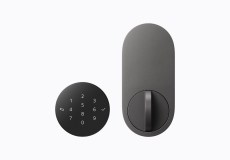
- LG Smart Deadbolt Lock ($349.95): Uses Ultra Wideband (UWB) technology to detect when an iPhone or Apple Watch user is approaching, automatically unlocking the door without requiring physical taps. It also supports tap-to-unlock, a built-in PIN pad, and a hidden physical key backup. The lock tracks door status (open, closed, or tampered with), supports Matter and Aliro, and executes core functions locally even during internet outages. (Available in US and Canada)
Climate Control & Sensors
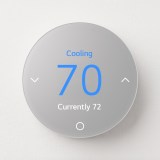
- LG Smart Thermostat ($199.95): Features a modern round aesthetic, on-device wire detection for simple DIY installation, and integration with Apple’s "Adaptive Temperature" feature in the Home app.
- Schneider Home Smart Thermostat ($199.95): Designed with a small silver metal bezel and a glare-free translucent matte display. It includes proximity sensing to detect when a user is nearby and supports NFC pairing even when unpowered.
- LG Temperature Sensor ($39.95) & Schneider Home Room Sensor ($39.95): Standalone multi-room temperature and humidity pucks designed to feed environmental metrics back into the Home app. They work alongside the native sensors built into Apple HomeView, HomePod, and HomePod mini. (Thermostats and Sensors available in US and Canada)
Official Responses and Industry Perspectives
The partnership between Apple, LG Electronics, and Schneider Electric represents a significant strategic pivot, shifting hardware manufacturing to trusted electronics leaders while retaining software, UI, and privacy control firmly within Apple’s purview.
Executives from all three companies have emphasized the seamless convergence of design, user experience, and privacy.
Apple’s engineering leadership stressed that the Home Collection was built to eliminate the historical friction points of smart home adoption. By relying on native iOS integrations, Thread mesh routing, and Matter protocols, Apple aims to make smart home technology invisible yet entirely reliable. "The best technology is the kind that simply works in the background, demanding nothing from the user while delivering total peace of mind," an Apple spokesperson noted during the briefing.
LG Electronics highlighted its hardware engineering prowess, particularly within the camera and access divisions. "Collaborating with Apple allowed us to push the boundaries of home security optics and automated convenience," said a representative from LG. "From our dual-camera doorbells to our privacy-conscious indoor cams, every gram of hardware is designed to harmonize with the Apple ecosystem."
Schneider Electric focused on energy efficiency and smart climate ergonomics. "Modern homes require intelligent climate management that adapts intuitively to human behavior without sacrificing aesthetic minimalism," Schneider Electric stated, pointing to the glare-free display and proximity-sensing capabilities of the Schneider Home Smart Thermostat.
Implications for the Smart Home Market
The launch of the Apple Home Collection carries profound implications for the broader smart home industry, which has long suffered from fragmentation, complicated setups, and conflicting proprietary ecosystems.
1. A Blow to Proprietary Subscriptions
For years, smart home security cameras have relied on mandatory monthly subscription fees—often ranging from $3 to $10 per camera—to unlock advanced features like person detection or cloud video history. By tying the Apple Home Collection’s 2.5K video history directly to existing iCloud+ plans, Apple and LG have fundamentally disrupted the subscription model. Consumers are far more likely to adopt multi-camera security setups when they realize they do not need to shoulder recurring monthly vendor fees.
2. Mainstream Validation of Matter and Thread
While the smart home industry has championed Matter and Thread as open standards for years, consumer adoption has occasionally stumbled due to inconsistent implementation across third-party apps. By anchoring a major product collection around Thread and Matter—while backing it with Apple’s ecosystem muscle—Apple has legitimized these open protocols. The automatic Wi-Fi credential update feature, in particular, solves a notorious pain point that has frustrated smart home enthusiasts for decades.
3. Raising the Bar for User Privacy
In an era where consumer data privacy is increasingly scrutinized, Apple’s strict enforcement of end-to-end encryption and local processing via Private Cloud Compute provides a distinct competitive advantage. Brands that rely on third-party cloud servers to process video feeds and user telemetry will face mounting pressure from privacy-conscious consumers who now have a turnkey, hardware-backed alternative from Apple, LG, and Schneider Electric.
Ultimately, the Apple Home Collection transforms Apple from a mere software platform provider into a holistic orchestrator of the physical smart home. By pairing world-class hardware manufacturing from LG and Schneider Electric with the uncompromising security and elegance of iOS, Apple has set a new benchmark for the future of residential living.



