CUPERTINO, CALIFORNIA — In a sweeping mid-cycle development push, Apple has officially released the latest round of beta software across its entire hardware ecosystem. Developers and early adopters can now download and test beta builds for iOS 27.2, iPadOS 27.2, macOS 27.2, tvOS 27.2, visionOS 27.2, and watchOS 27.2. Accompanying these operating system previews is the corresponding Xcode 27.2 beta, engineered to harness the newest capabilities baked into Apple’s latest Software Development Kits (SDKs).
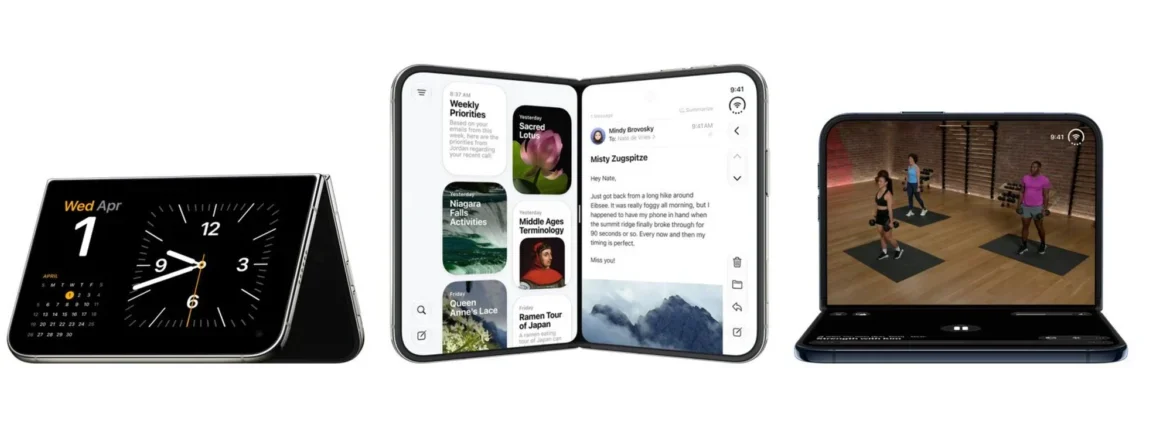
However, the headline-grabbing technical update is accompanied by a strategic hardware roadmap revelation. Apple has confirmed that the highly anticipated, all-new foldable device—dubbed the iPhone Duo—is officially slated for release on October 23, 2026. Out of the box, the device will ship running a specialized iteration of the platform: iOS 27.1. This operating system diverges slightly from the standard .2 testing track, having been purpose-built to navigate the unique architectural demands of a dual-screen, foldable hardware paradigm.
As the developer community digests this wave of announcements, the tech industry is pivoting toward a granular examination of what these software updates mean for application architecture, user experience design, and Apple’s hardware trajectory heading into the final quarter of 2026.
Main Facts
The latest developer release cycle is characterized by two distinct software tracks operating in tandem: the expansive .2 beta rollout across all major operating systems, and the targeted, forward-looking integration of iOS 27.1 for upcoming hardware.
- The .2 Beta Ecosystem: Apple has made the .2 beta versions available for iOS, iPadOS, macOS, tvOS, visionOS, and watchOS. Developers are strongly encouraged to test their existing portfolios against these builds to ensure stability, performance optimization, and compatibility ahead of their public winter release schedules.
- Xcode 27.2 Integration: Accompanying the operating system updates is Xcode 27.2. This release equips developers with updated SDKs designed to extract maximum performance and leverage new backend optimizations built into the .2 architecture.
- The iPhone Duo Hardware Launch: Apple officially set the release date for the iPhone Duo for October 23, 2026. The device represents Apple’s formal entry into the commercial foldable market, moving beyond years of conceptual research and patent filings into consumer retail.
- iOS 27.1 and Foldable Optimization: While the broader ecosystem is testing .2 builds, the iPhone Duo will launch running iOS 27.1. This firmware builds directly upon the foundational architecture of iOS 27 while introducing deep, native features engineered specifically for a foldable form factor.
- Xcode 27.1 Beta Support: To ensure software is ready for the October hardware launch, Apple announced that a beta version of Xcode 27.1 will drop later this month. This specific version of the IDE will include specialized simulators and APIs allowing developers to program for the iPhone Duo’s dynamic poses, dual-screen real estate, and flexible folding orientations.
Chronology of the Release Cycle and Upcoming Milestones
Understanding Apple’s release cadence requires mapping out the timeline from the initial deployment of iOS 27 earlier this year to the upcoming October hardware rollout. The strategy relies on staggered software trains to accommodate both traditional form factors and entirely new physical designs.
Phase 1: The Foundation of iOS 27 (Summer 2026)
Following its summer developer conference unveiling and subsequent public rollout, the baseline iOS 27 operating system established a new paradigm for cross-device continuity, artificial intelligence integrations via Apple Intelligence, and interface fluidity. Developers spent July and August updating their apps to meet the baseline requirements of this generation.
Phase 2: The .2 Beta Deployment (September 16, 2026)
On September 16, Apple initiated the .2 beta cycle. This release serves as the first major refinement period for the software generation, targeting minor bug fixes, API expansions, and underlying system efficiencies. Simultaneously, Apple distributed Xcode 27.2 to provide developers with the necessary tools to interface with the updated SDKs.
Phase 3: The Upcoming Xcode 27.1 Beta (Late September 2026)
Diverging from the sequential numerical timeline, Apple announced that a beta version of Xcode 27.1 will become available later this month. This version is entirely dedicated to the iPhone Duo ecosystem. Because the device runs iOS 27.1 rather than the contemporary .2 branch, developers requiring simulator access for folding mechanics, multi-window spanning, and hinge-angle APIs must utilize this distinct development environment.
Phase 4: The iPhone Duo Commercial Debut (October 23, 2026)
On this date, the iPhone Duo will officially land in consumer hands, pre-installed with iOS 27.1. This milestone marks the culmination of years of hardware engineering, setting a new benchmark for how Apple approaches mobile computing real estate.
Supporting Data and Technical Architecture
To fully grasp the scope of the September 16 software drops, it is necessary to examine the underlying technical framework that supports both traditional upgrades and the forthcoming foldable hardware.
The Ecosystem-Wide .2 Updates
While major feature additions are typically saved for major .0 or .1 updates, the .2 beta cycle focuses heavily on deep-level integrations:
- macOS 27.2: Continues the harmonization between Apple Silicon hardware architectures and advanced machine learning models, offering lower latency in neural engine processing tasks.
- watchOS 27.2 & visionOS 27.2: Both platforms receive critical performance patches aimed at thermal management, power efficiency, and spatial rendering stability. visionOS 27.2, in particular, refines eye-tracking calibration frameworks and hand-gesture recognition throughput.
- tvOS 27.2: Focuses on cross-device media handoff enhancements and smart home protocol stabilization through enhanced Thread and Matter routing capabilities.
iPhone Duo and iOS 27.1: The Engineering Challenge
Building software for a foldable device requires more than simply stretching a user interface across a larger screen. The iPhone Duo introduces novel UI/UX engineering challenges that iOS 27.1 aims to solve natively:
- Dynamic Posture Recognition: Unlike static candy-bar phones, a foldable device exists in multiple states—fully open (tablet mode), half-folded (laptop/tent mode, often referred to as "Flex Mode"), and closed (cover display mode). iOS 27.1 incorporates low-level hardware sensors that report exact hinge angles back to the OS, allowing apps to re-layout their contents instantaneously.
- Continuous State Persistence: When a user transitions from the outer cover screen to the inner primary display, iOS 27.1 manages the animation, state preservation, and view hierarchy scaling to prevent application crashes or data loss.
- Split-Canvas Multitasking: The larger internal canvas enables true side-by-side or stacked multi-window execution, backed by memory management frameworks inherited from iPadOS but optimized for pocket-sized portability.
Official Responses and Developer Community Reactions
Apple’s developer relations division has issued explicit guidelines urging caution and proactive testing as these builds roll out. The primary directive from Cupertino is clear: fragmentation must be avoided at all costs, especially with a radical new hardware category entering the market.
Apple’s Guidance on Beta Testing
In official documentation accompanying the release, Apple stressed the importance of utilizing the new SDKs:
"Get your apps ready by confirming they work as expected on these releases. And make sure to build and test with Xcode 27.2 to take advantage of the advancements in the latest SDKs."
Furthermore, Apple has set up dedicated feedback channels for developers encountering regression bugs or performance bottlenecks. Given the complexity of supporting both standard devices and a new foldable form factor simultaneously, the company is encouraging heavy utilization of the Bug Reporting assistant tool.
Developer Sentiment and Industry Commentary
Within the developer community, the reaction has been a mix of excitement and logistical re-planning.
- The Dual-Track Dilemma: Several lead mobile engineers have noted the initial confusion regarding the version numbering. Managing an app codebase that must support iOS 27.0 (current public), iOS 27.1 (iPhone Duo launch), and iOS 27.2 (beta branch) requires careful branching strategies in version control systems like Git.
- Foldable Optimization Enthusiasm: UI/UX designers have long awaited official Apple tools for foldables. The announcement of the Xcode 27.1 simulator—featuring native support for novel poses and orientations—has been met with widespread relief. Instead of relying on third-party hacks or makeshift emulators, developers will have first-party, hardware-accurate simulation tools to test how their applications handle the physical crease and folding transitions.
Implications for the Industry, Competitors, and Consumers
The release of the .2 betas and the definitive announcement of the iPhone Duo carry profound implications that stretch far beyond Apple’s immediate ecosystem.
1. Validating the Foldable Form Factor
For years, competitors such as Samsung, Google, and Motorola have dominated the foldable smartphone market. While those manufacturers successfully proved that consumers are willing to embrace folding displays, the entry of Apple into this sector acts as the ultimate industry validator. When Apple introduces a new hardware category, it typically signals to software vendors, enterprise buyers, and mainstream consumers that the technology has moved past its experimental phase into mainstream viability. By anchoring the iPhone Duo to iOS 27.1, Apple is ensuring that the software foundation is rigorous enough to justify the premium price point typically associated with first-generation Apple hardware.
2. Shifting App Design Paradigms
The release of Xcode 27.1 beta later this month will force developers to rethink mobile design conventions. For nearly two decades, mobile apps have been designed around a singular, static rectangle. The transition to a fluid, morphing canvas means that responsive design principles—traditionally reserved for web development and tablet apps—must now become standard practice for high-end iPhone applications. Apps must be architected to flow seamlessly from a narrow cover display to an expansive, near-square internal screen without breaking user flows.
3. Enterprise and Productivity Impacts
The iPhone Duo, supported by iOS 27.1, is expected to heavily target enterprise users, mobile professionals, and digital creators. By offering a device that can function as a pocketable phone when closed and a mini-workstation when open, Apple is stepping further into the domain traditionally occupied by small tablets and phablets. The ability to run dual instances of productivity apps side-by-side on an iOS device could reshape how professionals handle on-the-go document editing, data analysis, and communication.
4. Ecosystem Cohesion Challenges
Managing a fragmented operating system lineup—where new hardware ships on a slightly older, specialized branch (.1) while the rest of the ecosystem marches ahead on the .2 beta track—presents a temporary organizational hurdle for Apple. Ensuring that features introduced in iOS 27.2 eventually merge harmoniously back into the foldable device line in subsequent updates will be a critical test of Apple’s software engineering prowess.
Conclusion and Next Steps for Developers
As September 2026 progresses, the immediate focus for the developer community will be twofold:
- Sanity Testing: Running existing apps through the iOS 27.2 and associated OS betas via Xcode 27.2 to guarantee zero regression issues ahead of the public rollout.
- Foldable Preparation: Preparing for the release of the Xcode 27.1 beta later this month to begin re-architecting user interfaces for the iPhone Duo ahead of its October 23 launch.
Apple has provided comprehensive resources to assist in this transition. Developers can access the full suite of downloads, detailed release notes, and documentation on testing beta operating systems directly through the official Apple Developer portal. Feedback and bug reports can be submitted via Apple’s centralized bug-reporting platform to help shape the final stability of both the .2 ecosystem updates and the historic iOS 27.1 foldable rollout.