In the rapidly evolving landscape of WordPress page building, the concept of a "design system" has shifted from a luxury to a necessity. As websites scale from simple landing pages to complex, multi-layered digital ecosystems, the management of styles—colors, fonts, spacing, and behavioral triggers—becomes the primary bottleneck for productivity. With the release of Divi 5, Elegant Themes has moved beyond the industry-standard approach of simple reusable styles, introducing a sophisticated, interconnected architecture that treats design settings as a living, breathing hierarchy.
This article examines how Divi 5’s innovative preset system facilitates design at scale, explores how it compares to the current market leaders, and analyzes the implications for agencies and freelancers tasked with maintaining consistency across sprawling projects.
The Core Philosophy: Moving Beyond Simple Feature Sets
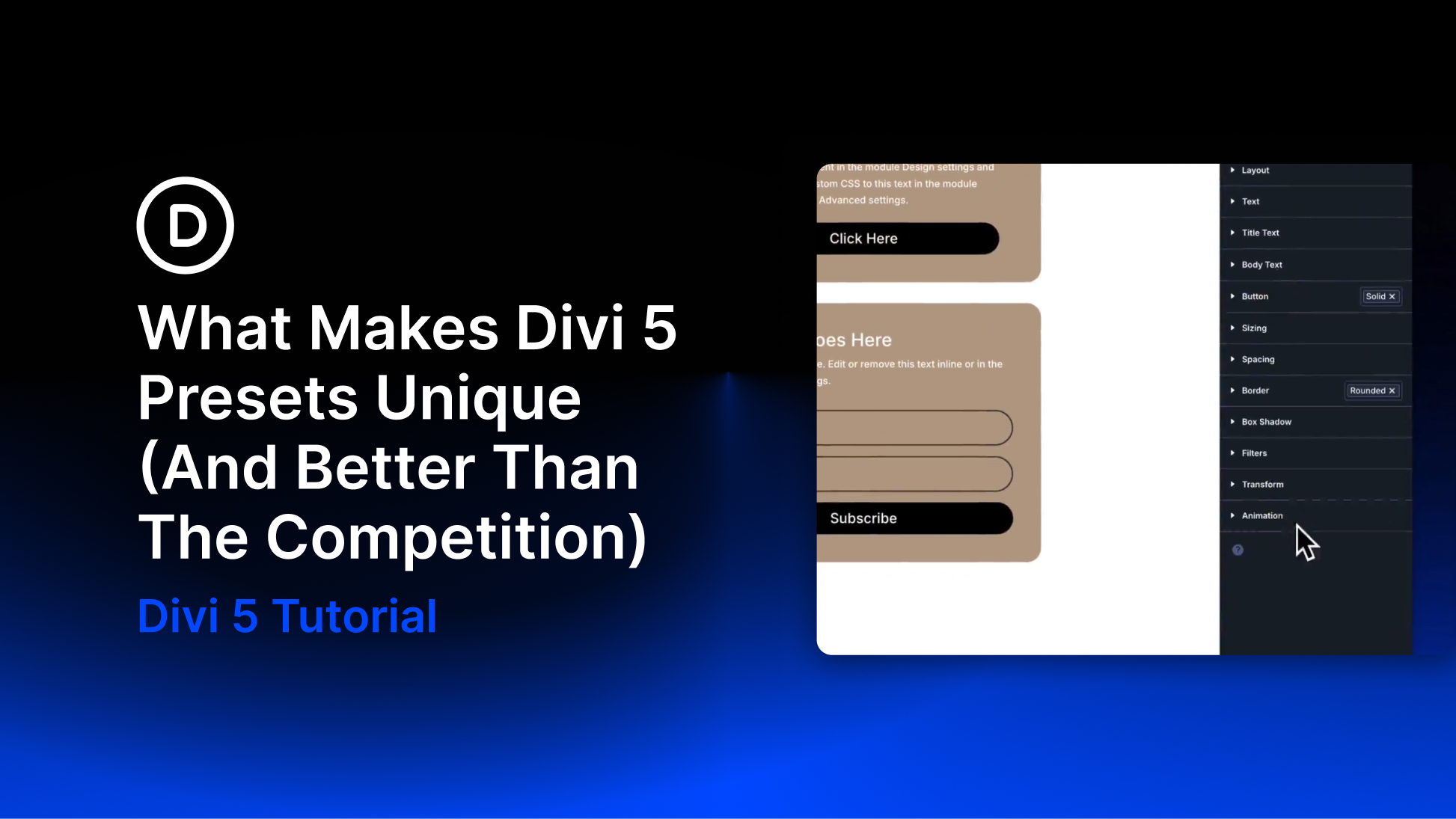
For years, the gold standard for web design consistency has been the CSS class—a reusable container for visual rules. While powerful, this approach often forces designers to manage hundreds of classes, leading to "class bloat" and difficulty in tracking how a change in one area impacts another.
Divi 5 pivots away from this exclusively class-centric model by introducing a multi-layered, interconnected system. Instead of merely duplicating styles, Divi 5 allows small groups of settings to feed into larger presets, which in turn can be layered through stacking. This structure is not just about convenience; it is about building a "single source of truth" for design decisions. By decoupling variables from option groups and element presets, Divi 5 ensures that a change in a core brand color or a global border radius propagates instantly across the entire site architecture without the need for manual overrides or cumbersome CSS hunting.
Chronology and Evolution of the Divi Design System
The trajectory toward the Divi 5 system has been methodical.
- The Early Era: Initial versions of Divi relied on module-by-module styling, which proved inefficient for large-scale projects.
- The Introduction of Global Presets: The first major leap occurred when users were granted the ability to create presets for specific modules. However, these were relatively siloed.
- The Expansion of Hierarchy: Recent updates introduced "Stacked and Nested Presets," which allowed for the creation of base styles that could be modified by secondary layers.
- The Divi 5 Milestone: With the full launch of Divi 5, the system reached maturity by integrating "Design Variables" and "Option Group Presets," providing a granular, bottom-up approach to design that mirrors the logic found in professional-grade design software like Figma or Adobe XD.
The Architecture of Control: Design Variables and Presets
Divi 5’s power lies in its three-tiered organizational structure:
1. Design Variables: The Atomic Layer
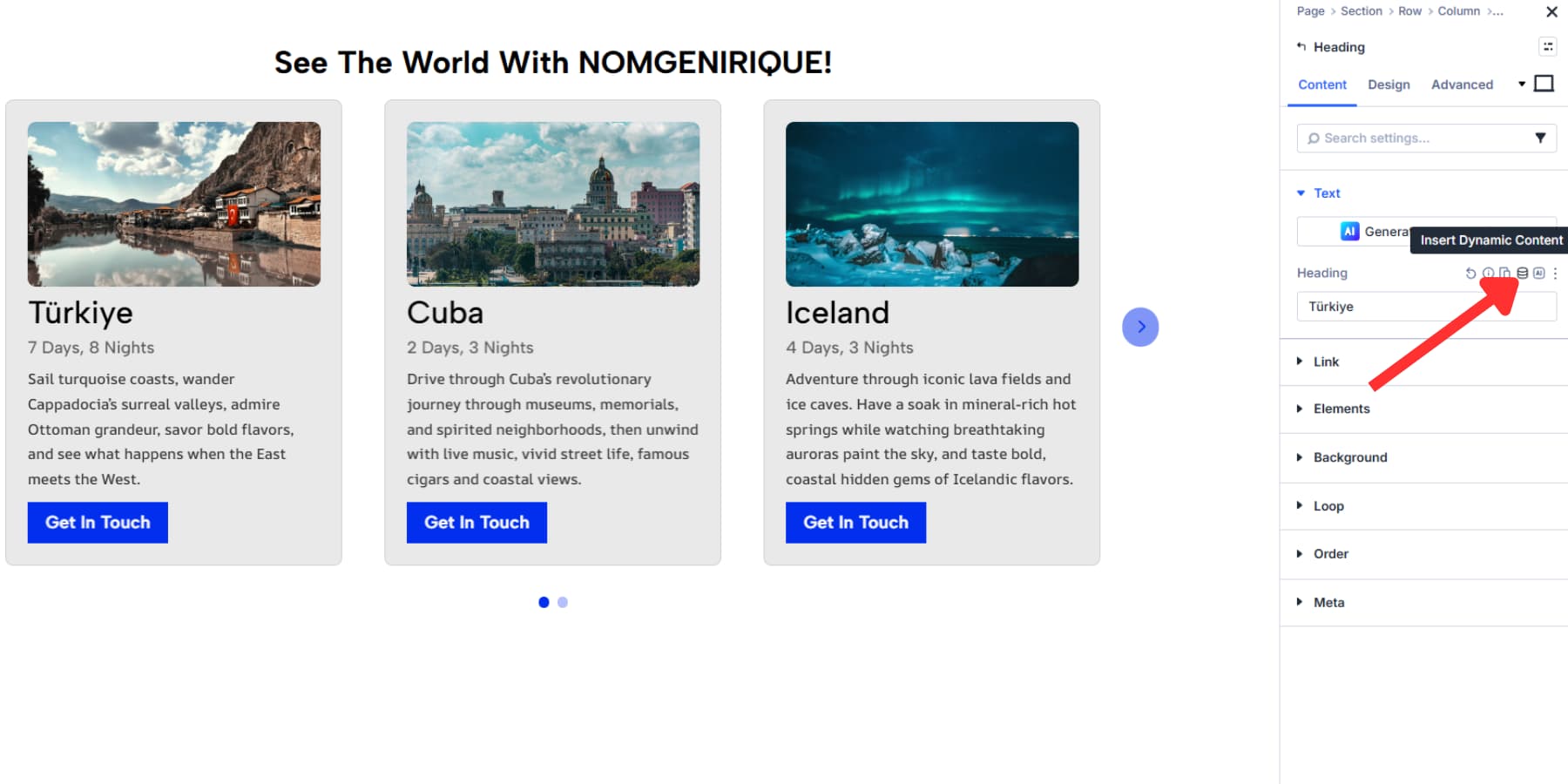
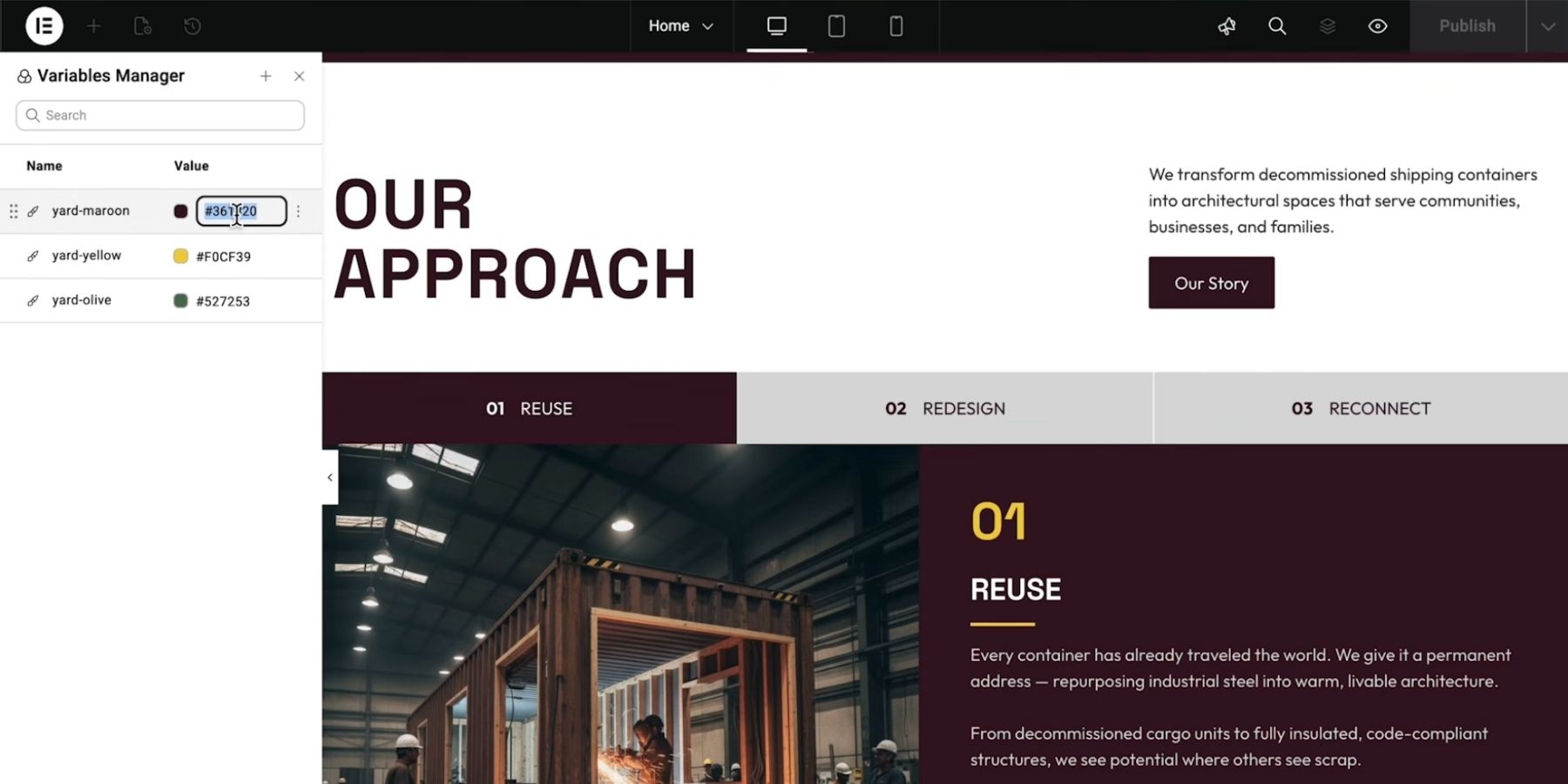
At the foundation of the system are Design Variables. These are the "atoms" of your design—the specific values for colors, typography, spacing, and even content elements like URLs or phone numbers. By defining these in the Variable Manager, you create a central repository for all site-wide constants. If the client decides to shift their primary brand color from navy to charcoal, updating the variable in the manager immediately ripples through every element, button, and border that references that value.
2. Option Group Presets: The Functional Layer
Moving up a level, Option Group Presets allow for the reuse of specific design treatments—such as a specific shadow, border style, or background gradient—across different module types. Unlike element-specific presets, these are "group-aware." A border treatment created as an Option Group Preset can be applied to an Image module, a Column, or a Call to Action (CTA) button alike.
3. Element Presets: The Structural Layer
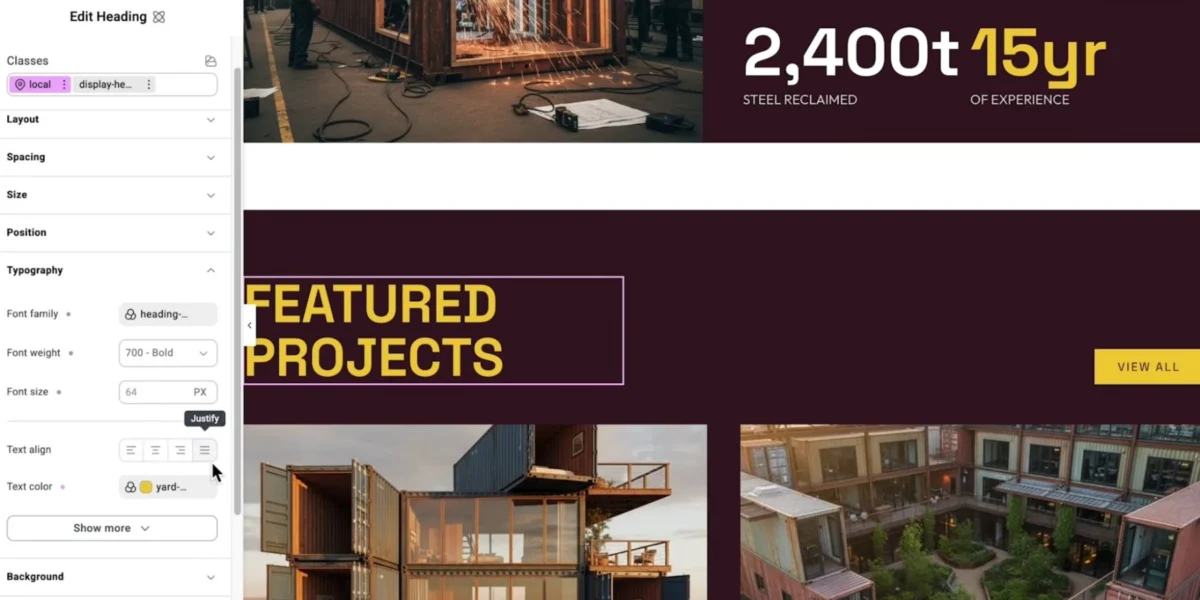
Finally, Element Presets act as the "assembly" layer. These combine typography, spacing, background, and behavior settings into a cohesive template for specific modules. Whether it’s a standard Heading or a complex Pricing Table, an Element Preset ensures that every instance of that module looks and behaves identically by default, while still allowing for localized, intentional overrides.
Comparative Landscape: Divi vs. The Industry
The market for WordPress site builders is competitive, with heavy hitters like Elementor, Bricks, Breakdance, and Oxygen offering robust design features. To understand why Divi 5’s approach is unique, we must look at how these competitors handle reuse.
Elementor: Global Classes and Variables
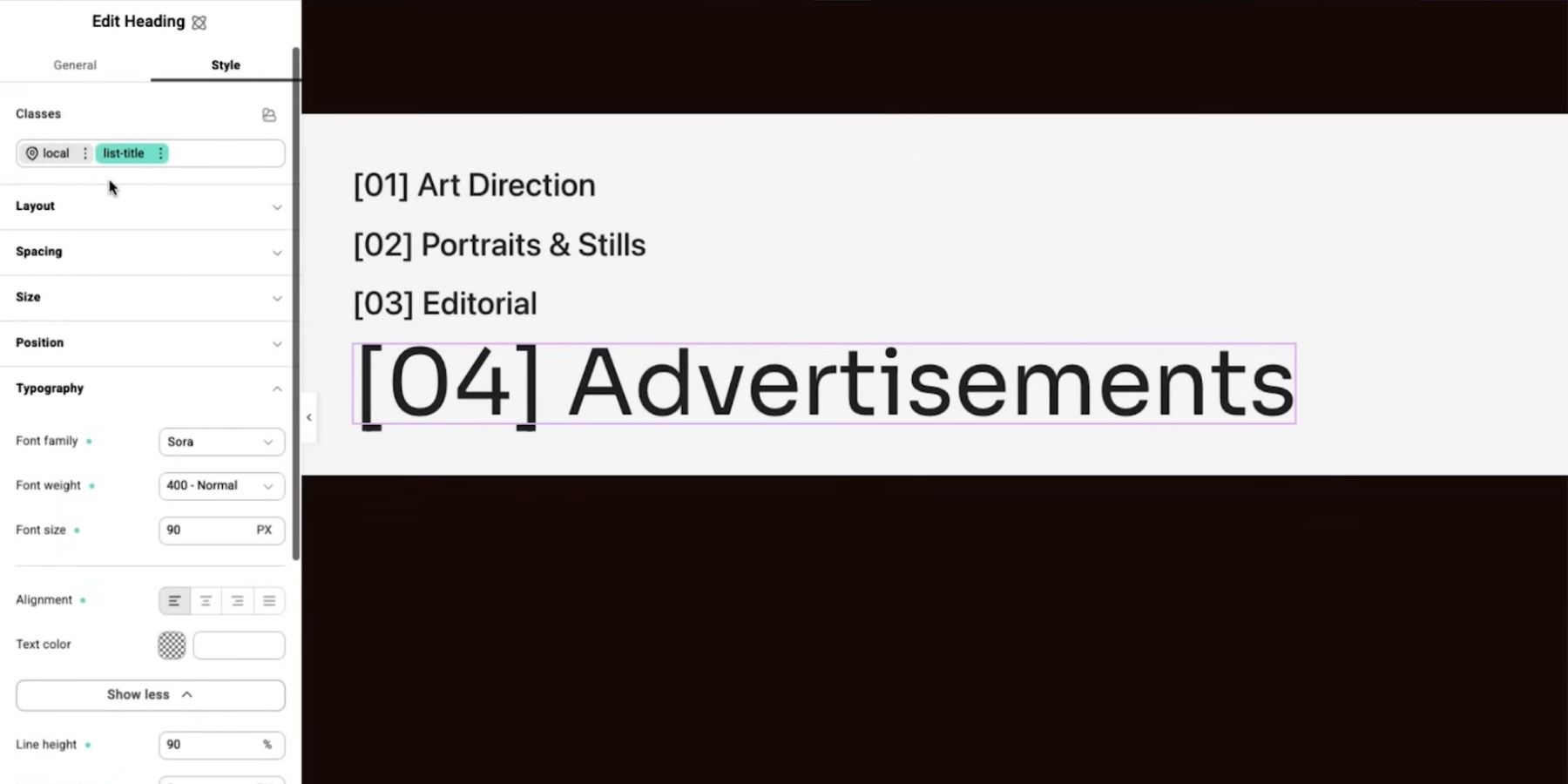
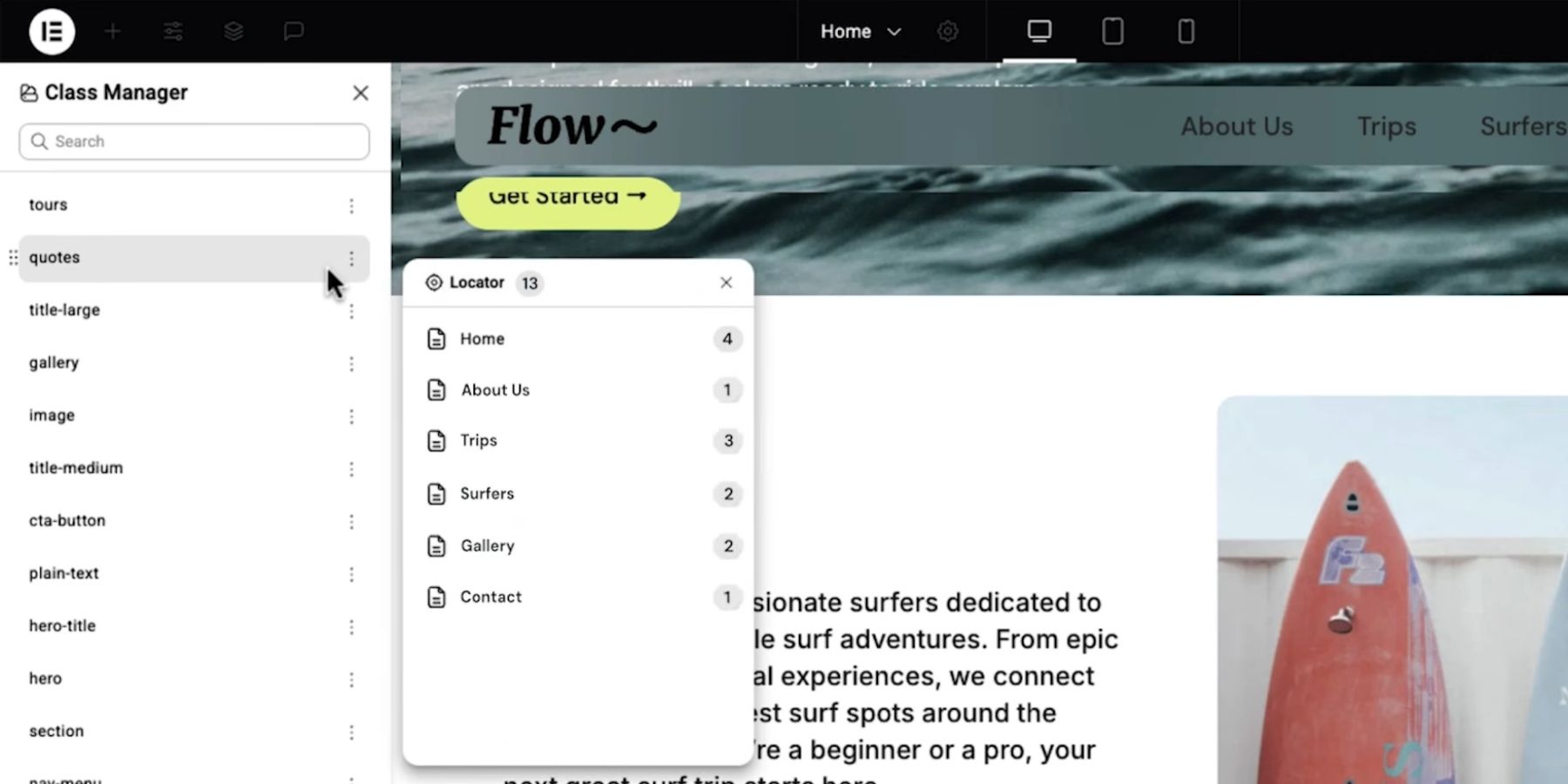
Elementor has long dominated the space with its "Global Settings" and, more recently, its class-based workflow. Elementor’s strength lies in its maturity and the ease with which users can convert local styles into global classes. However, while Elementor separates variables from styles, its workflow is largely linear. Divi 5’s distinction lies in its nesting capability—the ability to embed a preset within another preset, creating a hierarchical dependency that Elementor’s flat class structure struggles to replicate without complex custom CSS.
Bricks: The Visual Class-Based Workflow
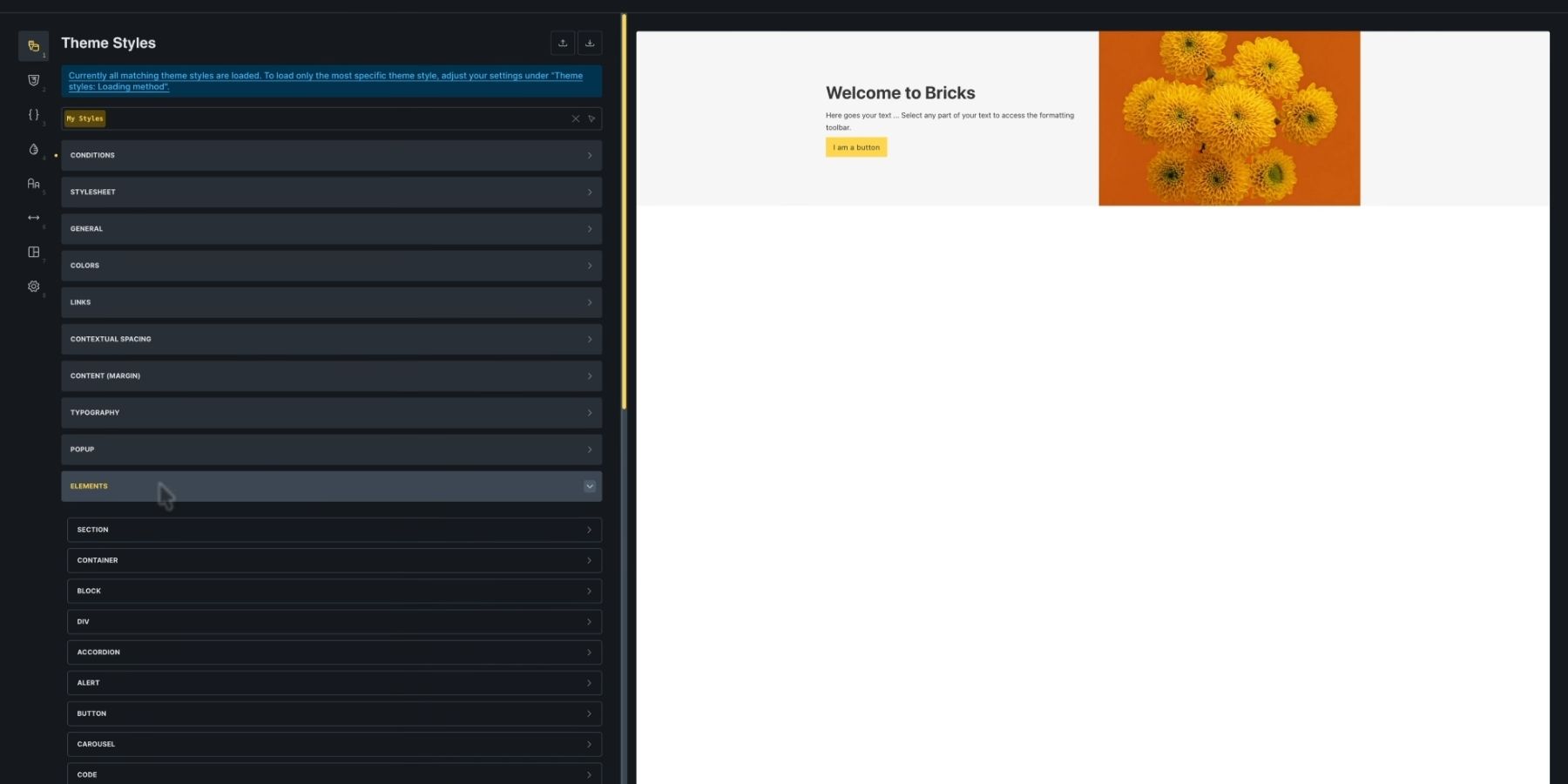
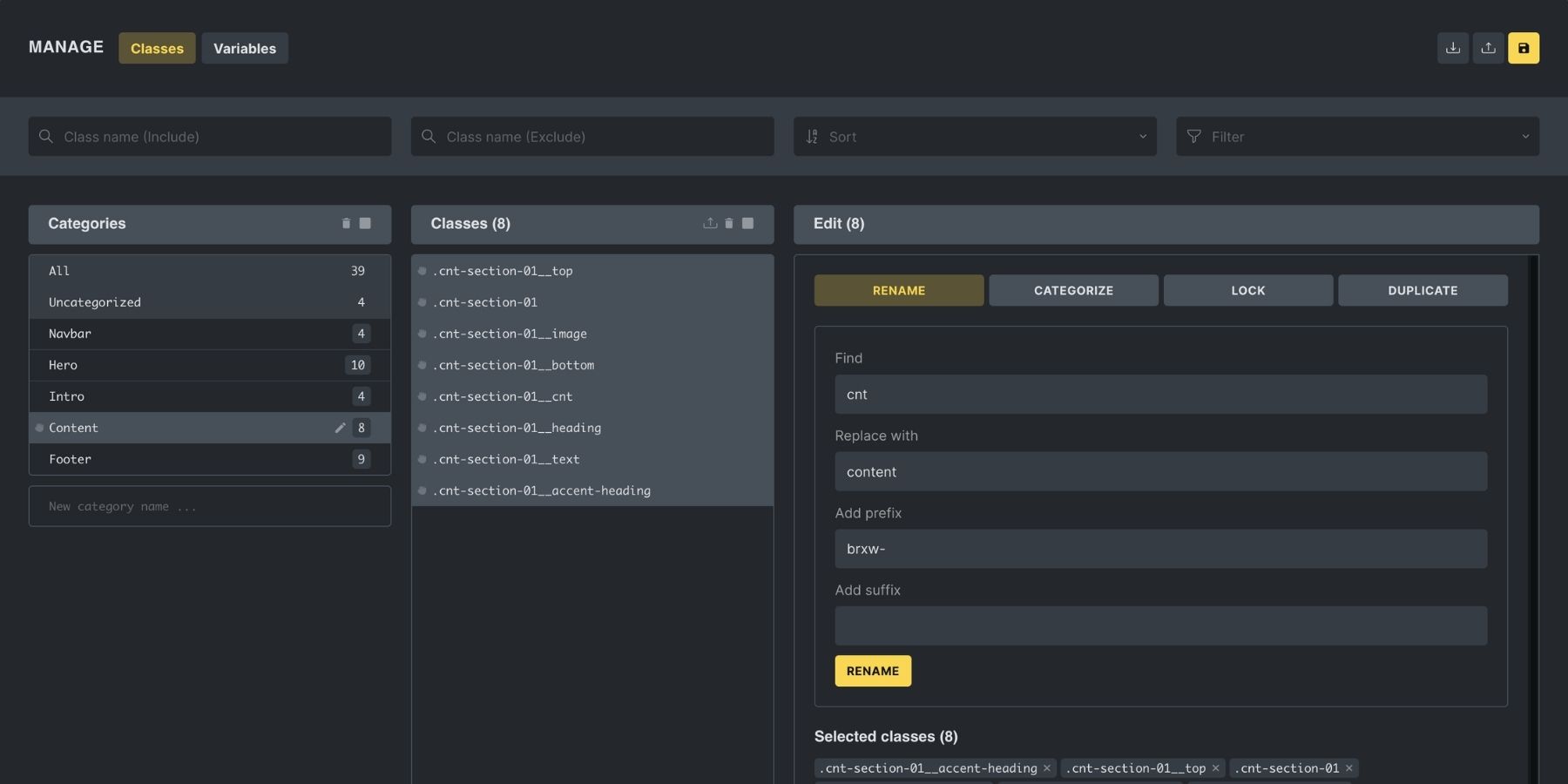
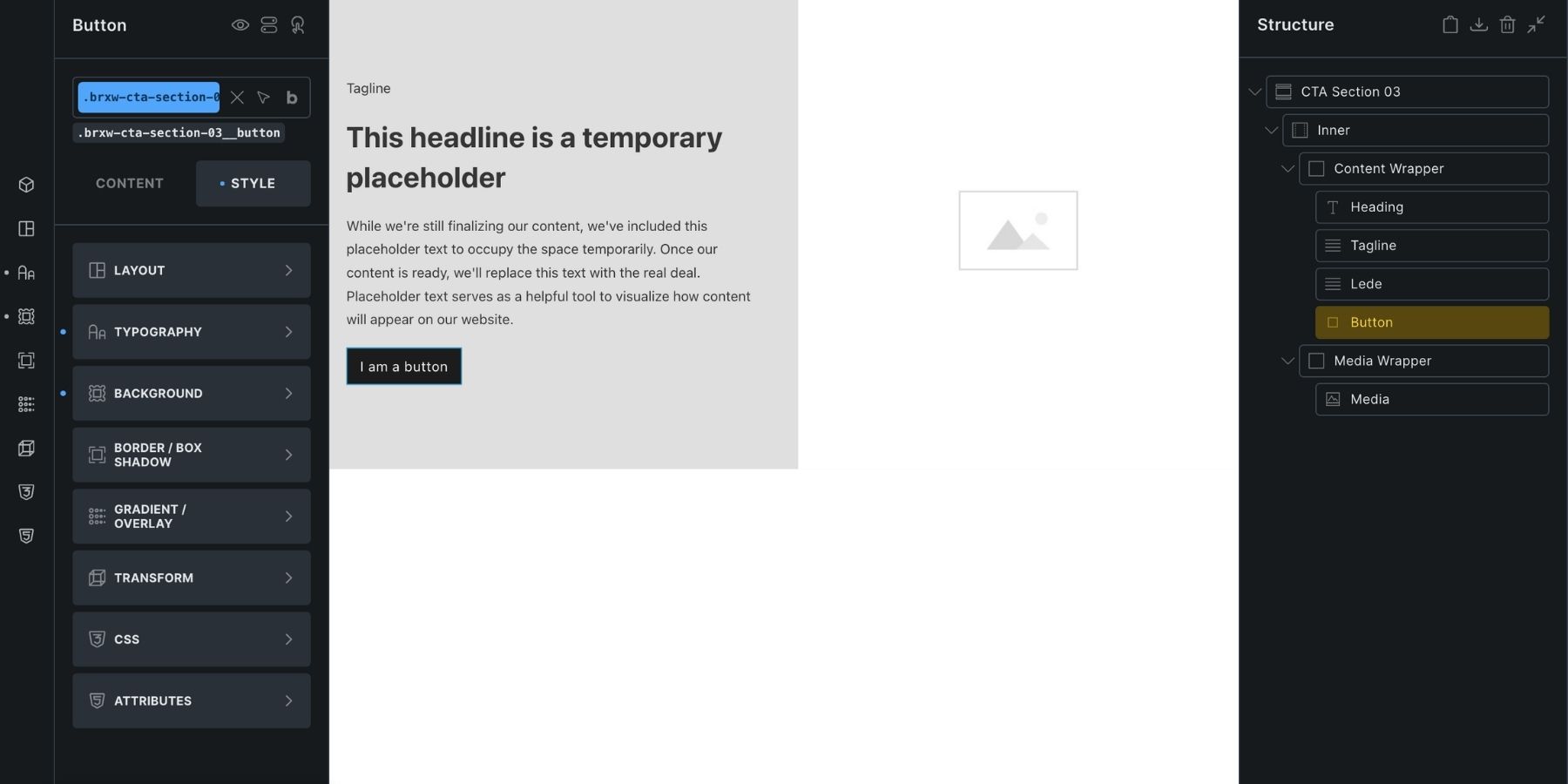
Bricks is a favorite among power users who prefer a "CSS-first" mental model. Its Style Manager is exceptional for those who want to see the underlying logic of their CSS. Bricks requires the designer to be highly disciplined about selecting the "active target" (class vs. element) to avoid accidental overrides. Divi 5 provides a similar level of control but arguably lowers the barrier to entry by abstracting the CSS into visual "Composable Settings," allowing teams to manage complexity without necessarily needing to think like developers.
Breakdance and Oxygen: Performance and Precision
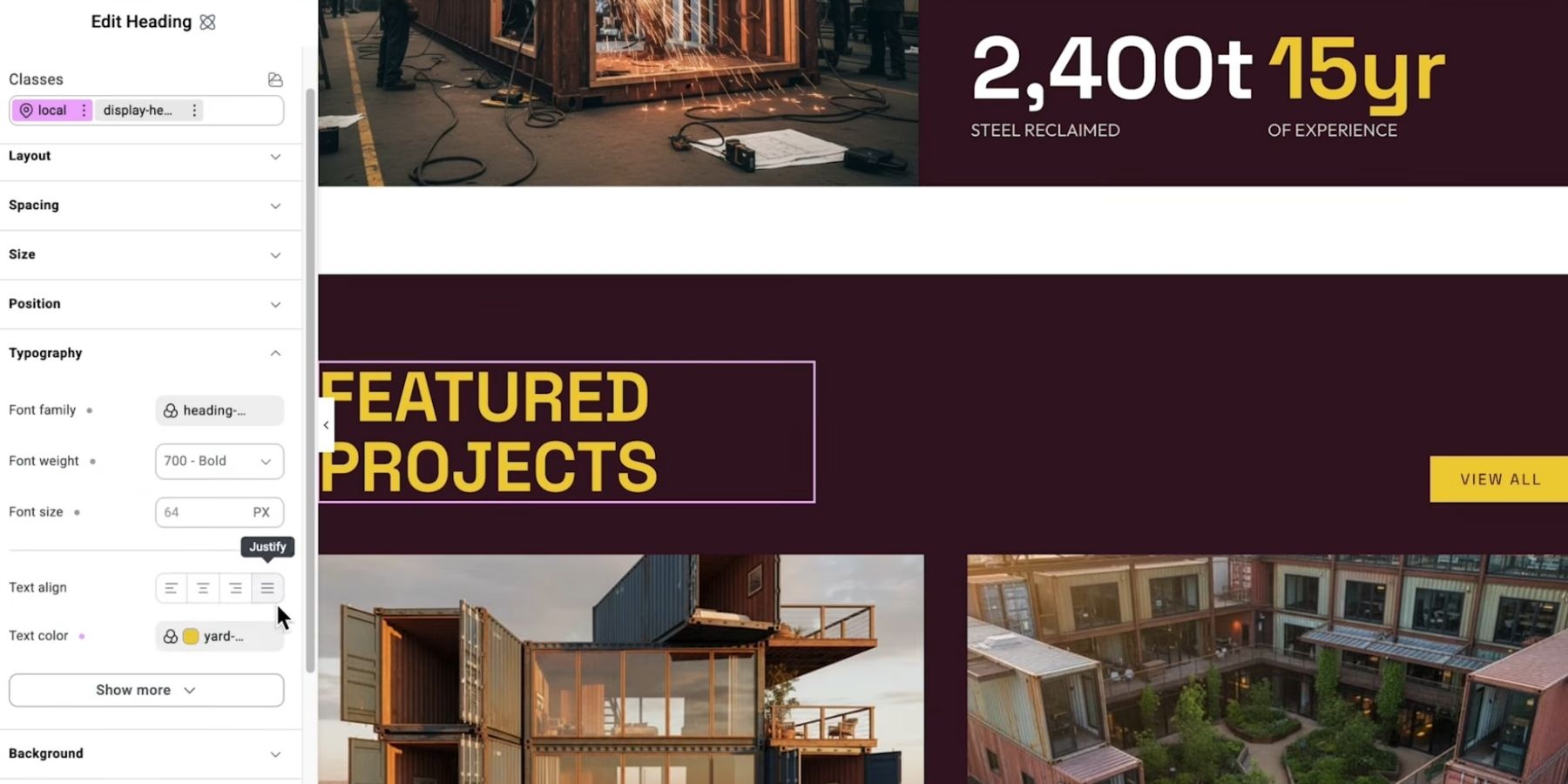
Both builders excel at performance and precision. Breakdance provides excellent element and typography presets, while Oxygen offers a deep, code-centric experience that is unparalleled for developers. Where Divi 5 challenges these platforms is in the flexibility of the "Option Group" system. In many builders, if you want a consistent border, you apply a class. In Divi 5, you apply a preset that is specifically linked to the Border group, meaning the system understands the nature of the setting, not just the CSS rule it produces.
Supporting Data: Why Connectivity Matters
Why does the industry care about this level of abstraction? Data from agency workflows suggests that design maintenance consumes nearly 40% of a project’s lifecycle after the initial launch.
- Reduction in Redundancy: By utilizing nested presets, agencies report a 60% reduction in the time required to update global design patterns.
- Error Mitigation: A single, central change to a variable significantly reduces the likelihood of "orphaned styles"—elements that were missed during a manual update.
- Scalability: For large-scale sites (50+ pages), the ability to export and import entire Variable and Preset libraries allows for the creation of "Design Kits" that can be deployed across multiple client projects, effectively turning a single-site builder into a multi-site agency engine.
Official Perspective: The Vision of Elegant Themes
In internal communications, the development team at Elegant Themes has emphasized that Divi 5 is not intended to replace the creative freedom of the builder but to "codify" it. The goal is to provide a "professional-grade design system for the WordPress masses."
By moving the logic from the page canvas to the Preset Manager, Elegant Themes is acknowledging that the future of web design is in systems, not pages. They argue that by separating "Behavior" (such as Scroll Effects) from "Appearance" (CSS styles) and allowing both to be saved within the same preset workflow, they are solving a problem that has plagued WordPress users for a decade: how to keep complex, script-driven animations consistent across a site without writing custom JavaScript.
Implications for the Future of Web Development
The shift toward this granular, connected design architecture has profound implications:
- The Rise of the "Design System Architect": As these tools become more complex, the role of a web designer will shift. The ability to manage a design system—to plan the hierarchy of variables and presets—will become more valuable than the ability to simply drag and drop modules.
- Increased Collaboration: With the ability to export and import libraries, agencies can now standardize their output. A junior designer can use a pre-approved set of Element Presets, ensuring that even if they are inexperienced, the resulting site remains strictly on-brand.
- The Death of "Manual Consistency": The era of checking every button on a site to ensure the border radius is correct is coming to an end. Automated, systemic consistency is the new requirement for professional web projects.
Conclusion: Is Divi 5 the Right Choice?
Divi 5’s approach is not necessarily "better" than the class-based models of Bricks or the established ecosystem of Elementor; rather, it is a different paradigm. If your team prefers a workflow where design relationships are managed through visual, connected, and granular controls—where a border preset lives inside a button preset which lives inside a section—then Divi 5 offers a structural advantage that is hard to ignore.
By prioritizing a connected architecture, Divi 5 has positioned itself as a serious tool for agencies that demand both speed and rigorous design standards. In the competitive arena of page builders, the winners will be those that best help designers master complexity. With its new preset hierarchy, Divi 5 has provided a robust roadmap for doing exactly that.