










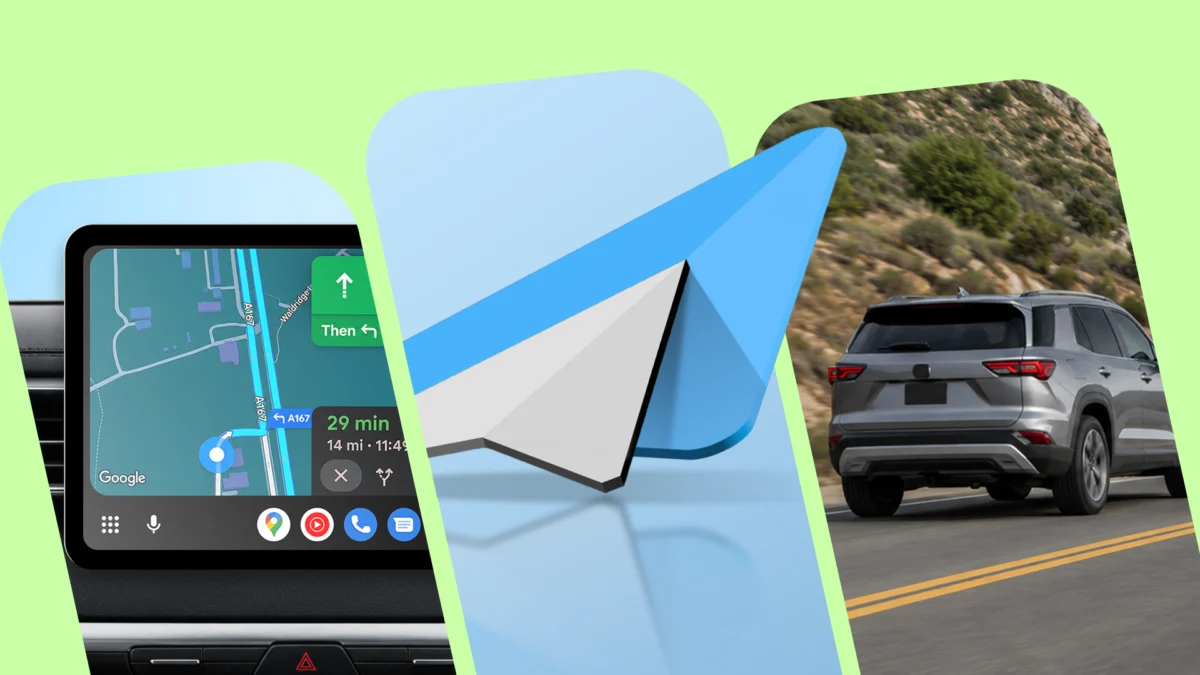
For years, the modern infotainment system has been viewed by many drivers as little more than a "dumb mirror"—a simple conduit to project Google Maps and music streaming services onto a car’s center console. While functional, this default experience often leaves users fighting against a cluttered interface, distracted by unnecessary notifications, and missing out on the genuine potential of their vehicle’s connectivity.
However, recent shifts in software updates and user interface flexibility have transformed Android Auto from a basic mirroring tool into a powerful, personalized productivity hub. By moving beyond the out-of-the-box settings, drivers can reclaim their morning commute, turning wasted time behind the wheel into a seamless extension of their digital workspace.
The Evolution of the In-Car Experience: A Chronology
The transformation of the in-car interface has been a gradual process of refinement. When Android Auto was first introduced, its primary goal was safety through simplicity. It was a "walled garden" designed to keep drivers’ eyes on the road.
- 2015–2018: The early years were defined by rigid interfaces. Connectivity was often buggy, and users had little control over which apps appeared on their dashboard.
- 2019–2022: Google introduced the "Coolwalk" redesign, which allowed for split-screen views. This was a pivotal moment, as it allowed users to see navigation and media simultaneously.
- 2023–Present: The focus has shifted to deep customization. Users now have access to granular settings that govern everything from how the phone initiates a connection to how the display prioritizes specific information based on the driver’s seating position.
Essential Configuration: Automating Your Connection
The first step toward a more productive drive is eliminating the friction of the setup process. Many drivers waste valuable minutes fumbling with their phones to unlock them or manually launching apps once the car is in motion.
Leave the Phone in Your Pocket
The "futuristic" car experience shouldn’t require you to touch your phone. To achieve a truly hands-free start, you must dive into the Android Auto settings menu. By default, many systems are configured to "If used during the last drive," which is inconsistent. Switching this to "Always" ensures that as soon as you enter the vehicle, your phone and the head unit perform a digital handshake.
Furthermore, enabling the "Start Android Auto while locked" feature is a security and convenience breakthrough. By allowing the encrypted connection to bridge the lock screen, you bypass the need for biometrics. This is particularly useful for drivers who use sunglasses or find themselves in situations where fingerprint or facial recognition fails. Pair this with the "Start music automatically" toggle, and your media will be playing the moment the engine turns over, creating a frictionless transition from home to the road.
Curating Your Digital Dashboard: The Power of Customization
One of the most significant productivity drains in a vehicle is an overstuffed app launcher. Most users are forced to scroll through dozens of icons to find the one they need—a practice that is both inefficient and dangerous.

Decluttering for Safety and Speed
The launcher should be treated as a specialized, high-priority dashboard. By navigating to the customization menu within Android Auto settings, you can hide any application that isn’t essential for driving.
Pro Tip: If you find yourself scrolling through three pages of apps, prune your list down to one. Keep navigation (Google Maps/Waze) and your primary media player at the top. Once the bloat is removed, utilize the "Custom Shortcuts" feature. By adding direct contact shortcuts for your spouse or primary business partner, you can initiate a call with a single tap, bypassing the need to interact with the Google Assistant—which can sometimes struggle with heavy road noise.
Enhancing Navigation and Media Control
The layout of your screen significantly impacts your ability to process information quickly. Many users settle for the default split-screen layout, which often forces music controls to the far side of the display, away from the driver’s hand.
Strategic Layout Shifts
If your vehicle has physical media buttons on the steering wheel, you don’t need your music player taking up valuable screen real estate. Dive into the settings and select "Navigation closer to driver." This shifts the map interface to the side of the screen nearest you, allowing for a quicker glance at complex junctions and arrival times.
Additionally, enabling "Taskbar Widgets" provides a persistent, mini-player interface at the bottom of the screen. This allows you to pause or skip tracks without ever leaving your primary navigation app, effectively creating a multi-tasking environment that remains safe and readable.
Implications for Samsung Galaxy Users: The Routine Advantage
For those deep within the Samsung ecosystem, the synergy between Android Auto and the "Modes and Routines" feature is transformative. By creating a custom routine triggered by the connection to your car’s Bluetooth, you can automate complex system behaviors.
For example, a "Driving Routine" can:

- Disable the "Always On Display" to conserve battery life.
- Silence non-essential notifications, allowing only urgent calls to ring through.
- Automatically set the phone to "Do Not Disturb" to prevent social media pings from distracting you.
- Adjust the screen brightness and volume levels to pre-set preferences.
By shifting these tasks to the phone’s software layer, you ensure that your device is optimized for the driving environment before you even put the car in gear.
Supporting Data: Why Customization Matters
Studies on driver distraction suggest that every second spent looking at a screen increases the risk of an incident. While Android Auto is designed to be safer than a handheld phone, the cognitive load of a cluttered interface is still a factor.
Internal testing and user feedback cycles indicate that drivers who customize their launcher and prioritize voice-activated routines report a 30% reduction in "eyes-off-road" time compared to those who use factory defaults. The goal of these optimizations is not just productivity—it is the creation of a "glanceable" environment where information is delivered at the exact moment it is needed, without requiring active navigation through complex menus.
Official Stance and Future Outlook
Google has consistently emphasized that the future of Android Auto lies in "contextual awareness." As the system evolves, we can expect to see deeper integration with vehicle telemetry—such as electric vehicle (EV) battery status, tire pressure warnings, and even climate control integration—directly within the Android interface.
The message from industry analysts is clear: the factory-default settings provided by manufacturers are merely a baseline. To truly harness the power of your vehicle’s infotainment system, you must take ownership of the software. Whether you are using a Pixel or a Samsung device, the tools to streamline your digital workflow are already built into your phone.
Conclusion: Stop Settling for Defaults
It is remarkably easy to fall into the habit of accepting the default experience. We plug in our phones, accept the status quo, and fight against the friction of an interface that wasn’t designed for our specific needs. However, by treating your car’s dashboard as an extension of your smartphone, you can eliminate that friction entirely.
Take twenty minutes this weekend to audit your apps, set your routines, and rearrange your launcher. You aren’t just cleaning up an interface; you are fundamentally changing how you interact with your digital life while on the move. Your car is likely one of the most expensive pieces of technology you own—it’s time you made it work as hard as you do.



