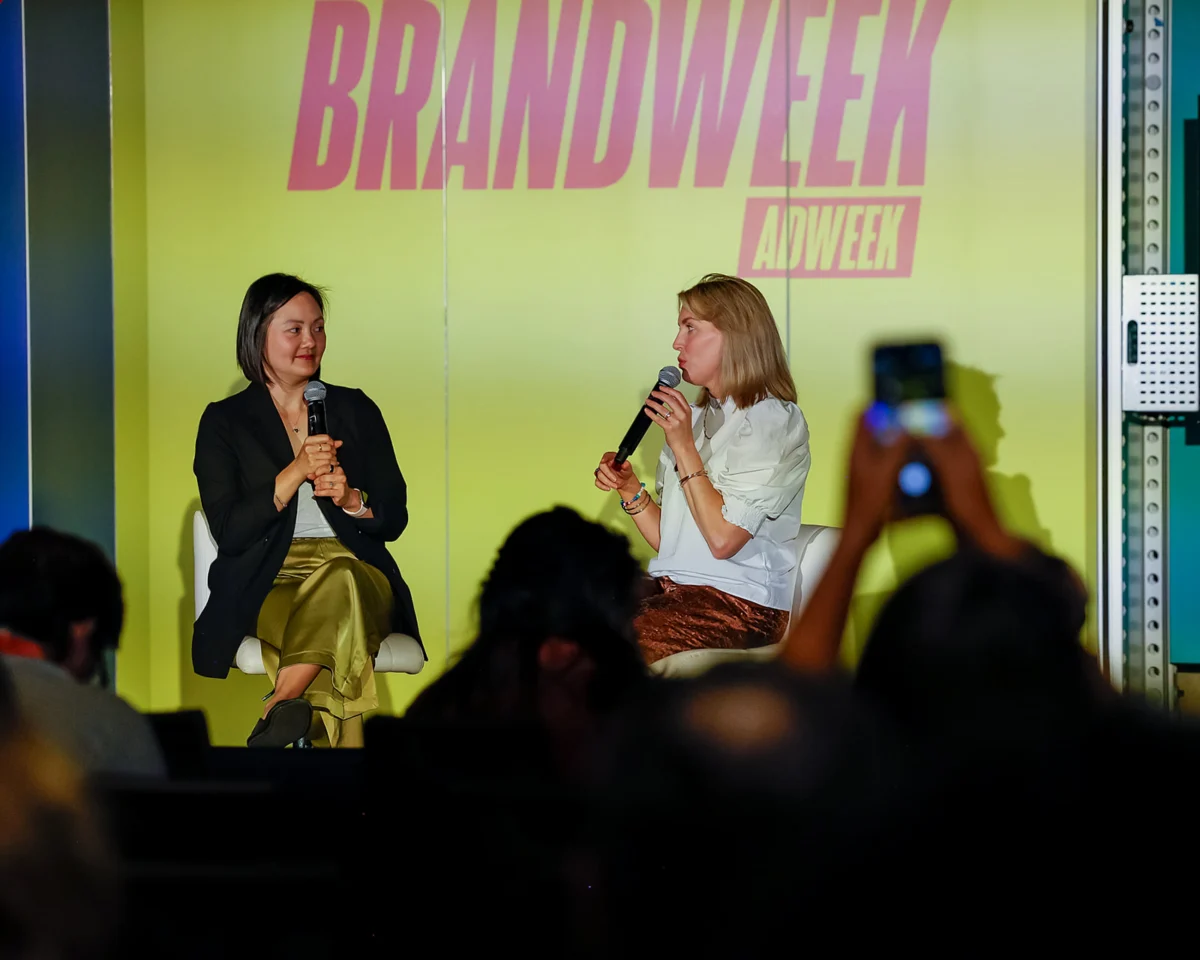
In the high-stakes world of consumer packaged goods (CPG), the advertisements that grace our screens—sleek, fast-paced, and aspirational—often obscure the grueling intellectual labor required to build a brand that resonates with a shifting cultural zeitgeist. For Kim Dao, the head of marketing at the men’s grooming powerhouse Every Man Jack, the “polished ad” is merely the tip of the iceberg. Beneath the surface lies a rigorous, data-driven, and deeply empathetic approach to understanding what the modern man actually needs, values, and desires.
Speaking at Adweek’s recent Brandweek summit, Dao offered a rare glimpse into the machinery of one of the industry’s most successful pivots. By stripping away the performative nature of traditional men’s advertising, Every Man Jack has successfully bridged the gap between premium performance and accessible, everyday utility.
The Evolution of a Category: A Chronology of Disruption
To understand the current strategy at Every Man Jack, one must first look at the landscape of 2007, the year of the brand’s inception. At that time, the men’s personal care aisle was a binary, fragmented space. On one end of the spectrum sat the "drugstore" staples—utilitarian, heavily scented, and often associated with low-cost chemical formulations. On the other end were the "salon-grade" products, which promised superior performance but came with an prohibitive price tag that alienated the average consumer.
2007: The Genesis of the "Every Man" Concept
When Every Man Jack launched, the vision was singular: to democratize quality. The company sought to create products that featured naturally derived ingredients, responsible packaging, and high-performance efficacy, all without the "luxury tax" of boutique grooming brands. This positioning allowed them to carve out a niche in the "masstige" market—prestige quality at mass-market prices.
2015–2020: Digital Transformation and Direct-to-Consumer Growth
As the brand matured, the shift toward e-commerce and direct-to-consumer (DTC) channels provided Every Man Jack with an unprecedented feedback loop. The company moved away from broad, demographic-based marketing and began utilizing granular consumer insights to refine its product development. This period marked the transition from being a "product on a shelf" to becoming a "lifestyle brand" that engaged with men on social media and through digital communities.
2023–2024: The Strategic Pivot and the Baker Mayfield Partnership
Most recently, the brand has focused on authentic storytelling. The collaboration with NFL quarterback Baker Mayfield was not merely a celebrity endorsement; it was a strategic alignment of brand values. By leveraging a high-profile athlete known for his grit and "scrappy" underdog mentality, Every Man Jack successfully repositioned its core identity to appeal to a broader, younger, and more diverse audience.
The Data-Driven Human Element
While the industry often fixates on conversion rates and ROAS (return on ad spend), Dao emphasizes that true marketing success is rooted in human-centric research. The "scrappy" mindset she advocates for is not about cutting corners; it is about finding creative ways to tell stories that matter to the consumer.
Understanding the Modern Man
The modern consumer is increasingly skeptical of traditional "masculine" tropes. Every Man Jack’s research indicates that today’s man is looking for transparency. They want to know what is in their products, where the ingredients come from, and how the company contributes to environmental sustainability.
By analyzing consumer feedback loops—ranging from social sentiment analysis to long-term retail purchase data—the marketing team at Every Man Jack identified a key insight: men are no longer looking for "fix-it" products. They are looking for products that facilitate a self-care routine that feels natural, efficient, and aligned with their personal health goals.
The Baker Mayfield Case Study
The partnership with Baker Mayfield stands as a testament to the power of matching a brand’s narrative with a partner’s public persona. The campaign, which resulted in a signature collection, outperformed expectations by focusing on authenticity.
- The Strategy: Avoid the "over-produced" celebrity endorsement. Instead, focus on the athlete’s genuine daily routine.
- The Result: A significant uptick in brand affinity among younger demographics who view Mayfield as an authentic, relatable figure rather than an untouchable icon.
- The Implication: Authenticity is the new currency in marketing. If the partnership feels forced, the consumer will disengage.
Supporting Data: Why "Values-Based" Marketing Works
The shift in the personal care industry is supported by significant market data. According to industry reports, consumers are 60% more likely to purchase from a brand that demonstrates a clear commitment to social or environmental values.
Every Man Jack has leaned into this by emphasizing:
- Sustainable Sourcing: Using naturally derived ingredients.
- Packaging Innovation: Utilizing post-consumer recycled plastic to reduce the carbon footprint.
- Transparency: Clear labeling and ingredient education to build long-term trust.
The intersection of these efforts with the brand’s pricing strategy creates a "value proposition moat." Competitors often struggle to match the brand’s quality-to-price ratio while maintaining the same level of environmental commitment, giving Every Man Jack a distinct competitive advantage.
Official Responses and Strategic Philosophy
During her Brandweek address, Kim Dao articulated a philosophy that serves as a blueprint for other marketers. "As a marketer, you can get scrappy—what stories does your brand want to tell?" she asked the audience. "What values are you trying to bring to life?"
Her leadership style centers on internal alignment. If the marketing department is telling a story that the R&D department cannot support with high-quality, honest product development, the brand will inevitably fail. At Every Man Jack, the marketing team acts as a bridge between the consumer’s desires and the product’s capabilities. This internal synergy is why the brand has managed to stay relevant for nearly two decades while many of its contemporaries have either folded or been subsumed by larger conglomerates.
Implications for the Future of CPG
The success of the Every Man Jack model holds profound implications for the future of the CPG landscape:
1. The Death of the "One-Size-Fits-All" Campaign
The age of the massive, singular television campaign is waning. Brands must now curate multi-channel strategies that speak to niche audiences while maintaining a cohesive core identity. Every Man Jack proves that you can be "mass market" without being "generic."
2. The Power of "Scrappy" Authenticity
In an era of AI-generated content and highly filtered social media, the market is starving for authenticity. Brands that show the "meticulous research" and the effort behind their products—rather than just the finished result—build deeper, more durable relationships with their customer base.
3. Sustainability as a Business Imperative
Environmental stewardship is no longer a "nice-to-have" marketing add-on. It is a fundamental expectation of the modern consumer. Every Man Jack’s commitment to sustainable practices has proven to be a key driver of customer loyalty, particularly among younger, socially conscious consumers.
4. The Evolution of Celebrity Partnerships
Celebrity endorsements are shifting from passive billboards to active collaboration. The Baker Mayfield signature collection illustrates that consumers want to see the celebrity involved in the creation and use of the product. This creates a narrative of genuine ownership rather than simple product placement.
Conclusion
As Every Man Jack approaches its third decade, the brand stands at a crossroads of maturity and continued innovation. The lessons shared by Kim Dao at Brandweek remind us that even the most successful campaigns are not the result of magic, but of methodical, values-based investigation.
By refusing to compromise on quality and daring to move away from the traditional, rigid archetypes of "manly" grooming, Every Man Jack has set a new standard for the industry. Their journey from a 2007 startup to a dominant force in personal care is a masterclass in how to stay "scrappy," relevant, and fundamentally human in a world that is increasingly obsessed with the artificial. For brands looking to survive the next twenty years, the message is clear: look past the advertisement, find the authentic story, and never stop listening to the person on the other side of the screen.