










New Delhi | Updated: April 29, 2026
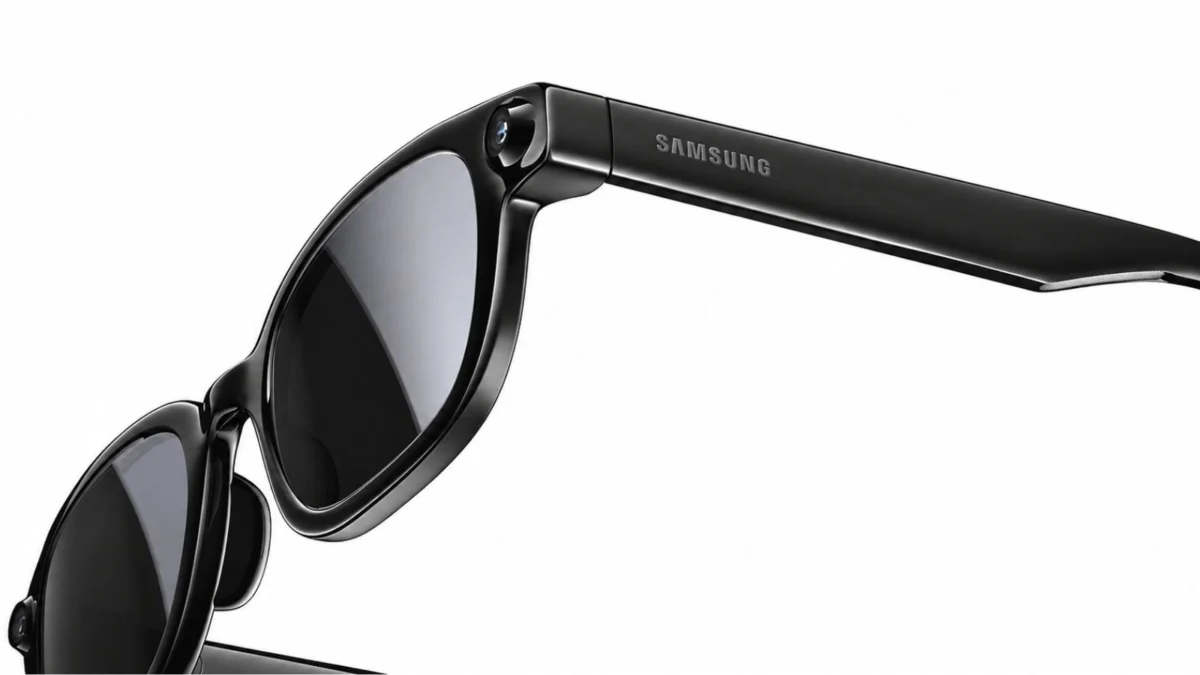
In a move that signals a seismic shift in the consumer electronics landscape, Samsung is reportedly preparing to aggressively enter the smart eyewear market. With the forthcoming "Galaxy Glasses," the South Korean technology giant is looking to extend its dominance from traditional handsets and wearables into the burgeoning Extended Reality (XR) ecosystem. This expansion represents not just a new hardware category, but a strategic effort to redefine how users interact with the digital world through the lens of artificial intelligence and spatial computing.
The Genesis of a New Wearable Paradigm
The smart glasses segment, once a niche playground for tech enthusiasts, is rapidly maturing into a mainstream consumer category. Samsung’s entry, characterized by its collaboration with tech titan Google and fashion-forward partners like Warby Parker and Gentle Monster, suggests a dual-focus strategy: high-performance technical capability married with the aesthetic sensibilities required for daily, public wear.
According to industry leaks, Samsung is currently developing two distinct iterations of these glasses, codenamed internally as "Jinju" and "Haean." By bifurcating its product line, Samsung appears to be catering to two different segments of the market—one focused on utility and connectivity, and the other on high-end visual immersion.
The Technical Breakdown: A Dual-Track Strategy
The ‘Jinju’ Model: Efficiency and Utility
The "Jinju" model is expected to be the initial entry point for the consumer. Industry insiders indicate that this version will forgo a built-in display, functioning instead as a high-fidelity "smart audio and capture" device. By focusing on a camera-first, display-less design, Samsung is likely aiming to reduce the form factor’s weight and power consumption, positioning it as an everyday companion rather than a dedicated XR headset.
The ‘Haean’ Model: The Immersive Future
The "Haean" iteration is rumored to feature a high-density micro-LED display. This model is expected to push the boundaries of what is possible in an ultra-portable frame, providing a heads-up display (HUD) capability that projects digital overlays directly into the user’s field of view. This puts Samsung in direct competition with the high-end tier of the wearable market, aiming to provide a bridge between the physical world and the digital information layer.
The Silicon Heart: Connectivity and Power
Under the hood, reports suggest the Galaxy Glasses will be powered by Qualcomm’s Snapdragon AR1 chipset—a platform specifically optimized for lightweight smart glasses. This choice of silicon is indicative of a focus on efficient thermal management and power consumption.
Key specifications leaked from industry sources include:
- Battery Capacity: 155mAh, likely optimized for extended daily use.
- Imaging: A 12-megapixel Sony IMX681 sensor, designed for high-quality first-person media capture.
- Weight: An ultralight profile of approximately 50 grams, ensuring comfort for prolonged wear.
- Connectivity: Seamless integration via Wi-Fi and Bluetooth 5.3, ensuring low-latency communication with the host Galaxy smartphone.
A Chronology of Samsung’s XR Ambitions
Samsung’s journey toward the Galaxy Glasses did not happen in a vacuum. It is the result of a calculated multi-year roadmap:
- 2023: Samsung formally announces a partnership with Google and Qualcomm to develop an XR platform, signaling the intent to move beyond mobile.
- 2024: The company accelerates its R&D in micro-LED technology and sensor miniaturization, laying the groundwork for wearable XR.
- 2025: The launch of the Galaxy XR headset provides a foundational software environment, testing the waters of high-end spatial computing against competitors like Apple’s Vision Pro.
- 2026 (Current): Reports surface regarding the imminent announcement of the Galaxy Glasses, effectively filling the gap between the mobile phone and the full-scale XR headset.
Integrating the Ecosystem: The Role of Gemini AI
Perhaps the most significant differentiator for Samsung’s upcoming wearable is the deep integration of Google’s Gemini AI. By leveraging the power of generative AI within the Android XR framework, the Galaxy Glasses are intended to be far more than a simple camera-mounted frame.
Users can expect:
- Contextual Translation: Real-time, on-lens or audio-based translation of foreign signage and conversations.
- Spatial Navigation: Integration with Google Maps to provide turn-by-turn directions within the user’s peripheral vision.
- AI Assistance: Voice-triggered weather updates, complex query processing, and proactive information retrieval.
- Media Capture: Hands-free photography and video recording, managed through intuitive touch controls or voice commands.
Implications for the Industry: The Ray-Ban Meta Rivalry
Samsung’s decision to prioritize a "conventional" design language is a direct acknowledgment of the success of the Ray-Ban Meta Smart Glasses. By partnering with fashion-tech icons, Samsung is signaling that it understands the primary barrier to smart eyewear adoption: social acceptance.
The implications for the industry are profound. If Samsung can successfully scale its manufacturing and integrate its vast Galaxy ecosystem—which includes millions of users already embedded in its smartphone and wearable network—it could potentially commoditize the smart glasses segment.
This move puts immense pressure on existing players. While Ray-Ban Meta has established a foothold in the "style-first" market, Samsung’s advantage lies in its vertical integration. The ability to sync the glasses seamlessly with Galaxy phones, tablets, and smartwatches creates a "walled garden" effect that is notoriously difficult for standalone competitors to breach.
Official Stances and Market Sentiment
While Samsung has remained characteristically tight-lipped regarding specific launch dates or pricing, the company’s recent patent filings and public statements regarding its "XR Ecosystem" leave little doubt about its direction. During the last earnings call, Samsung leadership emphasized that the "next frontier of personal computing lies in the integration of AI into wearable form factors," a sentiment that perfectly aligns with the development of the Galaxy Glasses.
Market analysts suggest that the launch of these glasses will likely coincide with a major Galaxy Unpacked event later this year, potentially positioning them as the "must-have" accessory to complement the latest flagship Galaxy smartphone.
The Road Ahead: Challenges and Hurdles
Despite the optimism, the path to mass adoption is fraught with challenges. Privacy concerns surrounding wearable cameras remain a significant hurdle, as does the ongoing issue of battery longevity in such a small form factor. Furthermore, the user experience (UX) must be perfected; digital overlays that are intrusive or distracting could alienate the very consumers Samsung is trying to attract.
However, if the "Jinju" and "Haean" models can deliver on the promise of a sleek, lightweight, and truly helpful AI assistant, Samsung may well trigger the next major shift in personal technology. The smartphone, which has defined the last two decades of our digital lives, may soon be finding its long-awaited successor in the frames of our glasses.
As we look toward the latter half of 2026, the question is no longer whether smart glasses will become a mainstream reality, but rather, which manufacturer will define the user experience for the next generation. Samsung is betting that its combination of hardware expertise, strategic AI partnerships, and commitment to aesthetic design will make the Galaxy Glasses the definitive choice for the modern, connected user.
(This article has been curated by Shivani P Menon, an intern with The Indian Express, and expanded for technical depth and industry context.)
© IE Online Media Services Pvt Ltd



