








For years, Strava has stood as the undisputed titan of the endurance world. To the casual observer, it is the social network for cyclists and runners—a digital ledger of miles logged, segments conquered, and personal bests celebrated. However, the platform is currently undergoing a fundamental metamorphosis. With its latest suite of updates targeting route discovery, navigation, and strength training, Strava is aggressively pivoting away from its "niche" origins to position itself as a comprehensive, all-in-one digital health and fitness companion.
This strategic expansion is not merely about adding features; it is an attempt to capture the broader fitness market, challenging specialized apps like Komoot, AllTrails, and dedicated strength-training platforms. By integrating coach-designed programs and intuitive AI-driven search, Strava is betting that the future of fitness lies in consolidation rather than fragmentation.
The Main Facts: What is Changing?
Strava’s recent updates are broad in scope, touching both the outdoor adventure enthusiast and the gym-goer. According to the company’s latest official communications, the primary focus of this update is to reduce friction in the user experience—making it easier to find, plan, and execute workouts, whether they take place on a mountain trail or in a weight room.
Enhanced Route Discovery
The most significant change to the platform is the overhaul of its route discovery engine. Strava has introduced a more "intuitive" search function that moves away from rigid filters, allowing users to describe their needs in natural language. This semantic search capability means users can input prompts like "a scenic 5-mile hike with elevation gain" or "a flat, safe cycling route for beginners," and the app will parse these requests to generate relevant suggestions.
Additionally, the company has expanded its route inventory and streamlined the interface for offline maps, ensuring that adventurers in areas with poor cellular connectivity—a common pain point for hikers—can maintain access to their navigation tools without interruption.

Strength Training Integration
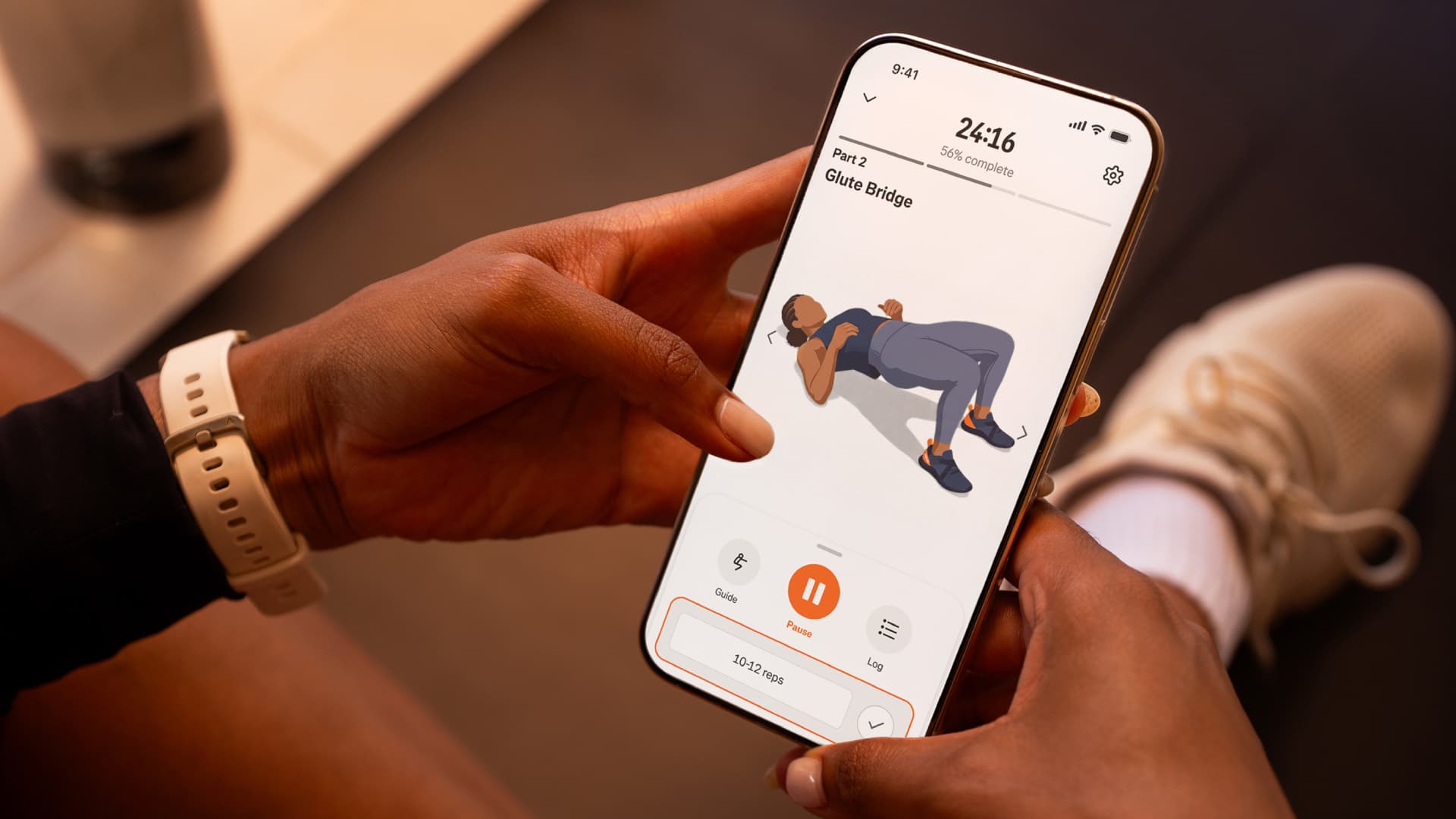
While Strava has long supported the tracking of various activity types, it has historically lacked depth for gym-based training. That is changing. Following an October rollout, the platform now offers strength workouts designed by professional fitness coaches. These are not static logs; they include animated guidance to ensure proper form, alongside live set and rep tracking. This creates a "guided" experience, moving Strava from a passive tracker to an active coach.
Future-Proofing the Subscription
Strava is also preparing to roll out hands-free, turn-by-turn audio navigation for subscribers, further cementing its value proposition as a dedicated GPS tool for outdoor enthusiasts. Furthermore, the company plans to introduce community-based tagging of points of interest (POIs), allowing users to share real-world knowledge about trails, water stops, or hazards, which will then be accessible to the wider community.
Chronology: A Trajectory of Growth
To understand why Strava is making these changes, one must look at its recent history. The platform has spent the last 24 months systematically dismantling the barrier between "niche tracker" and "holistic lifestyle app."
- Mid-2023: Strava began aggressively expanding its activity list, adding support for lesser-known sports and recreational activities. This was the first signal that the platform was looking beyond its core demographic of cyclists and runners.
- October 2024: The company launched its "Strength Experience" initiative. By introducing coach-designed workouts with native recording capabilities, Strava signaled a move into the high-retention world of digital personal training.
- Late 2024/Early 2025: The current push toward "intuitive" route discovery and web-based planning tools marks the maturation of this strategy. The focus has shifted from what is being tracked to how the user discovers the environment in which they train.
- The Road Ahead (2026): Strava has explicitly stated that further "workout series" and advanced tracking modalities for strength training are in the development pipeline, with a roadmap extending through 2026.
Supporting Data: Why the Shift?
The fitness app market is becoming increasingly saturated, and the "freemium" model is under immense pressure. Users are experiencing "subscription fatigue," and companies like Strava are well aware that the best way to prevent churn is to become the "sticky" platform—the one app that a user cannot justify deleting because it does everything they need.
Data suggests that while running and cycling remain the most popular activities on Strava, there is a massive untapped segment of users who want to transition between outdoor and indoor training. By integrating strength training, Strava is capturing the "crossover" user—the cyclist who strength trains in the winter or the runner who hits the gym to build injury-preventative muscle.

Moreover, the emphasis on route discovery addresses a major friction point in the outdoor industry. Many users currently pay for separate subscriptions to apps like AllTrails or Komoot simply for better maps. By elevating its own mapping and navigation, Strava is effectively offering a "bundle" that makes competing, single-feature apps redundant for the average user.
Official Responses and Strategic Vision
Strava’s leadership has framed these changes as a response to the "democratization of fitness." In recent press releases, the company has emphasized that its goal is to "make outdoor activity more accessible."
The shift toward AI-powered, intuitive search is a direct response to user feedback requesting a more conversational interface. By lowering the barrier to entry—making it easier for a novice to find a route or follow a workout—Strava is attempting to expand its user base beyond the "serious athlete" demographic.
"Our goal is to be the home for every athlete," a company representative noted during the rollout. By providing professional-grade, coach-designed content, Strava is effectively positioning itself as a platform that provides value even when the user isn’t physically moving. The move toward web-based planning also acknowledges that modern athletes are "power users" who want to plan their adventures on a desktop monitor before taking their phone into the field.
Implications: The Future of the Fitness App Landscape
What does this mean for the industry? The implications are significant, both for the user and for the competitive landscape.
For the User: The "Super-App" Era
The primary beneficiary of this trend is the end-user. The convenience of having navigation, workout planning, performance tracking, and social networking under one digital roof is unparalleled. It simplifies the user’s "tech stack," reducing the number of subscriptions they need to manage and centralizing their health data in one location. However, this also creates a "walled garden" effect. As Strava adds more features, users may find it increasingly difficult to leave the platform, as their historical data—years of training logs—becomes deeply embedded in the Strava ecosystem.
For Competitors: A Looming Threat
Specialized apps that focus solely on one niche—such as map-only apps or simple weight-lifting trackers—now face an existential threat. If Strava can offer 80% of the functionality of a specialized app within its existing, massive network, many users will inevitably choose to consolidate. We can expect to see smaller competitors either consolidate, pivot to hyper-niche features that Strava cannot easily replicate, or focus on deeper community integration to stay relevant.
For the "Digital Coach" Market
The inclusion of coach-designed strength programs places Strava in direct competition with apps like Peloton, Nike Training Club, and various boutique fitness subscription services. By using its massive user base to scale these services, Strava can potentially offer a more cost-effective solution than dedicated fitness apps. The challenge, however, will be maintaining the quality and personalization of coaching as the platform scales.
Conclusion: A New Chapter for Strava
Strava is no longer just a place to upload a GPX file and see where you rank on a leaderboard. It is evolving into a comprehensive wellness architecture. By blending the social validation of its community, the technical precision of its new route-planning tools, and the guided structure of its strength-training modules, the company is attempting to own the entire fitness lifecycle of its users.
Whether these updates will satisfy the die-hard cyclists and runners who fear the platform is becoming "too bloated" remains to be seen. However, from a business perspective, the strategy is clear: by becoming the single point of entry for all things fitness, Strava is ensuring its relevance for years to come. As we look toward the 2026 roadmap, one thing is certain: the era of the specialized fitness app is giving way to the era of the integrated fitness ecosystem, and Strava is currently leading the charge.