










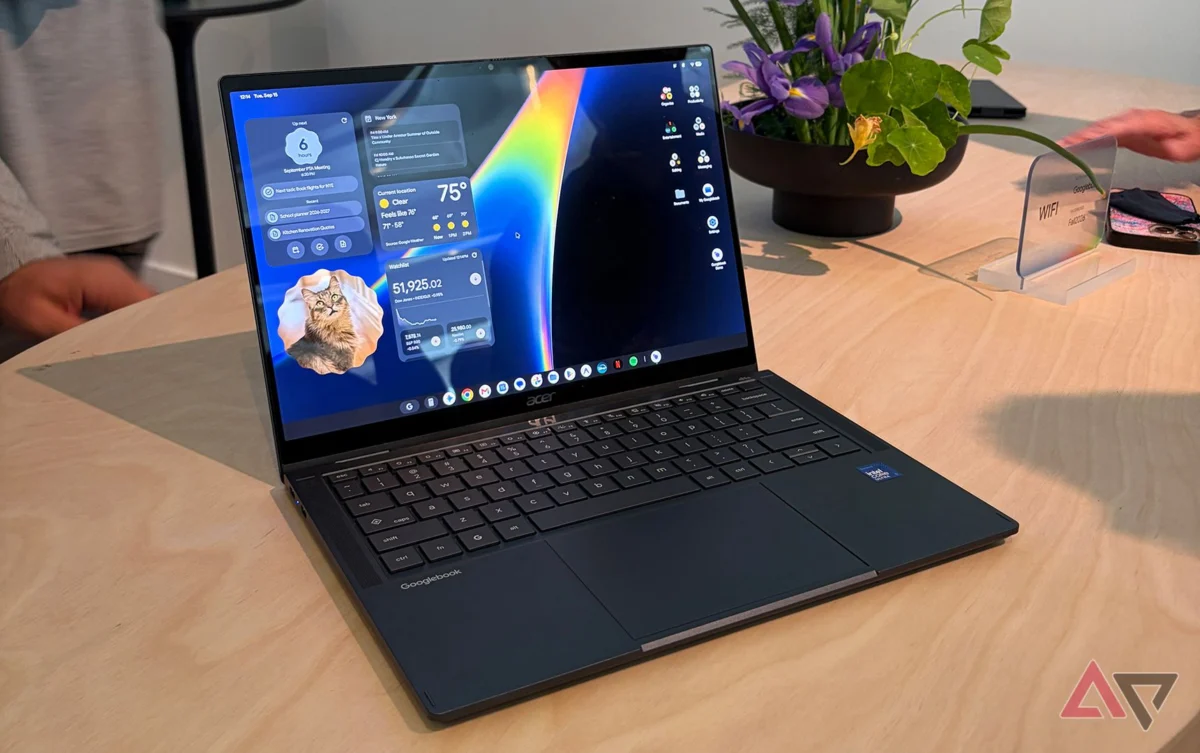
The launch of the Googlebook earlier this month was met with both critical acclaim and significant skepticism. While the hardware signaled a new frontier in the company’s computing strategy, the initial user experience was marred by a glaring omission: the lack of "Better Together" feature support for Samsung Galaxy smartphones. For a device positioned as the ultimate companion for Android users, the inability to interact seamlessly with the world’s most popular Android handsets was a major hurdle.
However, in a significant turn of events, Google has officially addressed these compatibility woes. Following a series of updates rolling out this week, Samsung Galaxy users running One UI 9.0—based on Android 17—can now fully leverage the ecosystem benefits that define the Googlebook experience.
The Chronology of a Connectivity Patch
The tension surrounding Googlebook’s launch centered on the "Better Together" suite, a collection of cross-device functionalities designed to create a frictionless transition between handheld devices and the laptop. At the time of release, users discovered that despite the presence of advanced Android 17 software, Samsung’s custom One UI 9.0 implementation acted as a bottleneck, rendering features like cross-device app streaming and notification syncing non-functional.
The issue came to a head on October 12, 2026, when Mishaal Rahman, a well-known authority on Android internals, shared a critical update via a Reddit post. According to the announcement, Google has finalized the necessary backend adjustments to allow Samsung devices to handshake with the Googlebook’s proprietary cross-device service layer.

The rollout is currently underway, delivered through a combination of silent Google Play Services updates and background service patches. Users are not required to perform a full system update; instead, the integration will manifest automatically as the cloud-based services refresh over the coming days.
Understanding ‘Better Together’ Functionality
To understand why this fix is so critical, one must look at what "Better Together" actually offers. At its core, the suite is Google’s answer to the "walled garden" approach seen in competing ecosystems. It enables:
- Cross-Device Continuity: Start an activity on your Galaxy phone—such as writing an email or browsing a specific webpage—and pick up exactly where you left off on your Googlebook with a single click.
- Unified Notification Management: Sync "Do Not Disturb" states and receive actionable notifications directly on the laptop, allowing users to reply to texts or manage alerts without reaching for their phone.
- App Streaming: Project your phone’s interface directly into a window on your Googlebook, allowing for the use of mobile-exclusive applications on a larger, more productive screen.
- Seamless File Access: Access local storage, gallery files, and media directly through the Googlebook’s file manager, treating the phone as a seamless extension of the laptop’s storage.
Before this update, Samsung users—who represent a massive segment of the Android install base—were effectively locked out of these productivity-enhancing features, making the Googlebook feel more like an isolated island than a central hub.
A Smoother Setup: Beyond Samsung Connectivity
The update from Google is not solely focused on Samsung interoperability. The company has also addressed systemic frustrations regarding the "first-time setup" experience. Previously, users reported a persistent bug where the QR code for pairing devices would remain on the screen even after the handshake process was ostensibly complete.

Google confirmed that a new update to Google Play Services will optimize the setup flow. By reducing the number of steps required to initialize cross-device services, the company aims to lower the barrier to entry for non-technical users. This refinement is a clear signal that Google is listening to early feedback and prioritizing the polish of its ecosystem-wide software layer.
Technical Prerequisites and User Responsibility
While the bridge between Samsung and Googlebook has been built, crossing it requires specific criteria. The integration is not a "magic button" and depends heavily on software parity.
Essential Requirements:
- Software Versions: Your Samsung device must be updated to One UI 9.0, built upon Android 17.
- Service Versions: Google Play Services must be updated to version 26.37 or higher, and the "Cross-device services" package must be at 1.0.1346 or higher.
- Account Parity: The Googlebook and the Galaxy phone must be signed into the exact same personal Google account.
- Network Environment: Google emphasizes the use of standard home Wi-Fi networks. Users are explicitly warned that VPNs, firewalls, or DNS-level blockers can interfere with the device-discovery protocols required for Better Together to function.
- Feature Toggles: Users must manually verify that "Continue activity" settings—covering Tasks, Apps, Notifications, and Files & Media—are enabled within the system settings.
Implications for the Android Ecosystem
The decision to prioritize a fix for Samsung is a strategic necessity. Samsung remains the dominant force in the Android hardware market; ignoring the Galaxy user base would have effectively capped the Googlebook’s potential market share. By resolving this friction, Google is signaling its intent to build a truly platform-agnostic ecosystem.
Industry analysts suggest that this move is a direct response to the "Apple-fication" of the Android experience. By providing a suite of tools that mimic the seamless integration of macOS and iOS, Google is attempting to increase user retention. If a user can move their workflow from a Samsung phone to a Googlebook, they are less likely to migrate to a competing ecosystem like the iPhone or a Windows-based laptop.
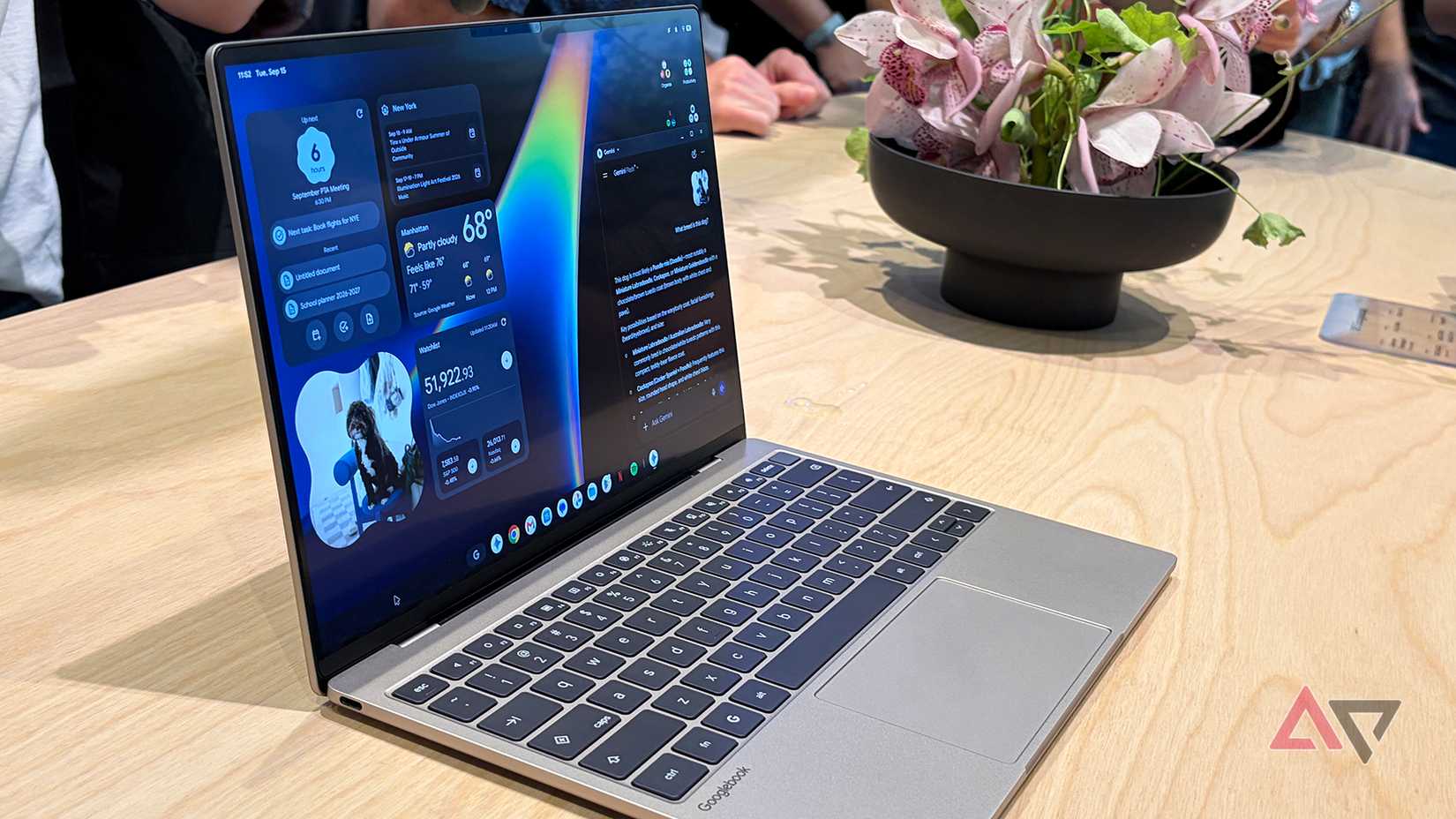
Furthermore, the inclusion of support for other manufacturers—such as Oppo, OnePlus, Motorola, Lenovo, Honor, and Sony—demonstrates that Google is committed to a broad-tent approach. While Samsung was the most high-profile omission, the overall health of the Googlebook platform relies on its ability to play nice with all OEMs (Original Equipment Manufacturers).
Troubleshooting and Future Outlook
Despite the fix, some users may still encounter intermittent connectivity issues. Google has updated its official troubleshooting documentation to account for the complexities of multi-brand synchronization. The primary recommendation remains the same: ensure that Bluetooth and Wi-Fi are active, as these are the primary radios used for the initial discovery and sustained data tethering between the two devices.
As we look toward the remainder of 2026, the success of the Googlebook will likely be measured by the stability of these cross-device features. Software, rather than hardware, has become the new battlefield for tech giants. If Google can maintain this level of responsiveness to user feedback, it stands a strong chance of establishing the Googlebook as the premier "companion" device for the vast, diverse world of Android smartphones.
For the average Samsung Galaxy owner, the message is clear: the ecosystem is finally opening up. The barriers that once restricted the utility of the Googlebook have been dismantled, paving the way for a more integrated, efficient, and cohesive mobile-to-desktop experience.



