








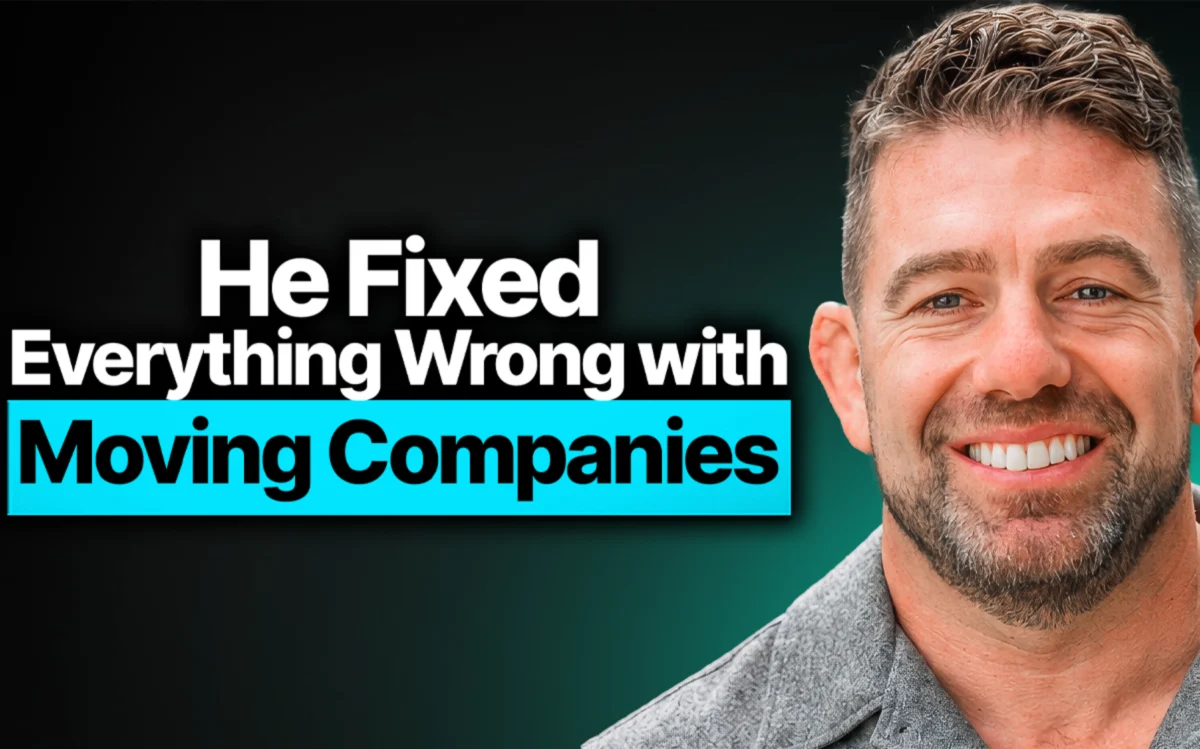
SAN LUIS OBISPO, Calif. — In the competitive, highly fragmented landscape of the moving and storage industry, few companies have achieved the longevity, brand recognition, and operational scale of Meathead Movers. Founded nearly three decades ago by a 17-year-old high school wrestler, the enterprise has blossomed into an eight-figure powerhouse boasting nine regional locations, two mini-storage facilities, and a blueprint for West Coast expansion that relies on intrapreneurship and relentless customer accountability.
In a recent appearance on the Niche Pursuits podcast, founder and CEO Aaron Steed detailed the grueling, methodical journey of scaling his business. What began as a modest way to earn spending money around athletic schedules has evolved into a case study in resilience, brand differentiation, and modern lead-conversion strategies.
Main Facts: Anatomy of an Eight-Figure Moving Empire
At its core, Meathead Movers is built on a deceptively simple premise: pairing the raw physical labor and discipline of student-athletes with an uncompromising dedication to customer service.
- Scale: The company currently operates nine moving locations and two mini-storage facilities across California, with an aggressive target to open two new offices annually.
- Workforce: Leveraging a unique pipeline of collegiate and high school athletes—drawn initially from local hubs like Cal Poly in San Luis Obispo—the business utilizes a rigorous 400-point training program.
- Differentiators: Unlike traditional moving companies where crews pace themselves to maximize hourly fees, Meathead movers actively jog when not carrying heavy items, drastically shortening job durations and saving clients money.
- Corporate Mission: Beyond profitability, the company has institutionalized a pro-bono moving service for victims of domestic violence, working alongside local women’s shelters to provide safe, secure relocations.
Chronology: Overcoming Crises and Scaling Through Adversity
The trajectory of Meathead Movers was far from an overnight success story. It was forged in the crucible of regulatory hurdles, marketing disasters, and severe operational setbacks.
The Humble Origins (1990s)
Growing up in San Luis Obispo, California, Aaron Steed’s primary focus was wrestling. Needing an income stream that accommodated his athletic and academic commitments, the 17-year-old began taking on odd jobs and helping neighbors move. Within his first ten moves, customers consistently praised his work, contrasting it sharply with industry norms: movers who failed to show up, damaged items, or engaged in predatory pricing after loading trucks. Recognizing a market gap, Steed tapped into the local athletic community, recruiting disciplined teammates accustomed to physical labor and teamwork.
The Regulatory Crisis and the Disconnected Phone (2000)
As the business gained traction, established local competitors took notice. Challenging the legality of Meathead Movers operating without a formal professional moving license—since they initially acted as a labor service while clients rented trucks—regulators cracked down. By the summer of 2000, the company’s phone lines were abruptly disconnected.
In a pre-internet local service economy, a disconnected phone line was catastrophic. For Steed, this crisis marked a turning point: he chose to abandon his collegiate wrestling ambitions to save the business. Needing $25,000 for licensing, insurance, and accounting systems, Steed improvised. He partnered with a local weekly paper, New Times, running advertisements while cycling through various business names and temporary phone numbers as regulators pursued them.
Once the $25,000 threshold was met, Steed secured his official permit, transforming Meathead Movers into a fully licensed carrier capable of renting its own fleet. Shortly after, he secured bank financing to purchase five new trucks, reducing monthly rental expenditures by thousands of dollars and turning the tables on competitors who had once tried to shut him down.
The Expansion into Ventura County and the Yellow Pages Debacle (2007)
Following its initial success in San Luis Obispo and a 2005 expansion into Santa Maria, the company made a bold leap into Camarillo in 2007 to capture Ventura County and northern Los Angeles County.
To anchor this expansion, Steed negotiated a massive full-page advertising agreement with AT&T Yellow Pages, leased a 7,000-square-foot facility, and relocated staff. Just a month before print, AT&T reneged on the agreement. Without the cornerstone directory of the era, the company faced an existential threat in a new market.
The team responded with guerrilla marketing: door-to-door flyering, local promotions, and grassroots engagement—sometimes enduring hostile reactions from locals. Crucially, Steed redirected the tens of thousands of dollars saved from the failed Yellow Pages deal directly into early digital marketing and website development, laying the groundwork for scalable customer acquisition.
Supporting Data: The Metrics of Modern Conversion and Retention
As Meathead Movers approaches its third decade, the enterprise has modernized its customer acquisition engine while retaining its high-touch offline ethos.
According to internal company metrics shared by Steed, operational responsiveness is the single greatest driver of conversion:
- The Speed-to-Lead Gap: Meathead Movers closes approximately 50% of prospective clients they successfully reach immediately. However, that close rate plummets to the low 20% range for leads they fail to contact promptly—representing a critical 30-percentage-point differential.
- The "Double Tap" Strategy: Recognizing that modern consumers frequently screen calls from unfamiliar numbers, the sales team implemented an immediate follow-up text message identifying the company before a second call attempt, significantly boosting answer and conversion rates.
- The Referral Window: Data indicates that the vast majority of organic referrals for in-home service businesses occur within two weeks of service completion, prompting the company to aggressively front-load its post-move appreciation and engagement campaigns.
Official Perspectives and Strategic Innovations
Steed’s reflections on leadership reveal a philosophy rooted in calculated patience and internal empowerment. Rather than chasing reckless venture-backed expansion, Steed has prioritized sustainable, organic growth.
The Path from Mover to Owner
To fuel future West Coast expansion—targeted at opening two new offices annually—Meathead Movers is radically restructuring its branch operations. Branch general managers now receive profit-sharing during their initial years. Over time, those accumulated earnings can be utilized to acquire up to a 40% ownership stake in their respective branch.
This model democratizes business ownership, providing individuals from non-affluent backgrounds a tangible pathway to equity while ensuring local leadership remains deeply invested in customer satisfaction and community standing.
Institutionalized Philanthropy
The company’s commitment to providing free moving services for survivors of domestic violence has fundamentally shaped its corporate culture. By partnering with local shelters to vet and execute these moves safely, Meathead Movers has provided hundreds of individuals with a secure fresh start, instilling a profound sense of purpose in its athletic workforce.
Implications: Lessons for Modern Service Entrepreneurs
The 29-year evolution of Meathead Movers offers several key takeaways for modern service-based businesses navigating digital disruption:
- Brand Identity Trims the Noise: A memorable, unconventional name like "Meathead Movers" can become an enduring asset if backed by operational excellence and a distinct service model (e.g., jogging movers, 400-point training).
- Accountability Wins Markets: By offering concrete guarantees—such as partial refunds for sub-par individual worker performance—companies can dismantle consumer skepticism in industries plagued by poor historical reputations.
- Agility Beats Setbacks: Whether pivoting from disconnected phone lines to local newspaper ads, or redirecting failed Yellow Pages budgets into digital SEO and Google Ads, survival requires aggressive tactical pivoting.
- Align Growth with Talent Retention: Creating internal equity pathways, such as branch co-ownership models, solves the perennial scaling challenge of maintaining quality control across geographically dispersed locations.
As Meathead Movers continues its methodical march across the West Coast, Aaron Steed’s journey stands as a testament to the fact that enduring corporate scale is rarely built on a single stroke of luck, but rather on relentless persistence, extreme accountability, and a refusal to compromise on customer trust.