










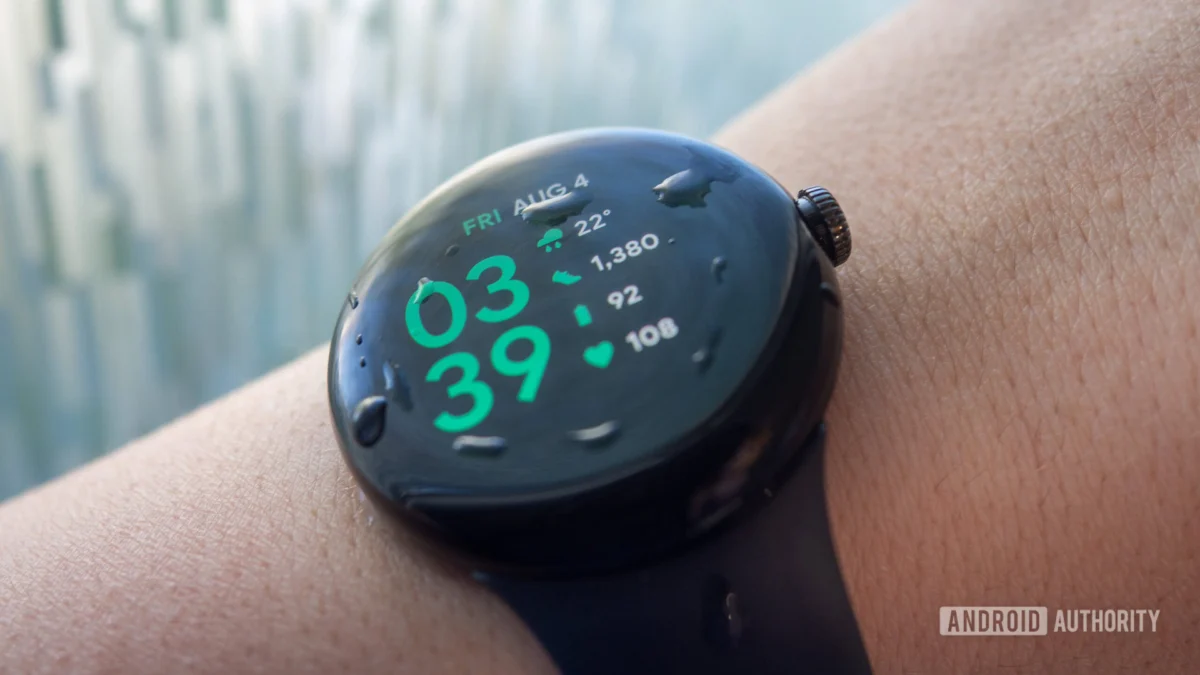
The landscape of personal health tracking is undergoing a seismic shift. As the lines between consumer-grade wearables and clinical-grade health monitoring continue to blur, Google has officially rolled out its latest major update: Google Health 5.09. This update, now available for both Android and iOS platforms, represents one of the most significant expansions of the Google Health ecosystem to date.
By integrating advanced biometric tracking for Pixel Watch users and broadening compatibility for third-party devices, Google is positioning its health platform as the central nervous system for a user’s wellness data. Whether you are a fitness enthusiast tracking cardio load or someone monitoring long-term health metrics like insulin resistance, the 5.09 update introduces sophisticated tools designed to move beyond simple step counting into the realm of proactive health management.
Main Facts: What’s New in Version 5.09?
The core of the Google Health 5.09 update revolves around three primary pillars: hardware-specific health monitoring, cross-platform compatibility, and enhanced user experience for data logging.
Pixel Watch Exclusive Features
For owners of the Google Pixel Watch 3, 4, and 5, the update introduces the "Health Guardian" suite. This collection of features leverages the refined sensor arrays in the latest iterations of the Pixel Watch to provide:
- Blood Pressure Monitoring: Utilizing proprietary sensor algorithms, the watch can now estimate blood pressure trends, providing users with a clearer picture of their cardiovascular health over time.
- Insulin Resistance Trends: By cross-referencing activity levels, heart rate variability (HRV), and nutritional data, the app can now provide insights into potential insulin resistance, helping users spot patterns that might warrant a conversation with a healthcare provider.
- Advanced Sleep Breathing Analysis: Moving beyond simple oxygen saturation (SpO2) monitoring, the watch now analyzes breathing patterns during sleep to provide a "Breathing Quality Score," which can be an early indicator of sleep-related respiratory issues.
Broadened Ecosystem Support
Perhaps the most inclusive aspect of this update is the democratization of "Cardio Load" tracking. Previously a feature siloed within Google’s proprietary ecosystem, Google Health now allows users of Garmin and Apple Watch devices to import their workout data directly into the app. Provided the wearable can capture heart rate data, Google Health can ingest this information to calculate a comprehensive Cardio Load score, offering a unified metric of physical exertion regardless of the device on your wrist.
A Chronological Progression of Google’s Health Strategy
To understand the significance of the 5.09 update, one must look at the trajectory of Google’s health initiatives over the past several years.
- Early 2023: Google began aggressive integration of Fitbit’s robust tracking technology into the Google Health ecosystem, signaling the end of fragmented data silos.
- Late 2023: The company introduced foundational "Cardio Load" metrics, but these were strictly limited to data generated by Google-branded hardware.
- Mid-2024: The announcement of the "Health Guardian" initiative during the annual I/O developer conference set the stage for clinical-level insights, promising users more than just raw data, but actionable health trends.
- September 2026 (Present): The release of version 5.09. This marks the culmination of two years of development, moving the app from a passive dashboard to an active diagnostic partner for the user.
Supporting Data: Why Cross-Platform Matters
The move to include Garmin and Apple Watch data within the Google Health framework is not merely a convenience feature; it is a strategic necessity. Industry data suggests that the wearable market is heavily segmented. While Apple commands the largest market share, athletes frequently gravitate toward Garmin for its specialized GPS and performance metrics.
By allowing these disparate data sets to converge, Google is effectively creating a "Health Aggregator." Research indicates that users who have a single, holistic view of their health data are 40% more likely to maintain consistent physical activity levels compared to those using multiple, non-communicating applications. The 5.09 update bridges this gap, allowing the "Cardio Load" metric to become a universal standard for the Google Health user base.
Furthermore, the addition of insulin resistance tracking is backed by internal pilot studies conducted by Google’s health division. By correlating nocturnal HRV and glucose-related lifestyle markers, the app can now highlight potential metabolic health concerns with a higher degree of statistical significance than previous iterations.
Official Responses and Developer Insights
In a recent blog post accompanying the update, the Google Health development team emphasized their commitment to data privacy and clinical accuracy.
"With version 5.09, we are moving toward a future where the watch is not just a pedometer, but a guardian," the statement read. "We understand that users have preferences when it comes to their hardware—some prefer the battery life of a Garmin, others the ecosystem of an Apple Watch. Our goal is to ensure that no matter your choice of device, your data is treated with the same level of analytical depth."
The team also addressed the technical hurdles of the update, specifically noting that the "Cardio Load" calculation for non-Google devices relies on standardized heart-rate-over-time algorithms. By normalizing this data, Google ensures that a high-intensity workout on an Apple Watch is weighted equally to one on a Pixel Watch, providing a fair and accurate assessment of the user’s weekly effort.
The Broader Implications: The Future of Preventive Care
The release of Google Health 5.09 carries significant implications for the future of digital health.
The Shift to Preventive Diagnostics
For decades, the healthcare system has been largely reactive—patients visit doctors only after symptoms appear. With features like insulin resistance trend tracking and sleep breathing analysis, Google is shifting the paradigm toward preventive care. Users are now empowered to notice subtle, longitudinal shifts in their health markers, allowing for early intervention.
Data Ownership and Interoperability
By opening its doors to Garmin and Apple, Google is championing the concept of data interoperability. As wearables become more sophisticated, the "walled garden" approach is increasingly seen as a barrier to user health. Google’s decision to allow third-party data imports may pressure competitors to follow suit, eventually leading to a more seamless global health data network.
The Challenges Ahead
Despite the advancements, the update is not without its challenges. Accuracy remains the primary concern for any algorithm-based health tracker. While Google is careful to note that these features are for "informational purposes only" and not meant to replace professional medical diagnosis, the potential for "cyberchondria"—where users over-analyze their health data—is a real phenomenon.
Moreover, the complexity of integrating diverse biometric data sets requires immense computational power. Users should expect that the 5.09 update, while feature-rich, may lead to increased battery drain on older devices as the app processes these more complex algorithms in the background.
User Experience and Refinement
Beyond the headline features, the 5.09 update includes a series of quality-of-life improvements that address long-standing user feedback:
- Activity Logging: Users can now categorize custom fitness activities with greater granularity, allowing for better tracking of niche sports like pickleball or high-intensity interval training (HIIT).
- Streak Bug Fixes: A known issue where long-term step streaks were disappearing on iOS has been resolved, a welcome change for those who rely on gamification to stay motivated.
- Nutritional Tracking: The UI for logging food intake has been overhauled. Custom food items now allow for more precise serving units and meal-time labeling, which simplifies the process for those who track macros or specific dietary requirements.
Conclusion
Google Health 5.09 is a testament to the rapid maturation of wearable technology. It is no longer enough for a smartwatch to simply track a heart rate; the modern user expects their device to interpret that data, provide context, and suggest improvements.
By expanding the capabilities of the Pixel Watch and breaking down the barriers between different hardware brands, Google has set a new benchmark for the industry. As this update propagates to millions of devices worldwide, it will likely serve as a catalyst for a new wave of health-conscious behavior, empowering users to take a more active, informed role in their own wellbeing.
Whether you are optimizing your cardiovascular performance or simply trying to understand the nuances of your sleep, version 5.09 provides the tools to turn your wearable into a powerful, data-driven health guardian. The future of health is not just in the hardware we wear, but in the intelligence of the platform that connects it all.



