










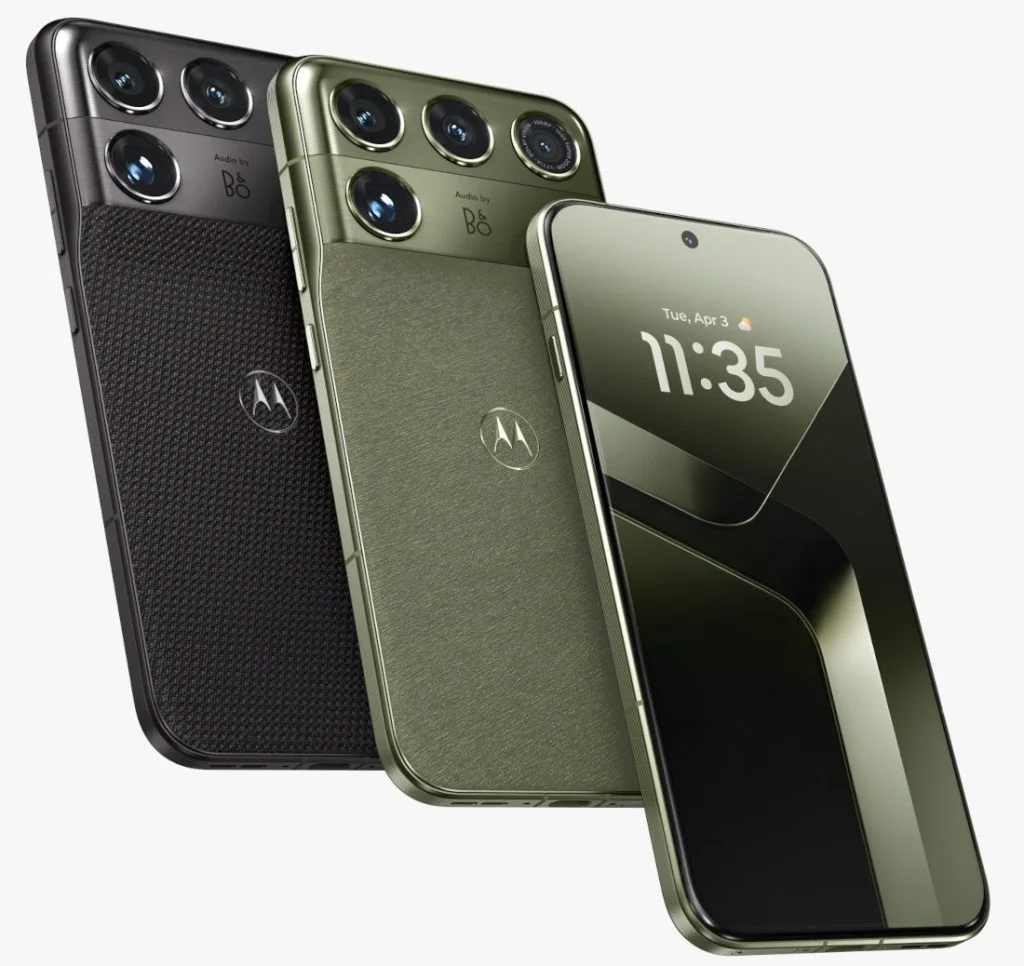
The landscape of mobile technology witnessed a seismic shift this week at the India Mobile Congress (IMC) 2026, as Motorola took the wraps off its most ambitious hardware project to date: the motorola signature 27. Positioned as a true "ultra-flagship," the device is not merely an iterative update but a complete architectural overhaul designed to challenge the dominance of the world’s most premium handsets. By marrying cutting-edge silicon with professional-grade imaging and a long-term software commitment, Motorola is signaling its intent to capture the high-end market segment with unprecedented force.
The Genesis of the Signature 27: A New Strategic Direction
The unveiling of the signature 27 follows a period of aggressive R&D within Motorola’s headquarters. Industry analysts have noted that for several years, Motorola’s strategy focused heavily on balancing mid-range accessibility with foldable innovation. The signature 27, however, represents a departure—a consolidation of the brand’s engineering prowess into a single, no-compromise chassis.
During the keynote presentation at IMC 2026, Motorola representatives emphasized that the device was designed around four "pillars of excellence": next-generation processing, advanced computational imaging, acoustic precision, and industry-leading software longevity. The device aims to bridge the gap between consumer electronics and professional-grade creative tools, positioning itself as the ultimate companion for power users, photographers, and enterprise professionals.
Core Architecture: The Powerhouse Beneath the Hood
At the heart of the motorola signature 27 lies the Qualcomm Snapdragon® 8 Elite Extreme Gen 6 Mobile Platform. This chipset represents the pinnacle of mobile computing, offering efficiency gains and raw throughput capabilities that far exceed current market standards.
To manage the thermal output of such a potent processor—especially during intensive tasks like 8K video rendering, high-framerate mobile gaming, or complex AI-driven multitasking—Motorola has debuted its proprietary ArcticMesh Cooling System. This thermal solution utilizes a vapor chamber with a unique lattice structure, designed to dissipate heat across a wider surface area than traditional designs. The result is a device that maintains peak performance levels for longer durations, effectively preventing the "thermal throttling" that often plagues ultra-flagship competitors.
Furthermore, the hardware layout has been optimized for reliability. In an era where connectivity is paramount, the signature 27 integrates a dedicated six-antenna high-gain array. This sophisticated network architecture ensures that the device maintains consistent, high-speed signal reception even in challenging environments—such as crowded stadiums, underground transit systems, or rural areas with limited cellular tower density.
Imaging and Stabilization: A Paradigm Shift in Mobile Photography
Perhaps the most striking feature of the signature 27 is its optics. Motorola has moved away from the "megapixel race" of the past and toward a high-fidelity imaging stack. The primary camera is anchored by the 50MP Sony LYTIA™ 910 sensor, a powerhouse known for its massive dynamic range and low-light sensitivity.
However, the real showstopper is the 200MP periscope telephoto module. This massive sensor allows for near-lossless digital zoom and extraordinary detail retention, even when cropping into images taken at great distances. To ensure these shots remain crisp, the hardware is supported by 3.5-axis Optical Image Stabilization (OIS).
The imaging experience is further augmented by a dual-layered stabilization system:
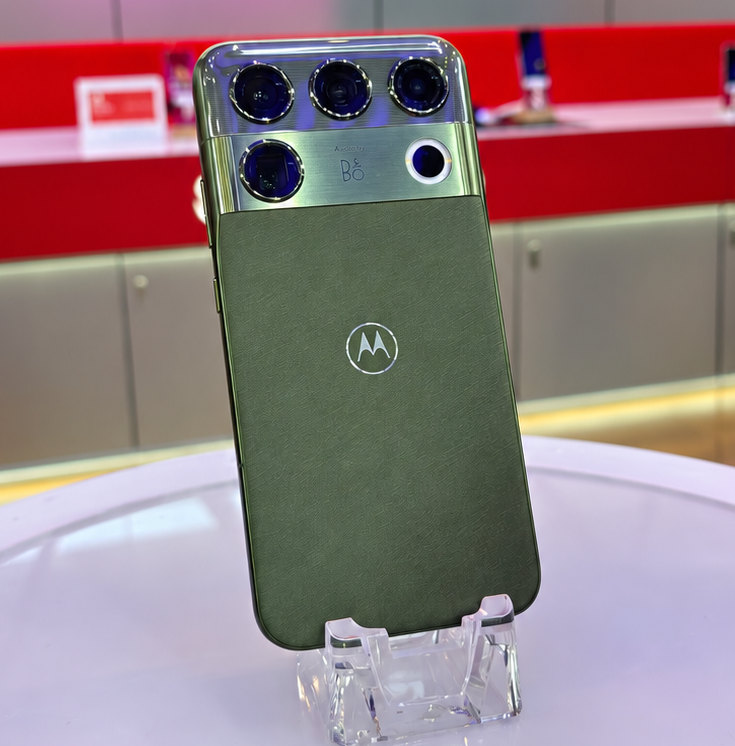
- Hardware-Level Stabilization: The physical movement of the lens assembly compensates for natural hand tremors.
- Motorola Video Enhancement Engine: Utilizing Qualcomm’s EIS (Electronic Image Stabilization) in conjunction with proprietary AI algorithms, the phone applies real-time frame-by-frame correction. This creates a "gimbal-like" effect for handheld video recording, which is particularly beneficial for content creators who require smooth, cinematic footage without the need for additional equipment.
Audio and Aesthetic Design: The Bang & Olufsen Partnership
Recognizing that a premium experience is multisensory, Motorola has entered a strategic partnership with the legendary Danish acoustic firm, Bang & Olufsen. The speakers on the signature 27 are not merely "loud"; they have been precision-tuned to provide a neutral, balanced frequency response.
Whether the user is listening to high-fidelity audio, conducting a professional conference call, or engaging in media consumption, the B&O tuning ensures that the midrange is warm, the highs are crisp, and the bass is controlled without distortion. This attention to acoustic detail positions the device as a legitimate portable studio.
Aesthetically, the device leans into a minimalist, sophisticated design language. It is currently being showcased in two curated PANTONE-validated colorways: PANTONE Coal Smoke and PANTONE Capulet Olive. These matte-finished surfaces are engineered to be both tactile and fingerprint-resistant, reflecting a design philosophy that values elegance over the "flashiness" typical of modern smartphones.
Software Longevity: A Seven-Year Commitment
One of the most significant announcements at the IMC showcase was the software support lifecycle. In an industry where device obsolescence is a mounting concern for both environmental and financial reasons, Motorola is setting a new benchmark. The signature 27 will launch with Android 17 and will receive seven years of major OS upgrades and seven years of regular Security Maintenance Releases (SMR).
This move effectively guarantees that the device remains current and secure well into the 2030s. By integrating native Google Gemini AI across the system, Motorola is also ensuring that the phone’s utility grows alongside the evolution of artificial intelligence, allowing users to leverage new features as they are developed by Google’s research teams.
Implications for the Mobile Market
The introduction of the motorola signature 27 at the India Mobile Congress 2026 sends a clear message to industry incumbents like Samsung, Apple, and Xiaomi. By focusing on the intersection of specialized hardware (the 200MP telephoto), long-term support, and strategic partnerships (Bang & Olufsen), Motorola is attempting to carve out a "premium tier" that appeals to discerning users who value longevity and performance above all else.
Strategic Market Impact
- Competitive Pressure: The 7-year support promise places immense pressure on other Android manufacturers to match this standard, potentially standardizing long-term support as a baseline expectation rather than a premium feature.
- Professional Adoption: With the integration of high-resolution imaging and high-fidelity audio, Motorola is clearly courting the "creator economy." If the real-world performance of the LYTIA 910 sensor meets expectations, we may see a migration of professional photographers using the signature 27 as a secondary "always-with-you" camera.
- Regional Growth: The decision to launch the preview at the India Mobile Congress highlights the growing importance of the Indian market in the global ultra-flagship segment. As the Indian consumer base matures and demonstrates a higher willingness to pay for premium technology, Motorola’s presence at IMC suggests a long-term investment in regional infrastructure and service networks.
Conclusion and Looking Forward
As the India Mobile Congress 2026 concludes, the motorola signature 27 stands as the most talked-about hardware of the event. It is a device that avoids the gimmicks often associated with "next-gen" phones, opting instead for a mature, robust, and highly capable architecture.
While we await the final commercial release dates, regional pricing, and full configuration tiers, the initial impression is clear: Motorola has returned to its roots of innovation and is ready to compete at the very highest level of the industry. For those who have been waiting for a device that prioritizes substance, longevity, and professional-grade performance, the signature 27 may well be the most significant release of the decade. The coming months will be critical as Motorola transitions from prototype showcase to global availability, but for now, the signature 27 has successfully set a new bar for what an ultra-flagship smartphone can—and should—be.



