







By Editorial Staff
October 12, 2026
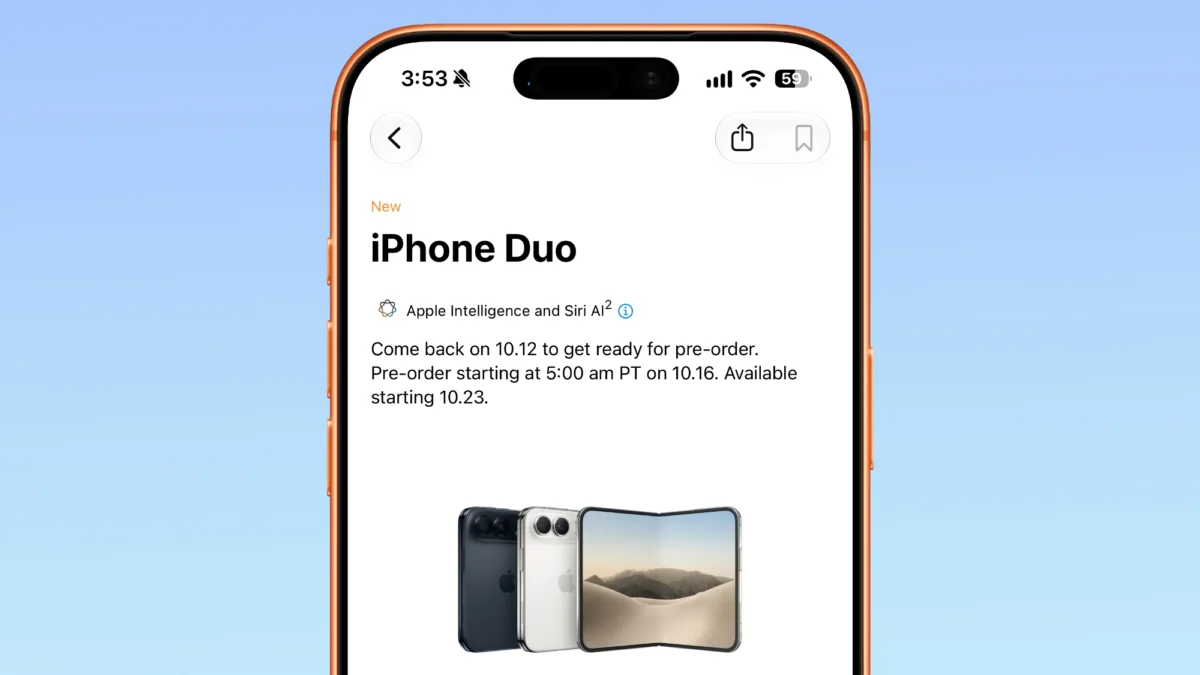
With the official launch of the iPhone Duo—Apple’s inaugural foray into the foldable smartphone market—just days away, the company has officially activated its "Get Ready" pre-order portal. This strategic move is designed to streamline the chaotic, high-stakes environment of a major Apple product launch, allowing prospective buyers to pre-configure their devices to ensure a seamless checkout experience when the floodgates open on October 16.
As anticipation reaches a fever pitch, the "Get Ready" initiative serves as both a convenience for the consumer and a vital logistical tool for Apple, which is currently grappling with significant supply chain hurdles. For those hoping to secure one of the first units of the groundbreaking foldable, utilizing this service is no longer just a suggestion—it is a necessity.
The Main Facts: Streamlining the Pre-Order Experience
The iPhone Duo is scheduled to officially hit retail shelves on October 23. However, the true test of consumer demand will occur on October 16, when pre-orders officially go live at 5:00 a.m. Pacific Time (8:00 a.m. Eastern Time).
Apple’s "Get Ready" service, accessible via the official Apple online store and the dedicated Apple Store app, allows users to bypass the time-consuming configuration steps that typically plague high-traffic launch mornings. By completing the process ahead of time, users can save their preferred color, storage capacity, carrier information, and trade-in device details. Furthermore, the portal allows for the pre-selection of AppleCare+ plans and the verification of billing and shipping addresses.
By consolidating these choices into a single, pre-verified profile, Apple enables what is effectively a "one-tap" checkout. In a competitive market where sell-out times are measured in minutes, this preemptive work acts as a significant advantage for the dedicated enthusiast.
Chronology of the iPhone Duo Launch
The journey to the October 2026 launch has been marked by a blend of intense secrecy and public leaks. Understanding the timeline of this rollout helps contextualize why the "Get Ready" phase is so critical:
- Mid-September 2026: Reports from Foxconn supply chain sources begin to circulate, suggesting that the production of the iPhone Duo is encountering lower-than-anticipated yields. Analysts noted that assembly success rates were hovering around 60%, signaling potential shortages.
- Late September 2026: Apple addresses the "crease" concern head-on, with hardware engineering executives discussing the new matte nano-texture display technology designed to mitigate the visual impact of the folding mechanism.
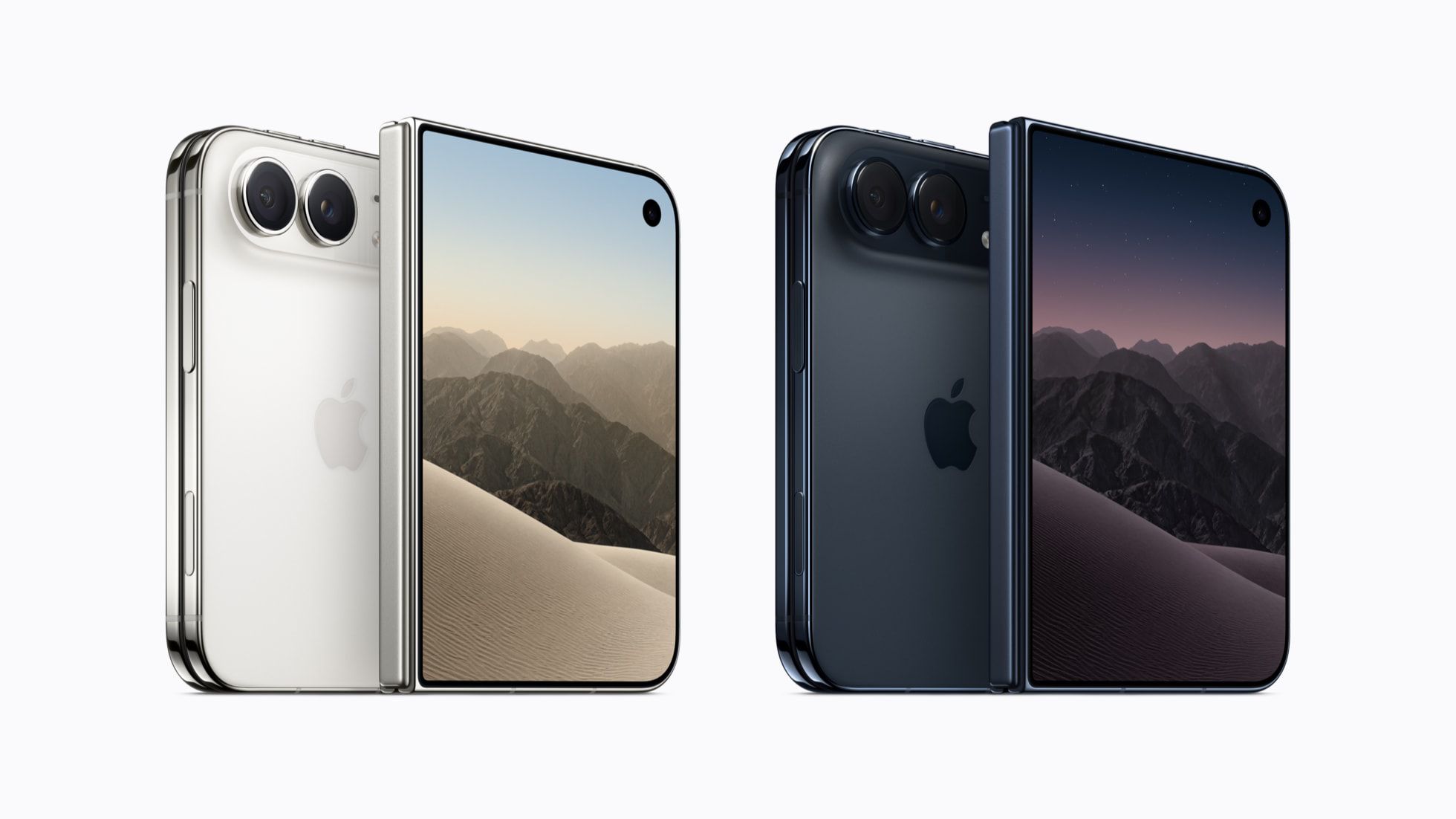
- October 1, 2026: Apple releases a high-profile "Shot on iPhone Duo" photography gallery, showcasing the capabilities of the device’s sophisticated quad-camera system, including the 48-megapixel Fusion Main and Ultra Wide sensors.
- October 12, 2026: The "Get Ready" service opens, marking the final stage of the pre-launch phase.
- October 16, 2026: Official pre-orders open to the public.
- October 23, 2026: The iPhone Duo arrives in the hands of the first customers and hits physical retail locations.
Supporting Data: Why Supply Constraints are Real
The apprehension surrounding the iPhone Duo launch is not merely speculative; it is rooted in data. Reports from manufacturing partners in the Far East have highlighted the immense technical challenge of producing a foldable device that meets Apple’s stringent quality control standards.
The primary obstacle is the hinge and display assembly. Unlike traditional slab phones, the folding mechanism requires a level of mechanical precision that has, to date, pushed manufacturing yields to the brink. Sources close to the production line at Foxconn have indicated that Apple’s quality threshold is significantly higher than that of its competitors. Consequently, while a 60% yield might be acceptable for other manufacturers, it creates a massive supply-demand imbalance for Apple, which expects to sell millions of units on launch day.
This bottleneck is precisely why the "Get Ready" service is being heavily promoted. When inventory is artificially constrained by production yield issues, speed is the only variable that favors the consumer. Those who have already cached their payment and shipping information will be able to complete their transaction in milliseconds, while those who wait to manually input their data on October 16 will likely find themselves staring at a "Shipping in 6–8 weeks" status message.
Official Responses and Engineering Transparency
Apple has taken a notably different approach to the iPhone Duo compared to its previous product cycles. In an era where foldable phones have been criticized for screen degradation and visible creases, Apple has chosen a path of preemptive transparency.
Tom Marieb, Apple’s VP of Hardware Engineering, recently spoke with TechRadar to address the elephant in the room: the crease. "Hold us accountable," Marieb remarked, emphasizing that the engineering team has utilized a proprietary matte nano-texture coating on the display. This technology serves a dual purpose: it diffuses ambient light to eliminate glare—a common issue on foldable panels—and obscures the visual depth of the crease, making it nearly imperceptible under normal viewing conditions.
This level of executive commentary is rare for Apple, indicating that the company recognizes the skepticism surrounding foldable technology. By addressing these pain points early, Apple is attempting to reassure the "early adopter" demographic that the iPhone Duo is a refined, durable tool rather than a prototype sold as a finished product.
Implications for the Market and the Consumer
The arrival of the iPhone Duo represents a seismic shift for Apple. For years, the company has stood on the sidelines while brands like Samsung and Google experimented with foldable form factors. By waiting, Apple has allowed its competitors to identify the pitfalls of the technology—durability, battery life, and software optimization—and has seemingly engineered its way around them.
The Impact on Retail
The "Get Ready" system is more than just a convenience; it is a shift in how retail operates. By front-loading the decision-making process, Apple is essentially offloading the "administrative" work of buying a phone from the day of the launch. This allows their servers to handle high-volume, low-latency transactions. It also changes the retail store experience. With fewer customers needing to spend time at a register or a desk setting up their accounts, Apple Store staff can focus on the "experience" of the device, shifting the retail narrative from a transactional one to an educational one.
The Competitive Landscape
If the iPhone Duo succeeds, the industry standard for foldable devices will be reset overnight. While the current production issues present a short-term headache, the long-term implication is a potential mass-market adoption of foldables. If the device performs as well as the promotional photos and early reviews suggest, the "Get Ready" process will likely become the standard template for all future major hardware releases.
Advice for the Prospective Buyer
If you are planning to join the ranks of the first iPhone Duo owners, the recommendation is clear: do not wait. The combination of limited supply and high demand creates a "perfect storm" for potential disappointment.
- Verify your payment method: Ensure your credit card or Apple Pay information is up to date in your Apple ID.
- Choose your specs now: Don’t waste time debating between storage capacities on launch morning. Decide now.
- Check your trade-in: If you are trading in an older device, have your serial number or IMEI ready to get an instant appraisal.
- Confirm your carrier: If you are buying a carrier-locked model, ensure your account credentials are handy.
The iPhone Duo is not just a new phone; it is the culmination of years of R&D and market observation. Whether you are a dedicated Apple loyalist or a technology enthusiast curious about the foldable revolution, the "Get Ready" portal is your best tool for navigating the upcoming launch. As Apple puts it, being prepared is the best way to ensure you are part of the next chapter in the history of the smartphone.