










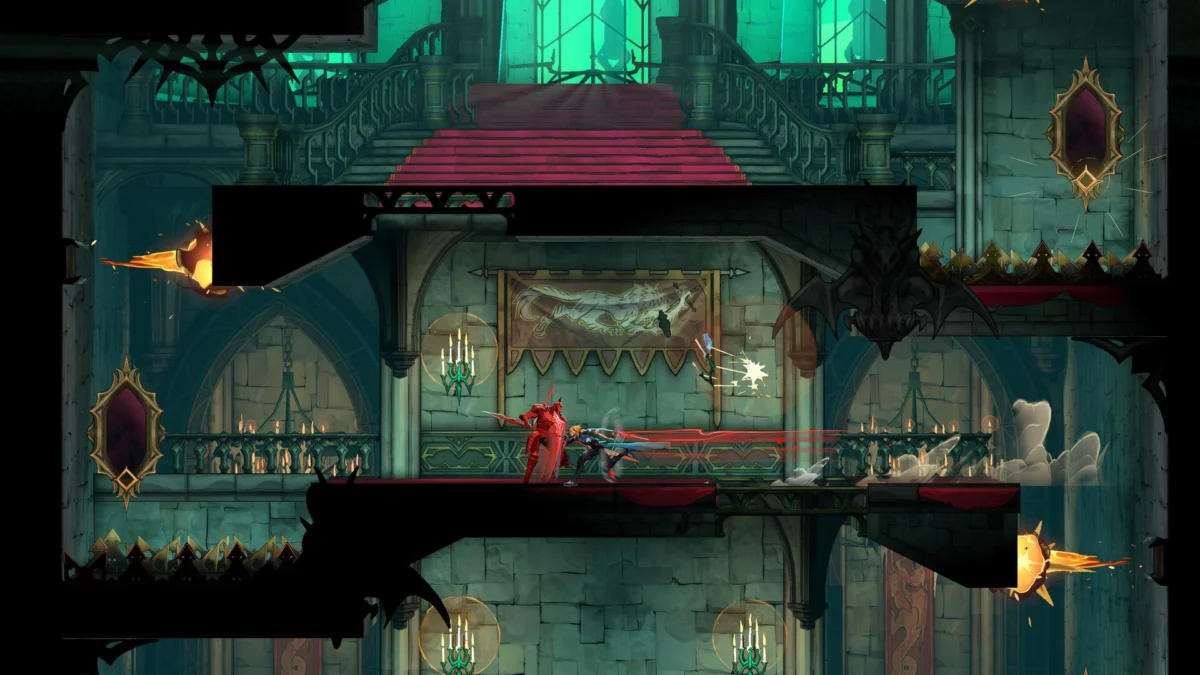
After a decade-long slumber, the legendary Castlevania franchise has finally clawed its way back from the grave. Castlevania: Belmont’s Curse, developed by the powerhouse team at Evil Empire in collaboration with Konami, is more than just a nostalgic callback; it is a visceral, high-octane love letter to the gothic horror roots of the series. While it may not rewrite the rulebook of the Metroidvania genre, it serves as a triumphant return to form, proving that the Belmont bloodline is as potent as ever.
Main Facts: A New Chapter in the Bloodline
Castlevania: Belmont’s Curse launches as a modern 2D action-adventure title that captures the precise, demanding nature of its predecessors while integrating contemporary design sensibilities. Released on October 15, 2026, for PS5, Xbox Series X|S, the upcoming Nintendo Switch 2, and PC, the game acts as a spiritual bridge between the lore established in Castlevania 3: Dracula’s Curse and the aesthetic tone of Netflix’s acclaimed animated series.
Players step into the boots of Rose Belmont, the daughter of the legendary Trevor Belmont and the sorceress Sypha Belnades. Tasked with purging the supernatural rot spreading across a dark, reimagined Paris, Rose must navigate a sprawling, interconnected world using her father’s signature whip and a mysterious, cursed arm that grants her devastating supernatural abilities. The core experience is one of high-stakes platforming, intricate combat, and the relentless pursuit of truth in a world obsessed with death.
Chronology: The Road to Resurrection
For over ten years, the Castlevania franchise existed in a state of suspended animation. Aside from the occasional collaboration with titles like Dead Cells or sporadic legacy re-releases, Konami had largely shelved the IP, leaving fans to satiate their appetites with the aforementioned Netflix adaptations and the indie scene’s various "Igavania" spiritual successors.
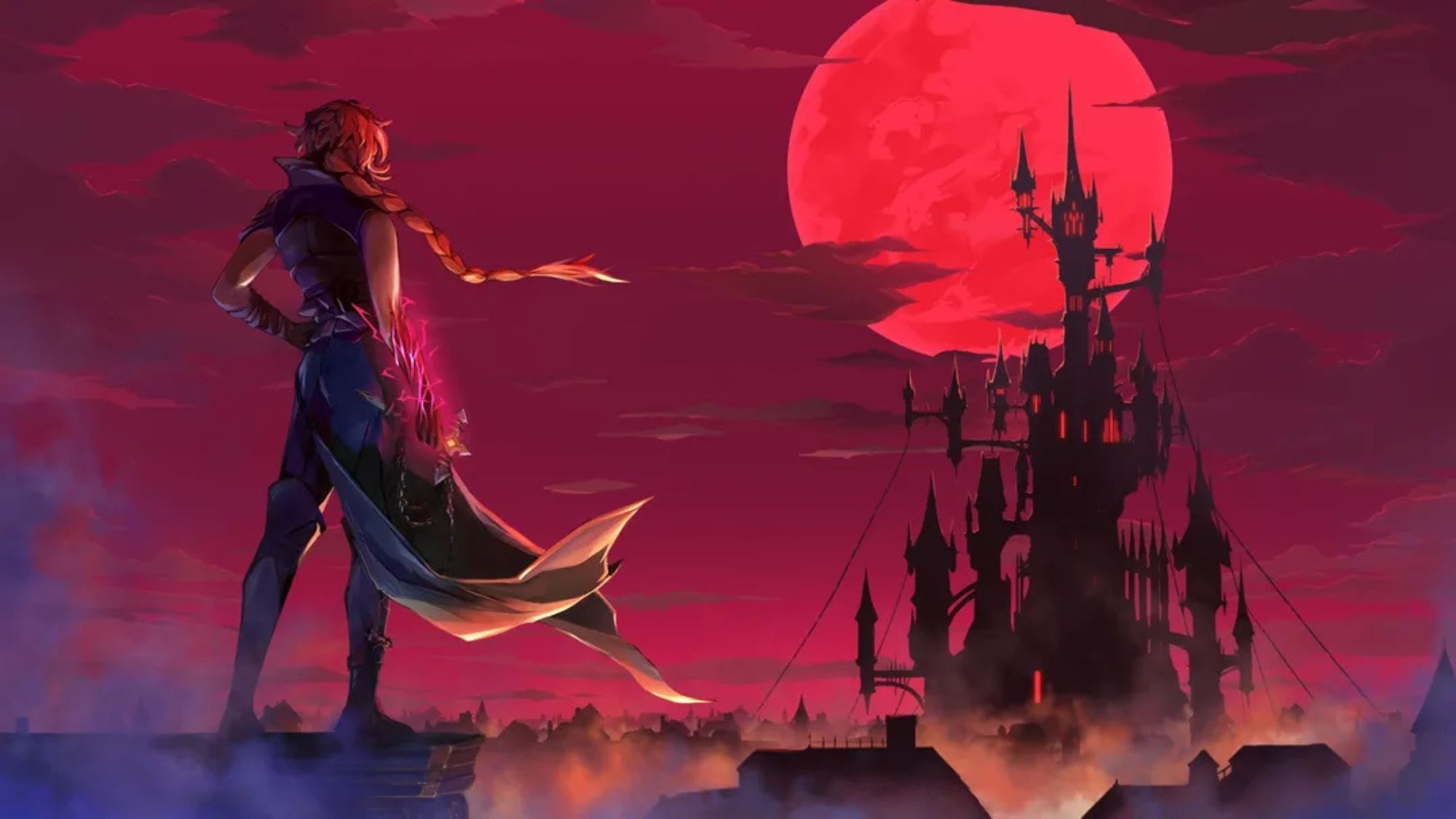
The turning point came when Konami tapped Evil Empire—the studio behind the monumental success of Dead Cells—to breathe new life into the franchise. Given Evil Empire’s track record for fluid movement, tight combat, and complex world-building, they were widely considered the perfect architects to reconstruct the Castlevania experience. The announcement of Belmont’s Curse sent waves through the gaming community, promising a return to the series’ roots while leveraging the technical prowess of modern hardware.
The development cycle was relatively quiet, with the team focusing on "getting the feel right" before unveiling gameplay. A highly successful demo, released in the months leading up to the launch, allowed players to sample the early Parisian docks and provide feedback, which was subsequently integrated into the final release via a day-one patch.
Supporting Data: Gameplay Mechanics and Level Design
At its heart, Belmont’s Curse is a symphony of motion. The gameplay is a delicate dance between exploration and lethal precision. Rose Belmont’s kit is diverse, offering more than just the iconic whip. Players can experiment with gauntlets, spears, and a variety of secondary "sub-weapons" that function much like the classic projectiles of old, such as holy water or the cross, but with a modern, customizable twist.
The Art of the Whip
The combat system relies on distance management. The whip acts as both a primary weapon and a traversal tool, with the addition of a grappling hook mechanic that transforms the level design into a vertical puzzle. Boss encounters are designed to be brutal; they act as "skill checks" that demand the player master every tool in their inventory. Whether it’s dodging a flurry of projectiles or timing a counter-attack, the game never feels unfair—only demanding.
Phenomenal Level Design
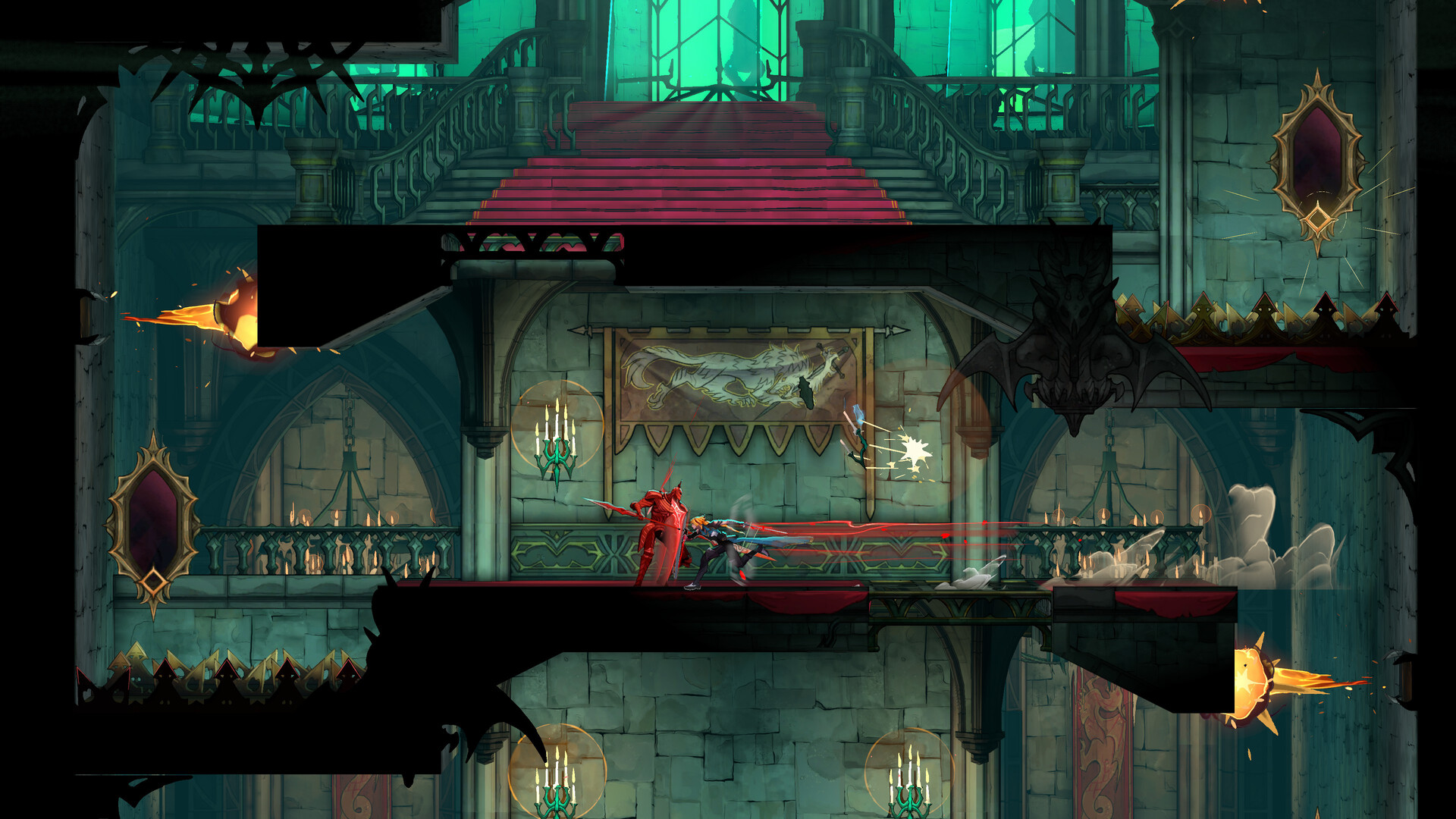
The environments in Belmont’s Curse are perhaps its greatest strength. Moving away from the purely flat pixel-art aesthetic of the 90s, the game utilizes a sophisticated blend of 2D gameplay and 3D assets, resulting in a depth of field that makes the world of Paris feel alive and oppressive. Each zone is a labyrinthine challenge, filled with traps, hidden paths, and secrets that require backtracking with new abilities—the bread and butter of the Metroidvania genre.
From the atmospheric, rain-slicked streets of the city to the claustrophobic, monster-infested catacombs, the level design encourages exploration. The "Air Dash" and "Grappling Whip" are key unlocks that make traversing earlier areas feel like a victory lap once you have mastered them.
Official Responses and Technical Performance
Konami and Evil Empire have remained committed to the game’s post-launch stability. Upon release, the game garnered praise for its performance on current-gen hardware. Running on the PS5, the game maintains a rock-solid frame rate, though minor audio-sync glitches have been reported during level transitions.
In a recent press statement, the lead developers at Evil Empire addressed these technical hiccups: "We are currently monitoring player feedback regarding the audio-sync issues. Our priority is to ensure that the intensity of the gameplay is never compromised by technical instability. We consider Belmont’s Curse a living project and will continue to refine the experience based on the community’s needs."
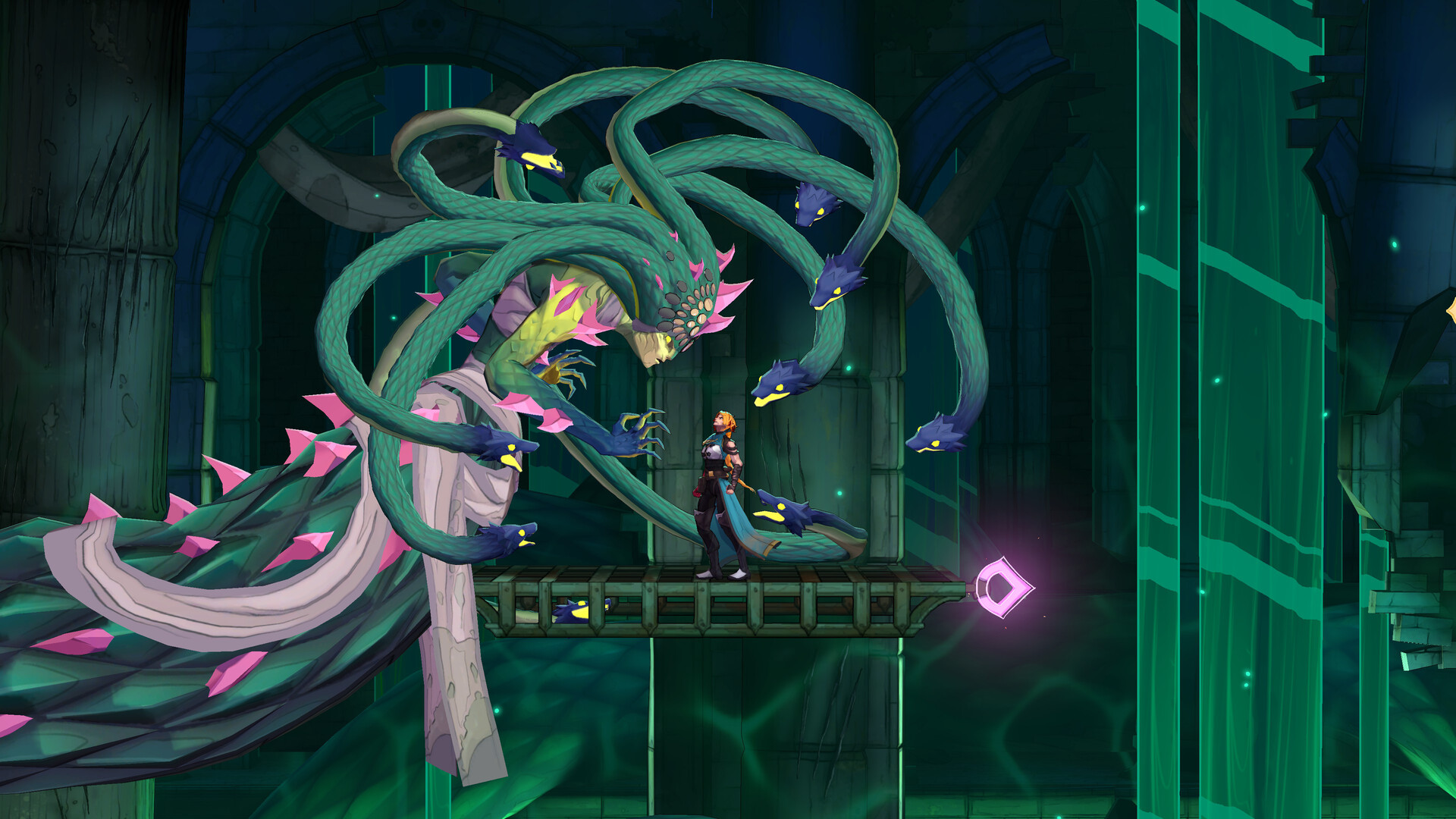
Accessibility has also been a focal point. Recognizing the inherent difficulty of the Castlevania series, the team implemented a variety of visual aids, including high-contrast outlines for enemies and comprehensive colorblind modes, ensuring that the brutal challenge of the game remains accessible to a wider audience without sacrificing its core identity.
Implications: A New Era for the Vampire Killer
The implications of Castlevania: Belmont’s Curse are profound for both the publisher and the genre. For Konami, this release proves that the Castlevania brand still holds significant cultural weight and commercial viability. The successful marriage of legacy IP with a studio known for modern action-platformers provides a blueprint for how to revive dormant franchises without alienating the core fanbase.
Furthermore, the game’s success sets a high bar for the Metroidvania genre. It successfully balances the "old school" rigidity of platforming with "new school" fluidity. It forces players to be patient, observant, and resilient—qualities that many modern games have abandoned in favor of accessibility.
Why You Should Play It
If you are a fan of tight, responsive controls and a world that rewards your curiosity with meaningful upgrades, Belmont’s Curse is a mandatory addition to your library. It is a game that respects your time but refuses to make your journey easy. The narrative, while sparse, provides just enough motivation to push through the most grueling boss encounters, and the satisfaction of finally overcoming a "seemingly impossible" trap room is unparalleled.
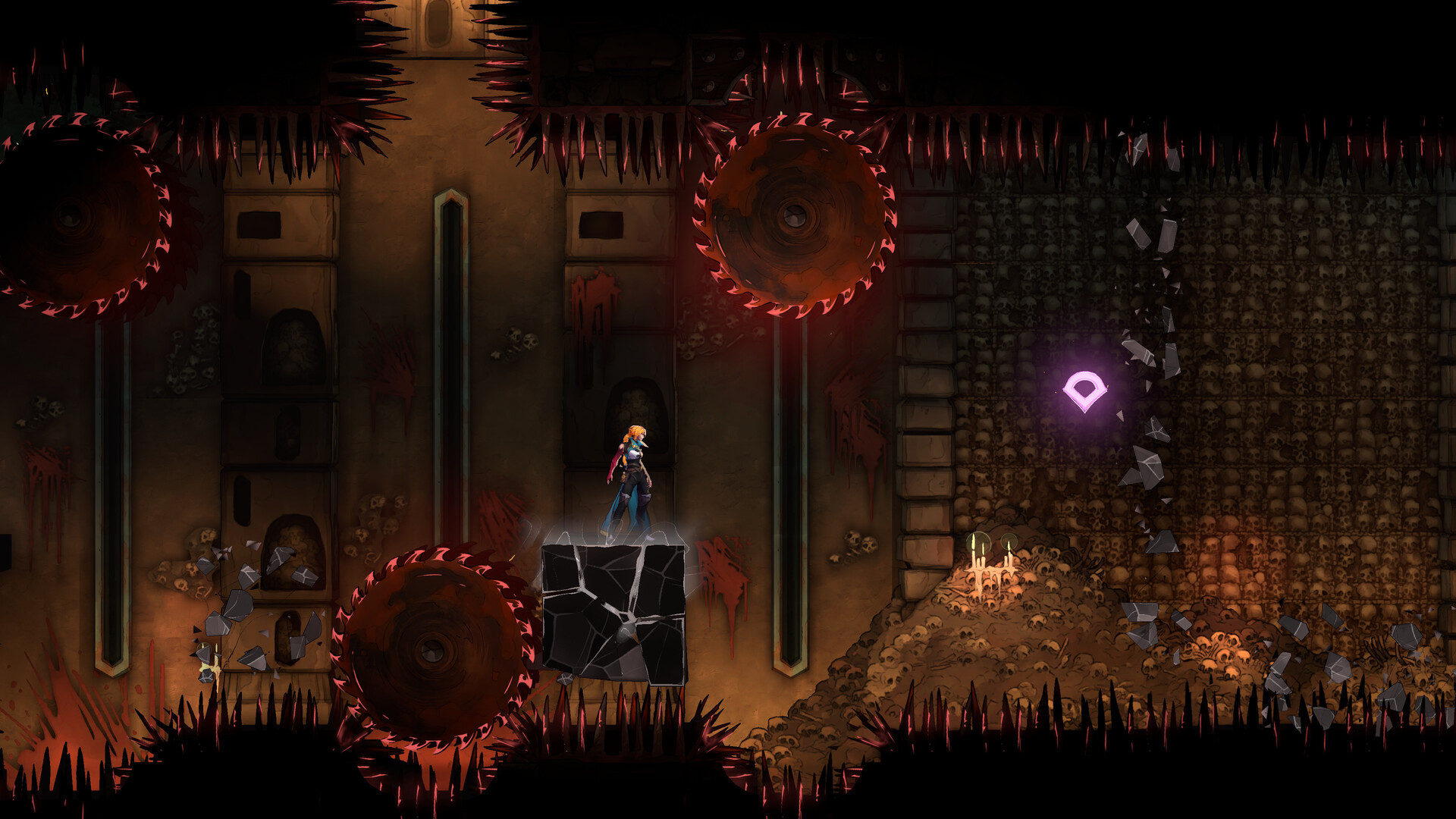
However, a word of caution: if you are looking for a relaxing, casual experience, this may not be the title for you. Belmont’s Curse is designed to be a test of skill, endurance, and patience. The death count will be high, and the frustration will be real, but for those who thrive on overcoming adversity, it is arguably the best action-adventure experience of 2026.
Conclusion: The Bloodline Prevails
Castlevania: Belmont’s Curse is not perfect. It faces some minor technical hurdles, and its narrative, while serviceable, doesn’t quite hit the emotional heights of its cinematic counterparts. Yet, these are small stains on a brilliant tapestry. Evil Empire has succeeded where many others have failed, capturing the elusive "magic" that defined the series’ golden age while making it feel right at home in the modern era.
By blending the classic, punishing difficulty of the 8-bit and 16-bit eras with the fluid, high-fidelity design of modern gaming, Belmont’s Curse secures the future of the franchise. The Belmont name, once thought to be consigned to history, has been revitalized. Whether you are a veteran of the original NES titles or a newcomer drawn in by the success of the animated series, there has never been a better time to pick up the whip. The night is long, the monsters are many, and the curse is waiting—but for the first time in a decade, the vampire hunter is ready to meet them head-on.



