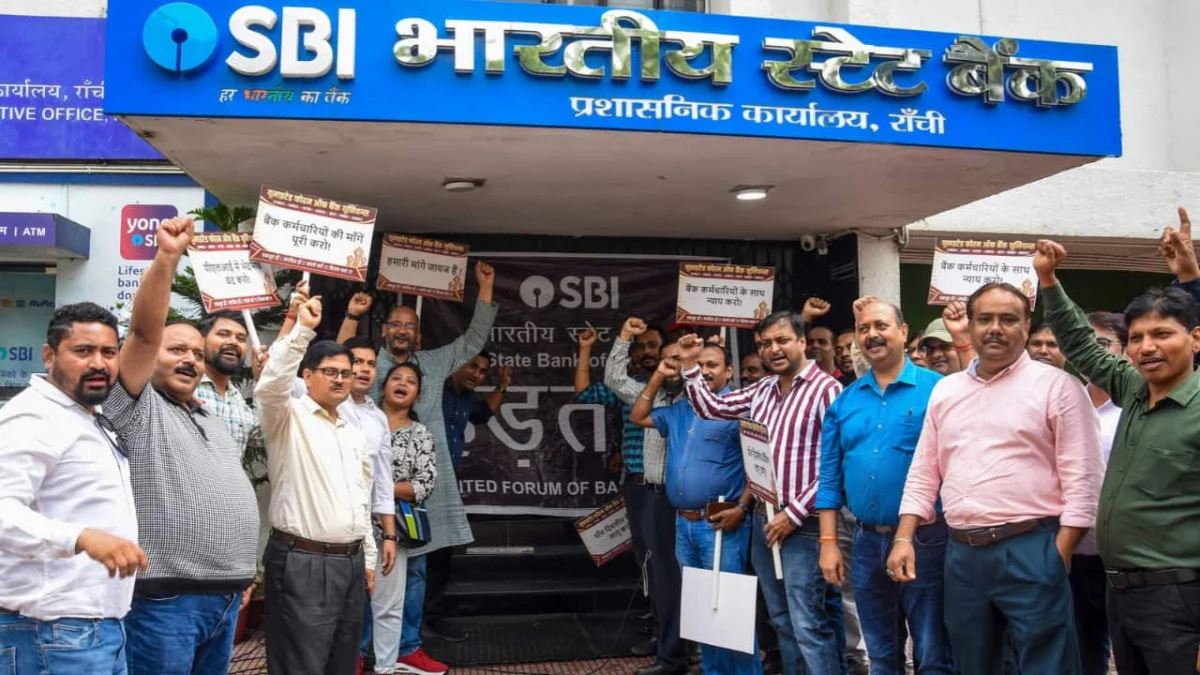
New Delhi: In a proactive move to mitigate public anxiety, the State Bank of India (SBI), the nation’s largest lender, has officially confirmed that its banking operations will remain functional despite a nationwide bank strike scheduled for the coming days. The announcement, disseminated via the bank’s official channel on the social media platform X (formerly Twitter), aims to reassure millions of account holders that their financial requirements—ranging from cash withdrawals to digital transactions—will be met without disruption.
As the country braces for a three-day industrial action by bank employee unions, the banking sector is preparing for potential operational bottlenecks. However, SBI’s public commitment serves as a stabilizing factor, emphasizing the bank’s robust digital infrastructure and contingency planning.
The Core Facts: What Customers Need to Know
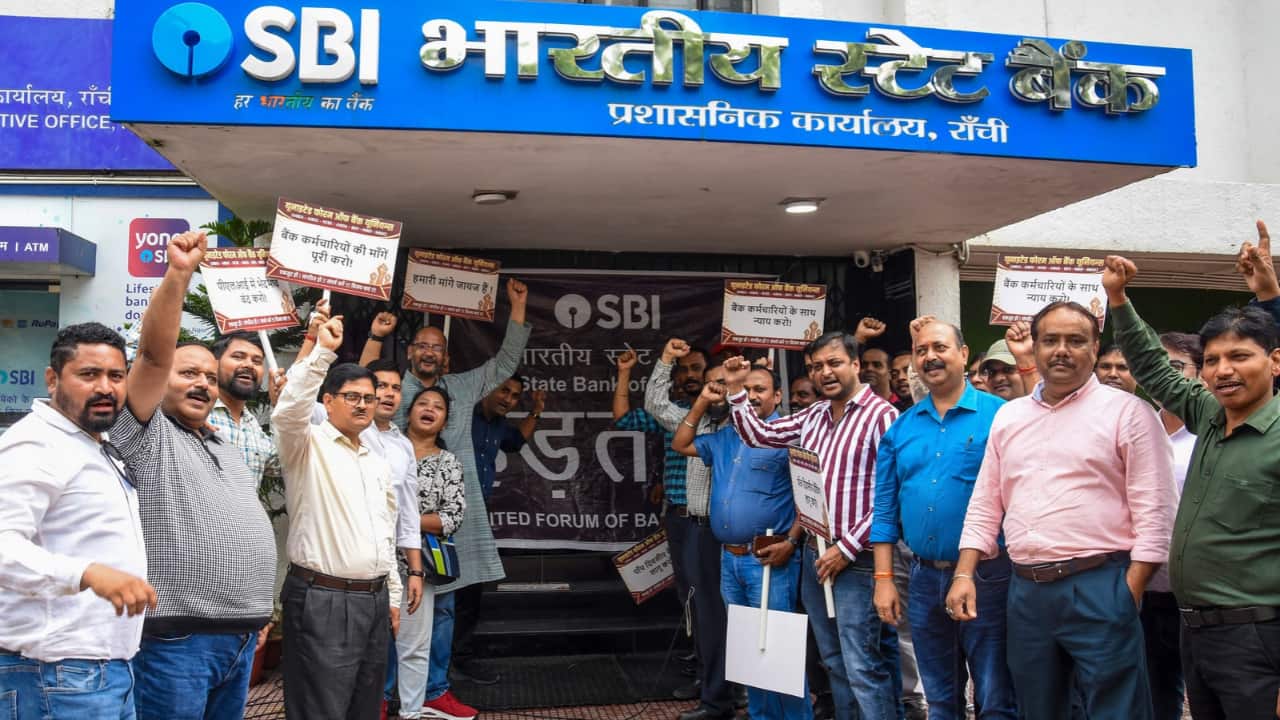
The proposed strike, called by various bank employee unions, is expected to bring widespread disruption to public sector banking operations across India. Key concerns raised by the unions include demands for wage revisions, better working conditions, and protests against the current policies regarding privatization and branch consolidation.
In response to these developments, SBI has explicitly stated that it is prepared to handle the increased load on its digital platforms and ATM networks. The bank has emphasized that while some physical branch services may be affected due to staff shortages, the core banking system remains fully operational.
Key Takeaways for SBI Customers:
- Digital Continuity: Internet banking, mobile banking (YONO app), and UPI services will function at full capacity.
- ATM Accessibility: The bank has ensured that its massive network of ATMs will be replenished and functional throughout the strike period.
- Transaction Fee Waivers: In an additional move to support customers, reports indicate that SBI is waiving specific ATM transaction fees between September 28 and September 30, providing a buffer for those who may need to visit physical machines more frequently.
- Customer Support: The bank’s 24/7 call centers remain active to assist with urgent queries.
Chronology of the Impending Strike
The road to the current standoff has been marked by months of failed negotiations between the United Forum of Bank Unions (UFBU) and the Indian Banks’ Association (IBA).
- Mid-2026: Initial discussions regarding the Bipartite Settlement began, with unions pushing for a significant hike in salaries and pension improvements.
- August 2026: Tensions escalated as the government’s stance on labor reforms appeared to diverge from the unions’ expectations, leading to the first round of formal strike notices.
- Early September 2026: Conciliation meetings held by the Chief Labour Commissioner failed to produce a consensus, prompting the unions to finalize the dates for the three-day nationwide strike.
- September 25, 2026: SBI releases its official statement on X, explicitly detailing its operational status to prevent a panic-driven surge at branches or ATMs.
Supporting Data: The Scale of the Banking Sector
To understand the impact of a three-day strike, one must consider the sheer scale of the Indian banking ecosystem. SBI alone serves over 480 million customers, with a network spanning over 22,000 branches and more than 65,000 ATMs across the country.
Impact Projections:
- Transaction Volume: During a strike, the average daily transaction volume on digital platforms typically surges by 30-40%. SBI’s servers have been stress-tested to handle a potential 200% increase in traffic to accommodate this shift.
- Clearance Delays: While digital transactions are instantaneous, physical check clearances and demand draft processing are likely to face significant delays. The clearing houses, which operate as an intermediary, are expected to function with skeleton crews, pushing settlement timelines by at least 48 to 72 hours.
- ATM Usage: The reliance on cash is expected to remain high in semi-urban and rural areas. SBI has prioritized the loading of cash in high-footfall areas to prevent "dry" ATMs.
Official Responses and Union Stance
The industrial action is not a reflection of the bank’s internal performance but rather a sector-wide movement. The UFBU, an umbrella body representing nine major bank unions, has stated that the strike is a "last resort."
"Our efforts to engage in meaningful dialogue have been met with bureaucratic delays," a union spokesperson remarked in a recent press briefing. "The employees are the backbone of the economy, and their legitimate demands for better pay, keeping in mind the current inflationary trends, must be addressed with urgency."
Conversely, the Ministry of Finance has urged the unions to reconsider the strike, citing the importance of maintaining banking stability in a growing economy. "Essential services like banking should not be held hostage to industrial disputes," a senior government official noted, adding that the government is open to further negotiations once the threat of the strike is withdrawn.
SBI, while maintaining a neutral stance on the political aspects of the strike, has focused entirely on its duty of care toward its customers. By leveraging its technological superiority, the bank is attempting to decouple its service delivery from the ongoing labor unrest.
Economic Implications of the Strike
A three-day strike in the banking sector is not merely an operational inconvenience; it has broader economic ramifications.
1. Business Cash Flow
Small and Medium Enterprises (SMEs) often rely on daily cash deposits and check clearances for operational liquidity. A three-day halt can lead to temporary cash crunches, potentially disrupting supply chains and payments to vendors.
2. Retail Consumer Confidence
The fear of "no cash" often leads to herd behavior. If customers perceive that banks are shutting down, there is a tendency to withdraw excess cash from ATMs, which can lead to premature depletion of currency in machines, even if the bank has the liquidity to support the demand. SBI’s timely announcement is a tactical effort to prevent this "run on the bank" mentality.
3. Digital Banking Adoption
Paradoxically, such strikes often accelerate the adoption of digital banking. Customers who were previously hesitant to use the YONO app or UPI are forced to adapt, leading to a long-term increase in digital transactions, which is aligned with the government’s "Digital India" initiative.
4. Impact on Market Sentiment
Banking stocks are often sensitive to labor unrest. Investors typically watch the duration of such strikes closely. A prolonged strike could lead to volatility in banking stocks, as market participants weigh the potential loss of business hours against the bank’s ability to manage costs.
Strategic Recommendations for Customers
As the strike dates approach, financial analysts and the bank itself have provided several recommendations for customers to navigate the period with minimal disruption:
- Plan Ahead: Complete all high-value transactions, check clearances, and loan repayments before the strike begins.
- Use Digital Channels: Avoid visiting physical branches for tasks that can be completed via the mobile application.
- Monitor Official Channels: Follow the bank’s official social media handles for real-time updates regarding branch closures or operational hours.
- Avoid Panic Withdrawals: There is no need to empty accounts. The banking system is resilient, and the strike is a temporary industrial dispute, not a systemic failure.
- Be Aware of Scams: During times of uncertainty, scammers often send phishing messages claiming to be from "bank authorities" regarding the strike. Always verify information through official, verified handles.
Conclusion
The impending three-day strike represents a significant challenge for India’s financial sector, testing both the resolve of the unions and the operational resilience of the institutions. By stepping forward with a clear communication strategy, the State Bank of India has demonstrated that it is prioritizing customer trust during this volatile period.
While the physical branches may see reduced activity, the silent machinery of the digital economy—servers, apps, and automated systems—will ensure that the wheels of commerce continue to turn. As the nation watches the developments between the unions and the government, the commitment from lenders like SBI provides a much-needed assurance that for the common citizen, the banking experience will remain largely uninterrupted.
The coming days will be a critical case study in how technology can serve as a buffer against industrial disruption, reinforcing the necessity for banks to remain agile, digital-first, and communicative in an increasingly interconnected financial world.