








In the rapidly evolving digital economy, the traditional retail model is undergoing a profound transformation. While direct-to-consumer (DTC) storefronts remain the backbone of e-commerce, a new frontier has emerged: the multi-vendor marketplace. By shifting from a singular merchant entity to a platform-based ecosystem, retailers can tap into unprecedented scalability, diversified revenue streams, and a richer customer experience.
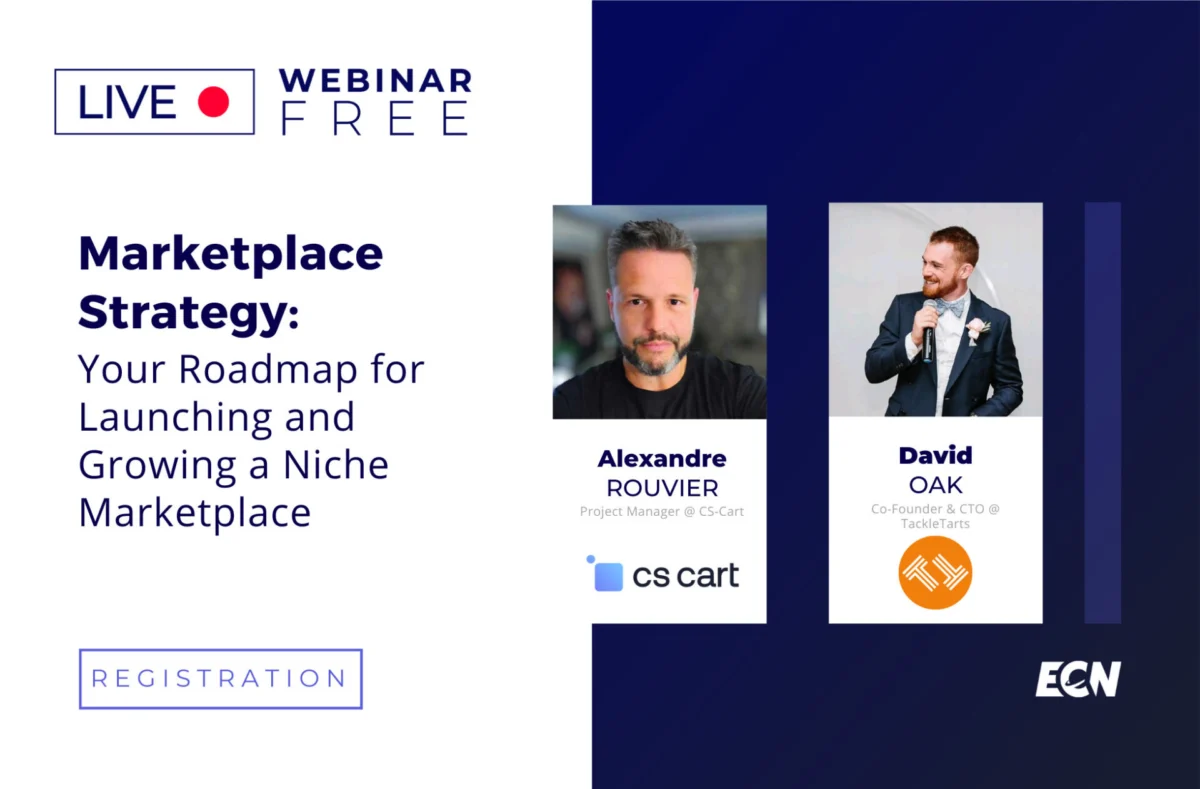
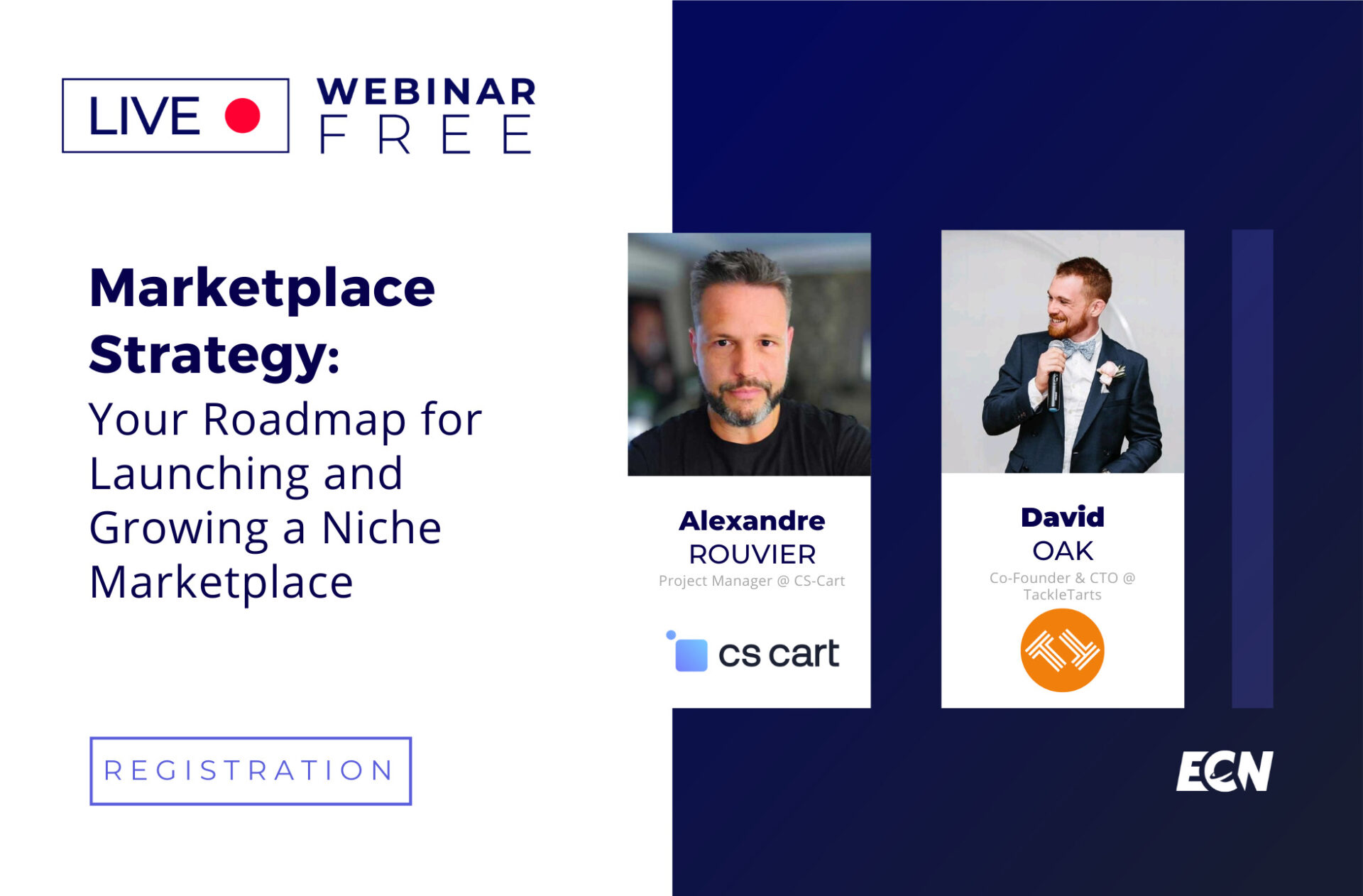
For those looking to transition from store owners to platform architects, the journey is complex but rewarding. A recent collaborative initiative between CS-Cart and TackleTarts offers a comprehensive roadmap for navigating this transition, providing the insights necessary to transform a standard e-commerce site into a bustling digital bazaar.
Main Facts: The Marketplace Advantage
The core appeal of the marketplace model lies in its ability to leverage "network effects." Unlike a traditional retail site, where growth is constrained by inventory management and procurement logistics, a marketplace acts as a facilitator. By inviting third-party vendors to sell on your platform, you effectively outsource the burden of inventory while simultaneously expanding the breadth and depth of your product catalog.
The collaboration between CS-Cart, a leading provider of multi-vendor software, and TackleTarts, a specialized retailer that successfully pivoted to a marketplace model, serves as a masterclass in this strategy. The primary takeaways include:
- Inventory Agility: Marketplaces allow businesses to offer thousands of SKUs without the overhead costs of warehousing or shipping.
- Increased Customer Lifetime Value (CLV): A wider variety of products keeps customers on-site longer, increasing the frequency of purchases and brand loyalty.
- Technological Sovereignty: Utilizing robust, purpose-built architecture allows for seamless vendor onboarding, automated commission structures, and real-time analytics.
Chronology: The Evolution of a Digital Hub
The transition to a marketplace is not an overnight occurrence; it is a calculated strategic evolution. Historically, retailers follow a predictable trajectory when scaling their platforms:
Phase 1: The Single-Store Foundation
The process begins with a stable, high-performing single-vendor store. During this period, the retailer establishes brand authority and gathers essential consumer data. This phase is critical for testing product-market fit and establishing the logistics infrastructure that will later support third-party vendors.
Phase 2: Identifying the Niche
Once the foundation is solid, the retailer begins identifying gaps in the market. In the case of TackleTarts, this involved recognizing that their core customers required complementary products that the company did not necessarily want to produce or stock internally.
Phase 3: Platform Integration
This is the technical pivot point. The retailer integrates a Multi-Vendor CMS—such as CS-Cart’s specialized solutions—to handle the complexities of multi-tenant architecture. This includes managing vendor accounts, payout processing, and dispute resolution.
Phase 4: Scaling the Ecosystem
Once the technical framework is live, the focus shifts to vendor recruitment. The marketplace must curate a high-quality selection of partners to maintain brand integrity and consumer trust.
Supporting Data: Why Marketplaces Outperform
Marketplace growth has significantly outpaced traditional e-commerce growth over the past five years. Industry data suggests that:
- Market Share: Estimates indicate that marketplaces now account for over 60% of all online retail spending globally.
- Operational Efficiency: Retailers who transition to a marketplace model typically see a reduction in operational overhead by up to 30%, as third-party vendors assume the costs of product development and inventory stocking.
- Customer Acquisition Costs (CAC): Because marketplaces naturally attract more traffic due to the breadth of their catalog, they often benefit from improved SEO rankings and organic search discovery, lowering the overall cost to acquire a new customer.
The CS-Cart and TackleTarts presentation highlights that success is not merely about traffic volume; it is about the "quality of the offering." A curated marketplace where merchants are vetted and the user experience is unified creates a premium environment that generic, low-quality platforms cannot replicate.
Official Perspectives and Expert Insights
The collaboration between CS-Cart and their partners emphasizes that technology is only half the battle. In the expert view, the "marketplace mindset" is just as crucial.
The Role of CS-Cart
CS-Cart’s approach focuses on the "Multi-Vendor" software architecture. Their experts stress that the primary challenge for new platform owners is complexity management. A marketplace must handle multiple shipping methods, varied tax jurisdictions, and complex commission splits between the platform owner and the vendors. Their software is designed to automate these tasks, ensuring that the platform operator can focus on growth strategy rather than manual reconciliation.
The TackleTarts Experience
TackleTarts provides a real-world perspective on the challenges of vendor relations. They emphasize that a marketplace is only as strong as its community. Their strategy involved building strong, collaborative relationships with their vendors, treating them as partners rather than subordinates. By providing vendors with clear analytics and user-friendly dashboards, they incentivized them to maintain high-quality listings, which in turn boosted the overall site conversion rate.
Implications: The Future of Retail
The shift toward the marketplace model has profound implications for the retail landscape.
For Established Retailers
For established businesses, the marketplace model is a hedge against disruption. By creating a platform, a retailer transforms from a "competitor" in the market to the "host" of the market. This creates a defensive moat that is difficult for competitors to breach.
For New Entrants
For startups, the marketplace model offers a path to rapid scaling without the capital intensity of a traditional retail model. However, it requires a higher degree of technical sophistication and a commitment to community management.
The Consumer Impact
For consumers, the benefits are clear: a one-stop-shop experience where they can find specialized, high-quality products from multiple niche vendors, all under the trusted umbrella of a brand they already know.
Strategic Considerations for Implementation
If you are considering transitioning your retail business into a marketplace, you must address several fundamental questions:
- Revenue Model: Will you charge a commission on every sale, a flat monthly subscription for vendors, or a hybrid model? Each has different implications for vendor recruitment and cash flow.
- Vendor Vetting: How will you ensure that the vendors on your platform meet your brand’s quality standards? A "wild west" approach can quickly degrade your brand reputation.
- Customer Support: Who is responsible for returns and disputes? Establishing clear protocols before launch is essential to preventing legal and customer satisfaction issues.
- Technology Stack: Does your current infrastructure support multi-vendor capabilities, or will you need to migrate to a purpose-built platform like CS-Cart?
Conclusion: Taking the Next Step
The transition to a marketplace is a significant undertaking, but it represents the most viable path for long-term growth in the modern e-commerce ecosystem. By leveraging the right technology and adopting a collaborative mindset, retailers can move beyond the limitations of their own inventory and build a platform that serves as a central hub for their industry.
To explore these strategies in greater detail, the recorded presentation between CS-Cart and TackleTarts offers an invaluable look at the "how-to" of platform architecture. It covers the technical hurdles, the marketing strategies for onboarding vendors, and the secret sauce to maintaining a high-quality user experience.
The digital economy rewards those who can adapt. As the retail landscape continues to shift, those who facilitate commerce for others will likely find themselves at the forefront of the next wave of e-commerce innovation. Whether you are a boutique store looking to expand or an established enterprise seeking to scale, the marketplace model is the blueprint for your future growth.
For those interested in exploring the technical solutions mentioned in this article, we encourage you to review the resources provided by the CS-Cart team and learn how their platform can serve as the backbone of your new digital venture. Register for the full replay to gain actionable insights into building your own competitive advantage in the digital marketplace.