For millions of Americans, the period between October 15 and December 7 represents a critical window of administrative necessity. It is Medicare Open Enrollment—the designated time when beneficiaries are empowered to review their existing coverage, compare plans, and amend their health insurance to better suit their evolving needs. However, this season of legitimate activity has also become a fertile hunting ground for sophisticated criminal syndicates. By masking their fraudulent operations under the guise of official insurance communications, scammers are increasingly successful at exploiting the trust and anxiety of some of the nation’s most vulnerable citizens.
The Anatomy of Deceit: How Scammers Exploit the System
Fraudsters operate on the principle of "plausible pretext." Because Medicare beneficiaries are accustomed to receiving genuine correspondence, emails, and phone calls from insurers during the autumn months, the barrier to entry for a scammer is significantly lower than at other times of the year.
The Multi-Channel Offensive
Scammers are no longer limited to cold-calling; they have adopted a multi-platform approach to reach their targets. They utilize:
- Targeted Digital Advertising: By purchasing Google search ads, criminals can place their fraudulent websites at the top of search results. These sites often feature official-looking logos, professional color schemes, and legalistic jargon, mimicking the appearance of legitimate government portals or reputable insurance agencies.
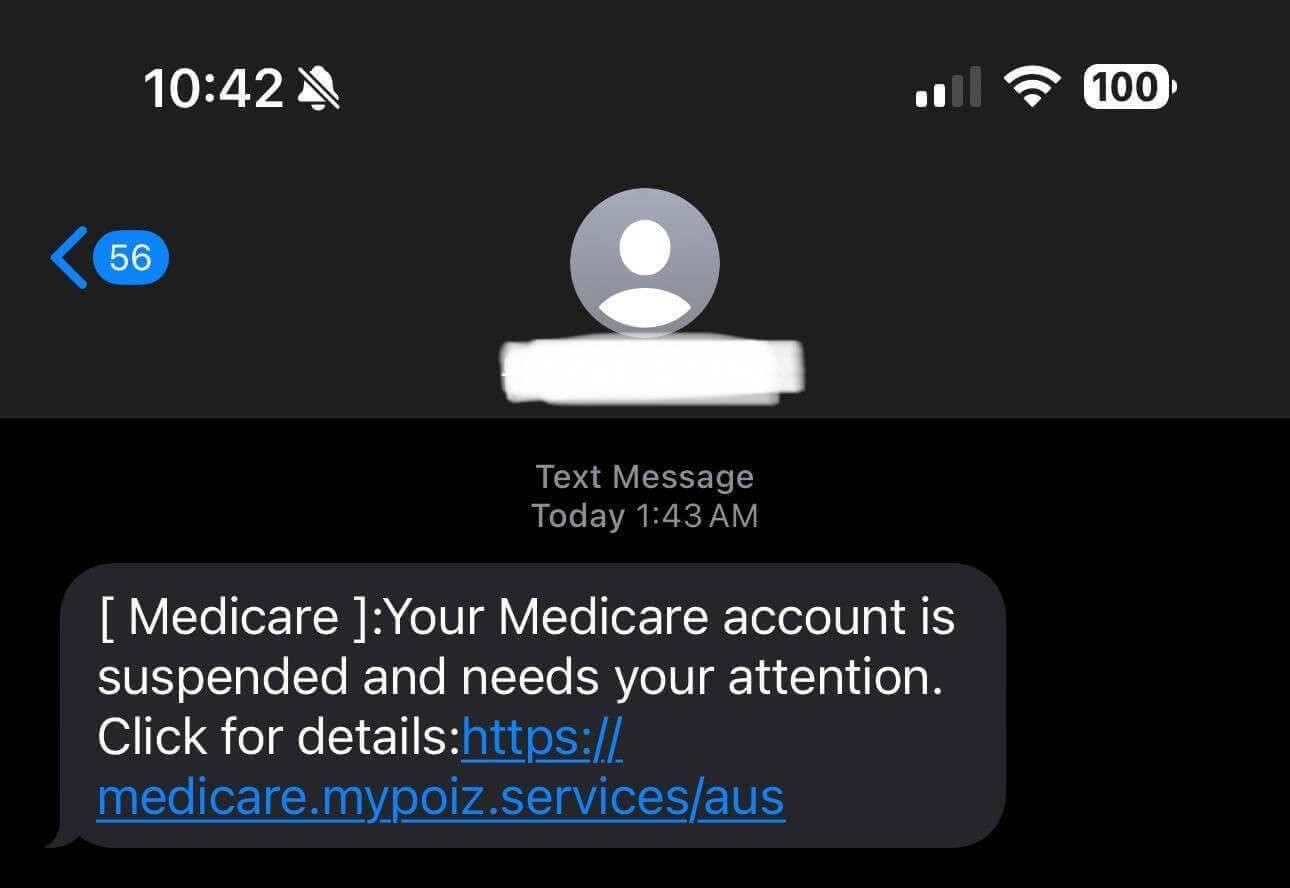
- Social Engineering via Messaging: Beyond phone calls, victims report receiving unsolicited texts, emails, and direct messages on social media platforms. These messages often masquerade as "important updates" regarding plan eligibility or premium changes.
- The Power of Psychological Urgency: One of the most effective tools in a scammer’s arsenal is the manufactured sense of urgency. By referencing the looming December 7 deadline, fraudsters induce a stress response in the victim. When a person is stressed, their capacity for critical thinking diminishes. A message claiming, "You will lose your benefits if you do not update your records today," is designed to trigger a "fight or flight" response, leading the victim to bypass standard security protocols to "fix" the problem immediately.
Chronology of a Fraudulent Interaction
To understand how these schemes succeed, it is vital to map the typical lifecycle of a Medicare scam:
- The Infiltration: The scammer initiates contact through a chosen channel (call, text, or email). They establish a false persona—perhaps an "official Medicare agent" or a representative from a well-known insurance carrier.
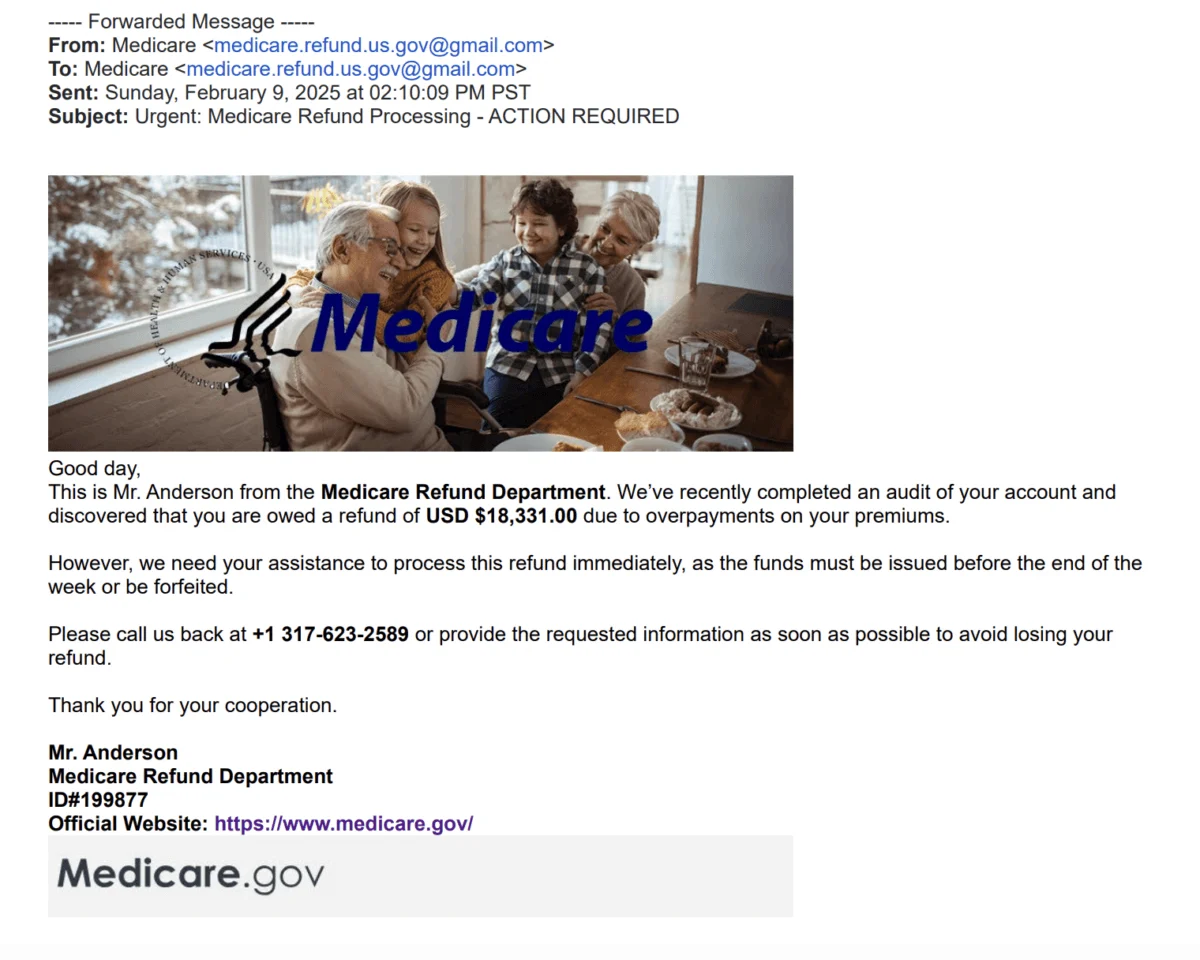
- The Hook: The perpetrator presents a fabricated problem or an irresistible offer. Common pretexts include: “a new federal mandate requiring a card update,” “an unclaimed refund for overpaid premiums,” or “exclusive access to a new, lower-cost plan.”
- The Data Harvest: Once the victim is sufficiently engaged, the scammer begins the "mining" phase. They request highly sensitive information, including Social Security numbers, Medicare ID numbers, bank account details, and even medical history.
- The Monetization: After the information is captured, the scammers cease communication. Behind the scenes, the stolen data is sold on dark web marketplaces or used directly to commit identity theft, financial fraud, or systemic healthcare billing abuse.
Supporting Data: The Scale of the Threat
The financial impact of healthcare-related fraud is staggering. In September 2026, the U.S. Treasury’s Financial Crimes Enforcement Network (FinCEN) identified approximately $17.5 billion in suspicious financial activity linked to healthcare fraud. This figure represents more than just abstract numbers; it reflects billions of dollars siphoned away from the healthcare system, leading to higher costs for honest beneficiaries and taxpayers alike.

This data underscores the reality that these scams are not merely "nuisance calls." They are part of a coordinated, multi-billion dollar criminal enterprise. When scammers manipulate Medicare enrollment to generate fraudulent commissions, they compromise the integrity of the entire insurance market, creating a ripple effect that touches everything from individual premiums to the availability of specialized medical services.
The Implications: Beyond Financial Loss
Falling victim to a Medicare scam carries consequences that extend far beyond a depleted bank account. The fallout can be categorized into three primary areas of impact:
1. Medical Identity Theft
When a scammer uses your Medicare number to bill for services you never received—such as high-end medical equipment, unnecessary genetic testing, or fraudulent prescriptions—they corrupt your medical record. This can result in your future, legitimate medical claims being denied because the system believes you have already "used" your benefits for those items.
2. The Bureaucratic Nightmare
Restoring one’s identity and correcting medical records is a laborious, time-consuming process. Victims often find themselves trapped in a cycle of filing police reports, contacting the Office of the Inspector General, and spending countless hours on the phone with insurance adjusters. The emotional toll of this process, particularly for the elderly, can lead to significant mental distress and a loss of confidence in the healthcare system.
3. Compromised Coverage
In the worst-case scenarios, scammers may switch a victim’s insurance plan without their knowledge or consent to collect a commission. This can leave a beneficiary without access to their regular doctors or medications when they need them most, potentially leading to a decline in their actual physical health.
Protecting Yourself: Best Practices for Open Enrollment
While the threat is significant, it is preventable. Vigilance is the primary defense against these schemes.
How to Identify a Legitimate Contact
A genuine representative from a health insurance company or Medicare will:
- Identify themselves clearly: They will state their name and the company they represent.
- Respect your boundaries: They will not use pressure tactics or threats of "losing benefits" to force a decision.
- Allow verification: A legitimate agent will be happy to provide you with a way to verify their employment or allow you to call their organization’s official customer service line directly.
- Never rush: They will not demand that you provide sensitive personal information during the initial contact.
The "Don’t" List
- Do not share your Medicare ID or Social Security number with anyone who calls you unsolicited.
- Do not click on links in unsolicited text messages or emails claiming to be from "Medicare Support."
- Do not feel pressured to sign up for a plan on the spot. Genuine agents will provide you with written materials so you can make an informed decision.
Official Responses and Recovery Steps
If you suspect you have been targeted, or worse, have already provided sensitive information, you must act immediately to mitigate the damage.
Immediate Action Plan:
- Report the Incident: Contact the official Medicare hotline at 1-800-MEDICARE (1-800-633-4227) to report the attempted fraud.
- File a Formal Complaint: Visit ReportFraud.ftc.gov to file a report with the Federal Trade Commission. This helps authorities track patterns and identify new scammer tactics.
- Alert Authorities: Contact your state attorney general’s office to report the fraud at the state level.
- Financial Lockdown: If you provided bank or credit card information, contact your financial institution immediately to freeze your accounts and request new card numbers.
- Audit Your Records: Log into your personal account at Medicare.gov to review your "Medicare Summary Notice." Look for any claims for services you did not receive.
- Secure Your Credentials: If you gave out passwords, change them immediately across all your accounts, especially if you reuse passwords on multiple websites.
A Warning on "Recovery Scams"
After falling victim to a scam, you may be targeted by a secondary wave of fraudsters claiming to be "law enforcement" or "investigators" who can recover your money for a fee. This is a common secondary scam. Never pay anyone to "get your money back." Official government agencies will never charge a fee to investigate fraud.
Conclusion: Slow Down and Verify
As the December 7 deadline approaches, the pressure to make a decision can feel overwhelming. However, the most effective tool a scammer has is your haste. By slowing down, verifying every request for information, and utilizing only official government channels—such as Medicare.gov or the 1-800-MEDICARE hotline—you can protect both your financial assets and your health. Your health is your most important asset; do not let a faceless criminal compromise it for the sake of a fraudulent, "too-good-to-be-true" offer. When in doubt, hang up. The risk of losing your benefits is a lie, but the risk of losing your identity is a reality you can—and must—avoid.