







Everything in life is defined by partnership. You have invested countless hours refining your craft, curating your aesthetic, and building a loyal, engaged community from the ground up. You are the architect of your own digital ecosystem. But what comes next? For many creators, the transition from hobbyist to professional hinges on one critical step: forming strategic alliances with brands that align with your values and your vision.
Securing your first—or your fiftieth—brand deal is not just about the paycheck; it is about legitimizing your work and unlocking the resources needed to scale your dreams. This comprehensive guide explores the mechanics of brand partnerships, the essential components of a high-converting media kit, and the nuanced psychology of negotiation.
The Rise of the Micro-Influencer: Small Yet Mighty
For years, the industry was obsessed with "mega-influencers"—creators with millions of followers. However, the paradigm has shifted. Today, the most valuable currency in the influencer economy is not raw reach, but resonance.

The Shift in Market Dynamics
Data from the Influencer Marketing Benchmark Report indicates that nano and micro-influencers are consistently outpacing their larger counterparts in terms of engagement rates and return on investment (ROI) for brands. While a celebrity might garner millions of passive views, a micro-influencer often commands a highly active, niche-specific audience that trusts their recommendations implicitly.
Jacquelyn White, Senior Content Manager at Impact.com, notes that for brands, "the power of small influencers lies in their hyper-specific authority." Brands are no longer looking for broad billboards; they are looking for trusted voices within specific verticals—be it sustainable fashion, indie gaming, or home automation.
The Four Pillars of Influence
To attract these partnerships, creators must optimize their presence around four core pillars:

- Engagement: Your comments-to-follower ratio matters more than your absolute follower count. Brands look for active dialogue.
- Relatability: The "human" element is your primary product. Do not polish away your personality; it is the bridge between a follower and a customer.
- Discoverability: Are you using SEO-friendly keywords in your captions and metadata? Ensure your content is searchable, not just "feed-able."
- Connection: How do you foster community? The strength of your community is the strength of your pitch.
The Anatomy of a Professional Media Kit
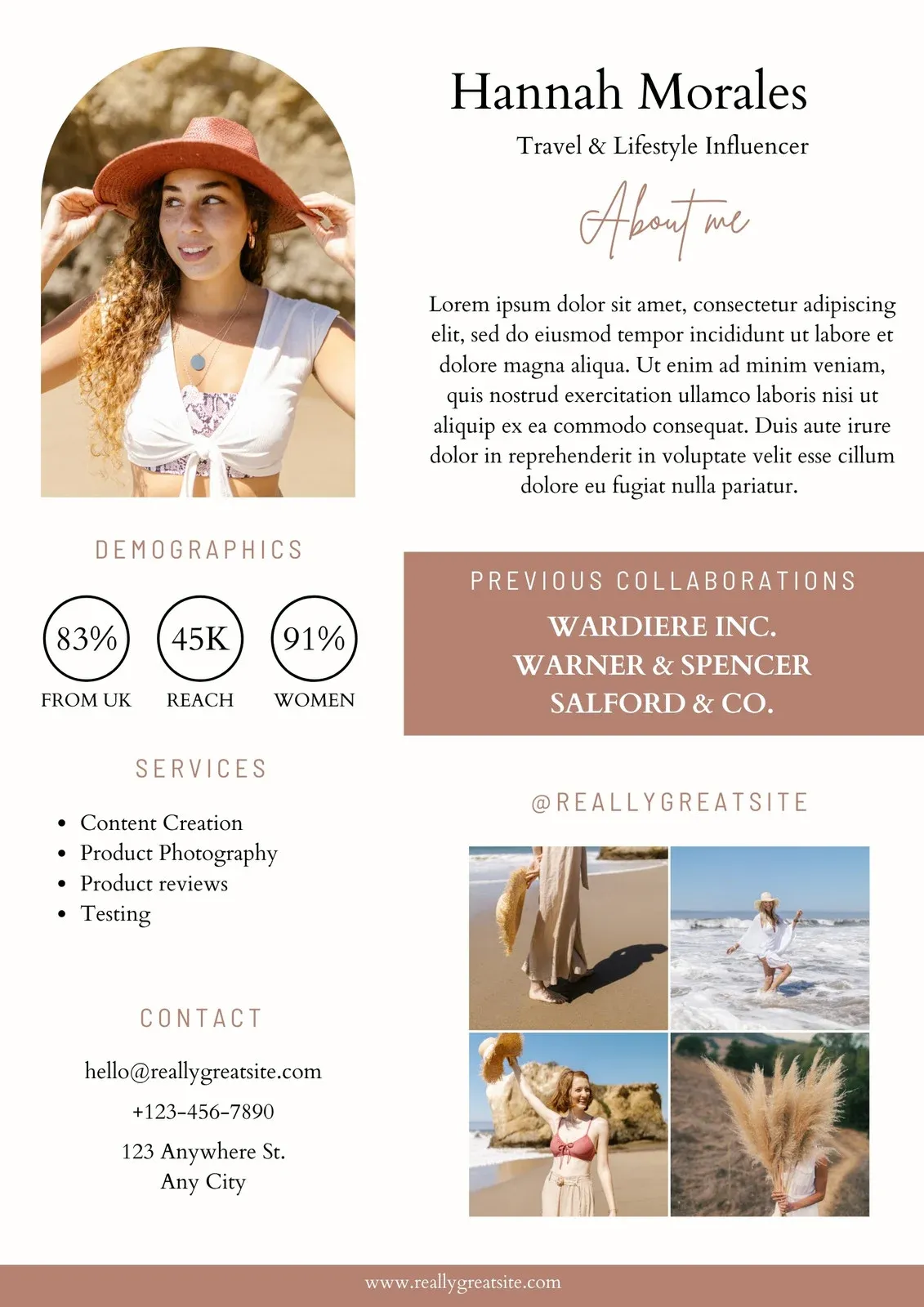
If you are pitching to brands, you must speak their language. A media kit is your professional curriculum vitae, a stylistic roadmap of your influence that allows a brand to understand your value proposition in under sixty seconds.
Essential Components
According to Katie Mitchell of Skillshare, a robust media kit must act as a "style guide for your professional life." Whether you host it as a downloadable PDF, a dedicated page on your website, or a sleek attachment, ensure it contains the following:
- The Compelling Bio: Decide on your brand persona. Are you a technical expert or a lifestyle storyteller? Ensure your headshots and imagery reflect this identity with high-quality, professional-grade assets.
- Contact & Logistics: It sounds rudimentary, but you would be surprised how many creators make it difficult for brands to find an email address. Include your handle, website, and, if applicable, representation details.
- Mission & Objectives: Brands want to know why you create. If your mission statement is unclear, they will struggle to fit you into their campaign narratives.
- Analytics & Proof of Performance: This is the "meat" of the kit. Provide concrete data: unique monthly visitors, follower demographics (age, location, interests), and past campaign performance.
- Portfolio & Past Partnerships: Even if you are new, include case studies of your best work. If you have worked with other brands, display those logos. Social proof is a powerful indicator of your reliability.
Money Talks: Mastering the Art of Negotiation
Once a brand expresses interest, the conversation shifts to the most daunting aspect of the creator economy: compensation. Many creators feel an inherent "imposter syndrome" when discussing rates. However, it is essential to remember that when a brand approaches you, they have already identified a need that only your specific audience can fulfill. You are the captain of this ship.
The Negotiator’s Playbook
Kwame Christian, CEO of the American Negotiation Institute and a contributor to Forbes, emphasizes that negotiation is not a zero-sum game. It is a collaborative process designed to maximize mutual value.
- The First Offer Protocol: As a rule of thumb, let the brand make the first offer if you are inexperienced. This provides a baseline. If you are a seasoned creator, you should have a firm rate card ready to anchor the negotiation.
- The "Full Picture" Approach: Never base a decision solely on the fee. Consider the scope of work, usage rights, and the potential for cross-promotion. Will the brand share your content on their massive social channels? That is "earned media" value that should be factored into your total compensation.
- The Exclusivity Trap: Exclusivity clauses prevent you from working with competitors. If a brand demands exclusivity, you should charge a premium for it. Start with 30-to-90-day windows to "test the waters" before committing to longer-term lock-outs.
- Relationship vs. Transaction: Treat your brand deals as professional relationships. If you make the brand manager’s life easy—by delivering on time, providing clear communication, and offering creative input—you will move from a "one-off" contractor to a long-term partner.
Implications for the Future of Creator-Brand Relations
The industry is moving toward a more transparent and standardized model. As more creators treat their platforms as businesses, the "Wild West" era of brand deals is coming to an end.
The Standardization of Value
The future of brand deals will be increasingly metrics-driven. We are seeing a rise in affiliate-plus-base-fee models, where creators are compensated for both the reach (the "ad" component) and the conversion (the "sales" component). This hybrid model benefits both parties: it de-risks the brand’s investment while rewarding the creator’s ability to drive genuine action.
The Role of Community
The most profound implication of this shift is that the barrier to entry for monetization is lowering, while the barrier to excellence is rising. You no longer need 100,000 followers to earn a living; you need 1,000 "true fans" who listen to your recommendations.
The data confirms that brands are shifting their budgets away from traditional display ads and toward high-trust creator content. For the creator, this is an unprecedented opportunity.
Final Thoughts: Just Get Started
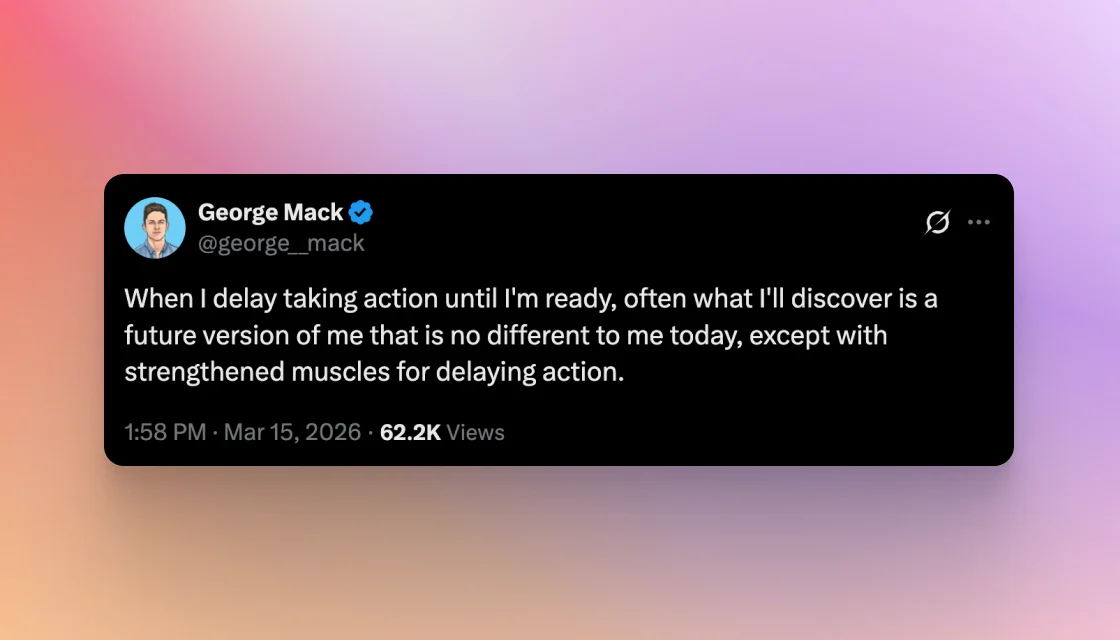
The most significant hurdle in the influencer marketing space is not talent, technology, or capital—it is the paralysis of analysis. The "perfect" time to pitch does not exist.

If you are waiting for your follower count to double before you reach out to a brand, you are missing out on revenue and critical experience. Start by pitching small, local, or emerging brands. Treat these initial partnerships as a paid internship in the business of influence. Every contract you sign, every negotiation you navigate, and every analytics report you compile adds to your professional repertoire.
As you build your portfolio, remember that you are not just a content creator; you are a business owner. Your community is your customer base, your media kit is your prospectus, and your negotiation skills are your business development strategy.
- Refine your media kit: Ensure it is a living document that evolves as you do.
- Master your metrics: Understand the "why" behind your engagement numbers.
- Negotiate with confidence: Know your value, but stay flexible enough to build long-term relationships.
The creator economy is expanding, and the opportunities for those who approach it with professionalism and intent are limitless. Whether you are a nano-influencer just finding your voice or a seasoned pro looking to secure higher-tier contracts, the principles remain the same: Show your value, foster your community, and never be afraid to ask for what you deserve.

Was this guide helpful? If you’re looking to deepen your expertise, explore our library of creator tutorials or join the Ghost Creator Community to connect with fellow professionals navigating the same landscape. Your journey to sustainable, professional creation starts today.