










The transition from physical leather wallets to digital ecosystems has been one of the most significant technological shifts of the last decade. While we have long grown accustomed to paying for coffee or transit with our smartphones, the next great frontier is the digitization of our most sensitive documents: state-issued IDs and passports. Google is currently spearheading this transformation through Google Wallet on Android, aiming to turn your smartphone into a comprehensive, secure identity hub.
As states across the United States slowly roll out support for digital IDs, the vision of a "wallet-less" existence is becoming increasingly tangible. However, this evolution brings with it a complex web of security protocols, regulatory hurdles, and practical considerations for the average user.
Main Facts: The State of Digital Identity
At its core, Google Wallet’s digital ID feature allows users to store a cryptographically secure version of their state-issued driver’s license or ID card directly on their Android device. This is not merely a digital photograph of a card; it is a sophisticated, encrypted pass that interacts with verification systems at airports and government facilities.
To add an ID to Google Wallet, users must undergo a rigorous verification process. This includes taking high-resolution images of the front and back of the physical ID, followed by a biometric scan—a short video of the user’s face. This footage is submitted to the ID issuer (the state) to ensure the person holding the phone is indeed the person to whom the ID belongs. Once verified, the digital ID sits within the Google Wallet app, easily accessible alongside payment methods and loyalty cards.
Crucially, Google emphasizes privacy. Using a technology known as "Zero-Knowledge Proofs," Google aims to facilitate age and identity verification without exposing unnecessary personal data. For instance, when verifying your age for a service, the system can confirm you are over 21 without revealing your exact date of birth or home address.
A Chronology of Digitization
The journey toward digital identity on Android has been a gradual, deliberate rollout.
- Early Development: Google began exploring digital credentials as an extension of its "Identity" initiatives, moving beyond simple credit card tokenization.
- The Pilot Phase: Initial testing focused on limited state partnerships, primarily in jurisdictions with forward-thinking Department of Motor Vehicles (DMV) offices, such as Maryland and Arizona.
- April 2024 Expansion: A significant milestone was reached when Google announced that users could create ID passes from U.S. passports. This was a strategic move, particularly as the May 7, 2025, REAL ID deadline looms, providing a bridge for travelers who may not yet have a compliant state-issued ID.
- Ongoing Integration: Throughout late 2024 and 2025, the platform has seen a steady increase in supported states and use cases, ranging from TSA checkpoint integration to experimental car rental verification.
Supporting Data and Security Protocols
The architecture supporting Google Wallet IDs is built on the foundation of the ISO/IEC 18013-5 standard, which defines how mobile driver’s licenses (mDLs) should function globally.
Security Features
- Device-Level Authentication: Accessing your ID requires a secondary layer of security—usually a PIN, pattern, or biometric scan (fingerprint or face unlock)—ensuring that a lost phone does not equate to a compromised identity.
- Remote Revocation: If a device is lost or stolen, users can remotely remove their digital ID via the Google Account management portal (myaccount.google.com). This provides a "kill switch" that physical cards lack.
- Encrypted Sharing: Whether through NFC (near-field communication) or QR codes, the transmission of identity data is encrypted, meaning that only authorized readers—such as TSA scanners—can decrypt the information.
The Role of the U.S. Passport
Recognizing that many Americans rely on passports for travel, Google has integrated a robust scanning feature. By using the NFC chip embedded in the back cover of a modern U.S. passport, the phone can verify the document’s authenticity. This creates an "ID pass" that serves as a temporary, government-recognized identity credential for domestic travel, providing a safety net for those who have yet to upgrade their state IDs to the REAL ID standard.
Official Responses and Strategic Vision
Google’s official position is that digital identity is a matter of convenience and enhanced security. In recent blog posts, the company has highlighted that digital IDs are not just about "showing a card," but about enabling a system where users control their personal data.
"We want to move toward a future where you don’t have to share your entire identity just to prove one small fact about yourself," a spokesperson noted in a recent update.
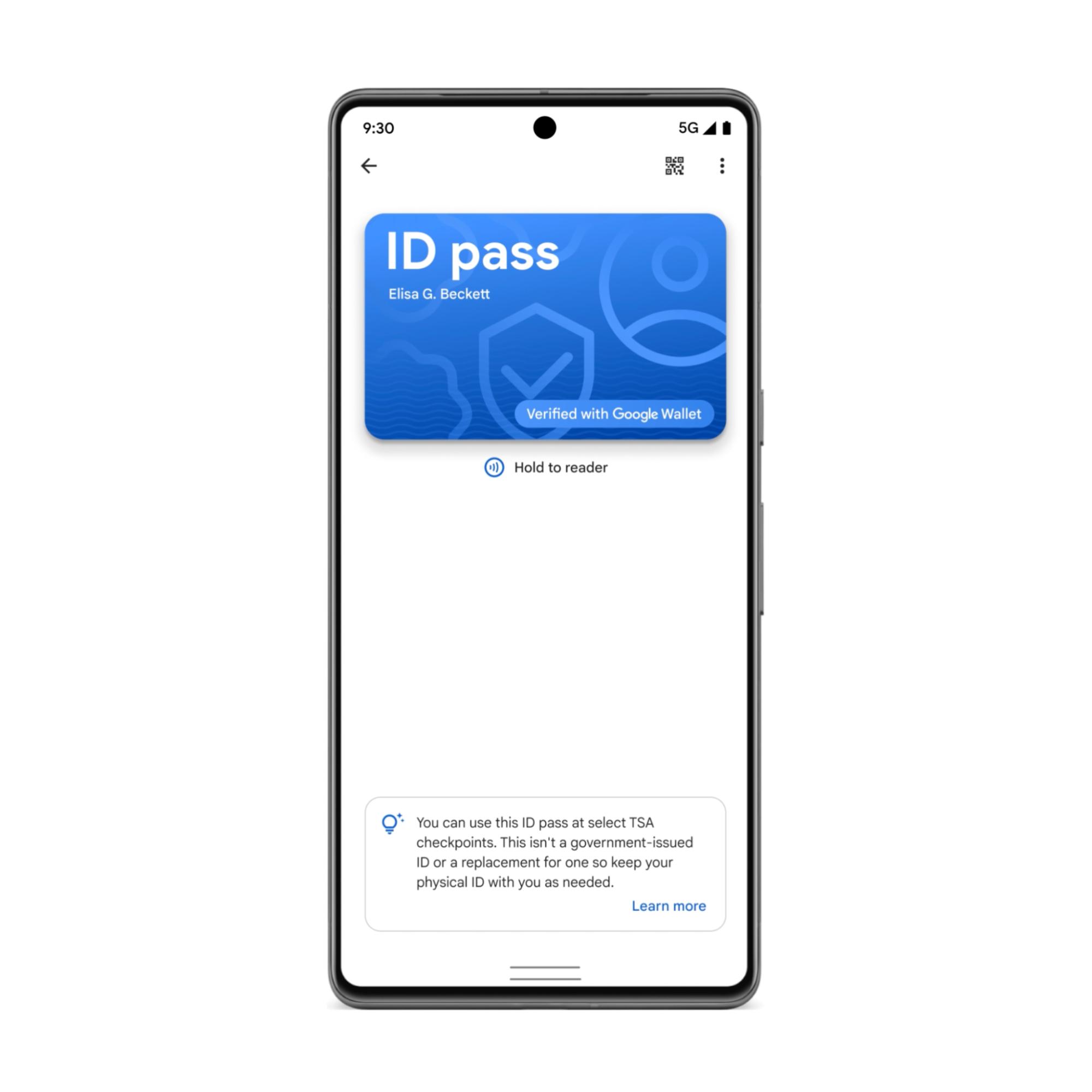
Government agencies, particularly the TSA, have been cautious but supportive. The TSA has been actively expanding its "Digital ID" program at select airports. The agency stresses that while digital IDs are a powerful tool, they are currently supplemental. Official guidance remains clear: citizens must carry their physical ID at all times. Digital IDs are intended to speed up the process and provide convenience, but they do not yet replace the legal requirement to possess the physical document in many jurisdictions.
Implications for the Future
The shift toward digital IDs carries significant implications for society, privacy, and technology.
1. The Death of the "Identity Theft" Model
By utilizing Zero-Knowledge Proofs, Google is attempting to solve the problem of "over-sharing." Currently, when you hand a bartender your ID, they see your address, your weight, and your full birthdate. With digital verification, the scanner simply receives a "Yes/No" response to the question, "Is this person over 21?" This minimizes the risk of identity theft because there is no paper trail or physical card to copy.
2. Streamlining Government Services
The integration of digital IDs at DMVs in states like New Mexico and Georgia is part of a broader push to modernize bureaucracy. By allowing residents to verify their identity through their phones, states hope to reduce the need for in-person visits to government offices, potentially saving millions in administrative costs and freeing up state employees to handle more complex tasks.
3. The Digital Divide and Privacy Concerns
Despite the benefits, there are valid concerns. Not every citizen has a high-end smartphone capable of supporting these features, leading to fears of a "digital divide" where some citizens have access to streamlined services while others are left waiting in lines.

Furthermore, privacy advocates have raised concerns about the centralization of identity data. While Google insists that the data is stored locally and securely, the sheer scale of the Google ecosystem means that any vulnerability could have widespread consequences. The open-sourcing of the Zero-Knowledge Proof technology is a direct response to these concerns, inviting the cybersecurity community to audit the process for flaws.
4. A New Era of Commercial Verification
Beyond government use, we are approaching a future where everyday apps—Uber, CVS, MyChart, and Amazon—will rely on these digital IDs for seamless account recovery and profile verification. Imagine a world where you never have to "upload a photo of your ID" and wait 48 hours for manual review again. Instead, you simply authenticate with your phone, and your identity is confirmed in milliseconds.
Conclusion: The Path Forward
The rollout of digital IDs in Google Wallet represents a pivotal moment in the intersection of public policy and personal technology. It is a slow, methodical process, constrained by the need to ensure absolute security and legal compliance across fifty different states.
As we approach the mid-2020s, the physical wallet is likely to become an artifact of the past. However, the success of this transition depends on the public’s willingness to trust the technology and the government’s ability to create a unified standard that protects citizens’ privacy while providing the efficiency of a digital-first world. For now, the best advice for any user is to stay informed, keep their device updated, and—until the technology becomes universally accepted—always keep that physical ID tucked away in their pocket.



