










By Editorial Staff
September 22, 2026
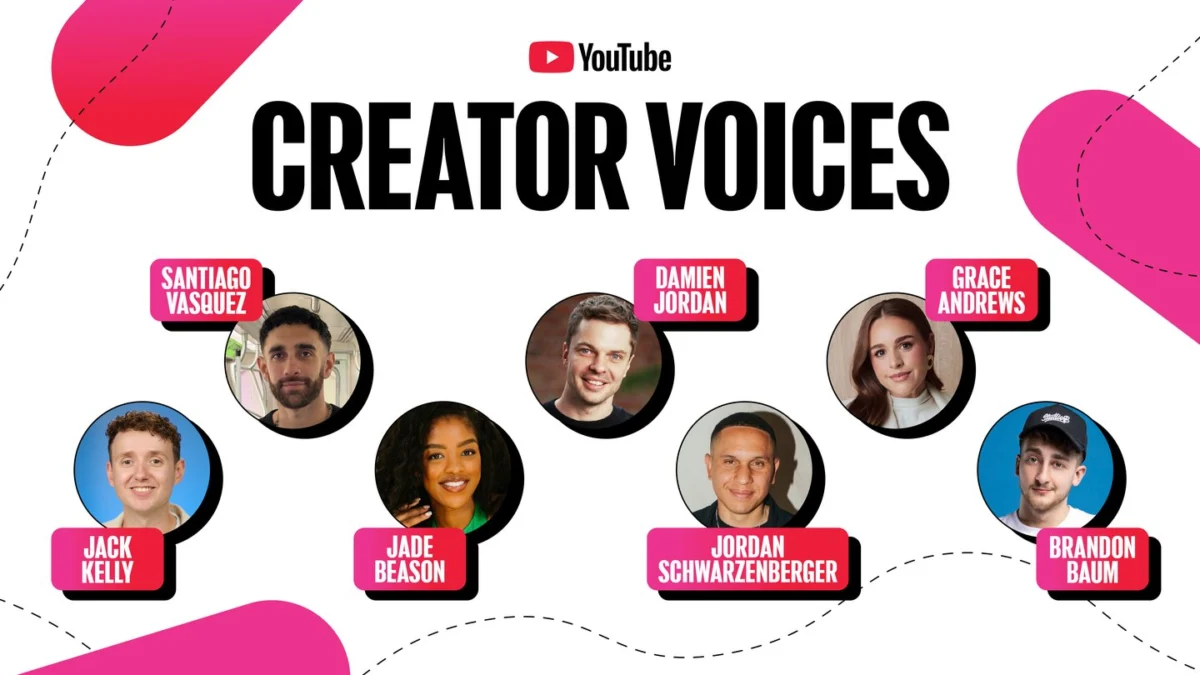
In a landmark shift for the British media landscape, an independent coalition of the UK’s most influential digital-first entrepreneurs has officially launched Creator Voices. This strategic alliance, supported by YouTube UK, represents a formal effort to bridge the widening chasm between the burgeoning digital creator economy and the traditional pillars of Britain’s creative industries. By uniting top-tier talent under a single banner, the collective aims to transform how the UK views, regulates, and integrates the next generation of storytellers and media business owners.
The Genesis of an Industry Powerhouse
The launch of Creator Voices comes at a pivotal moment for the UK’s digital sector. For years, the creative industry has been dominated by legacy media—television production houses, film studios, and established publishing empires. However, the rise of digital platforms has democratized content creation, allowing independent creators to build massive, global audiences from their own living rooms.
Despite this shift in consumption, a lingering institutional disconnect persists. While millions of viewers look to YouTube creators for news, education, and entertainment, these creators have historically operated on the fringes of the formal creative establishment.
"We are no longer just content creators; we are entrepreneurs, storytellers, and heads of media businesses," said a representative from the founding cohort. The group includes industry heavyweights such as Jordan Schwarzenberger, DamienTalksMoney, Jade Beason, TLDR News, Grace Andrews, Brandon B, and Santiago Vazquez. By consolidating their expertise, these leaders intend to advocate for the professional recognition that their economic and cultural influence warrants.
Chronology: The Path to Integration
The journey toward the formation of Creator Voices was not sudden; it was the result of years of mounting economic evidence and internal industry consultation.
- Early 2024: Initial discussions begin among leading UK creators regarding the lack of parity in industry awards, grant funding, and policy representation.
- Late 2024: YouTube UK commissions an extensive consultation process to understand the primary challenges facing the British creator ecosystem.
- Spring 2025: The findings of the 2025 Creator Consultation report are published, highlighting a startling statistic: 43% of digital creators feel their contributions remain unrecognized by traditional creative sectors.
- September 2026: The official launch of Creator Voices at the YouTube Festival, marking the transition from a loose network of influencers to a structured advocacy body.
Supporting Data: The Economic Argument
The impetus for this movement is grounded in undeniable fiscal reality. The creator economy is no longer a niche hobbyist field; it is a multi-billion-pound economic engine.
According to the 2025 Oxford Economics Impact Report, YouTube creators contributed a staggering £2.8 billion in GDP to the UK economy. This represents a 25% year-on-year increase, signaling that the sector is growing at a rate far outpacing traditional media segments.
Beyond the raw GDP contribution, the data underscores the reach of these creators. They serve as primary sources of information for a generation that has largely abandoned linear television. By shaping public discourse and driving consumer trends, the Creator Voices cohort represents a pivotal demographic that can no longer be ignored by policy-makers or institutional investors.
Bridging the Institutional Gap: A Strategic Mandate
The primary goal of Creator Voices is to dismantle the barriers that prevent digital talent from engaging with traditional creative industries. These barriers are often structural, involving intellectual property rights, access to production funding, and representation in government-backed creative initiatives.

"We are building a bridge," says the collective’s manifesto. "By leveraging our collective reach, we aim to ensure that the next generation of British media is as diverse and dynamic as the people who consume it."
The group plans to focus on three core pillars:
- Professionalization: Developing best practices for creator-led businesses to ensure long-term sustainability.
- Advocacy: Working with government bodies to ensure that digital creators are included in creative sector tax incentives and policy discussions.
- Integration: Creating formal pathways for digital-first creators to collaborate with traditional film, television, and advertising entities.
Official Responses and Industry Sentiment
The announcement at the YouTube Festival has garnered widespread attention. Industry analysts suggest that the backing of YouTube UK is a critical "seal of approval" that will grant the coalition immediate legitimacy in meetings with government officials and legacy media executives.
"The launch of Creator Voices is the logical evolution of a market that has matured rapidly," says Sarah Jenkins, a senior analyst at a leading creative media consultancy. "When you have a group contributing nearly £3 billion to the GDP, you are no longer talking about ‘influencers’—you are talking about a major industrial stakeholder."
However, the transition will not be without challenges. Some critics within traditional media express concerns regarding editorial standards and the lack of traditional regulatory oversight for digital creators. In response, the leadership of Creator Voices has emphasized that they are committed to raising the bar for the industry, viewing "accountability and high standards" as the key to gaining the respect of the wider creative community.
Future Implications: The Cultural and Economic Horizon
The implications of this coalition are profound. As Creator Voices gains momentum, we can expect to see:
- Policy Shifts: Increased pressure on the UK government to include digital-first creators in the definition of "Creative Industries" for grant and subsidy eligibility.
- Collaborative Ventures: A surge in co-productions between digital-first creators and legacy broadcast houses.
- Educational Reform: Universities and media schools may begin to pivot their curricula to acknowledge the specific business and production models of the creator economy.
The "digital-first" label is rapidly becoming a misnomer; it is simply the "new normal." As the UK looks to maintain its position as a global leader in creativity and culture, the integration of these digital storytellers into the formal economy is not just beneficial—it is a necessity.
Conclusion: A New Era for British Creativity
The formation of Creator Voices represents more than just a networking group; it is the formalization of a cultural movement. By asserting their place at the table, these creators are ensuring that the future of British media is not dictated solely by the incumbents, but by the innovators who have captured the attention of the nation.
As they move forward, the coalition faces the dual challenge of maintaining their unique, agile identity while operating within the rigorous, often slow-moving structures of the traditional creative establishment. If they succeed, they will not only secure a seat at the table—they will likely redefine the menu, the guest list, and the very structure of the creative industry for decades to come.
The message is clear: Britain’s creative superpower status now rests firmly in the hands of its digital pioneers. With the launch of Creator Voices, that power finally has a voice to match its impact.



