










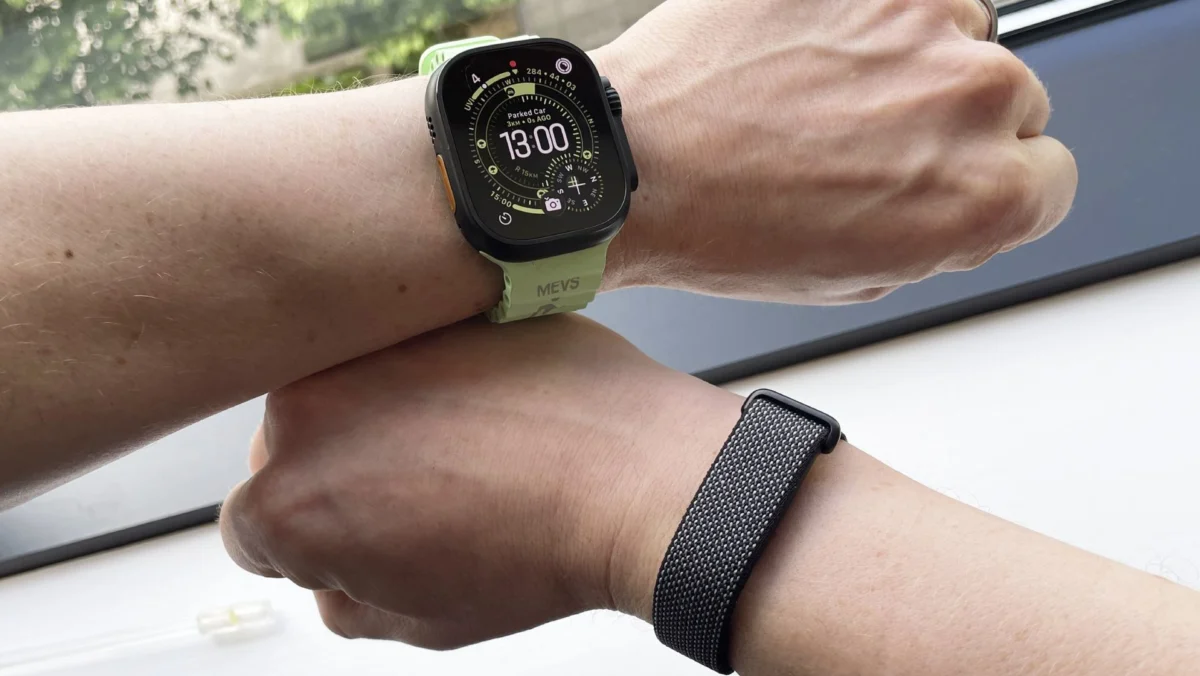
The wearable technology landscape is undergoing a quiet, fundamental shift. For over a decade, the "smartwatch" has been defined by the screen: notifications, app grids, and an ever-present demand for attention. However, a new category of "passive" wearables—typified by the Whoop strap, the Oura Ring, and the rising popularity of the Garmin Cirqa—is challenging the necessity of the display. Reports now suggest that Apple, the company that effectively commoditized the smartwatch, is exploring a foray into this screenless market.
According to industry insiders and recent reports from Bloomberg and MacRumors, Apple has been quietly testing prototypes for a screen-free fitness band for several months. While the project has not yet been given a definitive "green light" for production, the internal momentum is being driven by Apple’s Senior Vice President of Services, Eddy Cue, who is reportedly advocating for a move toward simpler, more focused hardware.
The Core Concept: Ambient Health Tracking
The appeal of a screenless tracker lies in its philosophy: "set it and forget it." Unlike the Apple Watch, which serves as a wrist-bound extension of the iPhone, a screenless tracker is designed to exist in the background. It collects biometric data—heart rate variability (HRV), blood oxygen, skin temperature, and sleep architecture—without interrupting the user with emails, texts, or social media pings.
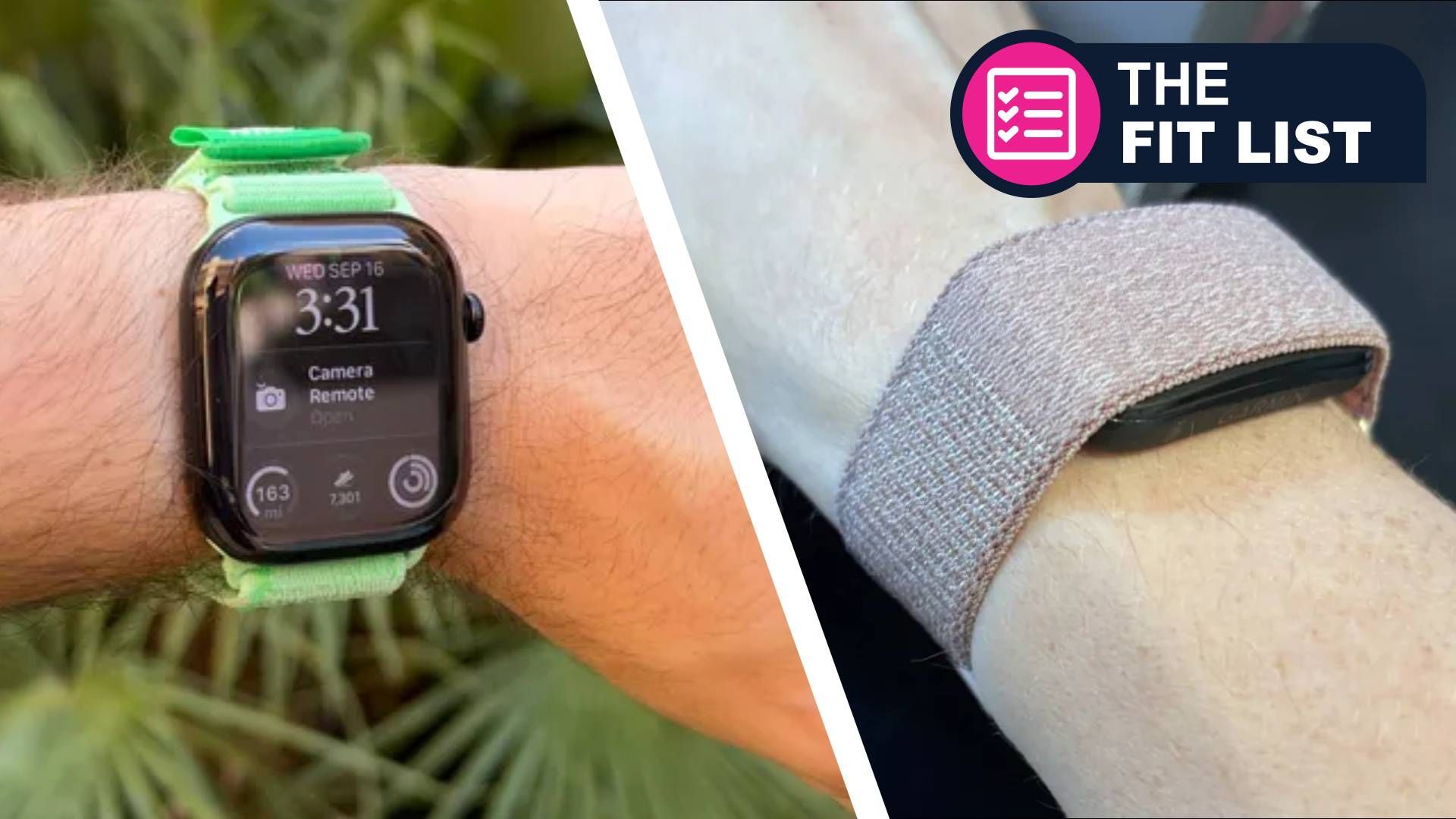
This data is then offloaded to a central, AI-powered health app, where it is synthesized into actionable insights. The goal is not to keep the user glued to their wrist, but to provide a holistic view of physiological recovery and performance readiness. For a user base increasingly suffering from "digital fatigue," this represents a move toward the "calm technology" movement, where devices provide utility without demanding cognitive overhead.
A Chronology of the Shift
The transition toward screenless fitness tracking has been a multi-year evolution:
- 2015–2018: The Smartwatch Hegemony. The Apple Watch dominates, focusing on "closing the rings" through active engagement and notification-heavy activity tracking.
- 2019–2022: The Rise of the Recovery Metric. Companies like Whoop begin to gain significant market share among professional athletes by focusing on "recovery" rather than just "activity." The market realizes that measuring how well you rest is as important as measuring how hard you train.
- 2023–2025: The Smart Ring and Minimalist Band Boom. Oura, Garmin, and even Google’s experimental Fitbit efforts solidify the demand for wearables that can be worn while sleeping or during formal events without looking like a bulky gadget.
- 2026: Apple’s Strategic Pivot. Reports emerge that Apple is exploring a dedicated, screen-free wearable. The company realizes it cannot rely solely on the Apple Watch to capture the "wellness-first" demographic, who may prefer an Oura Ring or a Whoop over a device that needs daily charging and constant attention.
Supporting Data: Why Now?
The shift toward screenless devices is supported by shifting consumer demographics. Recent surveys in the health-tech space suggest that while 70% of smartwatch users track their fitness, nearly 40% admit to disabling notifications to avoid distraction.
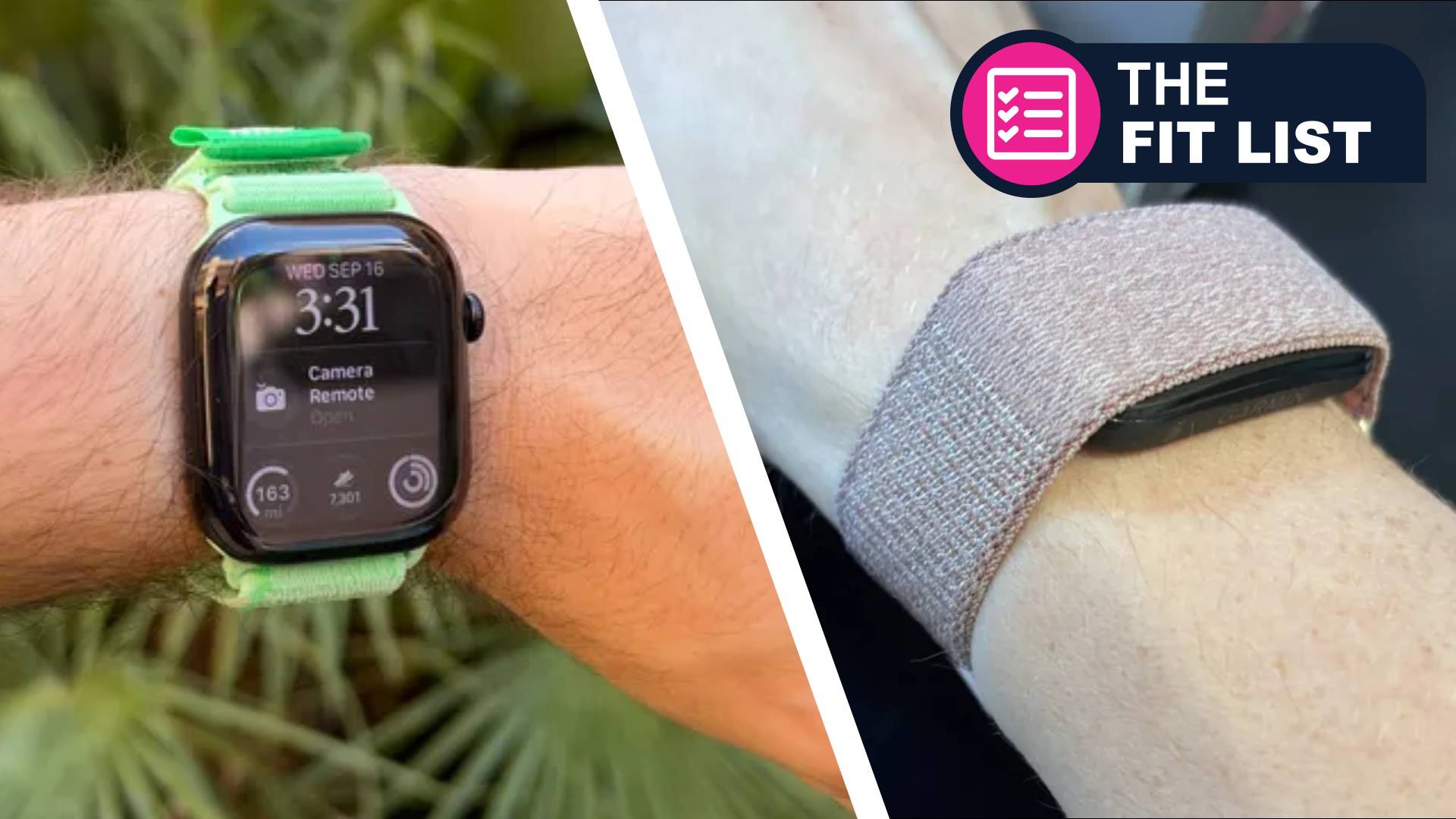
Furthermore, the "readiness" metric has become the industry gold standard. Unlike the simple calorie-burning counters of the past, modern users want to know if they are prepared for a high-intensity workout or if they need a rest day. To calculate these scores accurately, a device must be worn 24/7. Screenless devices, which are typically thinner and more comfortable for sleep, offer a distinct advantage over the bulky, feature-rich Apple Watch Ultra or Series 10.
The Technological Foundation: Apple’s "Ready-to-Ship" Arsenal
If Apple were to move forward with an "Apple Whoop," they would not be starting from scratch. In fact, the company has spent the last three years building the exact components required to dominate this niche.
1. The Action Button
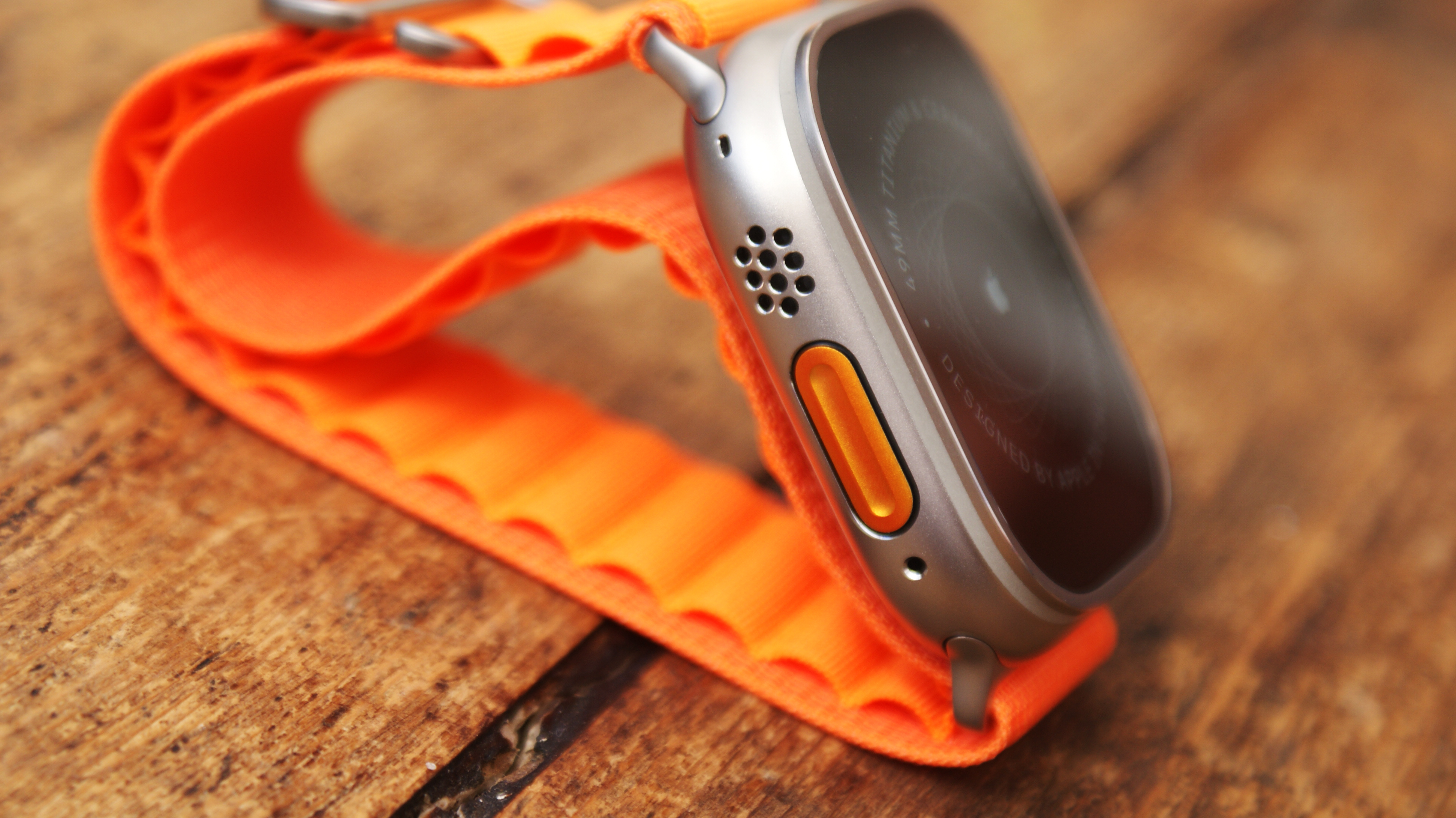
The Action Button, introduced on the Apple Watch Ultra and subsequently adopted by the iPhone 16 Pro, is the perfect interface for a screenless device. A physical, tactile button allows for binary interactions—starting or stopping a workout, logging a set, or silencing an alarm—without requiring a visual interface. It provides the haptic feedback necessary to confirm an action in the absence of a screen, mimicking the success of the Garmin Cirqa’s physical interaction model.
2. The Health Sensing System
Apple’s latest Health Sensing System—the array of sensors, LEDs, and electrodes on the underside of the watch—is now at its peak. The redesign of these sensors, which increases skin contact and improves the frequency of heart rate sampling (now up to 24 times more frequent than in the Series 8), provides the precise data needed for accurate recovery and HRV analysis. By stripping away the power-hungry processor, GPS, and OLED display, this sensor array could theoretically function for days, if not a week, on a single charge.
3. Software Synergy: Vitals and Readiness
Apple has already laid the software groundwork in the Health app. The "Vitals" app and the "Readiness" score represent a departure from the "activity-first" mentality. By integrating these metrics, Apple has already taught its users to look at their data in the morning, rather than throughout the day. This aligns perfectly with a device that you only check once you’ve synchronized it with your phone.
Implications: Can Apple Disrupt the Niche?
If Apple enters the screenless space, the implications for the wearable industry would be massive.
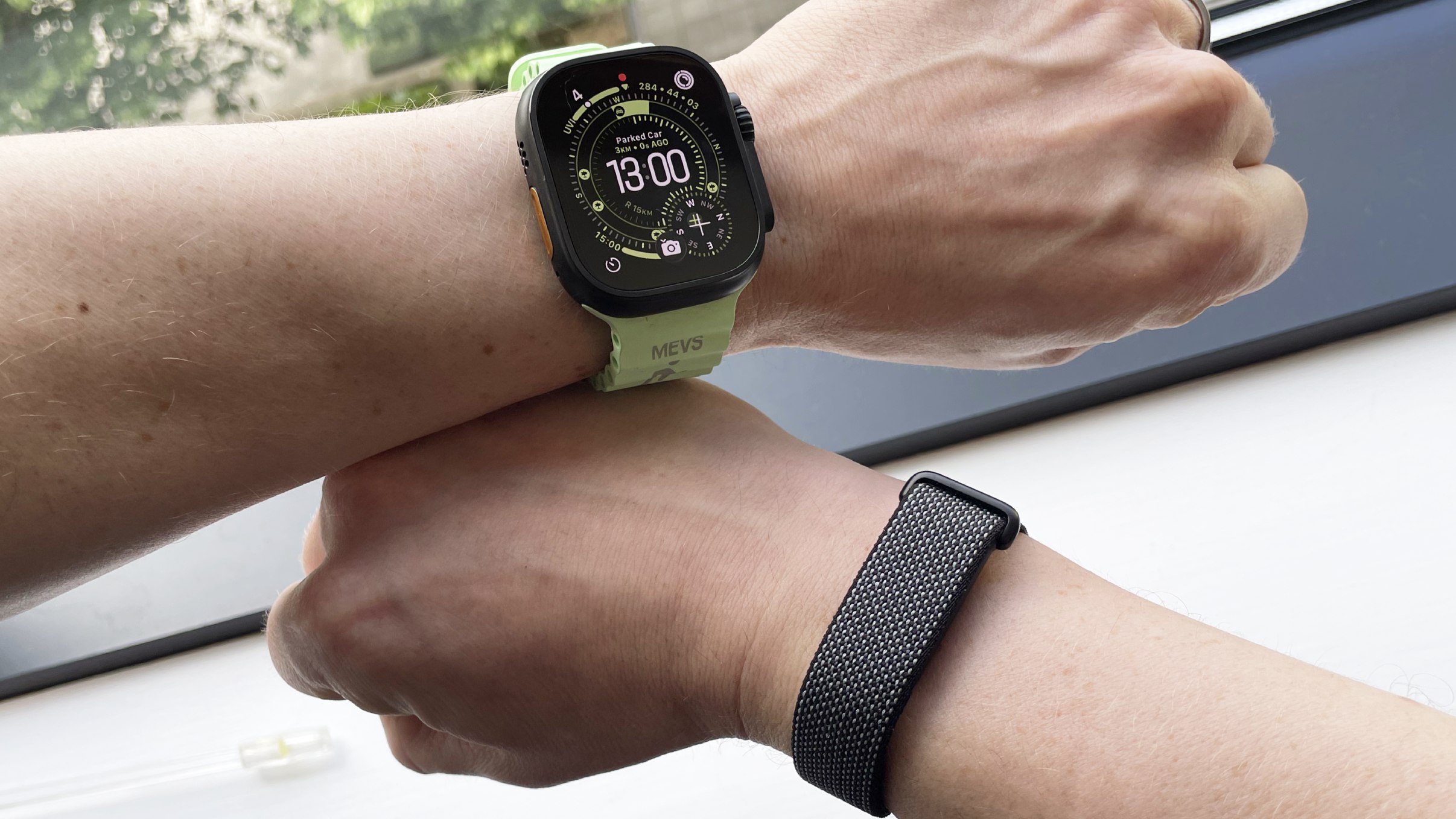
For Competitors: Companies like Whoop and Oura have built their brands on being the "alternative" to the Apple Watch. If Apple enters the fray, it brings its unparalleled ecosystem integration. If an Apple screenless band can talk to your iPhone, iPad, and Health app seamlessly, the "niche" appeal of smaller brands may erode.
For Users: The primary implication is the democratization of advanced recovery tracking. If Apple offers a screenless tracker at a competitive price point, millions of users who currently find smartwatches too distracting or too expensive could gain access to medical-grade health insights.
For Apple’s Brand: A screenless device signals that Apple is listening to the "digital minimalism" movement. It shows that the company is willing to pivot from "more features" to "better, less intrusive features." It could open up a new revenue stream in the services department, perhaps relying on a subscription-based model for deeper, AI-driven health insights, similar to how Whoop currently operates.

The Road Ahead
The challenge for Apple lies in its own success. The Apple Watch is a high-margin, high-visibility product. Launching a screenless, lower-cost device carries the risk of "cannibalizing" Apple Watch sales. However, failing to innovate in the wellness space carries a greater risk: losing the fitness-conscious demographic to competitors who are already successfully selling the "set and forget" lifestyle.
As we look toward the next product cycle, the question is not whether the technology exists—it is whether Apple is prepared to sacrifice the "screen-first" culture that has defined its wearable history in exchange for a more intimate, persistent, and passive role in the user’s daily health journey. The silence from Cupertino is deafening, but the direction seems clear: the future of fitness tracking might be the one that you don’t look at at all.



