











Why did the chicken cross the road? While the punchline remains a subject of comedic debate, the reason you are asking that question—and why a search engine provides a specific answer—is a masterclass in modern digital psychology. If you type that query into a search engine today, you aren’t just sending a string of characters into the void; you are participating in an intricate dance known as Search Intent.
In the evolving landscape of Search Engine Optimization (SEO), understanding the "why" behind the user’s search has become more critical than the keywords themselves. This article explores how search intent works, how it has shifted into the age of AI, and how you can optimize your content to meet the sophisticated demands of today’s search engines.
1. What Is Search Intent?
Search intent, or keyword intent, is the underlying motivation behind a user’s search query. It is the bridge between a human need and a digital solution. When a user taps a query into a search bar, they are looking for one of three things: information, a specific destination, or a means to complete a transaction.
For years, search engines relied heavily on keyword matching. If a user typed "best running shoes," the engine hunted for pages containing those exact words. Today, Google has moved beyond simple syntax. Modern algorithms focus on the context of the query. Often, the top-ranking results do not even contain the exact keywords searched, yet they satisfy the user’s underlying need perfectly. Google’s primary goal is no longer just to find text; it is to provide an answer that satisfies the intent behind the inquiry.
2. The Shift: From Keyword Matching to AI-Driven Context
The era of "keyword stuffing" is long dead. We have entered the age of AI-Driven Contextual Intent. As search engines integrate generative AI and machine learning, they now analyze sentiment, entities, and the broader digital reputation of a brand.
The Rise of Brand Authority
It is no longer sufficient for your website to claim expertise; the rest of the internet must agree. AI systems evaluate "contextual brand intent" by scanning forums, news outlets, social media, and third-party reviews to determine if your brand is a trusted authority in your niche. Tools like BrandMentions have become essential for tracking these digital footprints. By monitoring what the world says about your business, you can identify and manage the trust signals that AI systems now use as a primary ranking factor.

3. The Three Pillars of Search Intent
While the nuances of search are infinite, the industry generally categorizes intent into three core pillars, a framework first codified by Andrei Broder in 2002 and still utilized by Google’s quality raters today:
- Informational Intent: The user wants to learn something. These queries usually contain words like "how to," "what is," or "why."
- Navigational Intent: The user knows where they want to go. They are searching for a specific brand or website (e.g., "Facebook login" or "Amazon").
- Transactional Intent: The user is ready to pull the trigger. They are looking to buy a product or service (e.g., "buy iPhone 15" or "discount running shoes").
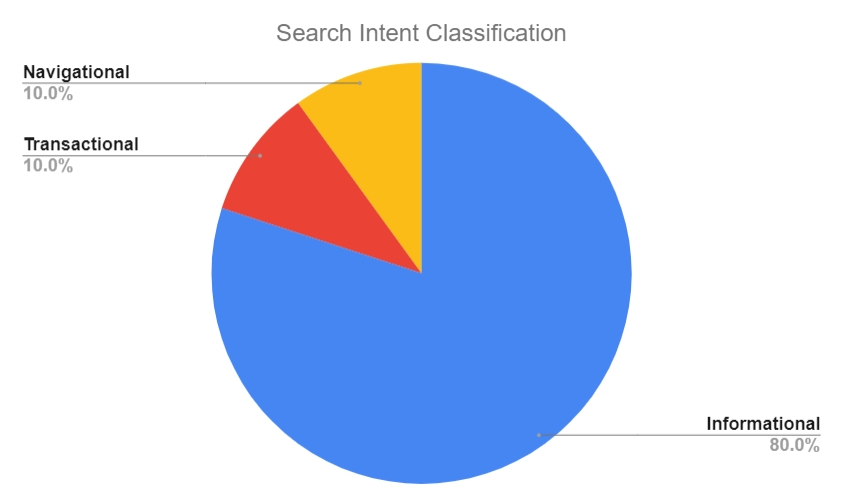
Recent studies indicate that roughly 80% of all search volume is informational, while the remaining 20% is split between navigational and transactional.
4. Optimizing for Informational Intent: The Answer Box Strategy
Informational queries represent the vast majority of search traffic. While these may seem less profitable because they lack immediate purchase intent, they are vital for building top-of-funnel awareness and establishing topical authority.
The Power of Featured Snippets
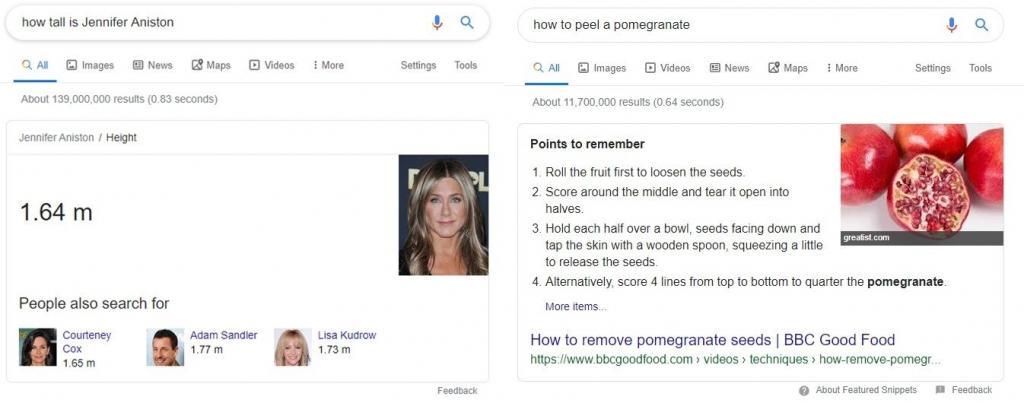
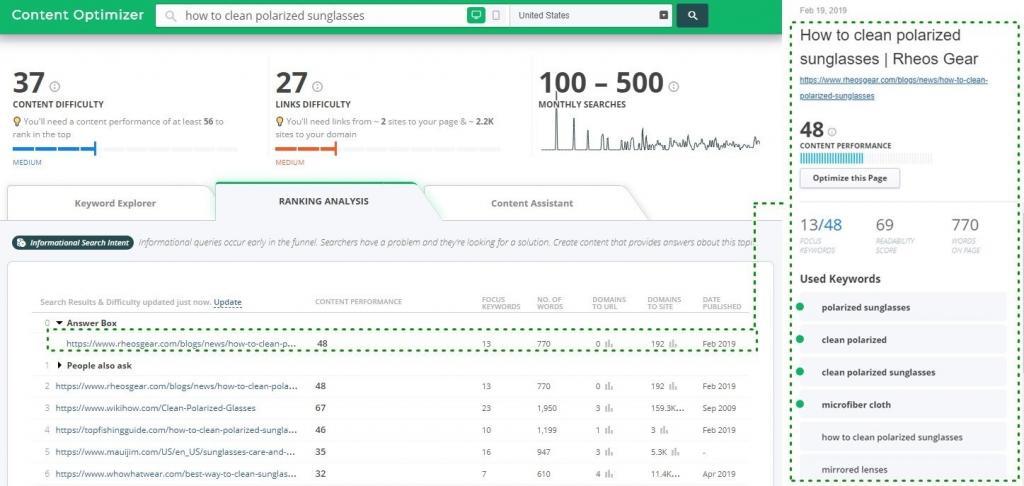
Google often rewards high-quality, concise informational content with "Featured Snippets"—the coveted "Position Zero." To capture this, your content must be structured to answer questions directly. Use the "Question + Industry Term" formula. For example, if you are in the eyewear industry, create content that addresses "How to clean sunglasses" or "Benefits of polarized lenses."
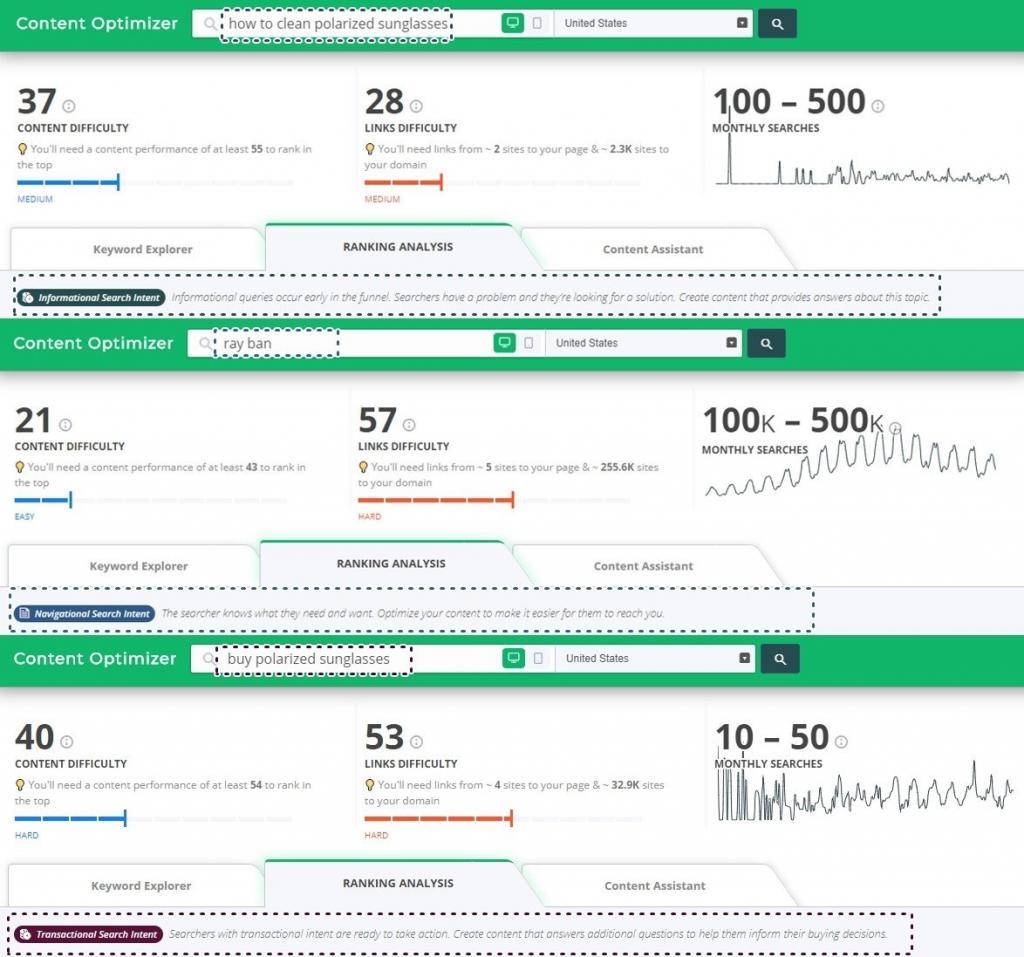
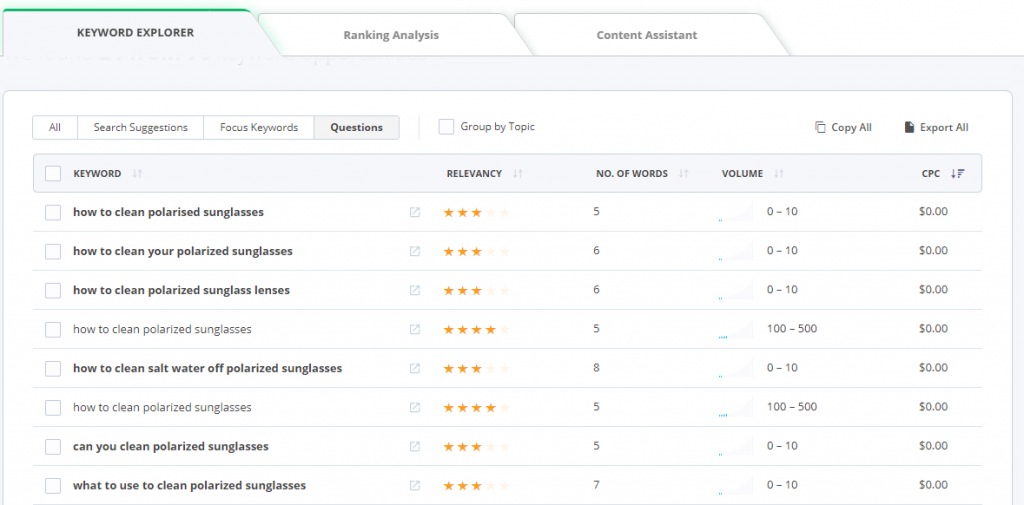
Pro-tip: Use tools like the Content Optimizer to identify "People Also Ask" opportunities. By answering these secondary questions within your main article, you increase your chances of appearing multiple times on the first page of search results.
5. Navigational Intent: Protecting Your Brand
Navigational queries are unique because the user has already decided on the destination. You generally cannot "rank" for a competitor’s brand name, but you can, and must, protect your own.
If a user searches for your brand name, they expect to land on your homepage or a specific portal. If they find a third-party review site or a competitor’s blog instead, you have lost a critical connection. Furthermore, ensure you are optimized for common misspellings, local variations of your brand, and regional naming conventions.
6. Transactional Intent: Driving Revenue
Transactional intent is the "Money Stage." When a user searches for "buy" or "cheap" or "discount," they have moved past the research phase and are ready to convert.

To optimize for this, your product pages must be laser-focused on the user experience.
- Structured Data: Use schema markup to show prices, availability, and reviews directly in the search results.
- Local Optimization: If you have a physical presence, ensure your Google Business profile is perfectly maintained, as local intent is a massive driver for transactional searches.
- Competitor Analysis: Use a ranking analysis tool to see exactly what the top-performing e-commerce sites are doing to satisfy the user’s need to buy.
7. The Challenge: Intent is Not Static
One of the most dangerous assumptions in SEO is that a keyword has a fixed intent. As mentioned earlier, "Amazon" is usually a navigational search for the e-commerce giant. However, during periods of natural disasters or environmental news cycles, "Amazon" can become an informational search regarding the rainforest.
This fluidity means that SEO is not a "set it and forget it" task. You must periodically revisit your target keywords. If the SERP (Search Engine Results Page) landscape changes—for instance, if Google starts displaying more videos for a query that used to show text articles—your content strategy must pivot to match that new expectation.
8. Implications of Ignoring Search Intent
If you fail to align your content with user intent, you face two primary risks:
- High Bounce Rates: If a user lands on your page expecting an answer to a question (Informational) but finds a sales pitch (Transactional), they will leave immediately. Google tracks this behavior and will penalize your rankings accordingly.
- Missed Conversion Opportunities: You might be driving traffic, but if that traffic is not aligned with the user’s stage in the buying cycle, your ROI will be negligible.
9. Developing a Winning Strategy: A Chronology of Success
To successfully master search intent, follow this professional workflow:
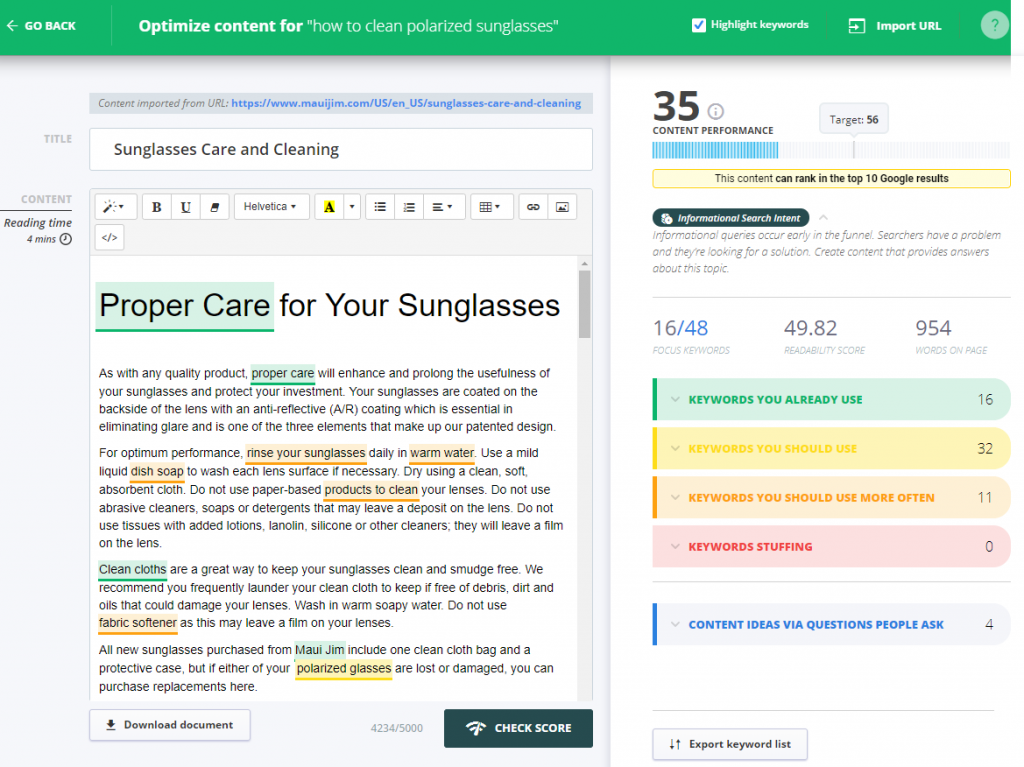
- Research: Use a keyword tool to identify the primary intent behind your target keyword. Is it dominated by blog posts (Informational) or product pages (Transactional)?
- Structural Planning: Build your content format to match the current top-ranking pages. If the top 10 results are all "how-to" guides, write a guide. If they are product comparisons, create a comparison page.
- The "Angle" Differentiator: While format and structure should follow industry standards to ensure you rank, your angle is where you win. Provide unique insights, better data, or a more original perspective to elevate your position from page one to the top three.
- Constant Monitoring: Re-evaluate your keywords every quarter. Search intent shifts as user behavior evolves.
10. Conclusion: The Future is Human-Centric
Behind every single search query—whether it’s a trivial question about a chicken or a high-stakes search for a new enterprise software—is a human with a goal. The technology behind search engines will continue to become more intelligent, moving closer to true human-like understanding.
The businesses that thrive in this environment are not those that try to "trick" the algorithm, but those that focus on providing the most value to the user. By understanding the intent behind the search, you are not just ranking for a keyword; you are answering a question, solving a problem, or facilitating a purchase. That is the true essence of modern digital success.
Start your journey today. By analyzing your keywords, auditing your content against user intent, and filling the gaps left by your competitors, you can transform your website from a collection of pages into an authoritative destination that search engines—and more importantly, users—trust.



