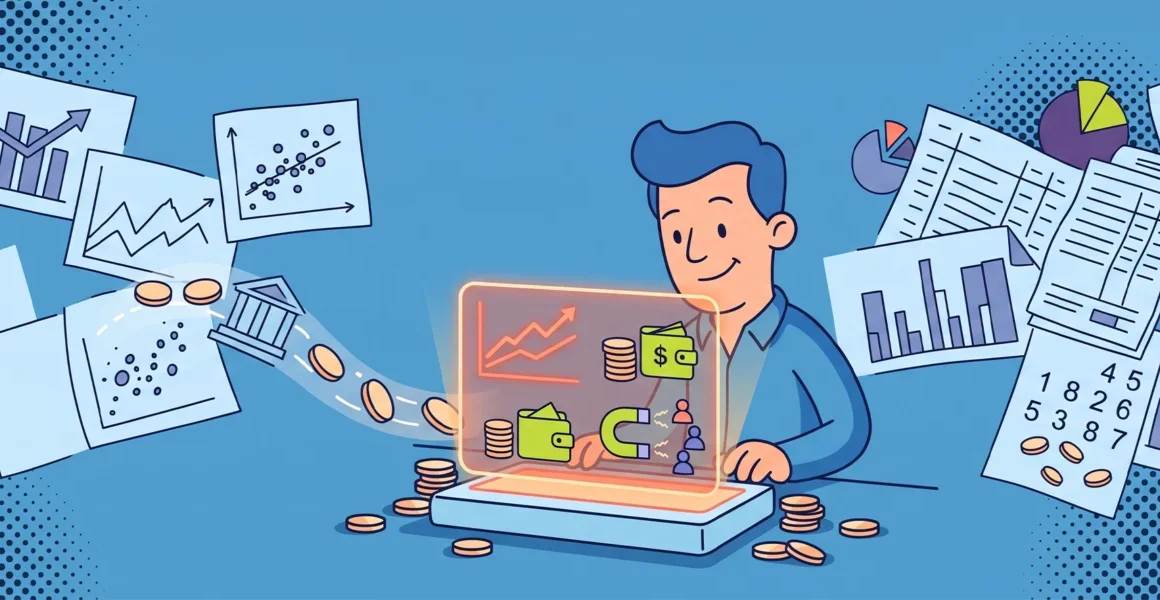

In the modern digital economy, the divide between selling physical goods and intellectual property is wider than ever. While an e-commerce brand selling a tangible item can rely on the product’s physical presence—the weight of the material, the tactile feedback of packaging, and the visual proof of quality—the digital product creator faces a more abstract challenge. For the course creator or software vendor, the product does not exist until the transaction is complete.
In this landscape, email marketing is not merely a promotional channel; it is the entire infrastructure of the business. It is the bridge between a vague promise and a life-changing result. As digital entrepreneurs look to scale, they must master a distinct set of principles: trust before the pitch, education before the offer, and relationship before revenue.
The Paradigm Shift: Email as the Core Business Funnel
For traditional retailers, email marketing is often a tactical retention play. Brands send automated nudges to abandoned carts, offer seasonal discounts, or announce new inventory to existing customer bases. However, for digital creators, email is the primary engine of the customer journey.
When a potential student discovers a creator through a podcast appearance, a viral social media post, or a referral, they are rarely ready to commit to a high-ticket course immediately. They enter the funnel as a lead, typically by opting into a free training or a downloadable resource. From that moment forward, the relationship is entirely dependent on the quality of the emails delivered. There is no physical showroom to visit and no "in-person" interaction to seal the deal. If the email sequence fails to build authority and rapport, the customer simply drifts away. In the digital space, the inbox is the only storefront that matters.
The Anatomy of a Successful Nurture Sequence
The primary mistake many creators make is treating the lead magnet—the free PDF, mini-course, or webinar—as the end of the value exchange. In reality, the lead magnet is merely the handshake. The welcome sequence is the conversation that follows.
The Arc of Belief
A high-converting nurture sequence follows a structured psychological arc. It does not bombard the subscriber with constant sales pitches. Instead, it systematically builds belief:
- Validating the Problem: The first stage of the sequence addresses the specific pain points the subscriber is experiencing. By articulating these problems clearly, the creator proves they understand the subscriber’s reality.
- Introducing the Possibility: Once the problem is validated, the creator paints a picture of what life looks like on the other side. This shifts the focus from "what is wrong" to "what is possible."
- Providing Proof: The middle of the sequence is reserved for evidence. This includes student case studies, testimonials, and the creator’s own personal journey. Proof serves as the bridge between the subscriber’s skepticism and their eventual decision to purchase.
The duration of this sequence should be calibrated to the price point. A $49 e-book might convert within three to four emails. Conversely, a premium membership platform, such as the Foundr+ ecosystem, requires a longer runway—often six to ten emails—to overcome the inherent friction of a higher financial commitment.
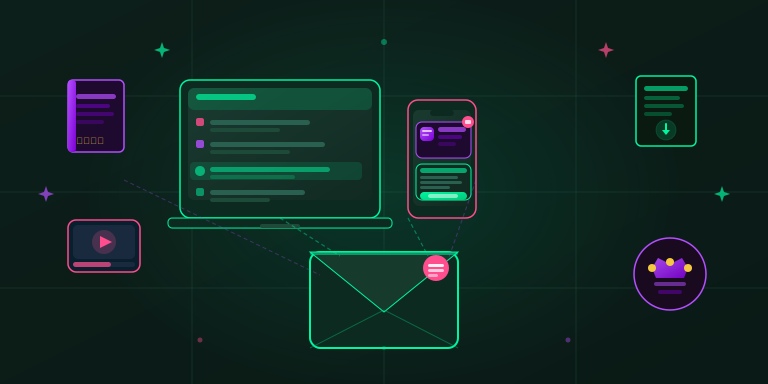
Launch Strategy: The Psychology of Urgency
When the nurture sequence concludes and the "cart" officially opens, the rules of engagement shift. The gentle, value-first cadence of the nurture phase is replaced by a more assertive, urgency-driven strategy.
A launch window is a finite period. To be successful, the emails sent during this time must be intentional and high-energy. This is where many creators falter by relying on feature lists rather than stories. A launch email should not simply explain what is in the course; it should explain how the course solves the specific, lingering objections of the prospect.
If a prospect is worried they are "too busy," the email should feature a case study of a student who completed the course while working a full-time job. If they doubt their ability to succeed, the email should share a story of someone who started with the same limitations.
Furthermore, honesty is the most potent tool in a launch. If a discount or a bonus is expiring, the deadline must be real. Manufactured scarcity is easily detected by modern consumers, and once trust is broken, it is rarely recovered. In the final 48 hours of a launch, sending one email per day is not only acceptable—it is expected. By this stage, the leads who are genuinely interested are actively looking for the final nudge to commit.
The Post-Purchase Experience: The Most Neglected Asset
The moment the transaction is complete is where most creators go quiet, yet this is precisely when the most critical phase of the customer relationship begins.
A student who feels supported after the purchase is far more likely to complete the course. Completion rates are a vital metric because they directly correlate to the lifetime value of the customer. A student who finishes a course and achieves a result becomes a brand advocate, generating organic referrals and writing the testimonials that will fuel future launches.
Strategic post-purchase emails include:
- The "Check-In" Email: Sent a week after purchase, this simple note asking how the student is progressing creates a sense of accountability and care.
- Milestone Recognition: Acknowledging when a student has finished a module or hit a progress milestone encourages momentum.
- Resource Support: Providing additional context or troubleshooting help keeps the student from feeling "stuck."
Foundr’s implementation of a 90-day results guarantee on their membership platform is a prime example of betting on the post-purchase experience. This level of confidence is only sustainable if the emails and the content inside the course are designed to ensure the student actually succeeds.
Implications for the Modern Creator
The shift toward email-first businesses is a move toward stability. Unlike reliance on social media algorithms, which can change overnight and render a business model obsolete, an email list is a proprietary asset. It is a direct line of communication that is immune to platform updates or changes in advertising policy.
However, the "email playbook" is not a static document. It requires constant iteration, segmentation, and a deep understanding of the audience’s evolution. Creators who succeed in the coming decade will be those who view their email list not as a database of leads, but as a community of individuals.
To manage this complexity, many creators are turning to sophisticated automation tools. Platforms like Omnisend allow for the seamless integration of nurture sequences, launch flows, and post-purchase follow-ups. By utilizing segmentation—sending the right message to the right person at the right time—creators can achieve higher engagement rates with less manual labor.
Conclusion: Building for the Long Term
The most durable businesses in the digital product space are built on the foundation of trust. They do not succeed by shouting the loudest; they succeed by whispering the most compelling truths to the right people.
When a creator stops viewing email as a marketing chore and starts viewing it as a relationship-building tool, the entire trajectory of their business changes. They stop chasing clicks and start chasing loyalty. In an era of digital noise, the ability to cultivate a genuine, responsive, and trusting email audience is the single greatest competitive advantage a founder can possess.
By prioritizing the subscriber’s experience—from the first lead magnet to the final post-purchase check-in—creators can build a model that is not only profitable but sustainable, allowing them to scale their impact without sacrificing their integrity.