










September 23, 2026
YouTube has long served as the bedrock of the digital creator economy, evolving from a simple video-hosting site into a sophisticated ecosystem that sustains millions of careers. As the platform looks toward the future, its focus has shifted from mere viewership metrics to the long-term sustainability of creator businesses. During this year’s "Made On YouTube" event, the platform unveiled a suite of tools designed to bridge the gap between content creation and commercial enterprise, signaling a shift in how creators, brands, and audiences interact in an increasingly monetized digital space.
The Architecture of the Modern Creator Economy
The creator economy is no longer a peripheral industry; it is a central pillar of global commerce. YouTube’s latest initiatives acknowledge that for creators to thrive, they require more than just engagement—they need infrastructure. Whether a creator is a solo hobbyist uploading their first Short or a sophisticated production house managing a global audience, YouTube’s stated goal is to provide the "tools, partnerships, and platform" necessary to build lasting, sustainable businesses.
At the heart of this strategy is the recognition of trust. YouTube’s internal data suggests that audiences remain on the platform specifically because of the deep, authentic connections they form with their favorite creators. In an era of AI-generated content and fragmented social media, the creator-fan relationship remains a high-value asset. Advertisers, recognizing this, are increasingly looking for ways to integrate their products into these trusted environments.
Chronology: From Content Discovery to Commerce
To understand the current pivot, one must look at how YouTube has systematically integrated commerce into the viewing experience over the last several years:
- 2024-2025: The Foundation of Social Commerce. YouTube began testing integrated product tags, allowing viewers to purchase items without leaving the app. This moved the platform from a discovery engine to a point-of-sale environment.
- Early 2026: The Affiliate Program Expansion. Recognizing the power of creator recommendations, YouTube expanded its affiliate program, allowing creators to tag products in their videos and earn commissions, lowering the barrier to entry for smaller channels.
- September 2026 (Made On YouTube): The platform announced a new phase of development, focusing on simplifying the administrative burden of brand partnerships and providing advanced data analytics for international transactions.
Supporting Data: Why Shopping Matters
The financial performance of YouTube’s commerce initiatives provides a compelling argument for this shift. According to recent platform data, the YouTube Shopping affiliate program has seen explosive growth, with over 1.3 million creators currently participating.

Perhaps most striking is the Gross Merchandise Volume (GMV) growth, which has surged 13x over the last two years. Data indicates that when creators use YouTube’s native product tags, they drive more than twice as many clicks compared to traditional methods, such as including links in the video description. This "frictionless" shopping experience—where the product is tagged directly within the video, including on Shorts and the "Living Room" (connected TV) interface—has become a primary driver of revenue for creators, proving that viewers are highly receptive to integrated commerce when it feels authentic to the creator’s voice.
Streamlining Brand Partnerships: Reducing the Administrative Burden
One of the most significant pain points for professional creators has been the sheer amount of administrative "red tape" involved in brand deals. Pitching, negotiating, and managing contracts often takes away from time spent on actual content creation.
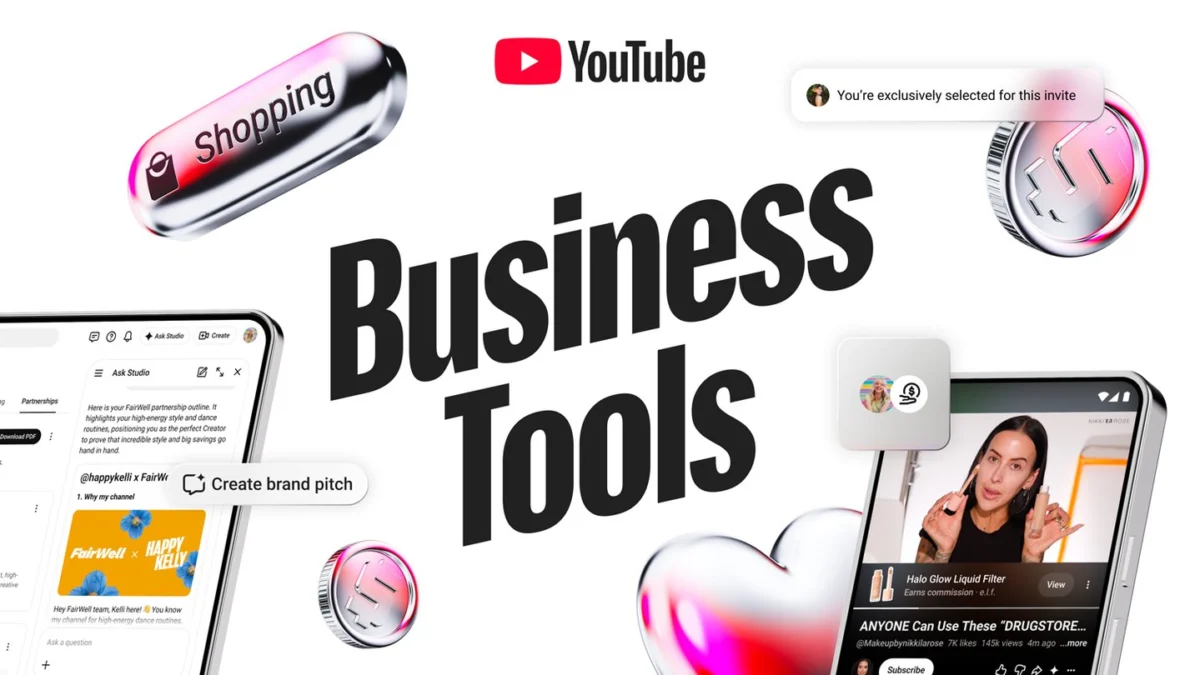
At the "Made On YouTube" event, the platform emphasized a new initiative to simplify this process. By creating a more direct pipeline between brands and creators, YouTube intends to reduce the administrative friction that prevents smaller, high-engagement creators from securing high-value partnerships. By automating elements of the negotiation process, the platform is effectively acting as a clearinghouse, ensuring that creators can spend more time producing content and less time navigating the complexities of legal and financial logistics.
The Global Perspective: International Transactions
As the creator economy becomes truly borderless, YouTube is addressing the challenges of international trade. Creators often struggle with currency conversion, cross-border tax compliance, and local advertising regulations. The platform’s new focus on cross-border transactions aims to normalize the flow of capital, ensuring that a creator in one country can just as easily partner with a brand in another. This global infrastructure is essential for the next phase of YouTube’s growth, as it opens up new revenue streams for creators in emerging markets who previously lacked access to international advertising budgets.
Official Stance: Empowering the "Heartbeat" of Culture
YouTube leadership has consistently characterized creators as the "heartbeat" of the platform. By providing tools that facilitate direct monetization, YouTube is effectively validating the creator as a legitimate business entity rather than just a content supplier.
"You don’t just make great videos; you build fandoms as the driving forces of culture and entertainment today," the company stated during the conference. This messaging underscores a shift in how the platform views its relationship with creators: it is no longer just a host for videos, but a partner in business development. By providing the tools to turn fandom into financial stability, YouTube hopes to solidify its position as the most rewarding platform for long-term career growth.

Implications for the Industry
The implications of these changes are far-reaching. First, the professionalization of the creator economy is likely to accelerate. As YouTube provides more sophisticated tools for deal-making and commerce, the gap between "amateur" and "professional" will continue to widen, with the platform effectively providing the "corporate" infrastructure for individual creators.
Second, the "Living Room" experience is becoming a major battleground for retail. With the expansion of shopping features to connected TVs, YouTube is positioning itself as a direct competitor to traditional home-shopping networks and retail giants. When a viewer can purchase an item while watching a video on their television, the conversion path becomes significantly shorter and more efficient.
Third, creators must now balance their creative output with their roles as commercial retailers. The requirement for authenticity is higher than ever; as commerce becomes more integrated, creators will need to ensure that their product recommendations feel natural. If the content feels too "salesy," the trust that powers the entire ecosystem could erode.
Conclusion
YouTube’s latest roadmap reflects a platform that is moving beyond the era of the "viral video" and into the era of the "creator enterprise." By focusing on simplifying brand deals, scaling affiliate commerce, and facilitating international business, YouTube is building an ecosystem where creators can build a sustainable livelihood.
As the digital landscape continues to evolve, the success of these initiatives will depend on the platform’s ability to maintain the delicate balance between commercial interest and the authentic, trust-based connections that have made YouTube the premier destination for global audiences. For the creator, the message is clear: the tools to build a sustainable, global business are now within reach—provided they can continue to deliver the creativity that brought their audience to the platform in the first place.



