










By Editorial Staff
October 8, 2026
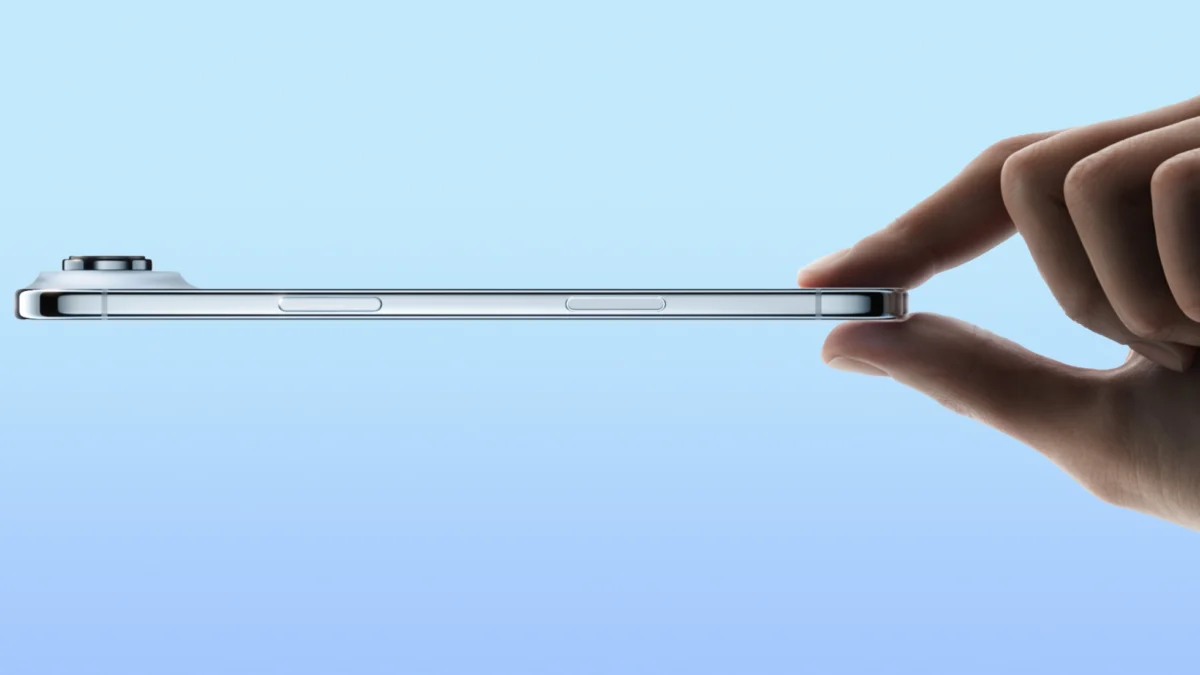
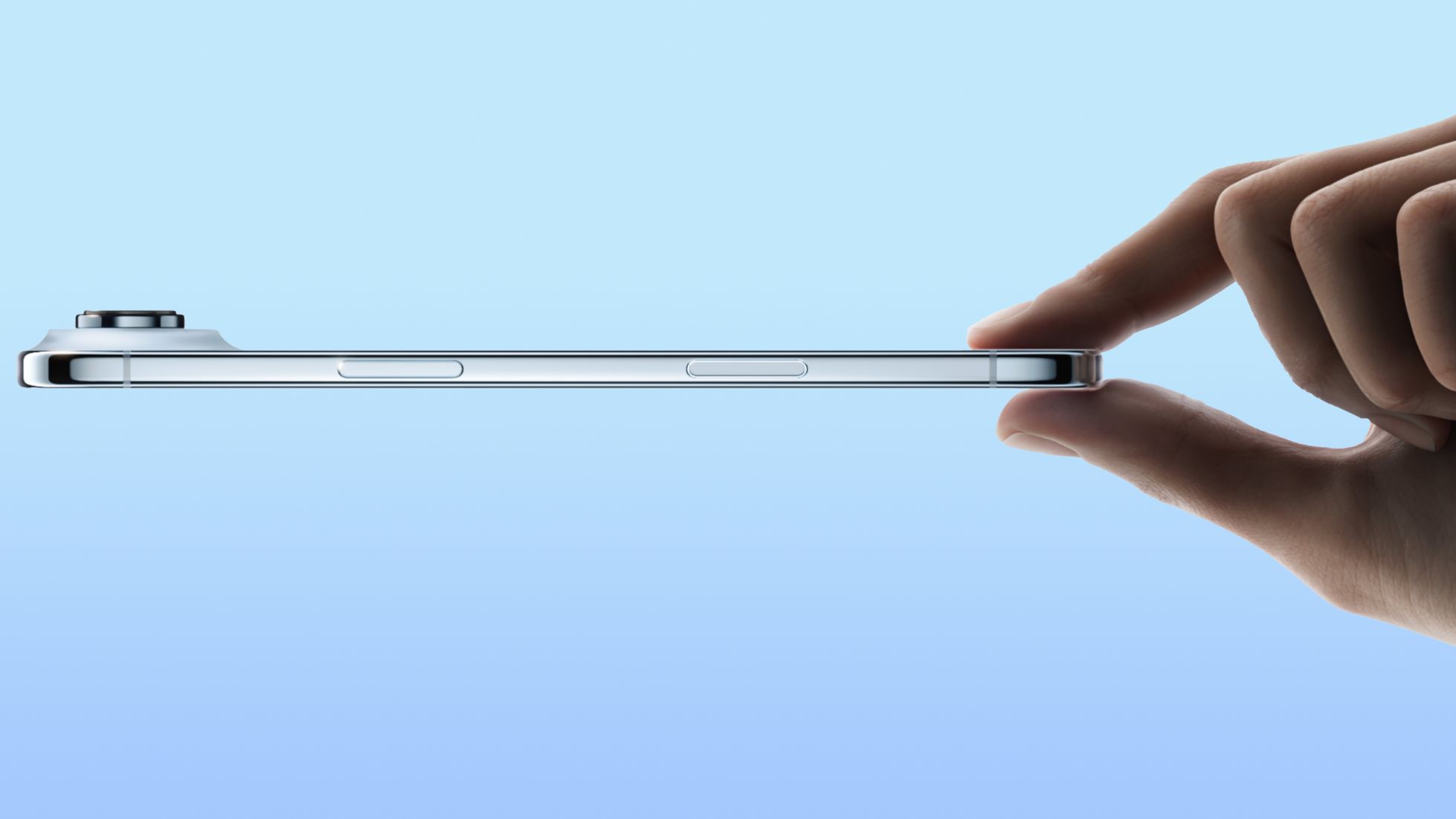
In an era where smartphone manufacturers are increasingly turning toward complex foldable mechanisms and bulkier hardware to accommodate advanced camera systems, Apple appears to be doubling down on its commitment to radical industrial design. New reports surfacing from industry supply chain leaks suggest that the upcoming iPhone Air 2 will not only continue the trend of ultra-slim architecture established by its predecessor but will push the boundaries of physics by shaving an additional 0.4mm off its chassis.
This development, while seemingly incremental, represents a significant engineering challenge: fitting a higher-capacity battery into a footprint that is 7% thinner than the current model. As Apple prepares for its early 2027 product cycle, the industry is watching closely to see how the company balances the conflicting demands of extreme portability and sustained battery performance.
The Core Technical Specifications
According to insights shared by the respected industry leaker known as "yeux1122" via the Korean Naver blog, the iPhone Air 2 is expected to measure just 5.2mm in thickness. Given that the inaugural iPhone Air was released at a svelte 5.6mm, this reduction places the device in a category of its own, rivaling the dimensions of the recently unveiled iPhone Duo when that device is fully unfolded.
Battery Capacity vs. Physical Profile
The most compelling aspect of this rumor concerns power density. Historically, making a phone thinner meant sacrificing battery life—a compromise most consumers are unwilling to accept. However, rumors indicate that the iPhone Air 2 will house a 3,500mAh battery.
To put this in perspective, the current iPhone Air utilizes a 3,149mAh cell. This represents an 11% increase in raw capacity. Apple’s ability to achieve this is widely attributed to advancements in silicon anode technology and high-density cell stacking, which allow for a smaller physical footprint without reducing the total energy storage available to the user. If these figures hold, the iPhone Air 2 will likely become the gold standard for power-to-weight ratios in the smartphone market.
A Chronology of Apple’s "Thin" Strategy
To understand the significance of the iPhone Air 2, one must look back at Apple’s long-standing obsession with hardware thinness, which has evolved significantly over the last decade.
- 2024–2025: The "Air" Concept Emerges: Following years of incremental weight gain in the Pro-line iPhones, Apple signaled a pivot toward a new design language. The goal was to reclaim the portability lost during the "Pro Max" era of heavy stainless steel and massive camera bumps.
- September 2025: The Launch of the iPhone Air: The original iPhone Air debuted to critical acclaim, showcasing that Apple could deliver a premium, full-featured device that didn’t feel like a brick in the pocket.
- September 2026: The Foldable Paradigm Shift: During the "Surprise and Shine" event, Apple introduced the iPhone Duo. This device served as a proof-of-concept for how thin a foldable could be, setting a new benchmark at 5.2mm when open.
- October 2026: The iPhone Air 2 Leak: Reports confirm that the lessons learned from the iPhone Duo’s chassis engineering are being applied back to the non-folding lineup, effectively "trickling down" the technology to the mass-market Air series.
- Early 2027 (Expected): The projected launch window for the iPhone Air 2, alongside the iPhone 18e and the standard iPhone 18.
Supporting Data: The Foldable Influence
The connection between the new iPhone Duo and the upcoming iPhone Air 2 is not coincidental. The iPhone Duo, which features a dual-screen, foldable inner display, was engineered with a continuous frame that feels fluid during transition. By mastering the heat dissipation and structural integrity required for a device as thin as 5.2mm in the Duo, Apple has effectively created a manufacturing blueprint that it can now apply to its traditional slab-style phones.
Data suggests that by adopting the same internal structural chassis as the Duo, Apple reduces its R&D costs and optimizes its supply chain. The "Air" series is no longer just an outlier; it is becoming the foundational design language for all non-Pro iPhones moving forward.
Industry and Consumer Implications
The implications of a 5.2mm device are twofold: market differentiation and accessory ecosystem stability.
The War on Bulk
For years, the "Pro" models of the iPhone have grown progressively heavier due to the inclusion of stainless steel, and later, titanium, alongside massive camera arrays. The iPhone Air 2 serves as a direct rebuttal to the "bigger is better" philosophy. It caters to a segment of the user base that prioritizes ergonomics and ease of use over extreme zoom capabilities or ultra-heavy gaming performance.
The Accessory Economy
With such a thin chassis, the question of structural durability naturally arises. A 5.2mm phone, while impressive, requires advanced materials to prevent bending under pressure. It is expected that Apple will continue to utilize a reinforced titanium-aluminum alloy composite to ensure that the device remains rigid despite its slim profile. This shift will likely render older, bulkier cases obsolete, pushing the accessory market toward a new generation of high-precision, form-fitting protective gear.
Official Responses and Corporate Strategy
As is standard procedure, Apple has not provided an official comment regarding the leaks concerning the iPhone Air 2. However, executives have frequently spoken about the "design philosophy of invisibility" at recent shareholder meetings.
During the September 2026 event, Apple’s lead design engineers noted that their primary goal for the next generation of hardware was to "make the technology recede into the background." This statement aligns perfectly with the rumor of a thinner, more powerful, and less intrusive iPhone Air 2. By reducing the physical presence of the device, Apple aims to make the hardware feel like an extension of the user rather than a distinct, cumbersome tool.
What to Expect in Early 2027
The upcoming lineup for early 2027 is shaping up to be the most diverse in the company’s history. With the iPhone 18, the entry-level iPhone 18e, and the ultra-slim iPhone Air 2, Apple is attempting to cover every possible consumer niche.
- iPhone 18: The standard flagship, likely maintaining a balance between power and portability.
- iPhone 18e: The cost-conscious, mass-market device, likely utilizing older but highly efficient components.
- iPhone Air 2: The design-focused flagship, targeting users who value aesthetics and carryability above all else.
Technical Challenges Ahead
While the leaked specs are impressive, the industry remains skeptical of the thermal management required for a 5.2mm device. As processors become more powerful, the need for effective heat dissipation grows. If Apple is to succeed with the Air 2, they must rely on advanced thermal interface materials and perhaps a more efficient A-series chip that generates less heat under sustained loads.
Conclusion: The Future is Thin
The narrative surrounding the iPhone Air 2 is indicative of a broader shift in the mobile industry. After a decade of chasing larger displays and heavier hardware to house increasingly complex camera systems, Apple is leading a return to minimalism.
If the rumors regarding the 5.2mm thickness and 3,500mAh battery are confirmed, the iPhone Air 2 will represent a monumental achievement in electrical and mechanical engineering. It will prove that true innovation isn’t just about adding features; it is about refining the user experience to the point where the hardware disappears, leaving only the digital experience behind. As we look toward the early 2027 launch, the iPhone Air 2 is poised to set the standard for what a modern smartphone should look and feel like, proving that sometimes, less truly is more.



