





The sun has officially set on the Google Pixel 6 and 6 Pro. As of late 2026, the devices that served as the grand introduction to Google’s proprietary Tensor silicon have reached their end-of-life (EOL) status. For many users, this marks the end of an era—a transition from being a flagship device receiving cutting-edge support to becoming "legacy hardware" in the eyes of Mountain View.
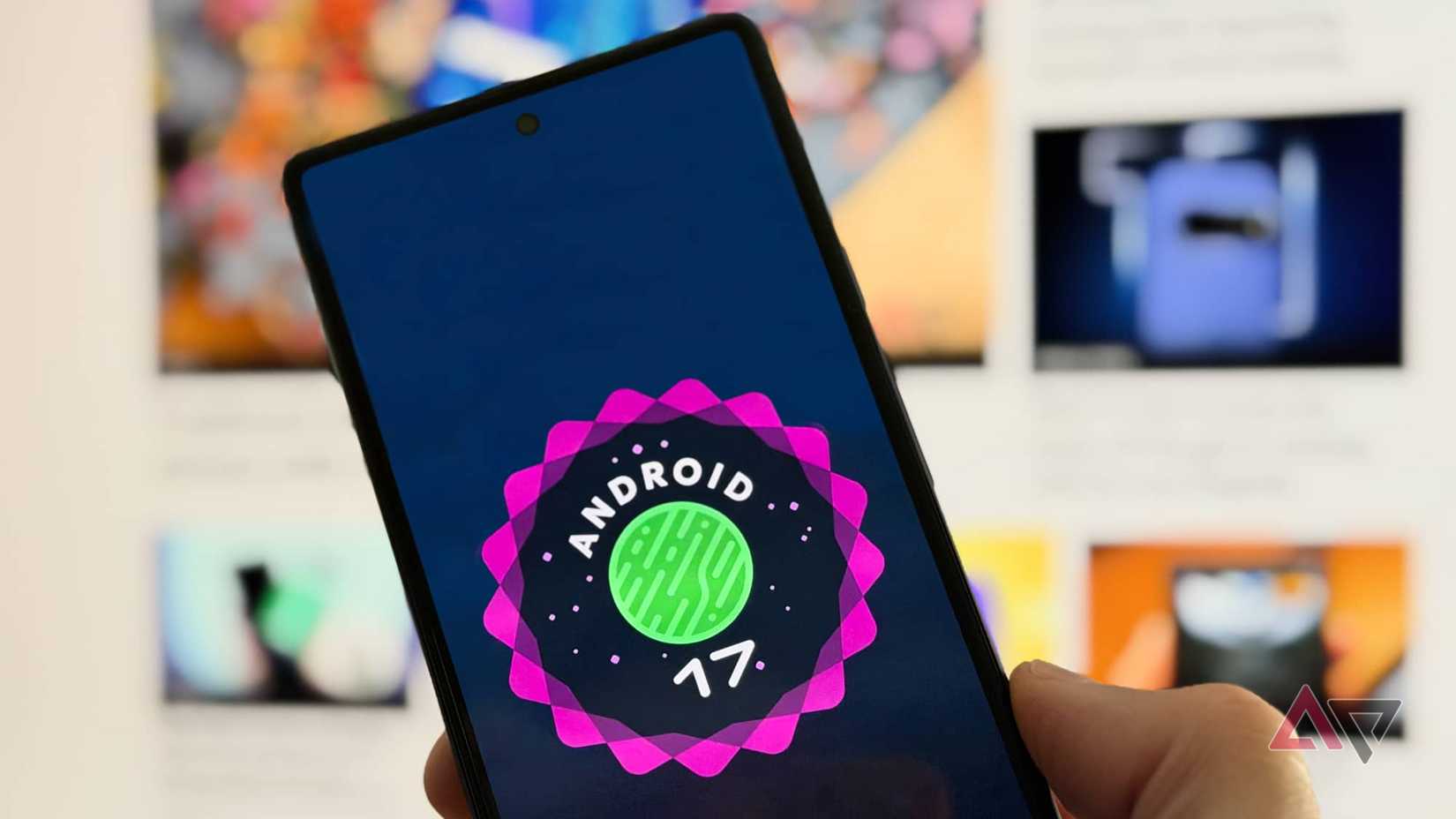
While this conclusion was inevitable, the Pixel 6’s journey was far from ordinary. Against the expectations of many industry analysts, Google extended the device’s lifecycle well beyond the original promises, carrying it all the way to Android 17. However, with the final curtain falling on official security patches and OS updates, users are now faced with a decision: retire the hardware or venture into the world of third-party development.
The Chronology of an Iconic Flagship
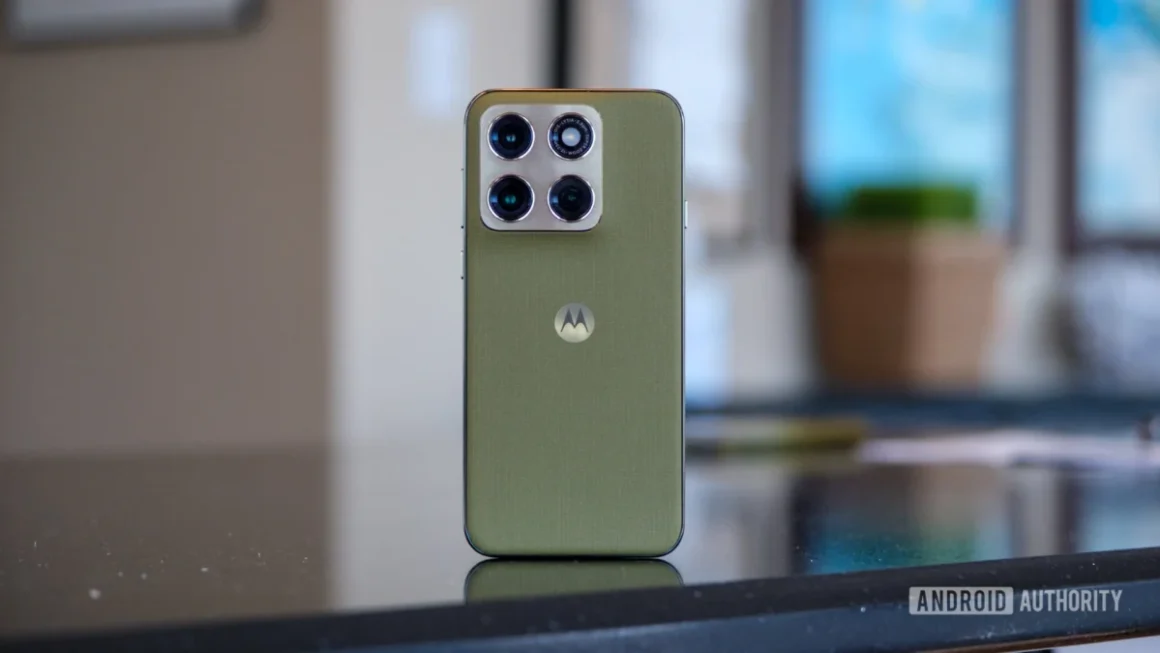
To understand the significance of this moment, one must look back at the Pixel 6’s debut. Released in 2021, the Pixel 6 was a radical departure for Google. It signaled a pivot toward vertical integration, abandoning Qualcomm processors in favor of the custom-designed Tensor G1.

- October 2021: The Pixel 6 and 6 Pro launch, introducing a distinctive camera bar and the inaugural Tensor chip.
- 2021–2024: The devices undergo a series of updates, cementing their reputation for having an exceptional camera system but occasionally battling modem-related stability issues.
- Mid-2026: Google defies industry norms by pushing the Android 17 QPR1 beta to the aging hardware, effectively extending its life by nearly a year beyond initial expectations.
- November 2026: Official support ceases. The Pixel 6 joins the ranks of retired Google hardware, no longer eligible for over-the-air (OTA) security updates or feature drops.
Supporting Data: Why Support Matters
When a smartphone hits its EOL date, it doesn’t immediately stop functioning. However, the risk profile changes drastically. Modern mobile operating systems are complex ecosystems where security is maintained through a "patching cadence."
The Vulnerability Gap
Every month, Google releases Android Security Bulletins. These updates address "Common Vulnerabilities and Exposures" (CVEs). When a device like the Pixel 6 is no longer supported, it becomes a static target. Bad actors analyze the release notes of newer Android versions to identify vulnerabilities in the underlying kernel or system framework; if those vulnerabilities also exist in the unpatched Android 17, the Pixel 6 remains permanently susceptible.
The Performance Ceiling
While the Tensor G1 chip remains capable of handling modern applications, it lacks the advanced neural processing units (NPUs) found in the Pixel 10 or 11 series. As applications become more bloated and reliant on on-device AI features, the Pixel 6 will inevitably show its age. Users who insist on sticking with the device must balance the desire for longevity with the reality of diminishing returns in performance.

The Role of the Open Source Community: LineageOS
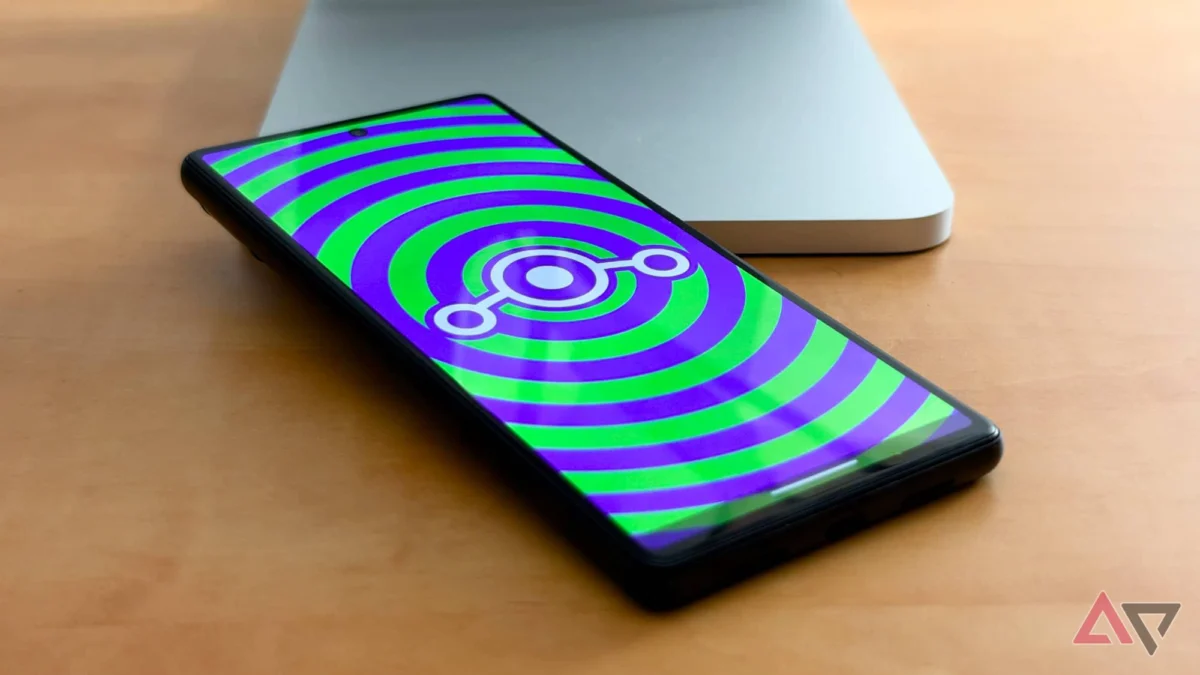
For those unwilling to relegate their device to a drawer, the Android open-source community—specifically the LineageOS project—offers a viable alternative. Flashing a custom ROM like LineageOS 24.0 can grant the Pixel 6 a second life, albeit with a significant shift in the user experience.
The Benefits of a Clean Slate
LineageOS is notoriously lean. By stripping away the "bloat" inherent in the standard Pixel UI—such as the persistent Discover feed, aggressive background telemetry, and unnecessary Google services—the device feels remarkably faster. Users report lower CPU overhead, reduced heat, and improved battery efficiency, as the system is no longer constantly polling for cloud-based sync services.
The Trade-offs and Barriers
This "de-Googling" or "customizing" process is not without its costs.
- Play Integrity: Because custom ROMs require an unlocked bootloader, they often fail "Play Integrity" checks. This means that, by default, Google Wallet will not function for contactless payments.
- Banking and Security: Many banking apps rely on these integrity checks to verify that the device hasn’t been compromised. While some workarounds exist, they are often unstable and subject to being "patched out" by banks at any time.
- DRM Limitations: While the Pixel 6 maintains Widevine L1 certification on LineageOS (allowing for high-definition streaming on some platforms), apps like Netflix are notoriously strict and may throttle video quality to 360p or refuse to launch entirely on an unlocked device.
Official Responses and Corporate Strategy
Google’s policy on device support has evolved significantly since the Pixel 6. Learning from the feedback regarding the 6-series, Google has since moved toward a seven-year support promise for its newer flagships.
Industry experts view the Pixel 6 as a "learning vehicle." It was the prototype for Google’s transition to silicon-led development. The fact that Google supported it for as long as it did—taking it to Android 17—is widely viewed as a "goodwill" gesture to early adopters who helped the company refine the Tensor platform.
Implications for the Secondary Market
The end of support for the Pixel 6 will likely trigger a sharp decline in its resale value. While the hardware remains physically sound, it is now effectively a "tinker-only" device for power users.
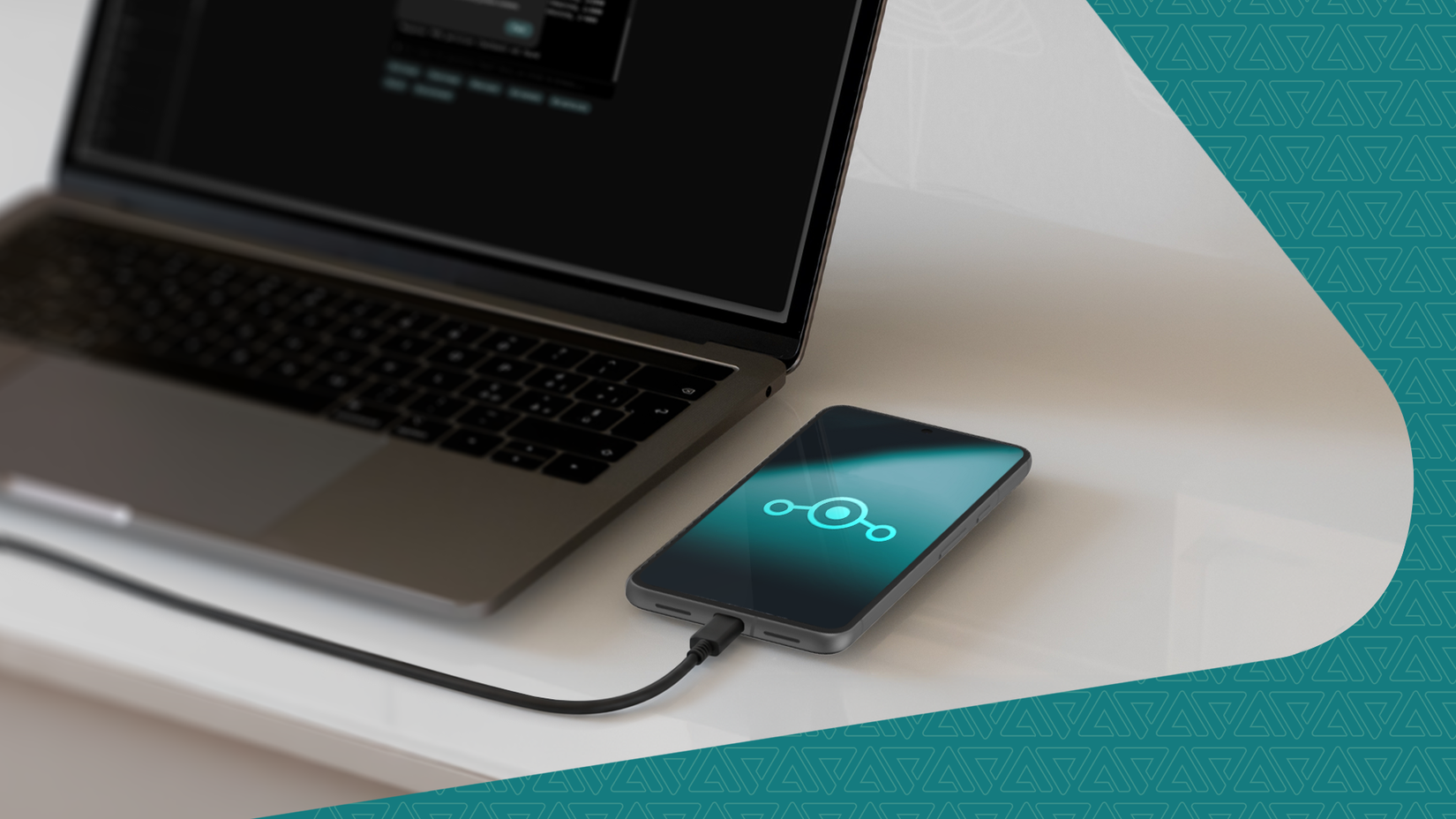
For the average consumer, this is the signal to upgrade. However, for those who value sustainability and want to reduce electronic waste, the ability to flash a custom ROM provides an ethical path forward. By extending the life of a device by another two to three years through LineageOS, a user effectively halves their environmental impact, keeping lithium-ion batteries and rare earth metals out of landfills for a while longer.
Is It Time to Let Go?
Ultimately, the choice comes down to the user’s risk tolerance and technical proficiency.
- The Casual User: If you rely on your phone for mobile payments, high-stakes banking, and consistent, no-fuss reliability, the Pixel 6 has reached the end of its viable service life. The lack of security patches, combined with the loss of Google Wallet, makes it a liability in a modern digital environment.
- The Enthusiast: If you are comfortable with
adbandfastbootcommands, enjoy the minimalist aesthetic of an unbloated OS, and can survive without NFC-based payments, the Pixel 6 remains a delightful piece of hardware. With LineageOS, the device is more performant than it was on the day it launched.
The Pixel 6 defined the modern era of Google hardware. It was imperfect, occasionally temperamental, and ambitious. As it enters the aftermarket as a hobbyist’s tool, its legacy lives on—not just in the code of the Android Open Source Project, but in the lessons Google learned that have since made the Pixel series a true competitor in the premium smartphone market. The hardware may be "frozen in time," but for those willing to roll up their sleeves, the journey is far from over.