





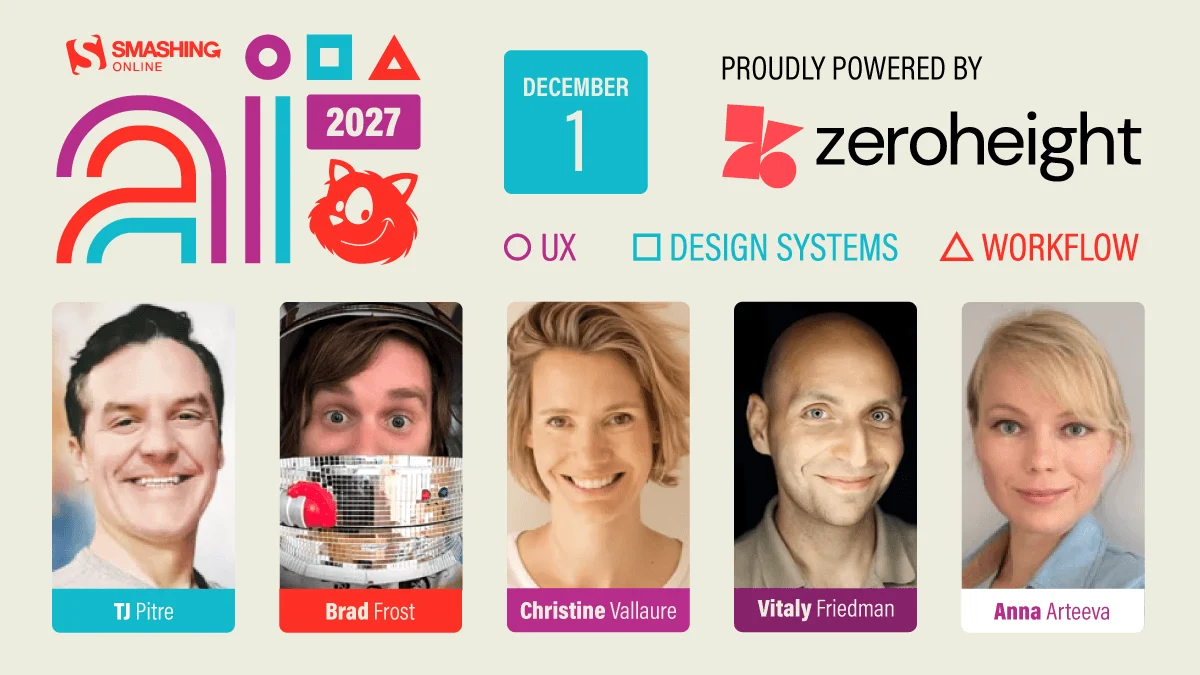
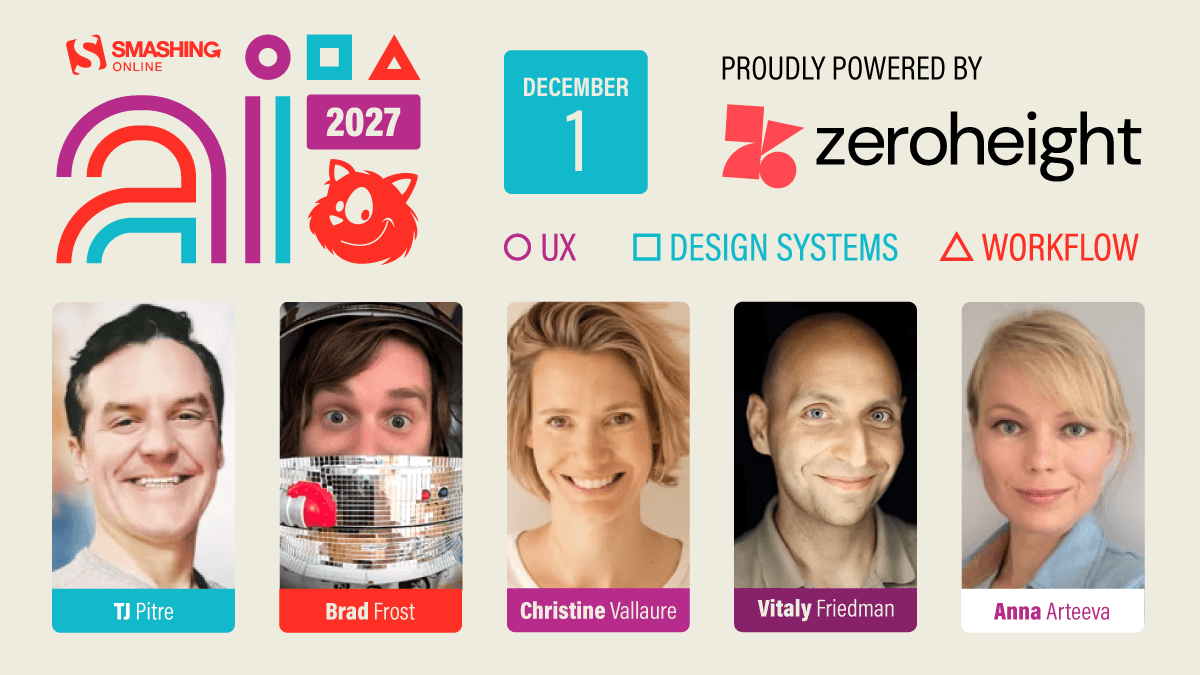
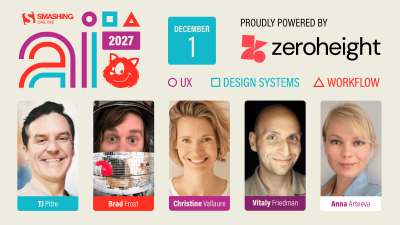
The rapid evolution of Artificial Intelligence has shifted from a novelty to a fundamental component of the digital design and development landscape. As we approach 2027, the industry finds itself at a critical juncture: the initial excitement surrounding generative AI is giving way to a more pragmatic, mature phase of integration. To help professionals navigate this transition, SmashingConf is hosting the AI 2027 Conference on December 1, 2026—a live, online, half-day event designed to cut through the noise and deliver actionable, real-world strategies for UX designers and design system engineers.
The State of the Industry: Moving Toward Maturity
For the past two years, the design community has been flooded with "AI-first" tools and promises of total automation. However, for many teams, the reality has been far more nuanced. While AI has undoubtedly improved efficiency, it has also created new challenges regarding workflow integration, design system consistency, and the maintenance of human-centric UX.
The AI 2027 Conference aims to address this "reality gap." The event is built on a philosophy of "showing, not telling." Organizers have curated a lineup that moves away from high-level, speculative presentations, focusing instead on the nitty-gritty details of how AI is being deployed in production environments today. By sharing specific toolkits, configurations, and common pitfalls, the speakers aim to provide a roadmap for teams currently struggling to harmonize AI with their existing design systems.
Chronology: A Half-Day of Deep Dives
The conference, scheduled for December 1, 2026, is structured as a tightly packed, intensive, half-day session. Recognizing the time constraints of modern professionals, the event is condensed into a high-impact format that respects the audience’s schedule while providing maximum value.
The Schedule at a Glance:
- 08:10 AM – Designing AI Experiences in 2027: An opening look at the evolution of UX patterns in an agentic AI world.
- 08:45 AM – Prototyping AI Functionality: Practical techniques for testing AI-driven features before committing to full development.
- 09:20 AM – The Documentation Crisis: A critical look at why traditional documentation is failing in an AI-powered world.
- 09:40 AM – Design Systems and Figma MCPs: Integrating Model Context Protocol (MCP) to bridge the gap between design tokens and AI reasoning.
- 10:15 AM – Alternative Workflows for AI and Design Systems: Exploring non-traditional methodologies for managing complex design systems with AI assistance.
- 10:50 AM – Real-World AI & Design Systems Workflow: A synthesis of current best practices from the field.
The event concludes with interactive, moderated breakout rooms. This final segment is a cornerstone of the conference, providing attendees with a rare opportunity to pose their specific, project-based questions to industry leaders, ensuring that the conference is as much about community dialogue as it is about content consumption.
Supporting Data: Why This Matters Now
The necessity for this conference is underscored by the shifting requirements of the modern workplace. Industry data suggests that while 80% of design teams are experimenting with AI, only a fraction have successfully integrated these tools into their core design system workflows.
The primary hurdles identified by design leadership include:
- Context Loss: AI models often lack the specific constraints of an organization’s unique design system, leading to inconsistent outputs.
- The Handoff Gap: The traditional "handoff" between designers and developers is being disrupted by AI, yet there is no standardized protocol for how AI should interpret design tokens.
- Documentation Obsolescence: As the pace of design system updates accelerates with AI assistance, traditional documentation platforms are becoming outdated before they are even read.
These data points inform the central theme of the conference: shifting from "AI as a toy" to "AI as an infrastructure component." By focusing on how to make design systems "AI-ready," the speakers intend to bridge the gap between static design assets and dynamic, AI-generated interfaces.
Expert Perspectives and Official Insights
The speaker lineup represents a cross-section of the most influential voices currently working at the intersection of AI, design systems, and engineering.
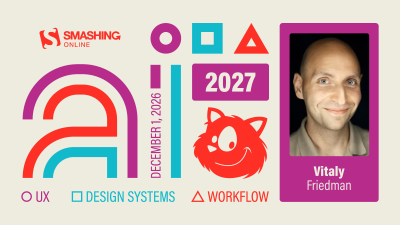
Vitaly Friedman: The Host’s Mission
Vitaly Friedman, the driving force behind SmashingConf, has long been a champion of practical, developer-focused design. Reflecting on the current state of the industry, he noted, "I’ve been running my AI design patterns workshop for a while now—and everywhere I look, it’s the same story: people don’t want more AI hype, they want to actually get better at using it." This sentiment serves as the unofficial motto for the event.
Industry Experts
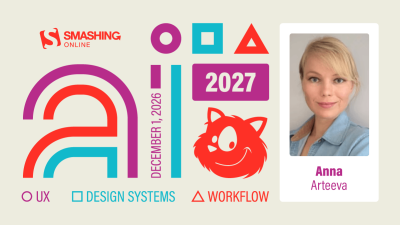
- Anna Arteeva: A product design leader and expert in agentic coding, Arteeva brings a technical perspective that is rare among traditional designers. Her focus on "technical fluency" is intended to help designers transition from passive users of AI to architects of AI-powered workflows.
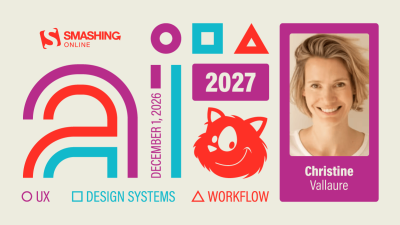
- Christine Vallaure: Known for her work at Moonlearning.io, Vallaure specializes in the intersection of design and code. Her contribution will focus on the practical realities of managing design-to-code workflows, specifically designed for those who want to move beyond the limitations of standard prototyping tools.
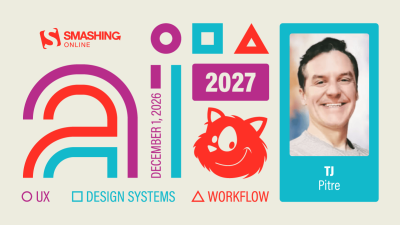
- TJ Pitre: As the Product Architect for AI and Design Systems at Figma, Pitre is uniquely positioned to discuss the future of the industry’s most essential tool. His focus on structured context and modern tooling provides a look at how Figma itself is evolving to meet the demands of AI-driven design.
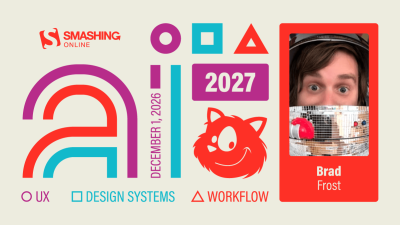
- Brad Frost: The creator of Atomic Design, Frost needs no introduction. His work on AI & Design Systems has been seminal, and he will be sharing his latest research on how AI can facilitate, rather than hinder, the collaborative nature of design systems.
- Luke Murphy (zeroheight): Partnering with the event, zeroheight’s Principal Design Advocate, Luke Murphy, will address a common pain point: the failure of design system documentation. His session will explore what coding agents actually need from our documentation, challenging the audience to rethink how they structure their design systems for machine readability.
The Implications: A New Era for Design Systems
The AI 2027 Conference is not merely an educational event; it is a signal of where the industry is heading. The transition toward "agentic" workflows—where AI is not just a tool for generation, but an active participant in the design process—is the next major shift in our field.
For attendees, the implications are clear: the skills required to survive and thrive in 2027 will be significantly different from those that defined 2024. The conference aims to instill a mindset of "practical fluency." By the end of the session, attendees are expected to walk away with:
- A clearer understanding of how to audit their current design systems for AI readiness.
- Concrete examples of how to implement Model Context Protocol (MCP) in their Figma workflows.
- A roadmap for documentation that serves both human designers and machine agents.
Beyond the Conference
The event is also a call to action for the broader community. By providing a forum where experts openly discuss "what works and what doesn’t," SmashingConf is helping to standardize the chaotic, experimental landscape of current AI practices.
As we look toward 2027, the distinction between a "designer" and a "design system engineer" will continue to blur. The winners in this new era will be those who can harness AI to automate the mundane, allowing for deeper focus on the complex, human-centric problems that AI still cannot solve. The AI 2027 Conference provides the essential toolkit for anyone looking to stay ahead of this curve.
For those interested in participating, early registration is encouraged, as the interactive nature of the breakout sessions limits the total capacity to ensure high-quality, one-on-one engagement. The event is set to start promptly, with doors opening 15 minutes early to allow for timezone synchronization and technical setup. In a year defined by rapid technological change, the AI 2027 Conference stands as a lighthouse for those seeking clarity, utility, and, above all, practical growth in their professional practice.