










By PYMNTS | July 7, 2026
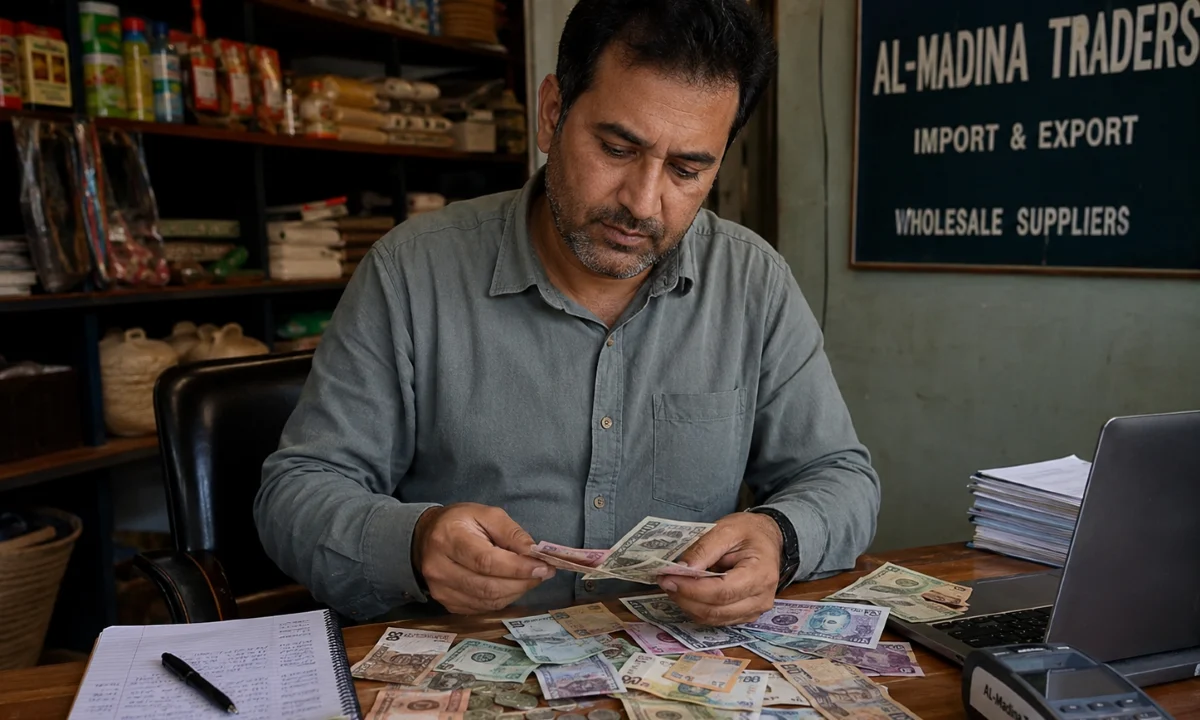
For modern merchants, the map to growth is no longer drawn by physical expansion, logistical hubs, or regional brick-and-mortar footprints. Instead, the most promising path to international scaling runs directly through the digital checkout page. As the global marketplace becomes increasingly interconnected, the divide between domestic success and international stagnation is rarely found in the quality of the product, but rather in the sophistication of the payments architecture.
According to a new PYMNTS Intelligence report, Payments Optimization: Powering Global eCommerce Growth, developed in collaboration with Worldpay, the primary barrier to cross-border expansion is a failure to align payment ecosystems with local consumer expectations. While the demand for international goods is higher than ever, a "one-size-fits-all" checkout experience has become a significant liability for merchants attempting to capture global market share.
The Core Thesis: Convenience as a Currency
The findings suggest that the digital economy has reached a stage of maturity where "friction" is synonymous with "failure." In the early days of eCommerce, shoppers were often willing to navigate complex checkout flows if the product was unique enough. Today, the landscape has shifted. Convenience is no longer a value-added feature or a competitive differentiator—it is a baseline expectation.
The report likens the payment process to an airport terminal: when the path is clear, the flow of commerce remains steady and efficient. When the process becomes clogged with unrecognized payment methods, currency confusion, or security ambiguity, shoppers do not wait for a fix—they simply head to a competitor who understands their preferences.
Chronology of a Shifting Landscape
To understand why payments optimization has become the central pillar of international strategy, one must look at the evolution of the digital consumer over the last decade.
- 2018–2020: The Digitization Surge. As global connectivity increased, merchants rushed to create international websites. However, many failed to localize the checkout experience, assuming that global credit card acceptance was sufficient.
- 2021–2023: The Rise of Payment Diversity. Consumers in emerging markets, particularly in Latin America, Southeast Asia, and parts of Europe, began moving away from traditional credit card models in favor of digital wallets, instant bank transfers, and "Buy Now, Pay Later" (BNPL) schemes. Merchants who ignored these trends saw conversion rates plummet in high-growth regions.
- 2024–2026: The Era of Optimization. The current phase is defined by the technical integration of localized payment stacks. Merchants are now realizing that optimizing the checkout is not just a technical IT exercise—it is the most direct lever for revenue growth. With digital payments projected to account for 79% of all global eCommerce value by 2030, the window to modernize legacy payment infrastructures is closing rapidly.
Supporting Data: The Quantitative Case for Change
The PYMNTS Intelligence research provides a clear, data-driven mandate for merchants to rethink their global strategy. The numbers illustrate a stark reality:
1. The Priority of Convenience
The data indicates that 57% of global shoppers now rank "convenience" as one of their top two priorities when choosing a merchant. This preference outweighs price in many instances, suggesting that even if a merchant offers a lower cost, they will lose the sale if the checkout process is perceived as difficult or untrustworthy.
2. The Currency Conundrum
Trust is the bedrock of international commerce. A significant 49% of cross-border shoppers state that they expect to pay in their local currency. When merchants force shoppers to transact in foreign currencies, they introduce two points of friction: the psychological discomfort of not knowing the final price, and the potential for unfair conversion fees levied by the shopper’s bank.
3. The Digital Default
The shift toward digital payment methods is not merely a trend; it is a permanent transition. By 2030, nearly four-fifths of global eCommerce value will be processed via digital payments. This shift gives merchants a distinct advantage: the ability to deploy data-driven tools to tailor the checkout experience to individual local shoppers.
Strategic Implications: How Merchants Can Pivot
For merchants looking to capture international demand, the report outlines a roadmap for immediate action. Payments optimization is categorized into four primary strategic pillars:
I. Broadening Payment Acceptance
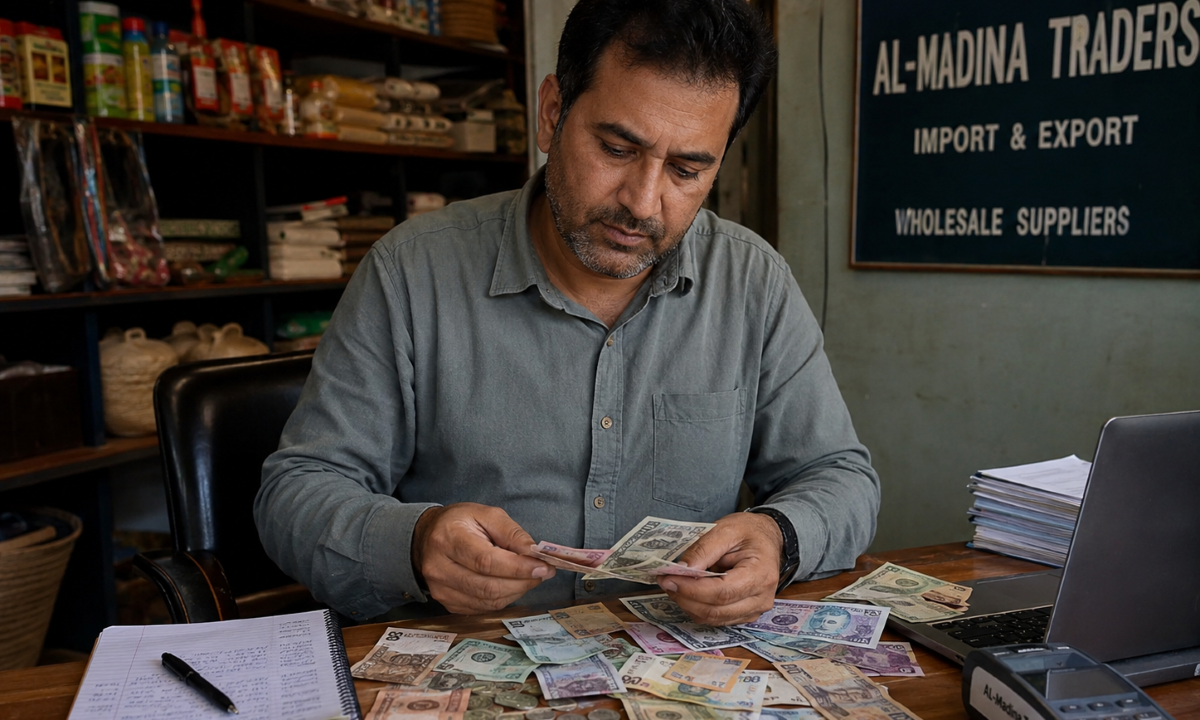
Merchants must move beyond the "major card brands" mindset. Understanding the local preference—whether it is Pix in Brazil, iDEAL in the Netherlands, or various regional e-wallets in Asia—is critical. If a merchant’s checkout page does not display a shopper’s preferred local payment method, the cart abandonment rate inevitably climbs.
II. Localizing the Financial Experience
Beyond just accepting local currency, merchants should aim to present pricing in a way that feels native. This includes transparency regarding taxes, duties, and shipping fees calculated at the point of sale. Unexpected costs at the final step are the leading cause of cart abandonment globally.
III. The One-Click Mandate
In an era of mobile-first shopping, the "one-click" checkout has become the gold standard. By leveraging tokenization and stored payment credentials, merchants can minimize the input required by the user. Every additional field a customer is asked to fill out represents a measurable percentage drop in conversion.
IV. Intelligent Recovery and Retries
Payments fail for a multitude of reasons, ranging from technical timeouts to false-positive fraud flags. Modern optimization tools, such as automated payment retries and advanced recovery software, allow merchants to salvage transactions that would have otherwise been lost. This is not just about increasing revenue; it is about protecting the brand’s reputation and maintaining customer loyalty.
Official Perspective: The Expert Consensus
The research highlights a shift in how C-suite executives view the payments department. Historically relegated to a "back-office" cost center, payments are now viewed as a "front-office" growth driver.
"Payments optimization is the final mile of the eCommerce journey," noted a spokesperson from the PYMNTS Intelligence team. "If you have a brilliant marketing strategy, a world-class product, and a seamless front-end design, but your checkout page is localized for the wrong market or prone to technical friction, you are effectively paying to acquire customers who you are intentionally driving away at the moment of truth."
Worldpay’s collaboration on this report underscores the necessity of a sophisticated infrastructure. As digital payments become the default global language of commerce, the ability to interpret that language—and offer a frictionless experience in it—will separate the industry leaders from those who remain tethered to declining, legacy payment models.
Conclusion: The Path Forward
The future of global eCommerce is not just about reaching more customers; it is about making it easier for those customers to say "yes." The data is unambiguous: consumers are ready and willing to spend across borders, provided the infrastructure supports them.
For the merchants of 2026 and beyond, the message is clear. Payments optimization is no longer a technical luxury; it is a fundamental business strategy. By embracing local payment preferences, investing in currency transparency, and utilizing the latest in automated recovery technology, merchants can transform their checkout pages from a point of friction into a powerful engine for international growth.
The global marketplace is open, but the gatekeeper is the checkout button. Merchants who optimize that gate will find that the world is indeed their customer base.
At PYMNTS Intelligence, we work with businesses to uncover insights that fuel intelligent, data-driven discussions on changing customer expectations, a more connected economy, and the strategic shifts necessary to achieve outcomes. With rigorous research methodologies and an unwavering commitment to objective quality, we offer trusted data to grow your business. As our partner, you’ll have access to our diverse team of PhDs, researchers, data analysts, subject matter veterans, and editorial experts.