











MAUI, Hawaii — For decades, the consumer technology landscape has been anchored by a single, glowing rectangle: the smartphone. From pocket-sized utility to an all-consuming portal for daily life, mobile phones have dictated how humans capture memories, navigate cities, consume media, and connect. Yet, as hardware miniaturization reaches unprecedented milestones, tech giants are increasingly casting their eyes upward, looking for the next paradigm shift.
Enter Snap. During the closing hours of Qualcomm’s annual Snapdragon Summit in Maui, Hawaii, tech journalist Anuj Bhatia spent 30 intensive minutes experiencing the latest iteration of Snap’s augmented reality (AR) hardware: the newly christened "Specs." Carrying a staggering price tag of $2,195 (approximately Rs 2,10,394), these devices are billed by their creators not merely as accessories, but as the vanguard of a post-smartphone era.
As the industry grapples with the transition from flat screens to spatial computing, the question on every technologist’s mind is simple yet profound: Can a pair of chunky glasses genuinely replace the device in your pocket, or are we witnessing another expensive false dawn for consumer augmented reality?
1. Main Facts: What Are Snap’s "Specs"?
Snap’s new Specs represent a significant departure from the prevailing crop of smart glasses dominating today’s market. Unlike the widely popular Meta Ray-Ban glasses—which function primarily as audio-enabled cameras without true visual displays—Specs are fully standalone, see-through augmented reality devices.
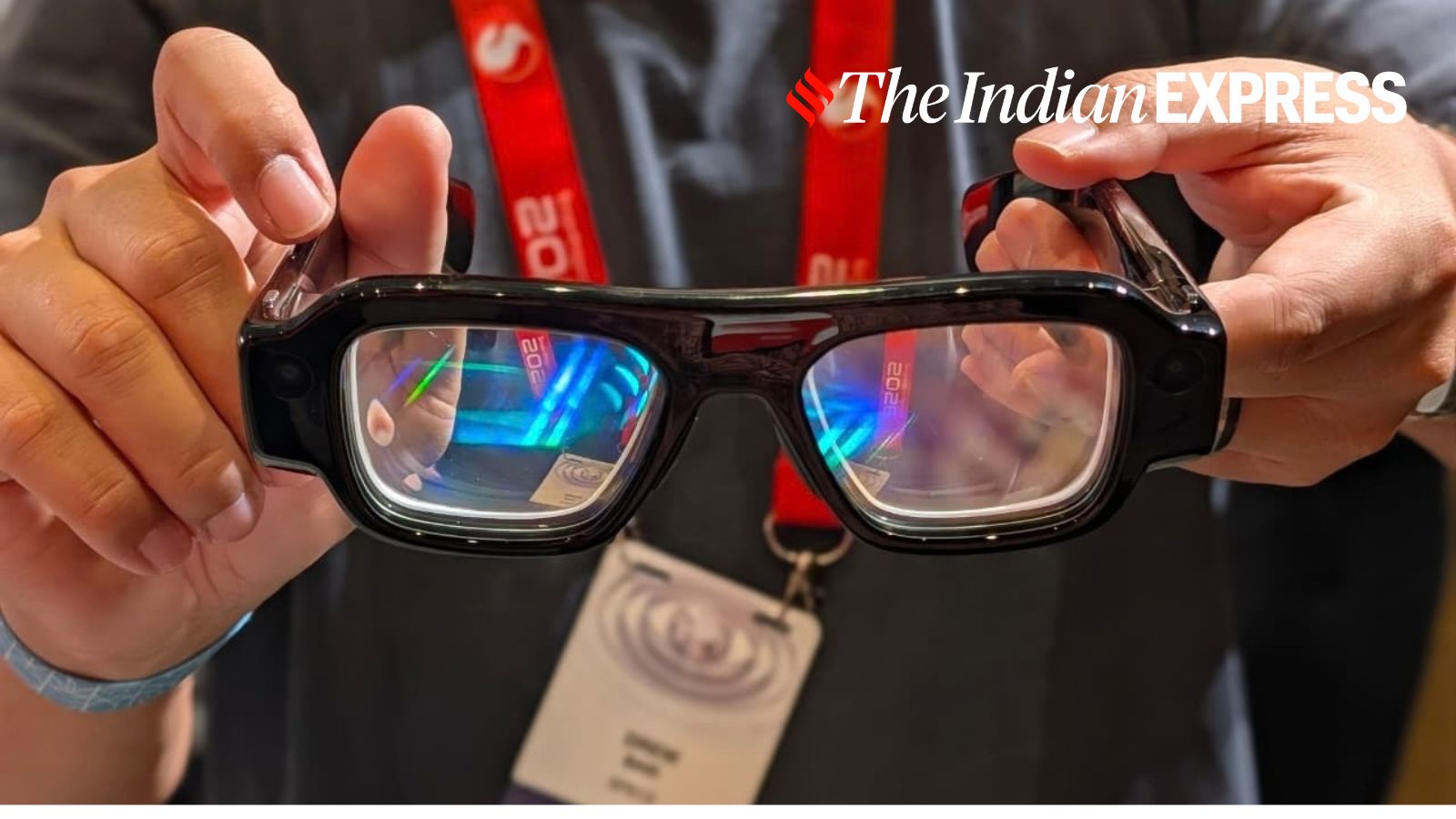
Key structural and technical realities of Snap’s latest offering include:
- Complete Independence: Specs require no tethering to an external smartphone, nor do they rely on clunky pocket-sized compute pucks or hand controllers. All processing, battery power, and optical engineering are housed directly within the frame.
- Form Factor and Sizing: Available in two distinct sizes—a narrow 47mm frame and a wide 52mm frame—the device maxes out at a remarkably light 136 grams, distributing weight evenly to prioritize extended wearability.
- Optical Architecture: Powered by a proprietary see-through waveguide display system, the glasses overlay digital content directly into the user’s physical field of view.
- Input and Interaction: Discarding physical controllers, the device relies on advanced computer vision, utilizing real-time hand tracking and intuitive pinch gestures (bringing the index finger and thumb together) alongside voice command capabilities.
- Commercial Availability: Unlike early-stage developer kits or elusive vaporware prototypes, Specs are a commercially realized consumer product currently available for pre-order.
2. Chronology: The Journey to Maui
The path to standalone consumer augmented reality has been long, fraught with technical bottlenecks and humbling failures for Silicon Valley.
- The Early Iterations: Snap’s journey began years ago with its initial, camera-only "Spectacles." These early versions were marketed as novelty items for recording first-person video for social media, completely devoid of spatial computing or visual displays.
- Iterative Hardware Refinement: Over successive generations, Snap quietly poured billions of dollars into research and development, attempting to solve the monumental physics problem of cramming a display, thermal management system, battery, and powerful mobile processor into a frame thin enough to rest comfortably on a human face.
- The Snapdragon Summit Reveal: The culmination of these efforts was showcased at the Snapdragon Summit in Maui, where media representatives were given closed-door demonstration windows to test the limits of Snap’s standalone spatial computer in real-world conditions.
- Current Status: With pre-orders now live, Snap has crossed the Rubicon from conceptual research to consumer accountability, inviting early adopters to judge whether the hardware can live up to its ambitious market positioning.
3. Supporting Data and Hands-On Observations
Evaluating a device as ambitious as Specs requires looking past corporate marketing gloss and examining its real-world performance metrics, ergonomic footprint, and optical limitations.
Ergonomics and Aesthetics: The Chunky Compromise
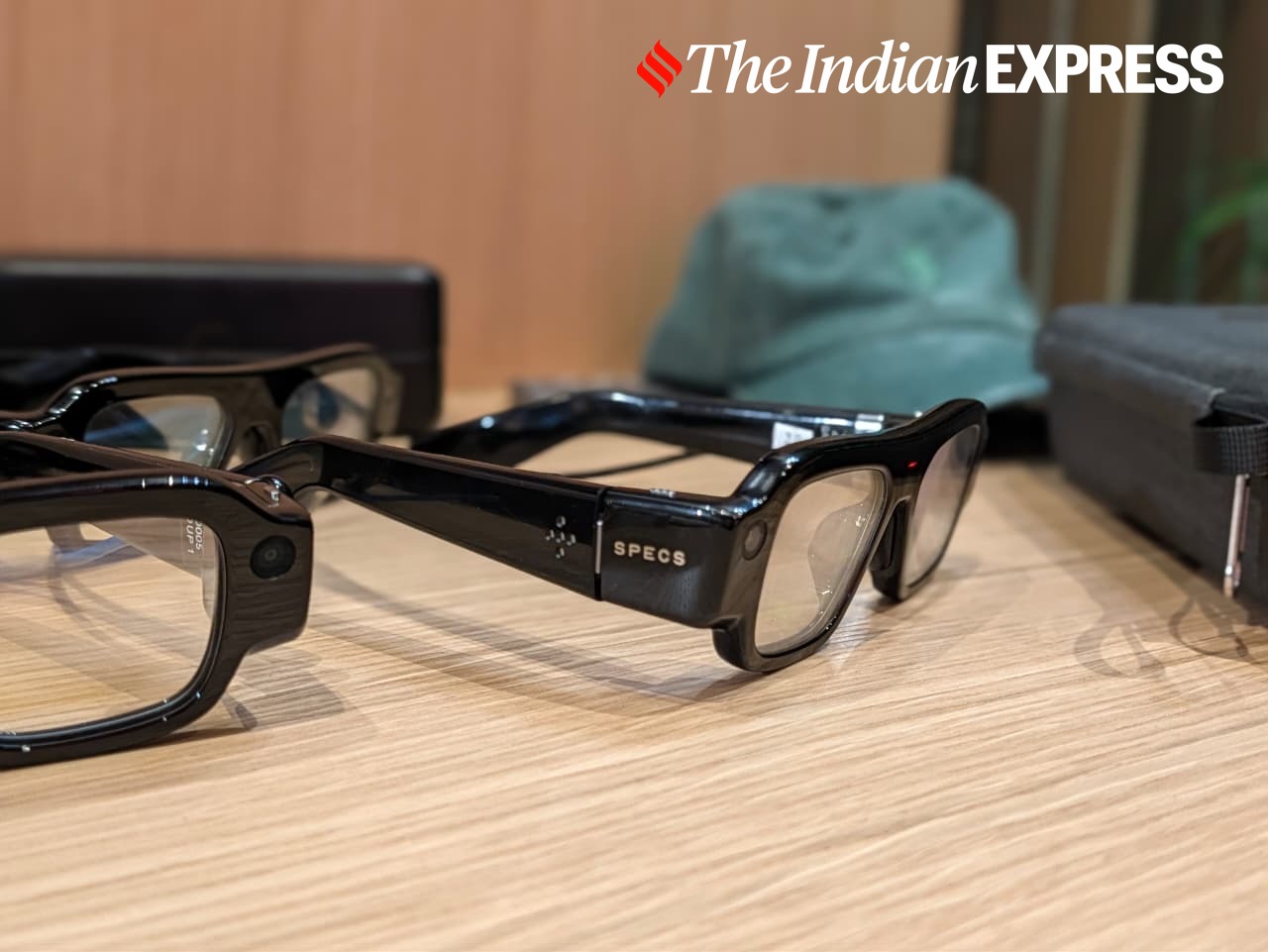
To fit a processor, batteries, communication hardware, speakers, and waveguide optics into a wearable device, compromises must be made. Consequently, Specs are unapologetically chunky.
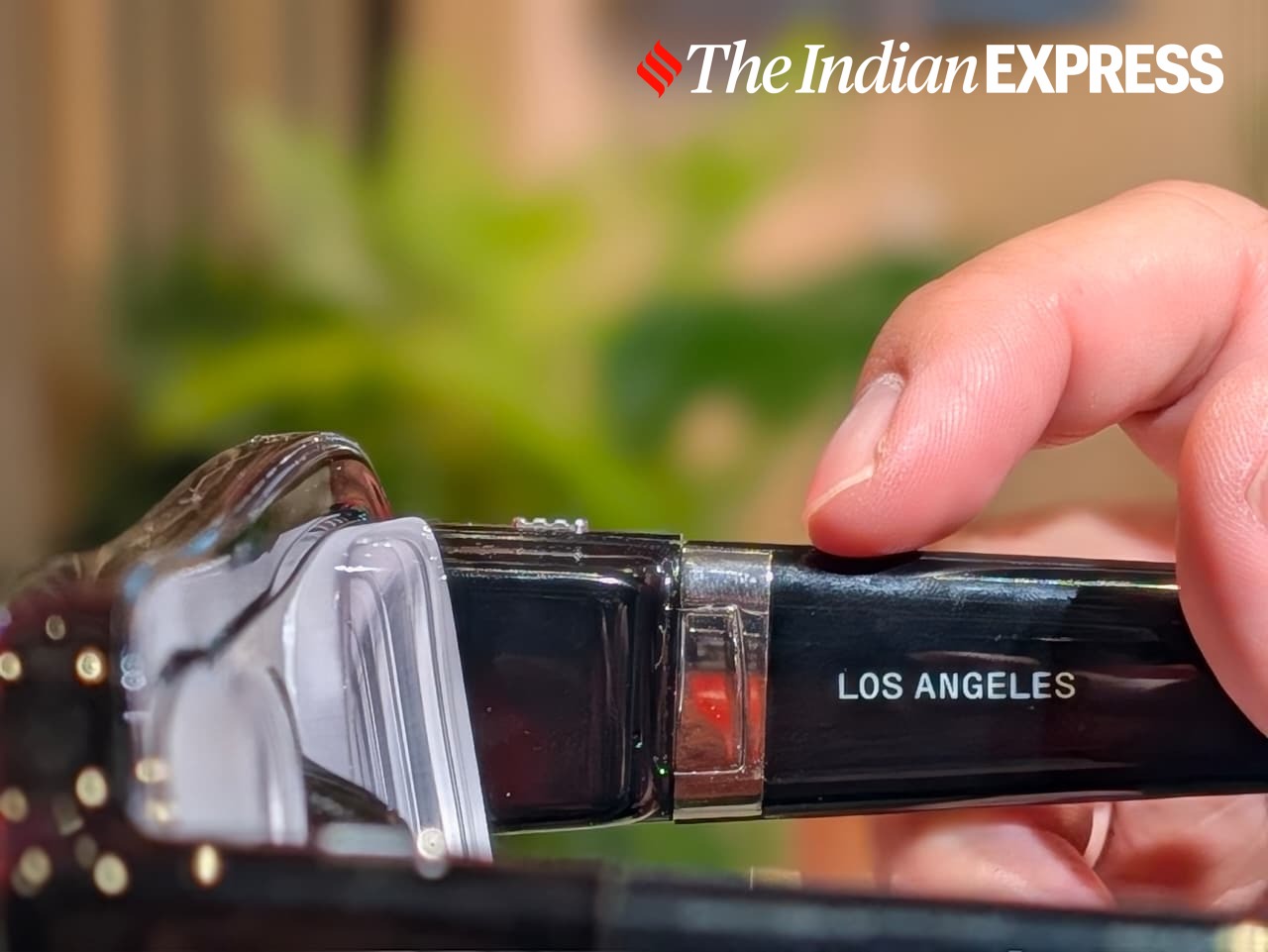
Compared to the sleek, unassuming lines of Meta’s Ray-Ban collaboration, Snap’s temples are noticeably thick. For users accustomed to delicate titanium frames or minimalist aviators, the aesthetic adjustment is stark. However, they evoke comparisons to oversized luxury designer eyewear from houses like Gucci or Louis Vuitton.
Crucially, despite the visual bulk, the engineering team achieved a balanced weight distribution. Capped at 136 grams across its narrow and wide variants, the device sits comfortably on the face, avoiding the front-heavy fatigue associated with virtual reality headsets.
Display Quality and Field of View (FOV)
The optical heart of Specs is its see-through waveguide display. While the physical world remains visible through the lenses, the clarity falls slightly short of pristine, traditional spectacles.
- Resolution Realities: Content viewed on the virtual screen lacks the crisp, uniform pixel density of a modern 4K smartphone or high-end VR headset, registering visually closer to standard HD (720p).
- The Field of View Bottleneck: Specs feature a 51-degree vertical-leaning field of view, comparable to legacy enterprise devices like the Microsoft HoloLens 2. While promotional marketing materials often showcase expansive, immersive vistas, the actual window experienced by the user is far more constrained. It cannot match the expansive 100-degree FOV found in devices like Apple’s Vision Pro or Meta’s high-end virtual reality gear.
Interface and Computer Vision Wizardry
Where Specs genuinely excel is in their user experience and environmental awareness. Utilizing a sophisticated array of RGB cameras, infrared sensors, and Qualcomm chipsets, the glasses interpret the physical surroundings in real time.
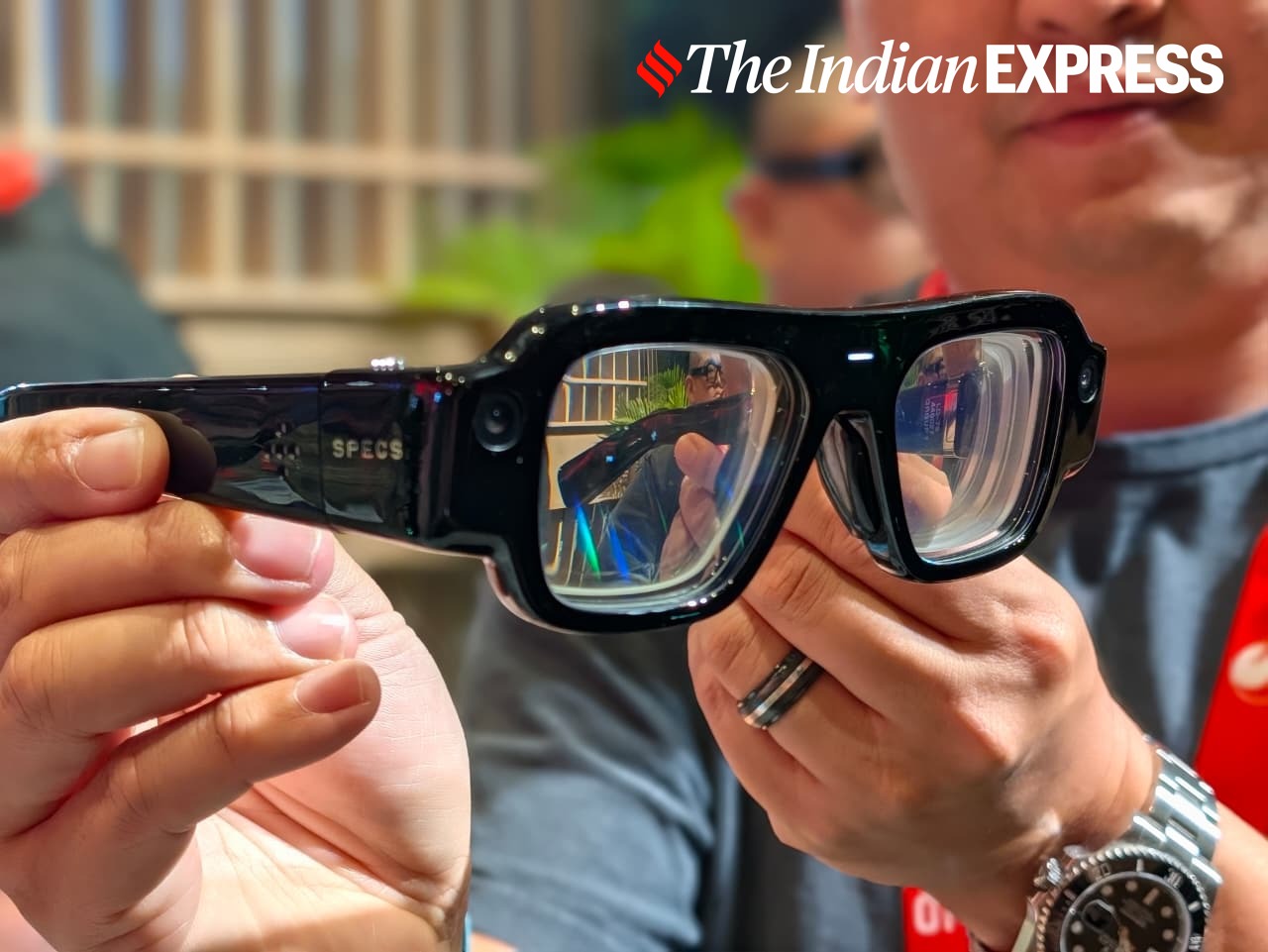
Hand tracking proved remarkably robust, performing reliably even in dynamic, low-light environments populated by foot traffic. By raising a palm, a localized menu interface projects directly onto the user’s hand, allowing for effortless navigation via simple pinch-and-tap gestures. Applications—referred to as "Lenses"—load swiftly, offering everything from localized navigation and YouTube viewing to branded interactive experiences like a magical Harry Potter demo.
4. Official Responses and Industry Perspectives
Snap’s executive leadership and product representatives have maintained a bullish stance regarding the trajectory of the technology. Internally, early evangelists at the company argue that the transition from pocket-bound displays to facial computing is already underway, with some staff reportedly utilizing Specs as everyday computer replacements.
Industry analysts, however, remain cautiously pragmatic. While acknowledging the engineering marvel of packing a standalone spatial computer into a 136-gram frame without external cables or pocket pucks, experts note a stark discrepancy between corporate ambition and consumer readiness.
Third-party observers have openly questioned the viability of replacing a multi-functional smartphone with a device whose battery life struggles to clear the three-to-four-hour mark and whose display fidelity cannot yet support rigorous professional productivity workflows.
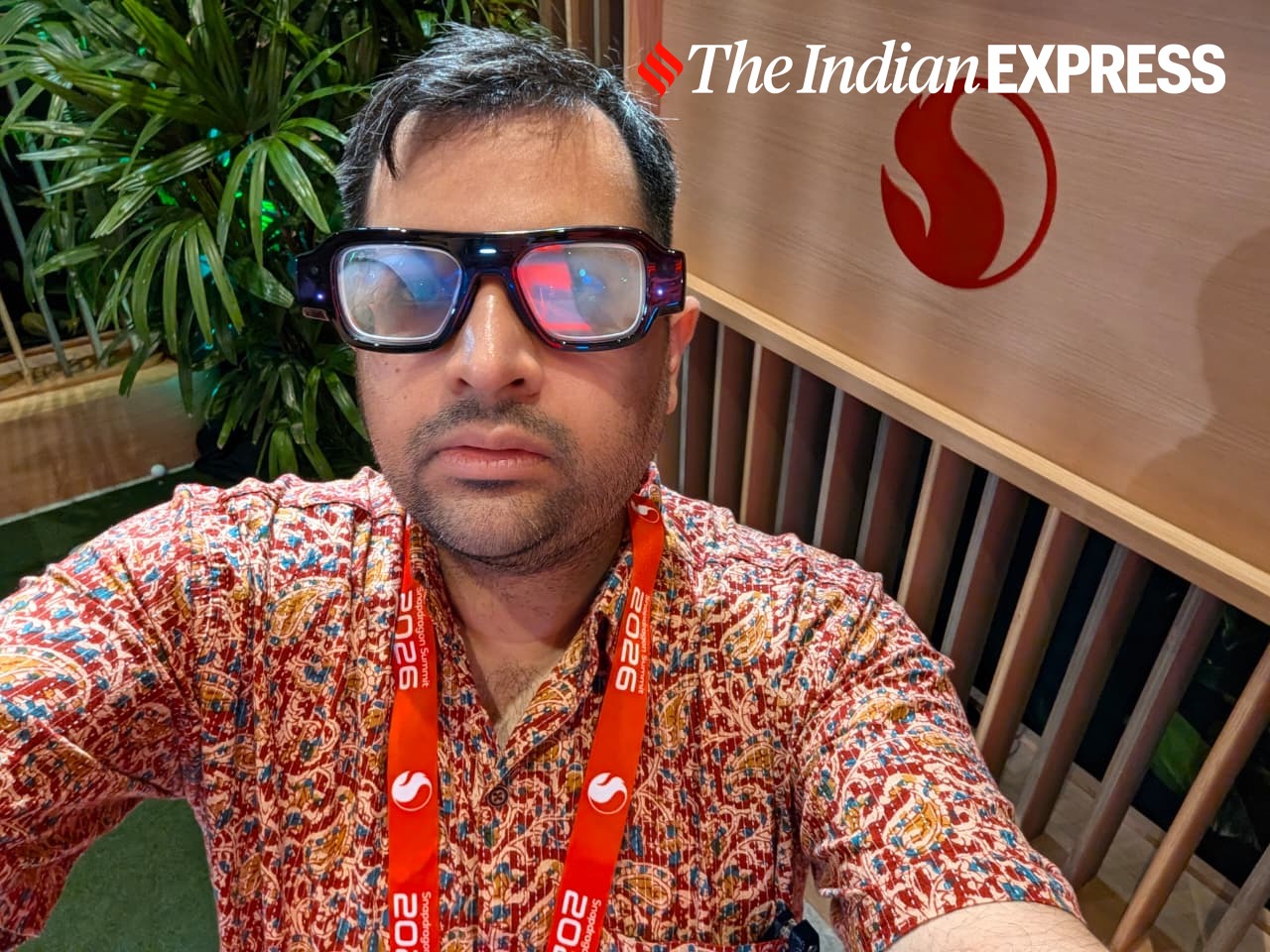
5. Implications: Can AR Glasses Really Replace the Smartphone?
The introduction of Snap’s Specs forces a critical reckoning over the future of human-computer interaction. Several major implications emerge from this early release:
The Content Paradox
For any new hardware category to dethrone the smartphone, it must offer utility that makes returning to older devices obsolete. While navigation, contextual computer vision, and hands-free media consumption are fascinating additions, they do not yet solve problems that current smartphones fail to address. Consumers are unlikely to abandon mature, reliable pocket computers for a pair of expensive glasses unless entirely novel interaction paradigms emerge.
Social and Economic Barriers
At $2,195 (approx. Rs 2,10,394), Specs is positioned firmly as an enthusiast’s luxury or an early-adopter gamble rather than a mass-market utility. Furthermore, the social friction of wearing bold, thick-framed computing hardware in public spaces remains a persistent hurdle. Society has largely normalized looking down at a glass screen; normalizing walking down the street with heavily fortified electronic temples will require a much softer aesthetic revolution.
The Long Road Ahead
Snap has achieved a monumental milestone by creating one of the very first independent, un-tethered augmented reality glasses available to pre-order. Yet, the technology underlying spatial computing remains stubbornly difficult to crack.
As hardware developers continue to battle the conflicting demands of battery density, thermal dissipation, optical clarity, and sleek industrial design, Snap’s Specs serve as a fascinating milestone. They prove that the future of computing is destined to sit directly on our faces—even if that future is still waiting for its defining breakthrough.



