
In an era of globalized digital noise, a quiet revolution is taking place in the inbox. Readers are increasingly suffering from "scrolling fatigue," turning away from endless feeds of national headlines in search of information that actually impacts their daily lives: the opening of a new park, the agenda of a city council meeting, or the hidden gem of a restaurant around the corner.
Starting a local newsletter is no longer just a hobby; it is a viable path for modern publishers to build a loyal audience, foster civic engagement, and establish a sustainable media business. By focusing on the "hyper-local," you aren’t just sending emails—you are becoming the connective tissue of your community.
The Core Mandate: Why Local Matters
At its heart, a community newsletter is an exercise in empathy. As the saying goes, "You are what you eat," but in the digital age, you are also defined by where you live. Your neighborhood is a living organism, and a well-curated newsletter acts as its nervous system.

The primary goal is to bridge the gap between being a resident and being a neighbor. This involves moving beyond superficial observations and providing value that residents cannot find in generic social media groups or national news outlets. Whether it’s spotlighting local business owners or unpacking complex municipal zoning laws, the mission is simple: to make your town feel smaller, more accessible, and more connected.
A Strategic Chronology for Launching Your Publication
Building a successful newsletter is not a sprint; it is a deliberate, multi-phased project that requires consistency and patience.
Phase 1: Immersion and Groundwork
Before writing your first issue, you must establish credibility. You cannot lead a community you aren’t participating in. Spend the first 30 days engaging in active community building. Volunteer at local food banks, attend school board meetings, and walk the streets you plan to cover. This is your "research and development" phase, where you learn what topics are under-reported and what questions your neighbors are asking.

Phase 2: Defining the Editorial Voice
Once you have identified a need, define your niche. Are you the "go-to" for weekend events? The investigative voice for local politics? The curator of local culture? Your editorial strategy should be consistent. Readers should know exactly what they are getting when your email hits their inbox.
Phase 3: The MVP (Minimum Viable Publication)
Start with a pilot. Don’t worry about thousands of subscribers immediately. Aim for 50–100 initial readers—friends, local business owners, and active community members. Use a platform like Ghost to manage your subscription list and design a clean, readable layout. Feedback at this stage is your most valuable asset.
Phase 4: Monetization and Scaling
Once you have established a consistent open rate and a reliable publishing cadence, introduce revenue streams. This is where the business aspect takes over. Shift from a hobbyist model to a sustainable one by incorporating local sponsorships, premium paid subscriptions for deep-dive reporting, and event partnerships.

Supporting Data: The Power of Niche Audiences
Industry analysis consistently shows that while national media struggles with ad-revenue decline, local, niche-focused publications are seeing a resurgence in reader loyalty.
According to recent trends in digital publishing, local newsletters often boast open rates significantly higher than the industry average—frequently ranging from 45% to 60%. This is because the content is utilitarian. When a newsletter provides a calendar of events for the weekend, it becomes a "must-read" utility rather than a "nice-to-have" distraction.
Furthermore, local businesses are increasingly shifting their advertising budgets away from broad social media algorithms, which often result in "spray and pray" marketing, toward hyper-local newsletters. Local business owners know that a $500 sponsorship in a neighborhood newsletter reaches 2,000 people who live within a five-mile radius, providing a far higher return on investment than a national ad campaign.
Lessons from the Field: How to Get Involved
The path to becoming a local authority is paved with active participation. As Carolyne Cole of the Jackson Association of Neighborhoods suggests, the following six pillars are essential for any local publisher:
- Volunteerism as Research: Working at an animal shelter or food bank provides a direct line to the heart of your community’s values.
- Public Maintenance: Participating in neighborhood cleanups gives you the opportunity to network with civic-minded neighbors.
- Civic Literacy: Attending government meetings is the most effective way to source original, high-impact content that no one else is reporting on.
- Philanthropy: If you lack time, donate. Promoting local endowments or disaster relief efforts builds trust between you and your readers.
- Event Orchestration: Host a block party or a local concert. Being the facilitator of fun establishes you as a leader in your community.
- Board Membership: Joining a local board (library, park, or school) gives you a seat at the table. You will learn the "why" behind local decisions, which allows you to write with deeper authority.
Implications: The Shift Toward Curated Communities
The rise of the local newsletter has profound implications for the future of journalism and community health.
Rebuilding Civic Trust
We are living in a crisis of trust. By keeping reporting local and holding local leaders accountable, newsletter publishers help rebuild the democratic foundation of their towns. When people understand their local government, they are more likely to participate in it.

Combating Social Isolation
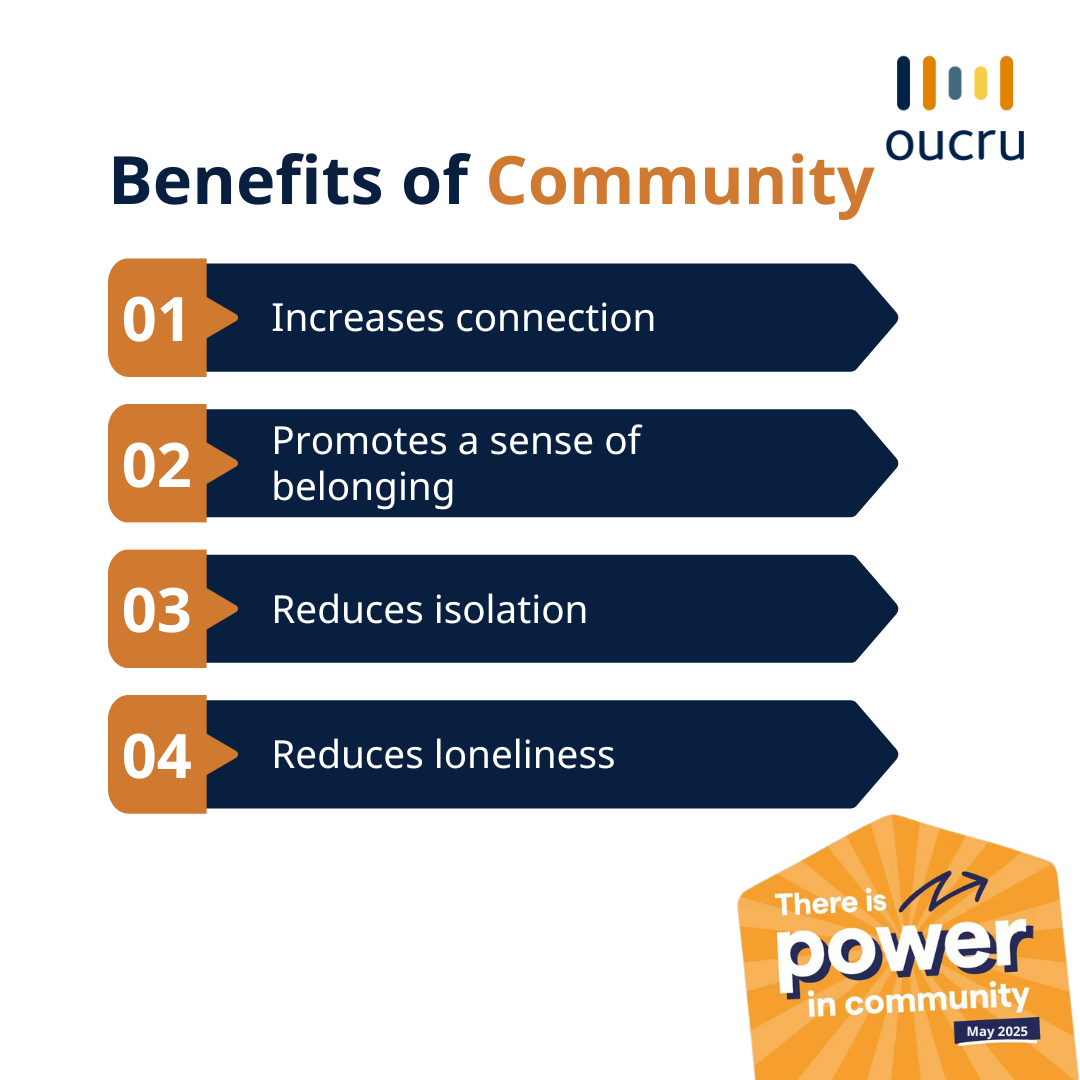
Digital platforms often exacerbate loneliness by creating echo chambers. A local newsletter, by contrast, encourages people to get off their screens and into the physical world. By promoting events, markets, and gatherings, you are effectively pushing people toward real-world connection.
Economic Sustainability
The "creator economy" has historically been dominated by influencers with global reach. However, there is a quiet, lucrative trend emerging where creators focus on geographic clusters. A publisher with 3,000 highly engaged, local subscribers is often more profitable and stable than a creator with 100,000 passive, global followers.
Final Thoughts: The Path Forward
To make your local newsletter truly "sticky," focus on the "VIP effect." Ensure your readers feel they have access to information that the general public doesn’t. Whether it’s early access to tickets for a local theater production or a "first look" at a new restaurant menu, the goal is to make your subscribers feel like the best-informed residents in town.

As you embark on this journey, remember that design and consistency are your greatest allies. Keep your layout clean, avoid clutter, and always provide clear value in every issue. Monitor what your audience clicks on, solicit feedback through polls or direct replies, and don’t be afraid to pivot when necessary.
If you are ready to take the leap, start today. Reach out to three local business owners, attend one local event, and draft your first "Hi, Neighbor" introduction. Your community is waiting for a voice—why shouldn’t it be yours?
By investing in the place you call home, you aren’t just building a newsletter; you are building a legacy. The strength of your community is in your hands, and in the digital age, that strength starts with the very first email you send.