








In the digital age, the "starving artist" trope has evolved into something far more frustrating: the "invisible artist." You’ve written a melody so infectious it sticks in the subconscious, or perhaps you’ve crafted a lyrical narrative that resonates with thousands. You upload it, share it, and watch the streaming numbers tick upward. Then, the inevitable happens: the trend fades, the TikTok audio cycle moves on, and while millions have heard your sound, they cannot recall your name.
For modern musicians, this is the ultimate professional nightmare. In an era where discovery is fragmented across a dozen platforms, simply creating "good music" is no longer enough. To build a sustainable, long-term career, you must bridge the gap between a casual stream and a dedicated fanbase. This is where Search Engine Optimization (SEO) enters the fray. Far from being a dry, technical buzzword, SEO is the vital infrastructure that ensures when a listener searches for the artist behind the song, they find you—not a void or a competing artist.
The State of the Industry: The Paradox of Choice
To understand why SEO has become the bedrock of music marketing, one must look at the sheer volume of output. A year ago, brand consultant Ava Rose Lynch noted that over 100,000 songs are uploaded to Spotify every single day. This statistic is often cited to induce panic, but the reality is more nuanced: the problem isn’t a lack of listeners; it is a lack of pathways to the artist.
When a listener discovers a track on a social media algorithm, their journey rarely ends there. They move to search engines to learn about the artist, find tour dates, hunt for lyrics, or discover the story behind the project. If your online presence is fragmented—or worse, non-existent—that curiosity dies the moment they hit the search bar.
What Is SEO for Musicians?
At its core, SEO is the art and science of ensuring your digital footprint is visible when users search for relevant topics. For a musician, this includes your name, your song titles, your lyrics, your upcoming tour schedule, and the genre-specific niches you occupy.
It is a misconception that SEO replaces Spotify, YouTube, or Apple Music. On the contrary, SEO complements them. While streaming platforms are your delivery mechanism, your website is your headquarters. It is the only space you own, where you control the narrative, the conversion, and the data. Whether a fan wants to buy a limited-edition vinyl, book your band for a corporate event, or sign up for your newsletter, your website acts as the final destination for the discovery journey.
The Mechanics of Discovery: A Chronological Strategy
Building an effective SEO strategy isn’t about gaming an algorithm; it’s about providing clear, structured information. Here is the chronological framework for an artist’s digital growth:
1. The Foundation: Establishing Your Hub
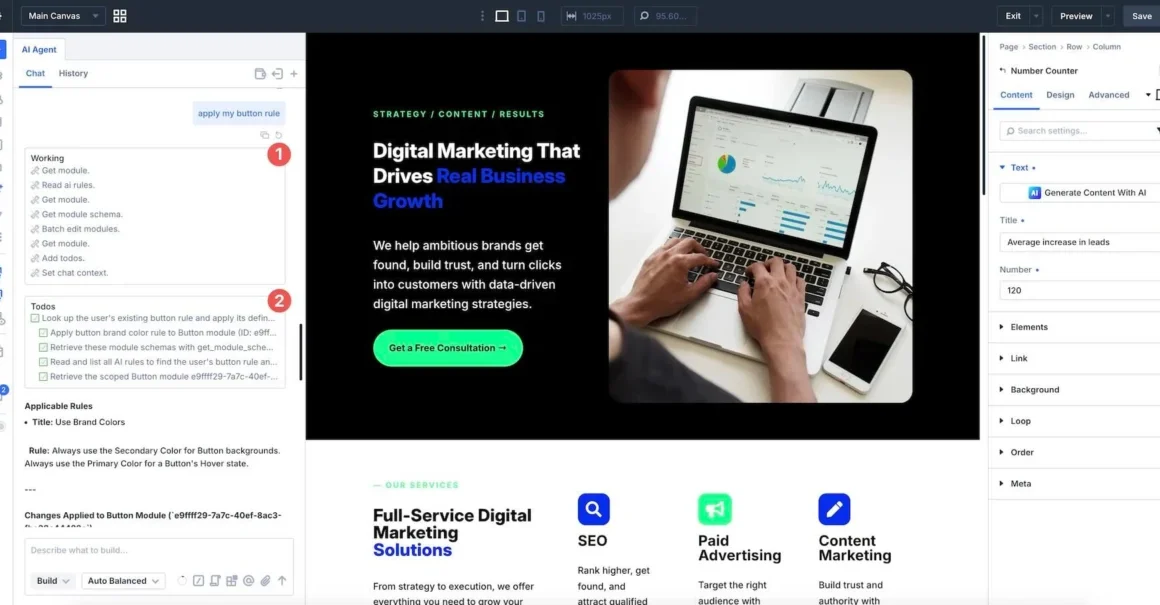
Before you chase streams, you must own your "digital real estate." A professional website serves as the central node for your career. It should be the first result when someone searches for your artist name. If your online presence is a scattered mess of social media links, you are losing potential revenue and long-term engagement. Utilize tools like AI-driven website builders to launch a professional site that houses your biography, discography, and high-resolution press materials.
2. The Release Cycle: Treating Every Song as a Destination
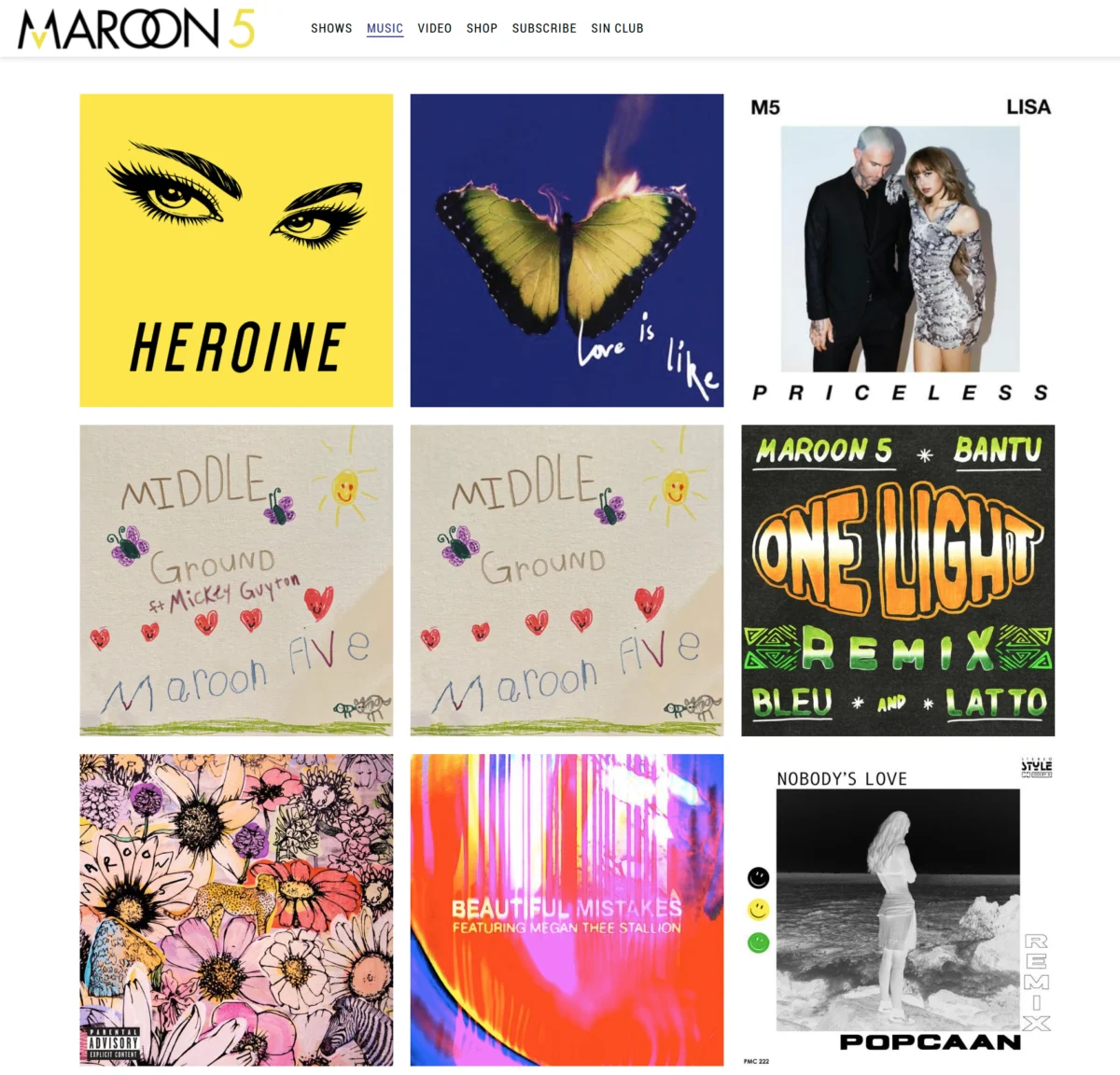
Many artists upload a single and treat it as a fleeting moment in time. Instead, every release should have a dedicated page on your website. This page should house:
- Contextual Storytelling: The inspiration behind the track.
- Lyric Pages: A goldmine for search traffic, as fans frequently search for specific lines of a song.
- Embedded Media: High-quality videos and streaming links.
- Metadata: Using structured data to help search engines categorize the song as a "musical release."
3. Content Repurposing: The Long-Tail Strategy
Social media posts have a shelf life of hours; a well-optimized blog post on your website can generate traffic for years. By writing about your creative process, your experiences on the road, or deep-dives into your gear, you capture the "long-tail" searches—queries from people looking for specific insights that only you can provide.
Supporting Data: Why Visibility Equals Sustainability
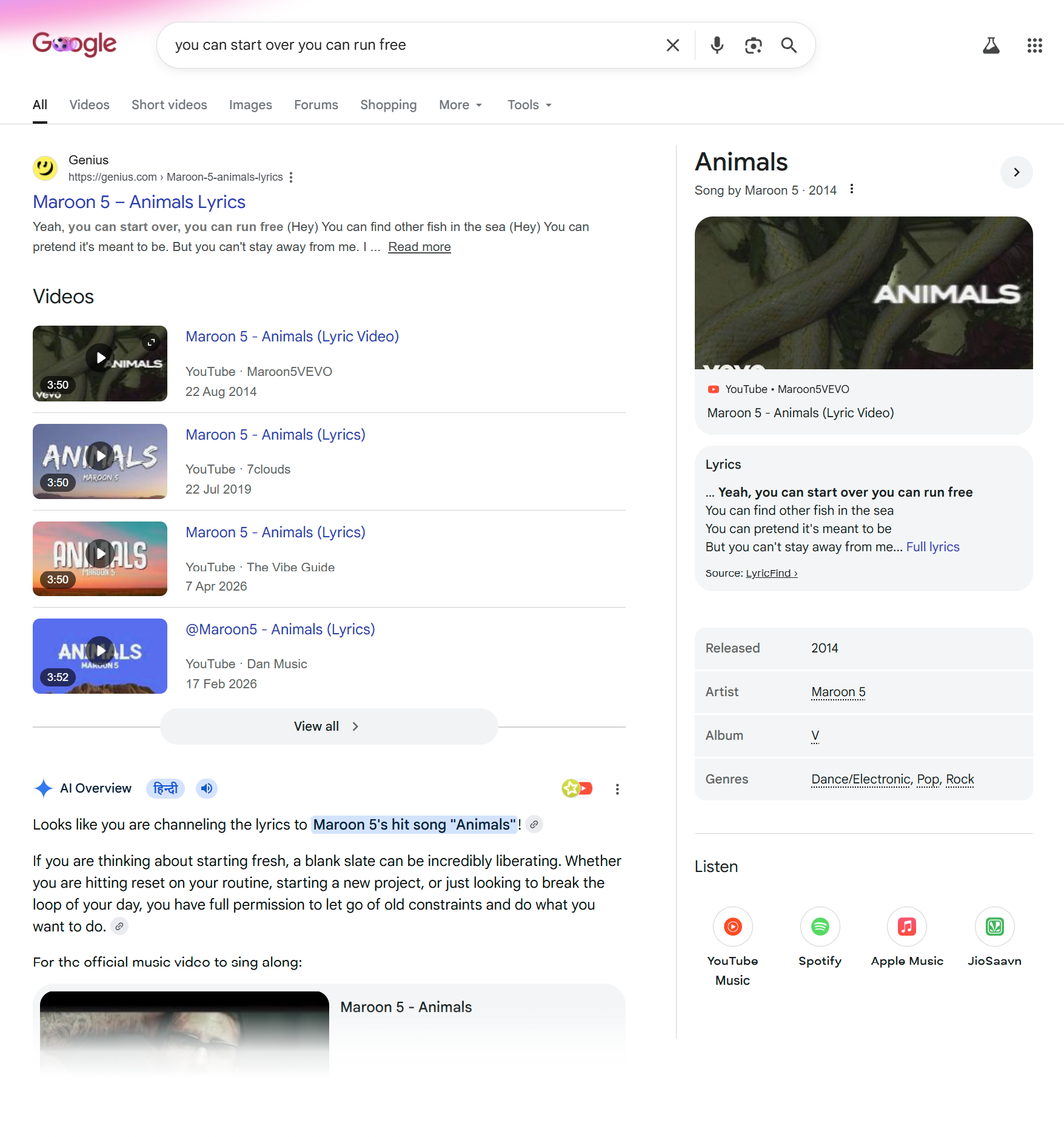
The shift toward AI-powered search (such as Google’s AI Overviews and ChatGPT) has made authority more important than ever. AI models prioritize information from trusted, established sources. When you consistently publish high-quality content on your own domain, you build "domain authority."
Consider the difference in conversion: a user who finds you via a random TikTok video might forget you in an hour. A user who finds your website through a Google search—having actively looked for your lyrics or tour dates—is demonstrating intent. Intent is the precursor to loyalty, and loyalty is the foundation of a sustainable music business.
Expert Perspectives: Lessons from the Field
We spoke with several industry professionals who have integrated SEO into their creative workflows, and the consensus is clear: SEO is not an optional "add-on."
John Bowman, host of On Air with Johnny B, notes that SEO is fundamentally about storytelling. "It’s about helping the right people find the right story at the right time," he says. Bowman emphasizes that SEO transformed his digital strategy from a game of guesswork into a manageable, data-driven process.
Anthony Pell, a guitar educator and author, warns against the "latest release" mentality. "Every piece of content—a lesson, a performance, a song—can continue bringing people to your website if you provide context," Pell explains. By using SEO to structure his educational library, he ensures that his work remains discoverable for students long after the initial publication.
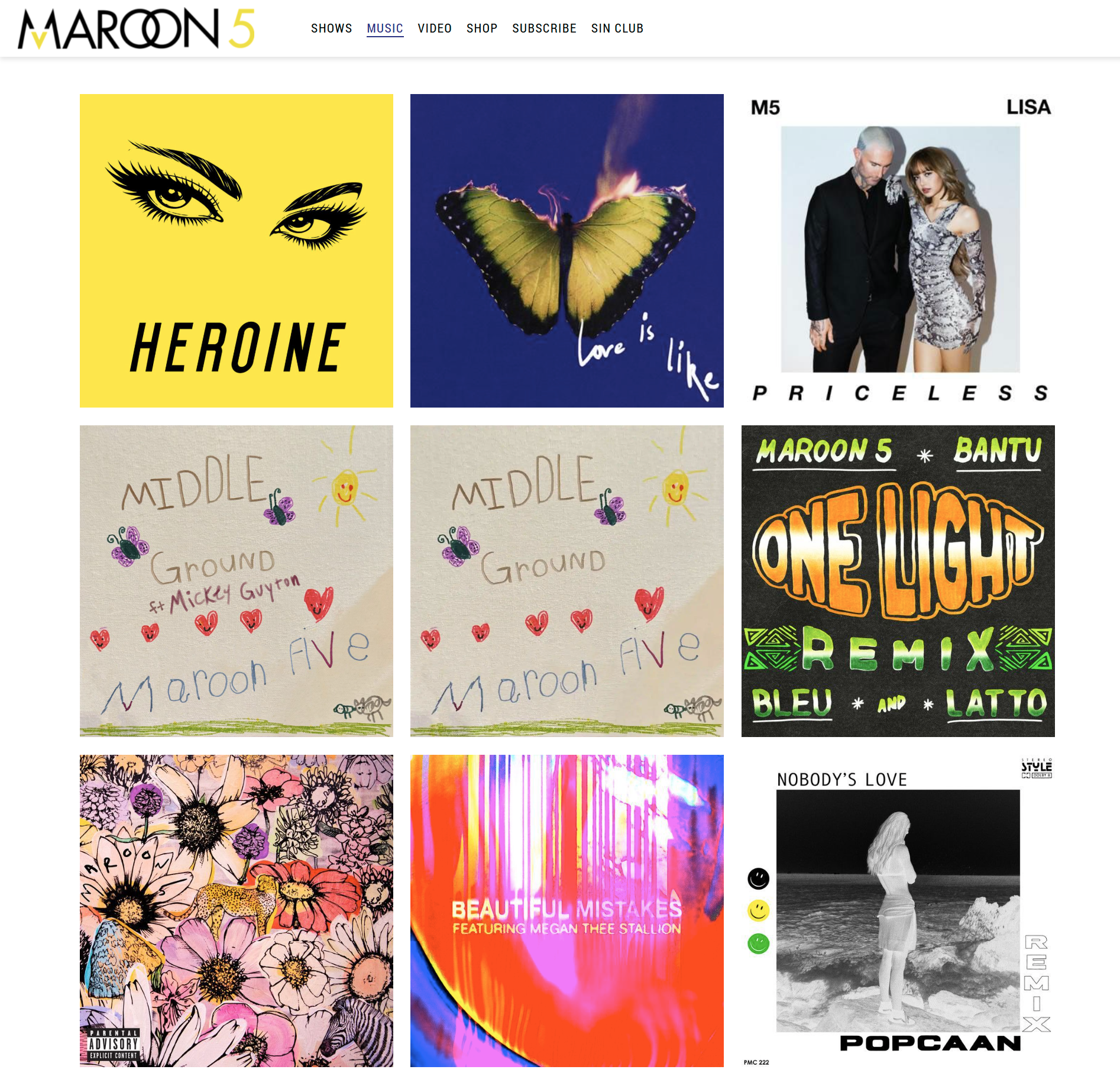
Ben Stringer, founder of SAM Music Service, highlights the business utility of SEO. For him, a website that is optimized for search is a 24/7 sales representative. "Your website should work for you even when you’re offline," Stringer says. By focusing on local SEO—targeting terms like "music education in [City Name]"—he has successfully automated his lead generation.
Implications: The Future of the "Artist-Fan" Relationship
The landscape of the music industry is shifting toward a model where direct-to-fan relationships are the only safeguard against volatile algorithms. The implications for artists are profound:
- Reduced Platform Dependency: By owning your SEO, you are less vulnerable to the sudden changes in social media feed algorithms.
- Increased Revenue: A website that is easy to navigate and optimized for sales (merch, tickets, lessons) creates a direct revenue stream that doesn’t take a percentage cut like major streaming platforms.
- Future-Proofing: As search becomes more conversational through AI, having clear, structured, and accurate information on your own domain will make you the primary source of truth for your own brand.
Conclusion: Great Music Deserves to Be Found
There is a pervasive myth in the music industry that "the music will speak for itself." While that may be true in an artistic sense, it is functionally false in a digital one. Without the proper SEO framework, even the most profound musical genius can remain buried under the noise of 100,000 daily uploads.
SEO is not about changing your sound to fit a trend; it is about ensuring that the sound you have created is accessible to the people who are searching for it. It is about taking control of your narrative, building a destination for your fans, and ensuring that your career is built on a foundation that lasts longer than a fifteen-second video clip.
Great music is a gift to the world, but it is a gift that requires a map to be discovered. By mastering the fundamentals of search, you ensure that when the world comes looking for the next great sound, they find you.