










The developer ecosystem experienced a seismic shift this July, marked by a wave of specialized tooling designed to optimize software development life cycles, automate code reviews, and streamline infrastructure management. Unlike previous years where tooling heavily favored incremental updates to traditional IDEs, the July 2026 release cycle was dominated by AI agent orchestration platforms, lightweight local-first runtimes, and novel compilation targets.
This report provides an in-depth analysis of the most significant tools released this month, examining their core architectures, target use cases, and broader implications for software engineering teams, independent developers, and digital designers.
Main Facts: The July 2026 Developer Landscape
The July 2026 release cycle targeted several persistent bottlenecks in software engineering: AI agent verbosity, local stack management, and cross-platform authentication.
Among the standout releases are elephc, a static PHP compiler that strips away the traditional Zend Engine to output native assembly binaries; Open Design, an open-source alternative to proprietary AI design engines; and Cloudflare Agentic Inbox, a serverless, self-hosted mail client powered by Cloudflare Workers and Durable Objects.
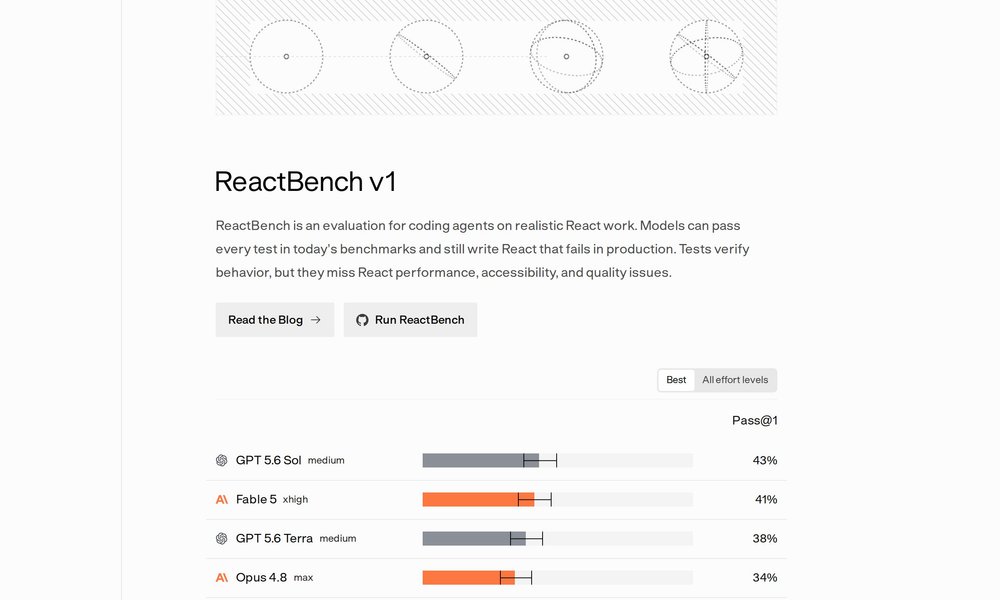
Furthermore, the industry saw an emergence of rigorous benchmarking tools like ReactBench, which shifts the paradigm of AI evaluation from basic unit-test pass rates to holistic frontend engineering metrics, assessing real-world accessibility, responsiveness, and aesthetic quality.
Chronology of Releases: A Month in Review
The release cycle unfolded rapidly across the month, categorized into distinct technological thrusts:
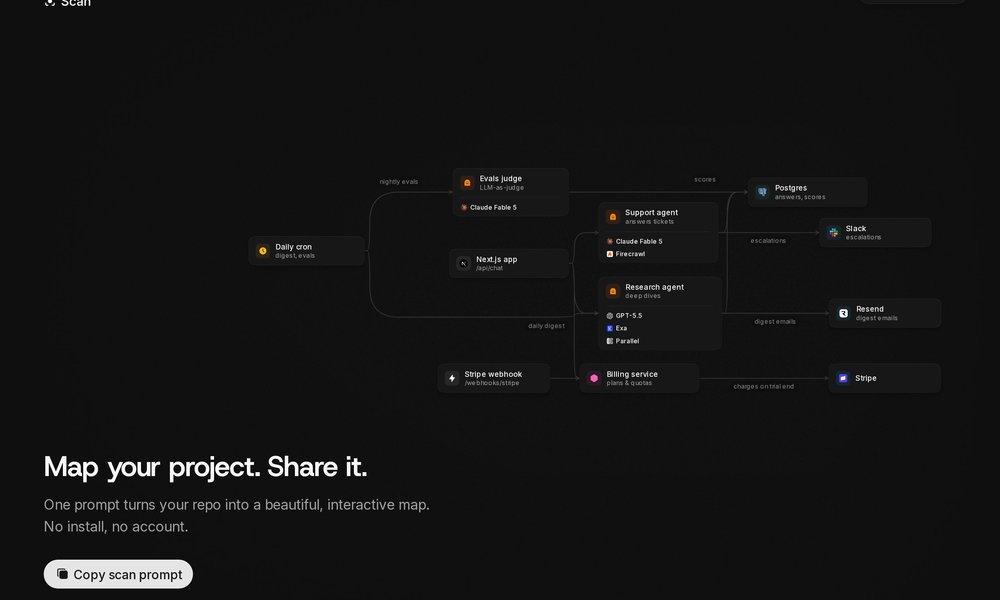
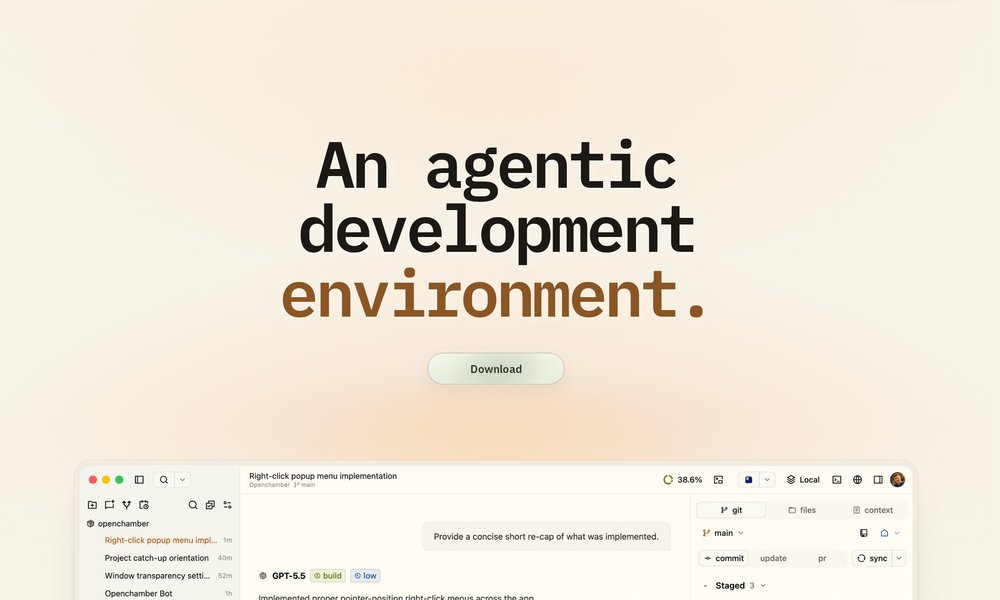
- Early July (AI & Agent Evaluation): The month kicked off with a focus on agentic workflows. Platforms like ReactBench and Foglamp Scan launched to evaluate and visualize how AI models interact with codebases. Concurrently, OpenChamber introduced multi-window agent orchestration, while ponytail provided a ruleset to curb AI code verbosity.
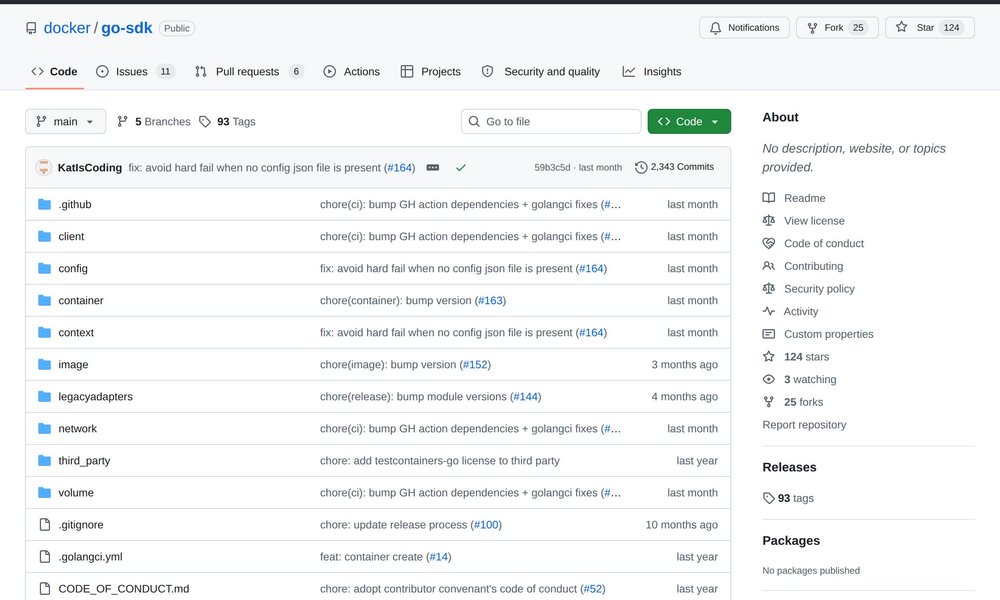
- Mid-July (Infrastructure & Compilation): Developers witnessed major breakthroughs in infrastructure utility. elephc made waves by compiling PHP to native assembly, bypassing interpreters entirely. At the same time, tools like Yerd for local PHP stacks, VoidAuth for self-hosted single sign-on (SSO), and Docker Go SDK streamlined backend deployments.
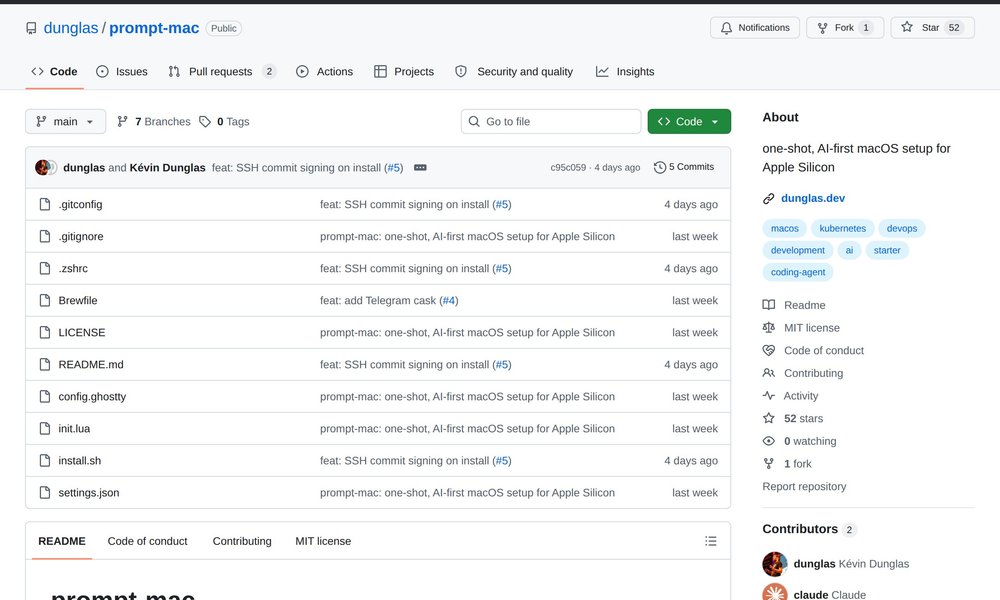
- Late July (Client Apps & Productivity): The final stretch of the month focused on developer ergonomics and local-first GUIs. TablePro arrived as a native database client for Apple hardware, Contained introduced a SwiftUI-based graphical interface for Apple’s Container CLI, and utility scripts like prompt-mac simplified the initialization of new development environments.
Supporting Data & Deep Dives into Key Tools
To understand the practical application of July’s releases, we can categorize the tools into four core domains: AI & Agentic Workflows, Compilation & Runtimes, Infrastructure & Security, and Developer Utilities.
1. AI & Agentic Workflows
The maturation of AI coding assistants has necessitated specialized tools to manage, audit, and constrain their output.
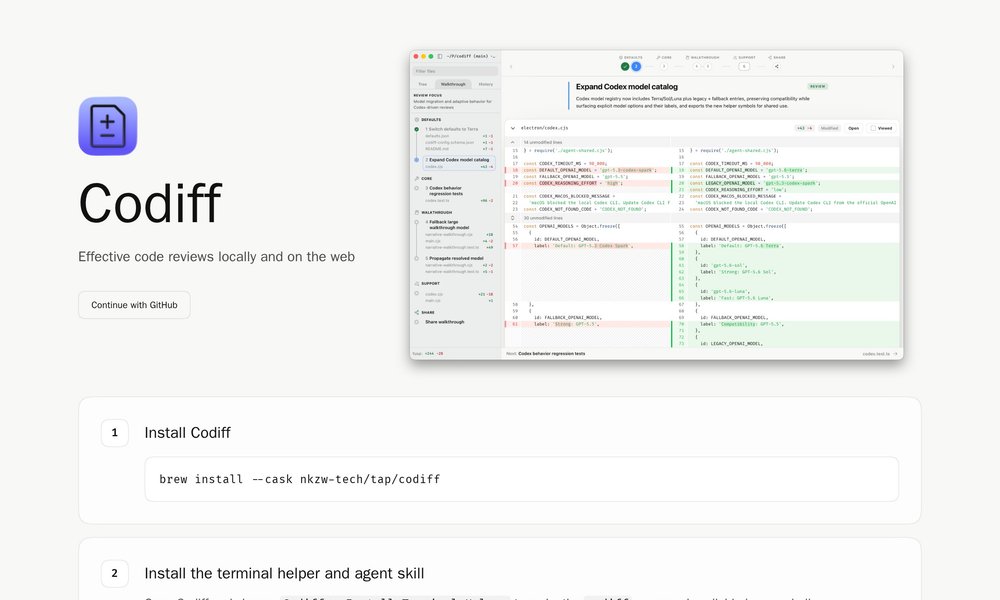
- Codiff: A minimal, high-speed diff viewer designed for Git workflows outside traditional editors. It integrates Large Language Model (LLM) walkthroughs of code modifications, allows inline comments compatible with GitHub and GitLab, and exports reviews into structured Markdown.
- ReactBench: Created by the team behind React Doctor, ReactBench evaluates coding agents specifically on real-world React tasks. Rather than grading models solely on unit test success, it ranks them based on performance, accessibility standards, and code quality.
- Foglamp Scan: A zero-setup utility that prompts coding agents to analyze project layouts and generate shareable, visual architectural maps without requiring user accounts or local installations.
- OpenChamber: An open-source, multi-platform (macOS, Windows, browser) agentic environment. It supports parallel multi-model execution via its Agent Manager, secure remote tunneling, and parallel window workflows.
- Open Design: Positioned as an open-source alternative to Claude Design, this Apache-2.0 licensed engine operates locally. It interfaces with 21 different coding agents and 151 design systems, allowing developers to render user interfaces directly into HTML, PDF, PPTX, or MP4 formats.
- ponytail: A lightweight configuration ruleset designed to curb AI verbosity. Empirical benchmarks show that implementing ponytail reduces generated code volume by up to 54% without introducing safety vulnerabilities or degrading output logic.
2. Compilation, Runtimes, and Environments
July brought unexpected leaps in performance and compilation efficiency, particularly for languages traditionally reliant on heavy runtimes.
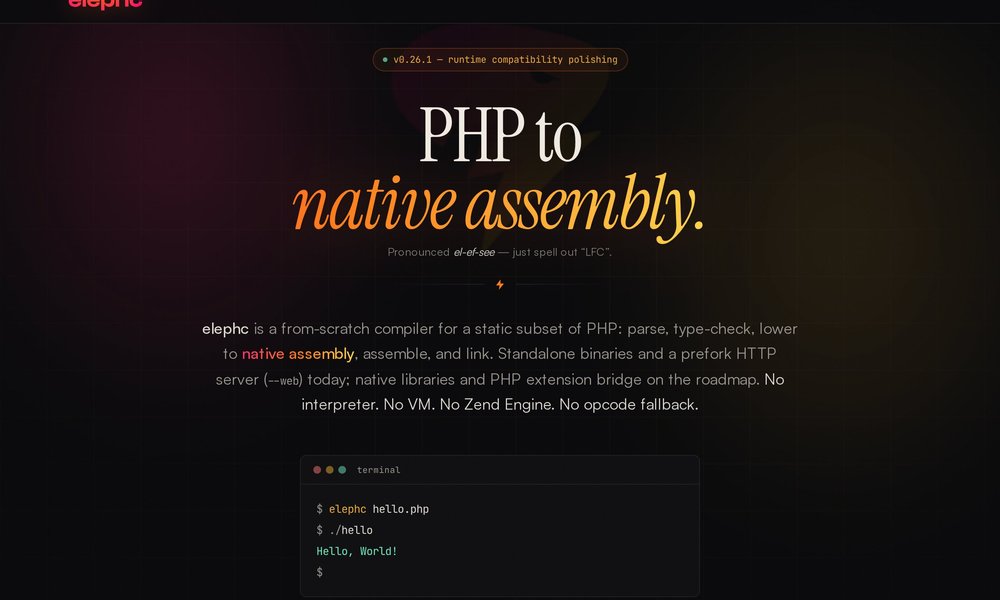
- elephc: This static compiler targets a strict subset of PHP, compiling code directly into native assembly binaries without utilizing an interpreter, virtual machine, or the Zend Engine. Featuring over 400 built-in functions, 21 data types, and robust test suites, it empowers developers to ship PHP applications as self-contained binaries complete with a prefork HTTP server.
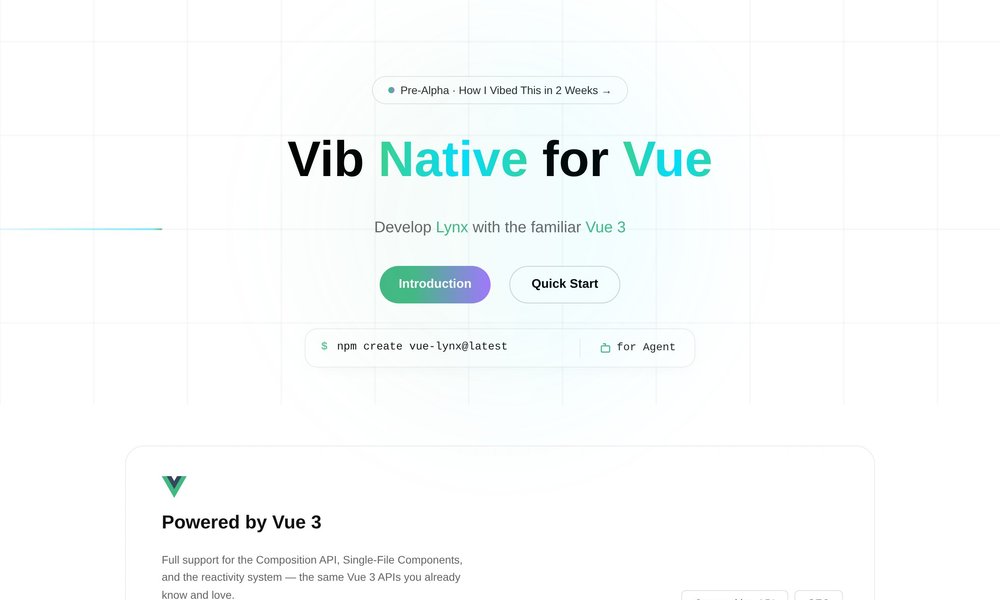
- Vue Lynx: Bridging web and native mobile ecosystems, Vue Lynx integrates Vue 3 into ByteDance’s Lynx runtime. It brings Composition API paradigms, Single-File Components, and fine-grained reactivity to native mobile app development via dual-threaded performance architectures.
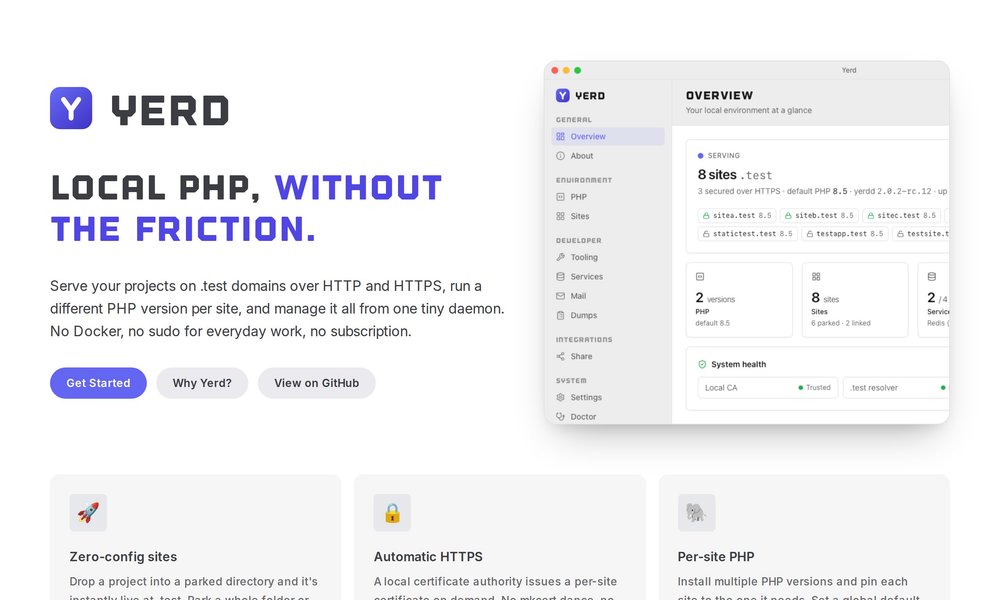
- Yerd: A lightweight alternative to Laravel Herd, Yerd is an 8 MB daemon built for macOS and Linux. It manages local PHP environments, arbitrary PHP versions, automatic HTTPS
.testdomains, and database engines (MySQL, MariaDB, PostgreSQL, Redis) completely bypassing Docker or Electron overhead.
3. Infrastructure, Security, and Cloud
Managing self-hosted services and cloud resources received significant quality-of-life upgrades this month.
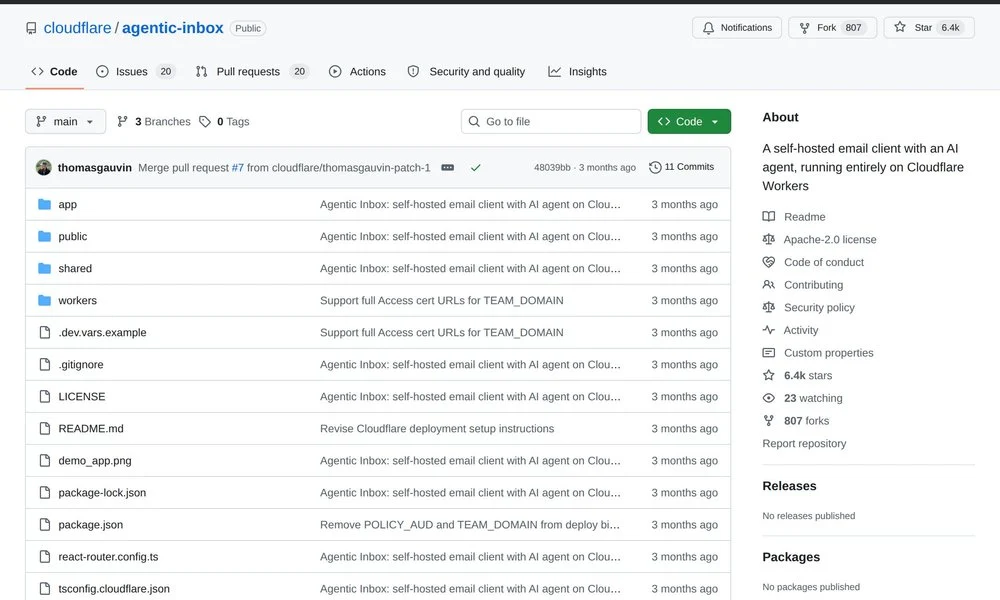
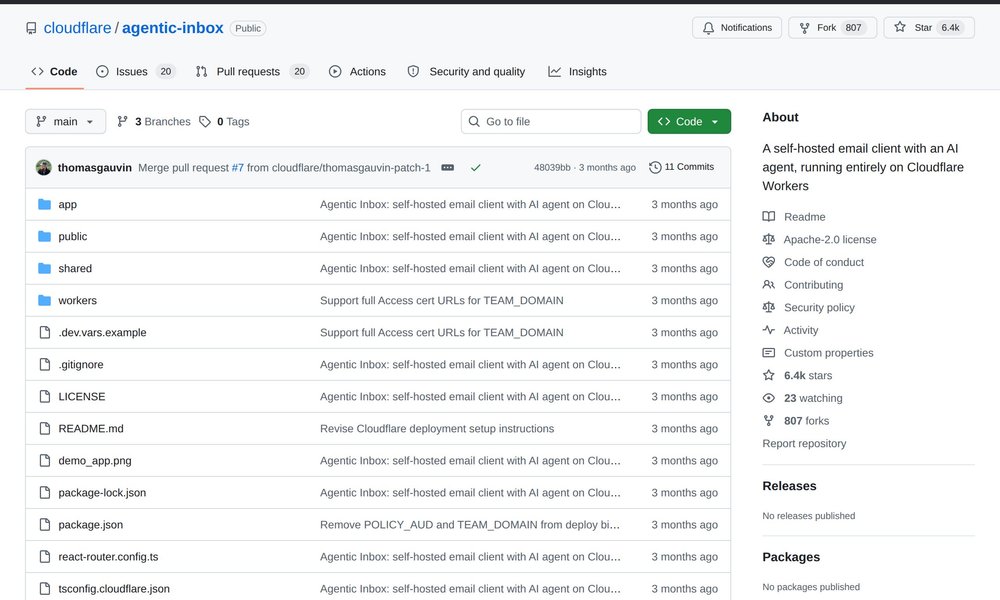
- Cloudflare Agentic Inbox: A serverless, self-hosted email client operating entirely on Cloudflare infrastructure. Inbound mail is routed via Cloudflare Email Routing, processed by dedicated Durable Objects backed by SQLite, and accompanied by asset storage in R2 buckets. An integrated AI agent handles conversation searches and reply drafting.
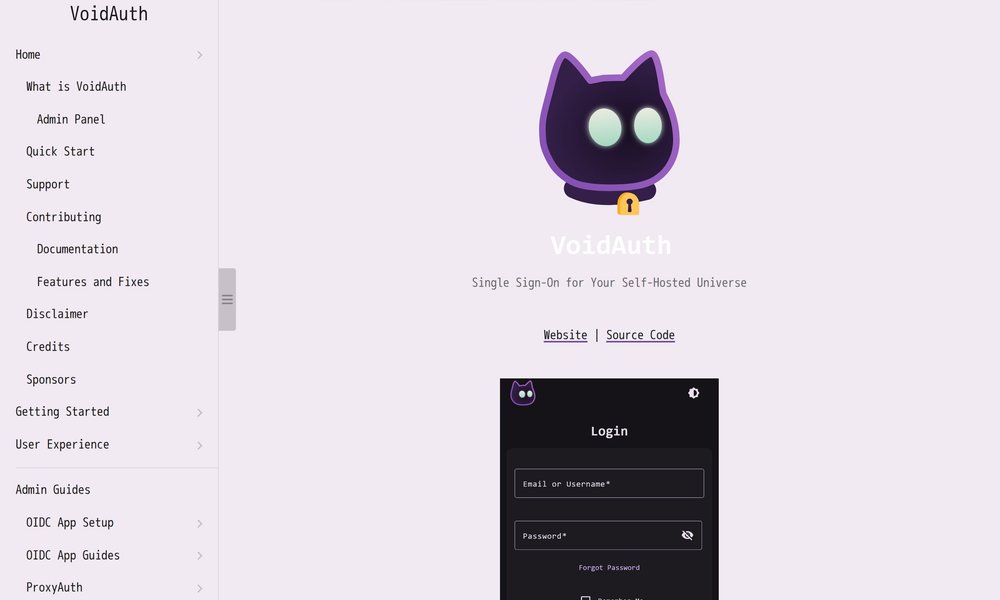
- VoidAuth: A comprehensive, open-source Single Sign-On (SSO) solution built for self-hosted homelabs and development servers. It supports OpenID Connect, LDAP, passkeys, multi-factor authentication (MFA), and encrypted-at-rest data storage using PostgreSQL or SQLite.
- Docker Go SDK: An official, high-level client library for Go developers. It simplifies container management tasks—such as image pulls with authentication, container execution loops, wait strategies, and dynamic port mapping—while retaining access to underlying low-level Moby client primitives when necessary.
4. Productivity and Utilities
- TablePro: A native database client built for Apple Silicon Macs and iPhones, supporting more than 21 database engines including MySQL, PostgreSQL, MongoDB, Redis, and SQLite. It features an autocomplete-enabled SQL editor with Vim keybindings, an embedded AI assistant, and iCloud synchronization.
- Contained: A SwiftUI graphical user interface for Apple’s native Container CLI. Designed exclusively for macOS and Apple Silicon, it features "Liquid Glass" card aesthetics, compose file importers, and management capabilities for containers, volumes, and networks.
- TermSCP: A multi-protocol terminal file transfer utility written in Rust. It unifies secure file transfer operations across SCP, SFTP, FTP/S, S3 buckets, Kubernetes pods, SMB shares, and WebDAV servers within a single Terminal User Interface (TUI).
Official Responses and Developer Community Feedback
The developer community response to the July 2026 releases has been overwhelmingly enthusiastic, particularly regarding local-first tools and agent optimization.
Open-source maintainers have noted a distinct pivot away from bloated, cloud-dependent SaaS products toward self-hosted, lightweight alternatives. Projects like elephc and VoidAuth have received substantial traction on GitHub and Hacker News, with early adopters praising their minimal resource footprints.
Conversely, platforms incorporating AI agents—such as OpenChamber and ReactBench—have sparked industry-wide discussions regarding the standardization of AI code quality metrics. Engineering managers have welcomed the shift toward evaluation metrics that measure production-readiness rather than isolated algorithmic success.
Implications for the Future of Software Development
The tools released in July 2026 point toward several long-term trends shaping the software engineering industry:
- The Rise of Agentic Specialization: As demonstrated by ReactBench and Open Design, AI agents are no longer treated as generalized chatbots. They are being compartmentalized into vertical roles—design, frontend implementation, codebase navigation, and code-reduction management.
- A Return to Native Performance: Tools like elephc and Yerd signal a broader developer rebellion against resource-heavy Electron apps and complex virtualization layers. By leveraging native assembly and ultra-lightweight daemons, developers are reclaiming system resources without sacrificing modern ergonomics.
- Self-Hosted Sovereignty: With the introduction of VoidAuth and Cloudflare Agentic Inbox, individual developers and small teams can construct robust, enterprise-grade infrastructure (authentication, mail servers, knowledge bases) without surrendering data privacy to third-party subscription models.
As these tools mature throughout the remainder of 2026, they promise to redefine how developers write, test, compile, and deploy software across both enterprise and indie ecosystems.



