In the modern digital landscape, personalization has long been the gold standard for conversion optimization. However, most brands have been operating with a significant blind spot: they track what a user is doing, but rarely understand why they are doing it.

As the lines between digital and physical commerce blur, the industry is undergoing a paradigm shift. With roughly 80% of all human decision-making driven by emotion rather than pure logic, traditional behavioral analytics—which relies on clickstreams and dwell time—is no longer enough. To capture the modern consumer, brands must decipher the micro-moments of hesitation, excitement, and doubt that dictate whether a visitor converts or abandons their cart. Enter EmotionsAI, a groundbreaking technology designed to map the subconscious drivers of digital shoppers.
The Genesis of Emotional Intelligence in Tech
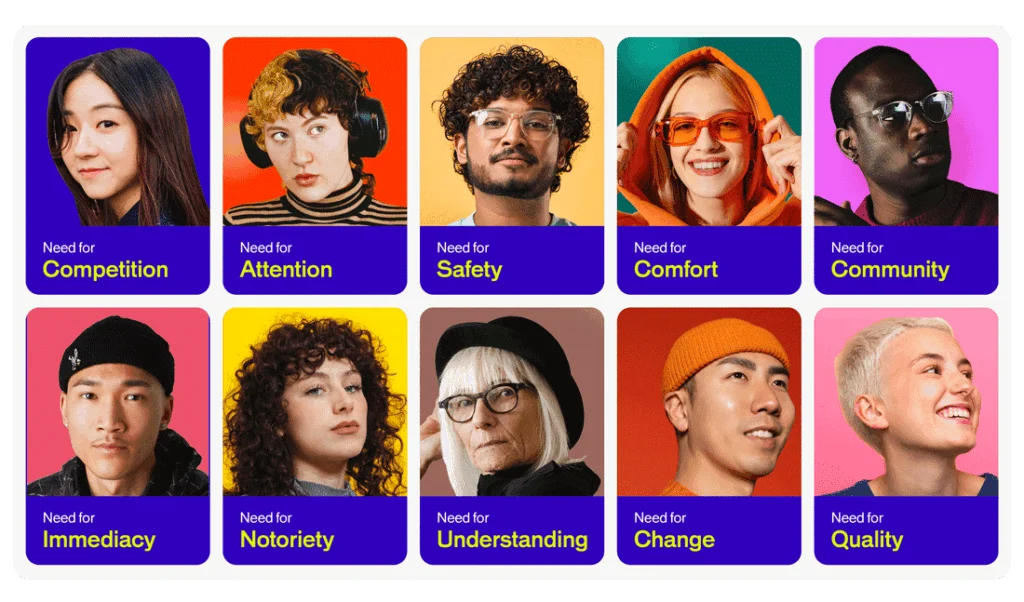
The development of EmotionsAI did not happen overnight. It is the culmination of over eight years of rigorous behavioral data analysis. Developers recognized that while thousands of fleeting emotions might pass through a shopper’s mind during a single session, these impulses consistently coalesce into 10 distinct, identifiable archetypes.
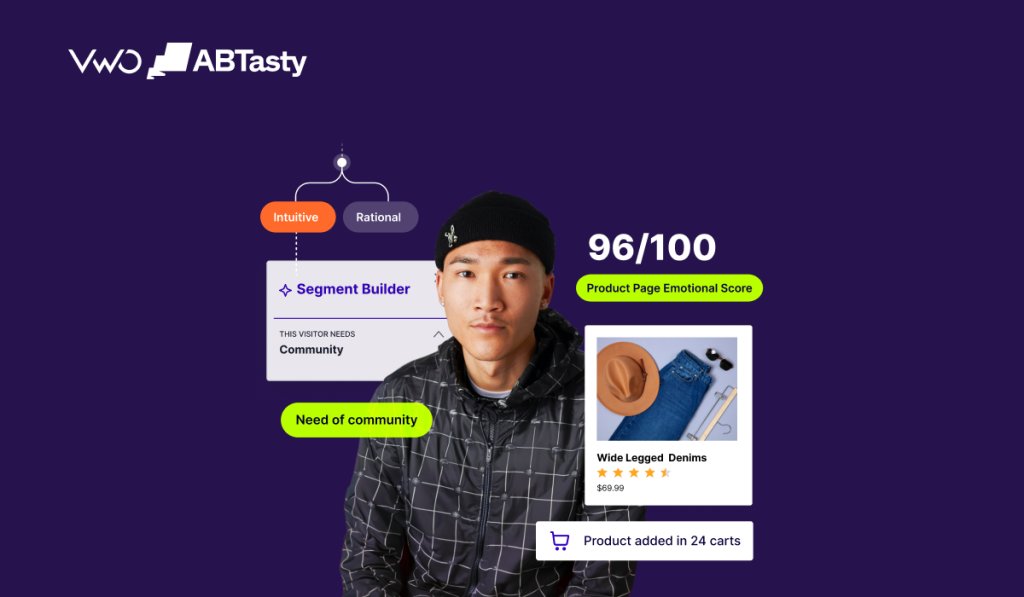
By leveraging an intuitive AI engine, EmotionsAI processes complex user signals in under 30 seconds. It does not simply categorize users by demographic or past purchase history; it identifies their current emotional mindset in real-time. This allows marketing and UX teams to pivot from generic content delivery to high-precision, empathetic targeting, effectively transforming the website experience into a human-centric interaction.
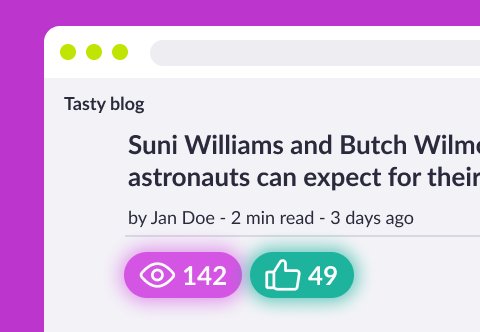
Mapping the 10 Emotional Profiles
The core of this innovation lies in its taxonomy of the human experience. By segmenting audiences into 10 distinct profiles, businesses can tailor their UI/UX and messaging to address specific psychological needs.
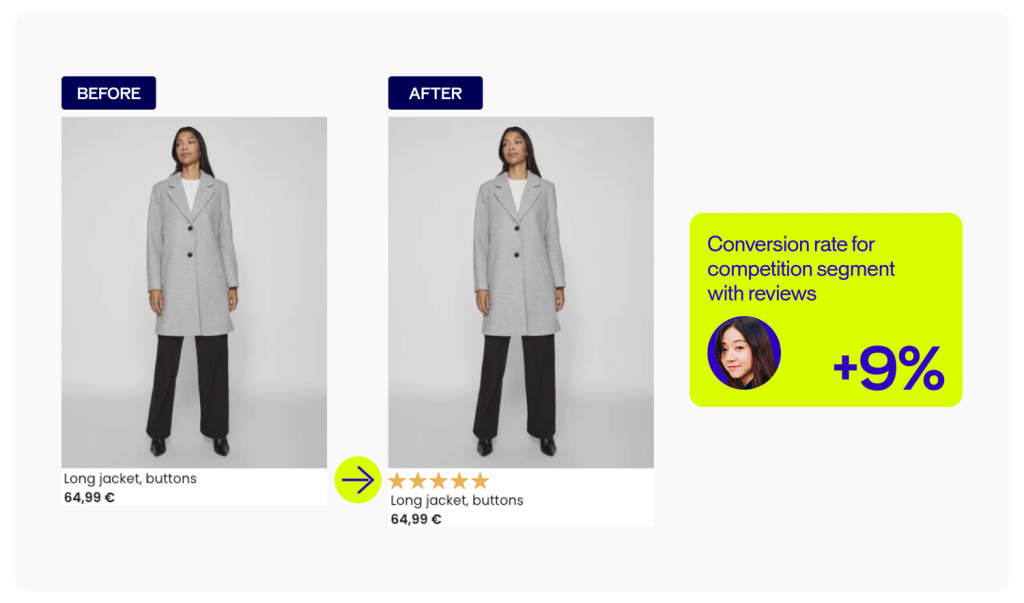
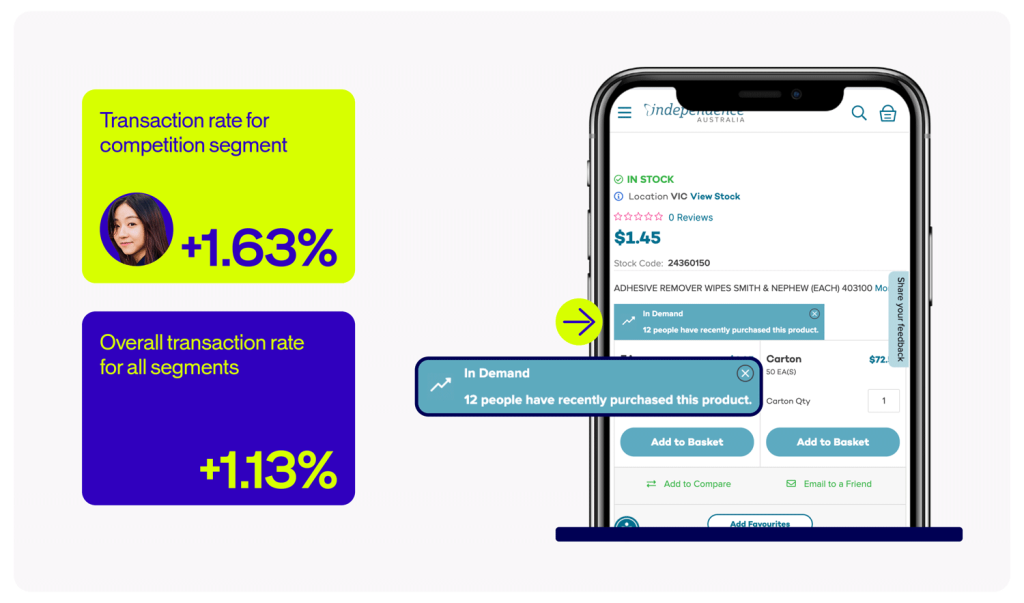
1. The Competitor (~10% of audience)
Competitive visitors are driven by status and the need to be "the best." They view their purchases as a statement of leadership and success.
- Strategy: Utilize quantitative social proof like star ratings and "ranked" lists.
- Execution: Keep copy sharp, punchy, and direct. Use urgency-driven messaging, such as "300 people viewed this today," to trigger their competitive instincts.
2. The Attention-Seeker (~10% of audience)
These users want to feel like the center of the universe. They desire an experience that feels bespoke and deeply appreciated.
- Strategy: Prioritize surprise-and-delight elements, such as exclusive perks or unexpected gifts.
- Execution: Soften the focus on pricing. Let the value proposition lead the narrative to ensure the visitor feels valued rather than commoditized.
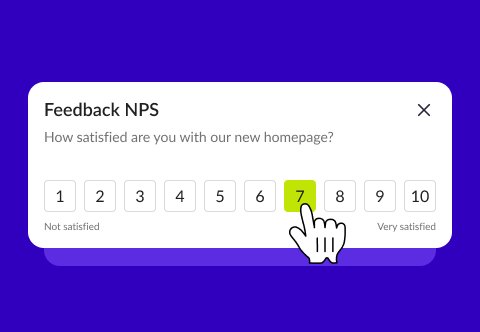
3. The Safety-Seeker (~27% of audience)
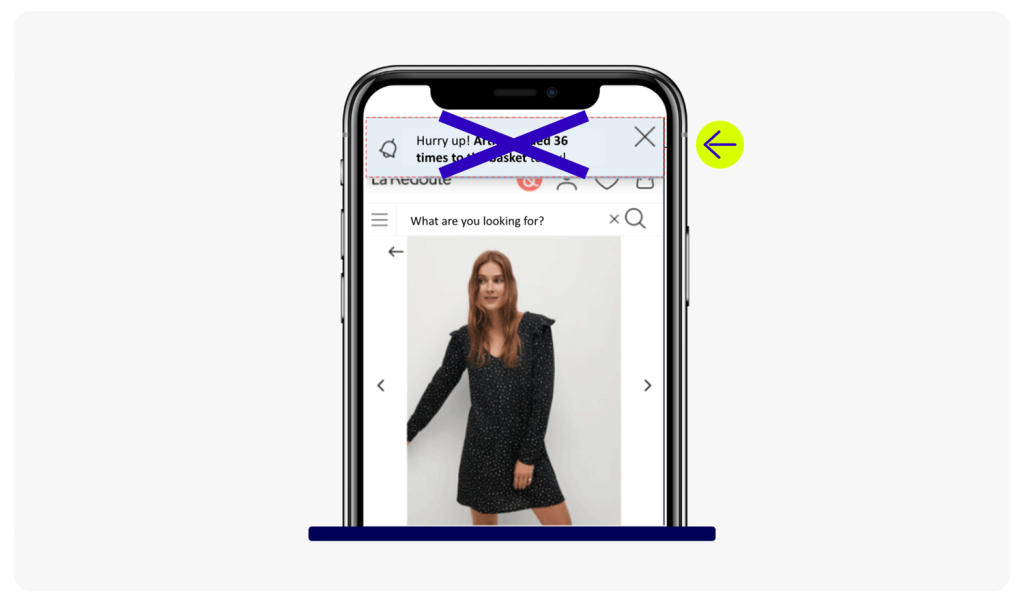
Representing the largest segment, these users are sensitive and anxiety-prone. Pressure tactics are the fastest way to lose them.
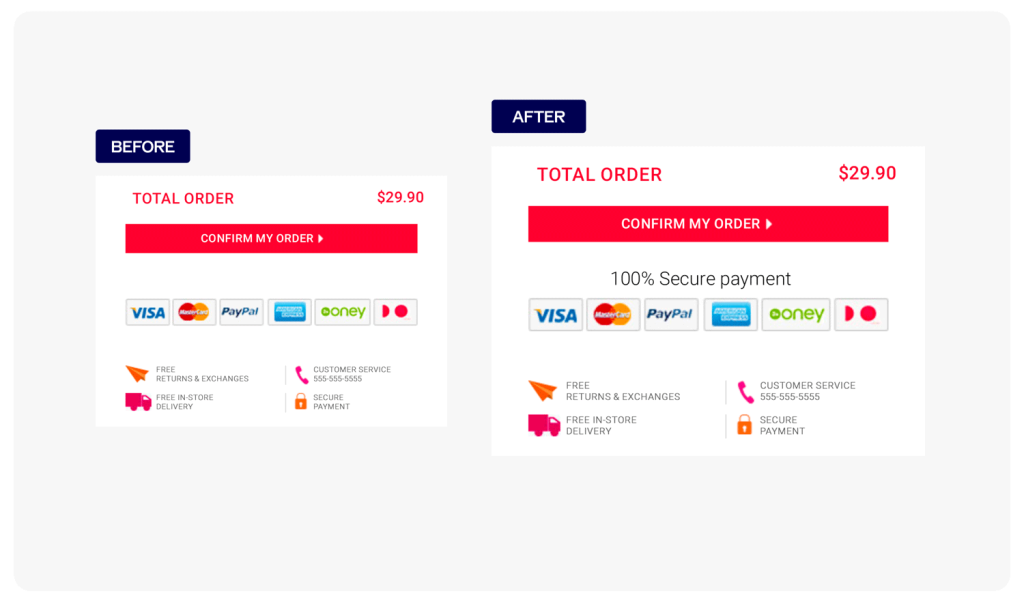
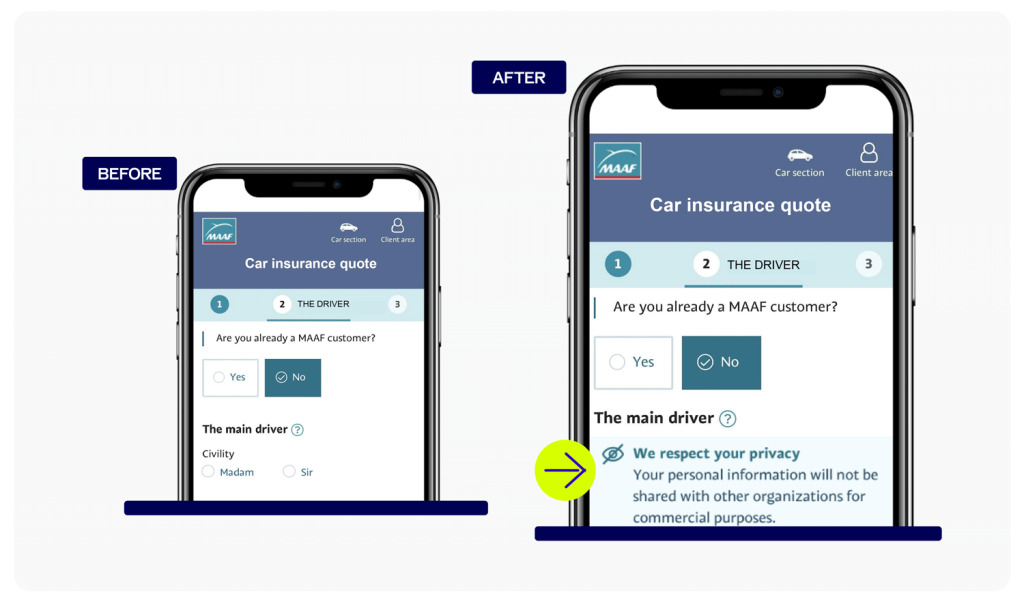
- Strategy: Prioritize trust-building. They need clear evidence of security and a lack of aggressive sales tactics.
- Execution: Ensure checkout processes are transparent, avoid "stress-inducing" countdown timers, and provide clear data-handling policies.
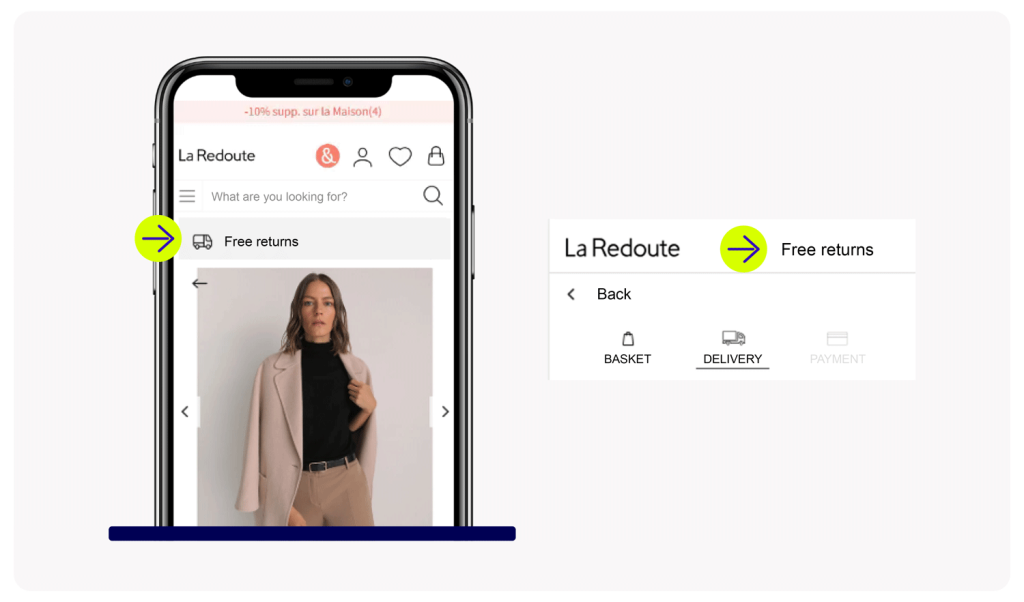
4. The Comfort-Seeker (~10% of audience)
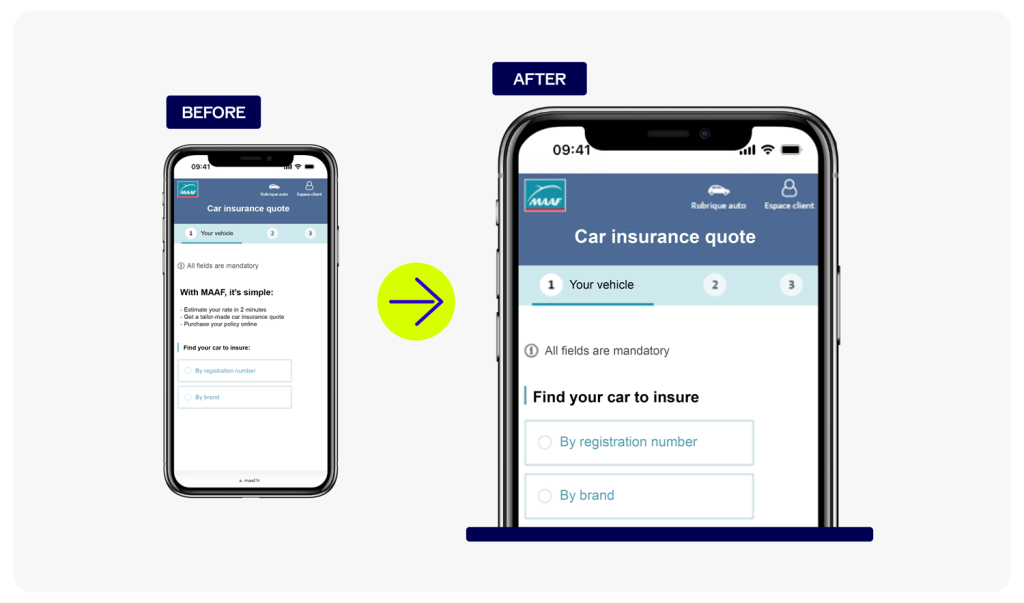
Complexity is the enemy here. These visitors want a frictionless, "from-the-couch" experience.
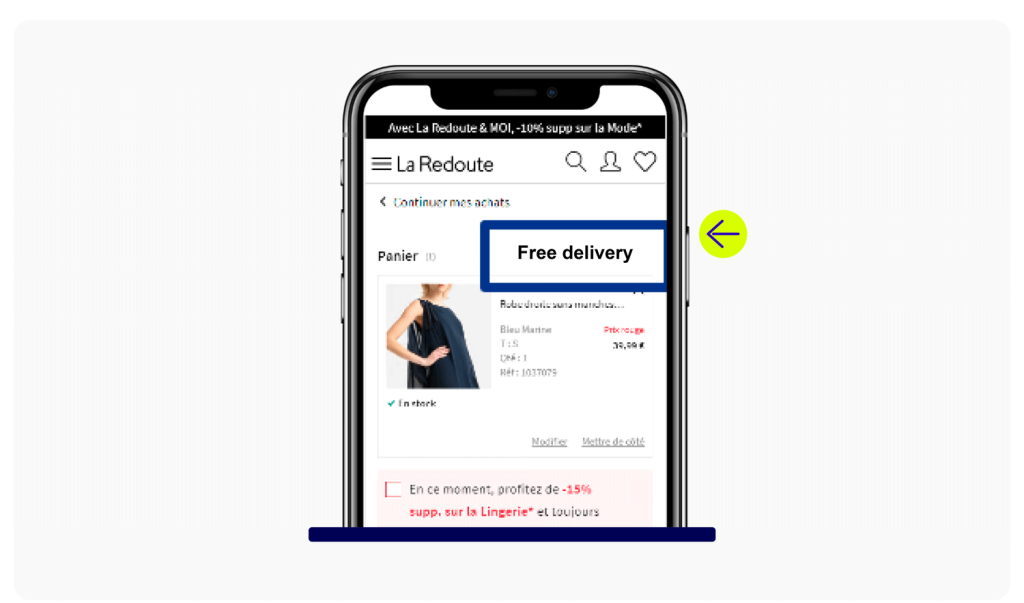
- Strategy: Highlight ease of use, such as free shipping and flexible returns.
- Execution: Optimize for a smooth, low-fuss user journey. Emphasize how the purchase will make their long-term life easier.
5. The Community-Oriented (~6% of audience)
These shoppers are motivated by connection and shared values. They look for brands that reflect their personal ethics.
- Strategy: Lean into sustainability, social impact, and communal storytelling.
- Execution: Personalize the experience by using their first name and highlighting how their purchase contributes to a larger cause.
6. The Immediacy-Seeker (~5% of audience)
Time is their most precious commodity. Anything that slows them down—be it long-form text or cluttered navigation—is a barrier.
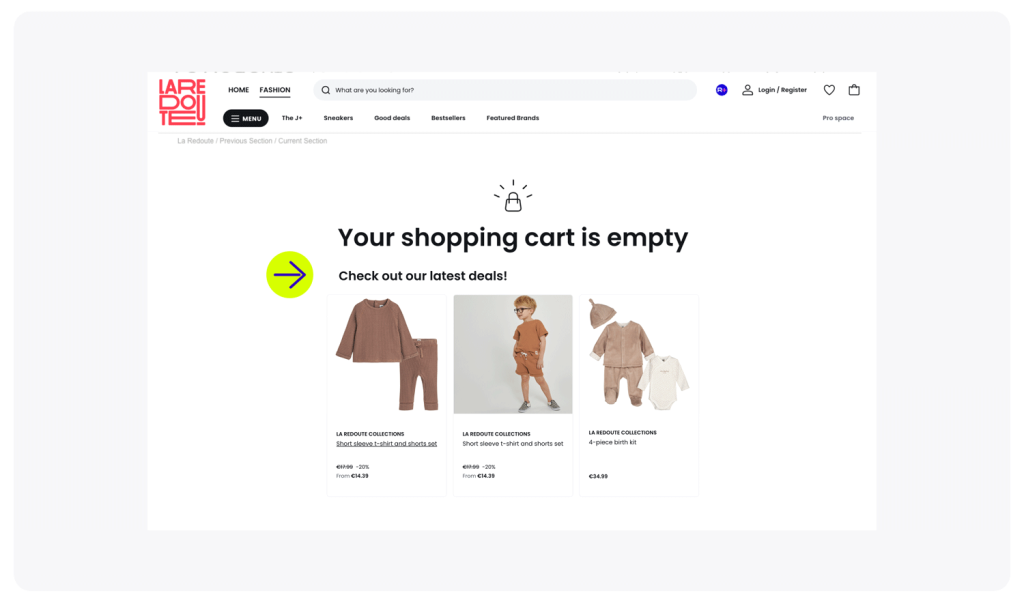
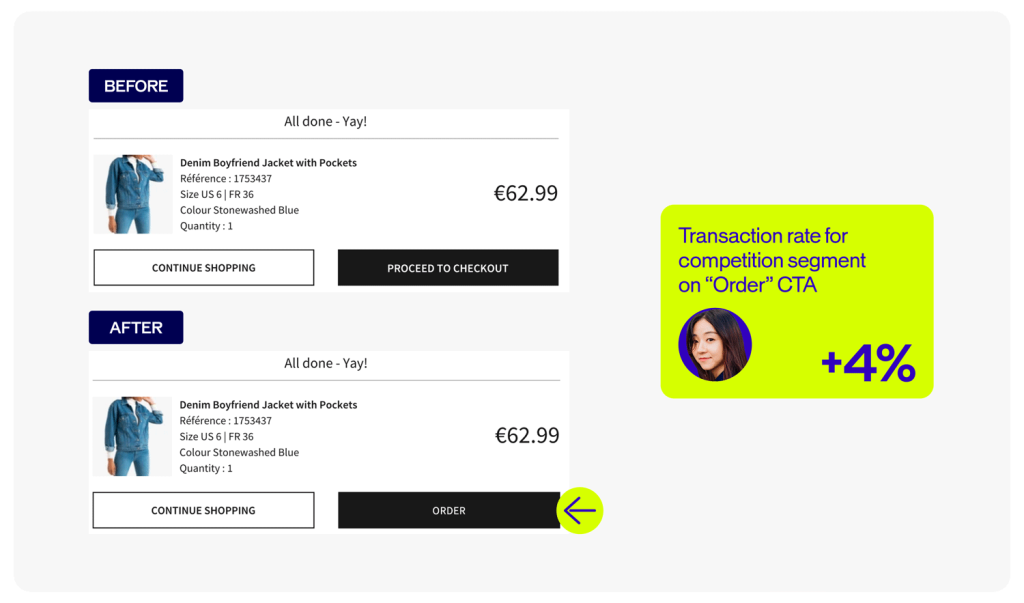
- Strategy: Radical simplification. Remove all friction.
- Execution: Use bold, imperative CTAs like "Order Now." Strip away secondary navigation and ensure the path to purchase is a straight line.
7. The Notoriety-Seeker (~2% of audience)
These visitors are risk-averse and rely heavily on established reputation. They trust what is proven, not what is trendy.
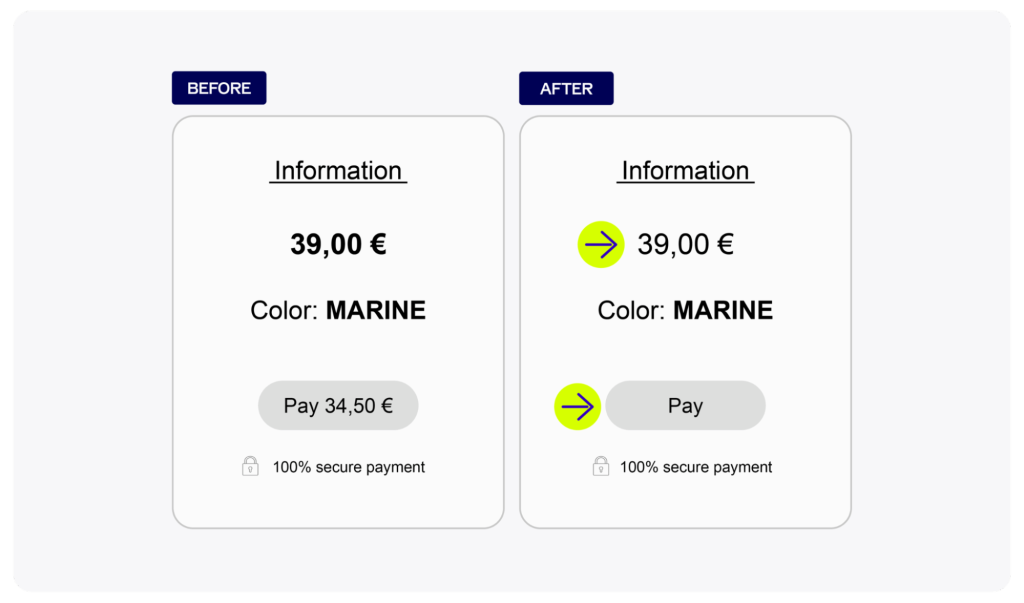
- Strategy: Focus on professional, high-quality aesthetics that signal sophistication.
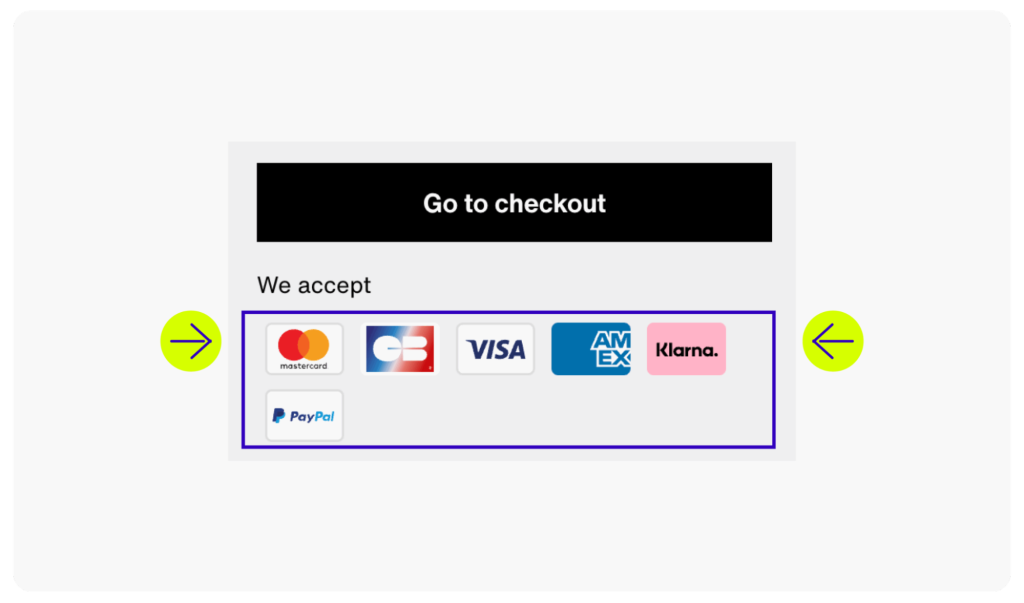
- Execution: Use deeper color palettes and emphasize guarantees, warranties, and classic, well-known payment methods.
8. The Understanding-Seeker (~9% of audience)
Logical and detail-oriented, these users do their homework. They need to see the "full picture."

- Strategy: Provide depth. Don’t hide the specs; showcase them.
- Execution: Use data, percentages, and progress bars. Provide granular detail so they can make a rational, informed decision.
9. The Change-Oriented (~8% of audience)
Routine bores them. They are looking for innovation and "the next big thing."
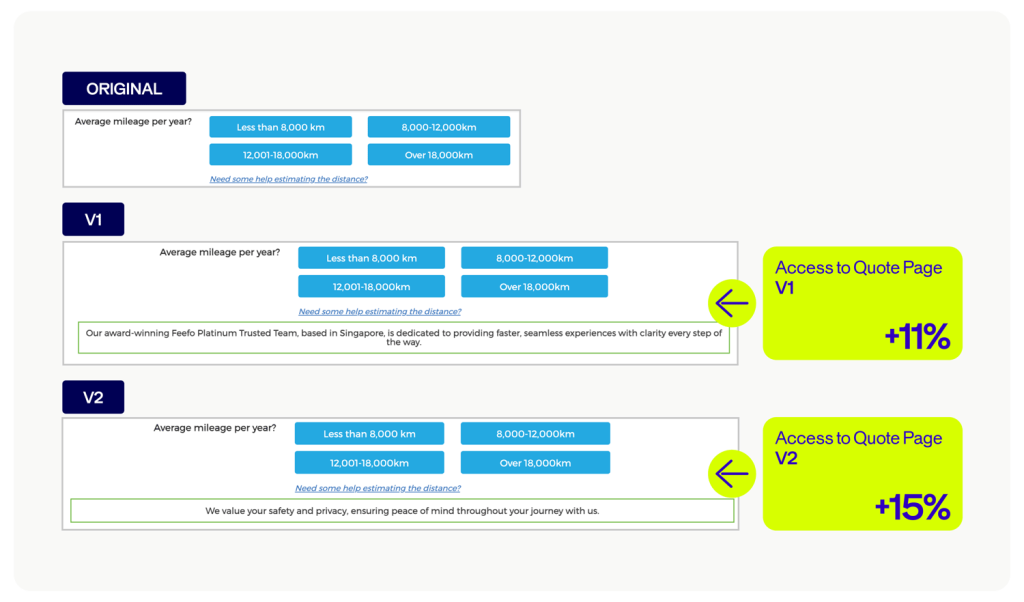
- Strategy: Highlight new arrivals and unconventional service options (e.g., specialized delivery).
- Execution: Move away from standard trust badges. Use modern, innovative payment methods like Buy Now, Pay Later (BNPL) to keep the experience fresh.
10. The Quality-Conscious (~3% of audience)
For these users, the product is a narrative. They are not interested in discounts; they are interested in craftsmanship.
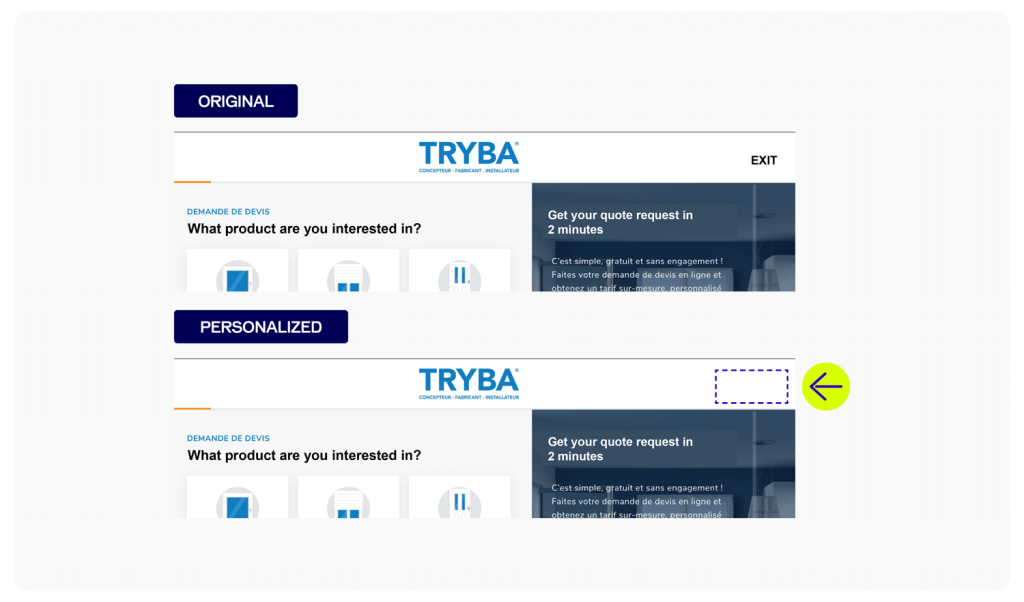
- Strategy: Focus on the brand story and the "why behind the what."
- Execution: Avoid excessive discounting, which can undermine perceived value. Rely on expert certifications and detailed reviews.
Implications for Digital Strategy
The integration of EmotionsAI into platforms like Wingify’s experimentation suite represents a turning point for CRO (Conversion Rate Optimization). By using the widget library to deploy specific emotional triggers for each segment, companies can perform A/B testing that isn’t just about button colors or placement—it’s about resonance.
Shifting from Marketing to Understanding
The traditional marketing funnel is essentially a numbers game: how many people entered, and how many bought? Emotional segmentation changes the game to a relationship model. When a brand identifies that a visitor is in a "Safety" mindset, it can dynamically strip away the high-pressure sales widgets and replace them with security badges and reassuring, calm copy. This is not just "better marketing"; it is a fundamental improvement in user experience.
The Data-Driven Human Experience
The implication for the future of web design is clear: static, one-size-fits-all websites are becoming obsolete. If a user enters a site with an "Immediacy" mindset, a standard, long-form homepage will likely cause them to bounce. If the site can detect that urgency in 30 seconds and strip the navigation bar to focus on a singular, bold CTA, the probability of conversion increases exponentially.
Official Stance and Industry Outlook
Industry experts are calling this "The Era of Empathy-at-Scale." According to the team behind EmotionsAI, the goal is to bridge the gap between the efficiency of AI and the nuance of human emotion. "We are moving away from the era where personalization meant just swapping out a first name in an email," says a company spokesperson. "We are now in an era where we can reflect the visitor’s internal state back to them, making them feel understood, validated, and safe."
As data privacy regulations continue to tighten, brands are looking for more sophisticated ways to engage users without relying on invasive tracking. Emotional segmentation offers a path forward—it uses behavioral signals to provide a better service rather than just gathering data for advertising profiles.
Conclusion: The Path Forward
The evidence is overwhelming: when you stop treating all visitors as the same generic entity, your conversion rates rise, but more importantly, your brand equity grows. By tapping into the 10 core emotional archetypes, you are no longer just selling a product; you are solving a psychological need.
In a world saturated with digital noise, the ability to "see" your customer—to understand that they are feeling anxious, or hurried, or looking for status—is the ultimate competitive advantage. As businesses prepare for the next decade of digital evolution, the winners will not necessarily be those with the most data, but those with the deepest understanding of the human heart behind the screen.
The technology is ready. The framework is defined. The only question remaining is: are you ready to stop guessing and start understanding?