










Main Facts
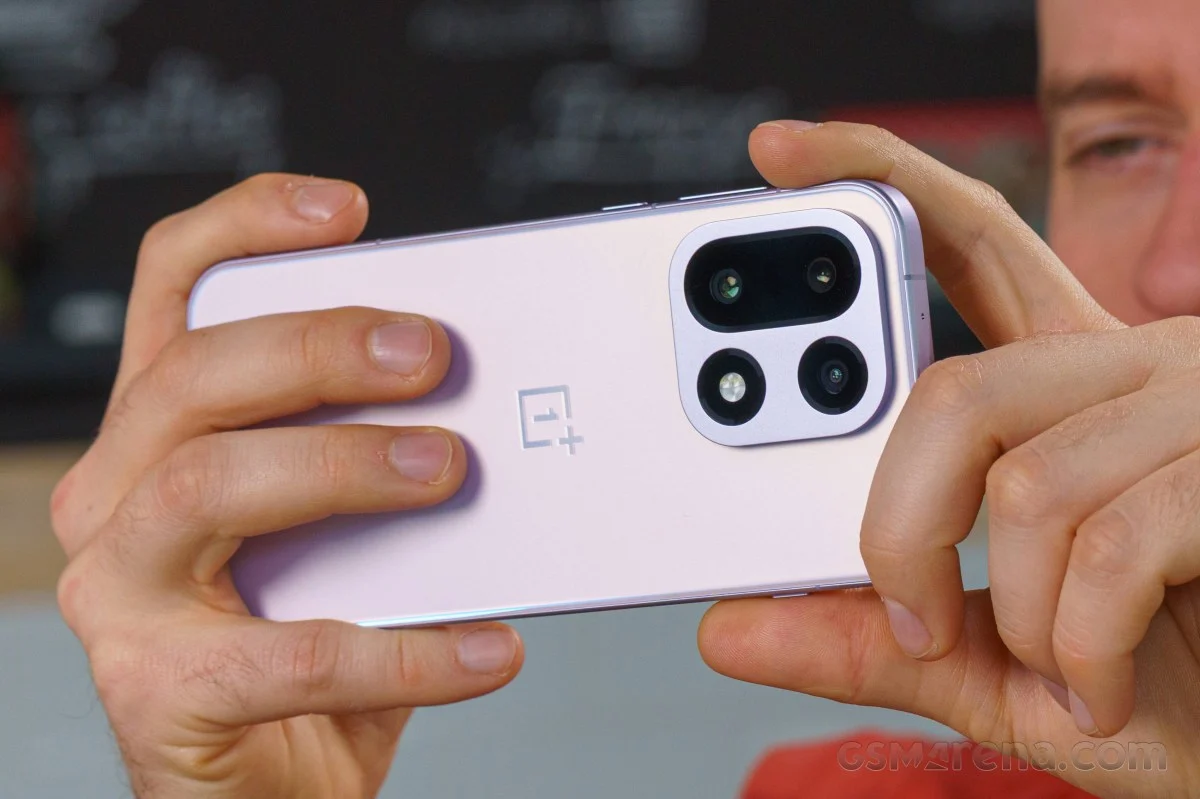
The mobile technology landscape is bracing for a seismic shift as industry insiders reveal the comprehensive specifications of the forthcoming OnePlus 16. Building upon early teasers released by the manufacturer, prominent tipster Digital Chat Station has taken to Weibo to outline what promises to be one of the most technologically advanced smartphones of the decade. At the core of the OnePlus 16 lies the formidable Snapdragon 8 Elite Gen 6 Pro chipset, a processor engineered to push mobile computing benchmarks into uncharted territory.
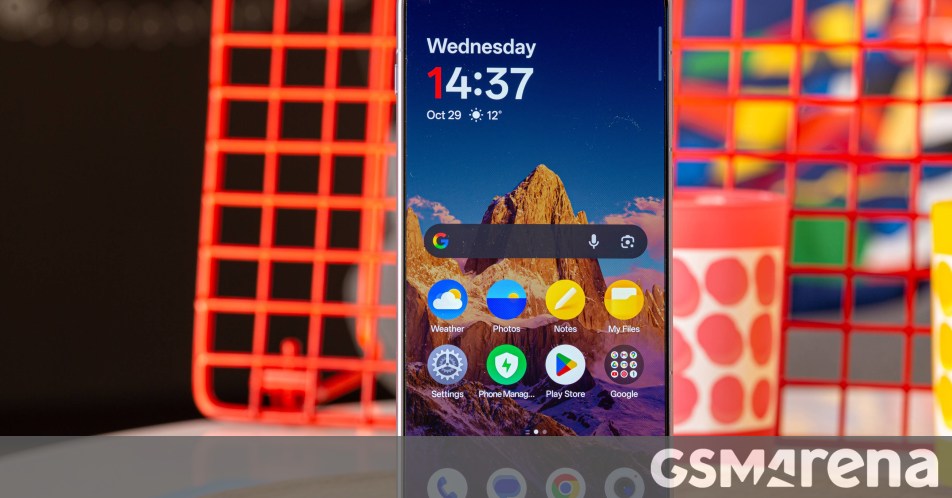
Perhaps most striking among the leaked specifications is the unprecedented power capacity: a staggering 9,000 mAh battery. This gargantuan power source is paired with high-speed 100W wired charging and 50W wireless charging capabilities, aiming to effectively eliminate battery anxiety for even the most power-intensive users. Display technology also receives a monumental upgrade. While OnePlus initially confirmed a system-wide 165Hz refresh rate globally, the new leak indicates that the screen can dynamically scale up to an astonishing 185Hz during specific gaming sessions, setting a new gold standard for mobile gaming fluidity.
Imaging capabilities are equally robust. The rear camera module is rumored to house a primary 200-megapixel sensor utilizing a large 1/1.4-inch optical format. This is complemented by a 50-megapixel ultra-wide-angle lens and a 50-megapixel periscope telephoto camera built around a 1/1.95-inch sensor, promising exceptional detail retention and zoom performance. Previous rumors indicate a 6.78-inch display boasting a crisp "1.5K" resolution, while software duties will be handled by ColorOS 17 based on the cutting-edge Android 17 operating system right out of the box. Insiders describe the overall industrial design as "quite stylish," pointing toward a refined aesthetic that bridges raw performance with luxury craftsmanship.
Chronology of Events and Leaks
To understand how the narrative surrounding the OnePlus 16 has unfolded, one must trace the timeline of leaks, official teasers, and industry speculation leading up to this latest data drop.
Phase One: Early Rumors and Display Speculations (Mid-2025)
The journey toward the OnePlus 16 began months prior to the official launch cycle, with preliminary supply chain leaks shedding light on core display dimensions. Industry analysts and insider reports first pegged the device’s screen size at 6.78 inches, featuring an advanced OLED panel with a proprietary "1.5K" resolution. These early reports hinted that OnePlus was focusing heavily on visual fidelity and ergonomic balance, ensuring that a larger screen would not compromise single-handed usability.
Phase Two: The 165Hz Teaser Campaign (Early September 2026)
The official marketing machinery kicked into gear when OnePlus began dropping cryptic teasers regarding the device’s display capabilities. Breaking away from the standard 120Hz cap that has dominated the flagship tier for years, the company confirmed that the OnePlus 16 would feature a system-wide 165Hz refresh rate globally. This announcement immediately generated massive buzz within tech communities, positioning the device as a direct challenger to dedicated gaming phones while retaining a sleek, everyday flagship profile.
Phase Three: The Digital Chat Station Comprehensive Leak (Present Day)
The most significant milestone in the device’s pre-launch timeline arrived via a comprehensive specification leak courtesy of Digital Chat Station on Weibo. Moving beyond simple display metrics, this leak exposed the internal architecture of the phone, detailing the integration of the Snapdragon 8 Elite Gen 6 Pro, the revolutionary 9,000 mAh battery architecture, and the sophisticated triple-camera array. Furthermore, the leak confirmed software details, pointing to an immediate rollout of ColorOS 17 atop Android 17.
Supporting Data and Technical Specifications
A granular look at the leaked specifications reveals an engineering marvel designed to excel across performance, endurance, optics, and software integration.
| Component | Leaked Specification | Functional Implication |
|---|---|---|
| Processor | Snapdragon 8 Elite Gen 6 Pro | Extreme multi-core computing, advanced AI processing, and thermal efficiency. |
| Display | 6.78-inch "1.5K" AMOLED | High pixel density, vibrant color reproduction, and optimal balance of sharpness and power draw. |
| Refresh Rate | 165Hz Global / Up to 185Hz Gaming | Ultra-smooth system navigation and zero-latency competitive mobile gaming experiences. |
| Battery Capacity | 9,000 mAh | Multi-day battery life under heavy workloads, defying conventional smartphone thickness limitations. |
| Charging Speeds | 100W Wired / 50W Wireless | Rapid replenishment of the massive power cell, minimizing downtime. |
| Main Camera | 200MP (1/1.4-inch sensor) | Exceptional light-gathering capabilities, high-resolution native cropping, and superior dynamic range. |
| Ultrawide Camera | 50MP sensor | Expansive field of view with minimal edge distortion and high detail preservation. |
| Telephoto Camera | 50MP Periscope (1/1.95-inch sensor) | Long-range optical zoom with high fidelity, reducing reliance on digital interpolation. |
| Software | ColorOS 17 (Android 17) | State-of-the-art user interface, deep AI integrations, and cutting-edge security patches from day one. |
Analyzing the Engineering Breakthroughs
The inclusion of a 9,000 mAh battery in a modern flagship smartphone is arguably the most disruptive data point in the leak. Historically, achieving such high capacity required bulky, ruggedized form factors that sacrificed aesthetic appeal and pocketability. If OnePlus has managed to engineer this battery within a "quite stylish" chassis, it likely points to breakthroughs in silicon-carbon battery anode technology, which offers higher energy densities than traditional lithium-ion cells.
Similarly, the jump to a variable 185Hz refresh rate in gaming scenarios requires advanced LTPO (Low-Temperature Polycrystalline Oxide) backplane technology. This ensures that the display can dynamically adjust its refresh rate instantaneously, preventing excessive battery drain during static tasks while delivering hyper-responsive tactile feedback when rendering high-frame-rate titles.
Official Responses and Industry Reactions
As details of the OnePlus 16 continue to circulate across global technology forums, reactions from consumers, competitors, and industry analysts have been overwhelmingly vocal.
Corporate Strategy and Teaser Alignment
OnePlus has maintained a calculated approach to the pre-launch phase. By initially confirming only the 165Hz refresh rate, the company successfully captured consumer attention without cannibalizing the market presence of its current lineup, such as the OnePlus 15. Representatives have hinted that the OnePlus 16 will represent a paradigm shift in how users perceive smartphone longevity, subtly nodding to the validity of the battery capacity rumors without confirming the exact figures prematurely.
Competitor and Market Sentiment
Rival smartphone manufacturers are reportedly monitoring the OnePlus 16 leak closely. The prospect of a mainstream flagship combining a top-tier Snapdragon 8 Elite Gen 6 Pro processor with a 9,000 mAh battery challenges the industry status quo, where battery capacities have largely plateaued between 5,000 mAh and 5,500 mAh. Industry analysts suggest that if OnePlus successfully brings this device to market at a competitive price point, competitors will be forced to accelerate their research and development into high-density battery cells and ultra-high refresh rate display panels.
Implications for the Mobile Industry
The impending launch of the OnePlus 16 carries profound implications for the trajectory of smartphone design, hardware innovation, and consumer expectations.
Redefining Battery Expectations
For years, consumers have been forced to accept a compromise between slim, lightweight industrial design and multi-day battery endurance. The OnePlus 16 challenges this dichotomy directly. Should the leaked 9,000 mAh battery specification prove accurate in commercial units, it will likely initiate a new industry-wide race for battery density. Competitors will no longer be able to rely on incremental 200 mAh year-over-year increases; consumers will begin demanding similar multi-day endurance across all flagship tiers.
The Rise of Ultra-Fluid Displays
The democratization of high refresh rates has moved rapidly from 90Hz to 120Hz and 144Hz. By pushing the ceiling to 165Hz globally and 185Hz dynamically in gaming, OnePlus is blurring the line between traditional mobile devices and dedicated gaming hardware. This escalation will force game developers to optimize their titles for ultra-high frame rates, elevating the visual fidelity and responsiveness of mobile gaming ecosystems.
Camera Innovations and Computational Photography
The implementation of a massive 200-megapixel primary sensor alongside a 50-megapixel periscope telephoto lens underscores the growing importance of advanced optical hardware paired with robust computational photography algorithms. As sensors grow physically larger—such as the 1/1.4-inch primary and 1/1.95-inch periscope units mentioned in the leak—the physical limitations of smartphone photography continue to shrink, narrowing the gap between pocket-sized devices and dedicated mirrorless cameras.
Software Synergy: Android 17 and ColorOS 17
Hardware prowess is ultimately dictated by software optimization. By launching with ColorOS 17 based on Android 17, the OnePlus 16 will leverage the latest kernel-level optimizations designed to manage complex thermal loads, high-refresh-rate displays, and power-intensive applications. Deep software integration will be crucial to ensuring that the Snapdragon 8 Elite Gen 6 Pro and the 9,000 mAh battery operate in seamless harmony, delivering peak performance without compromising thermal thresholds.
As official launch events draw nearer, anticipation for the OnePlus 16 continues to reach fever pitch. If the leaked specifications transition successfully into the retail product, OnePlus is poised to capture significant market share and redefine what consumers expect from a next-generation flagship smartphone.



